HTML SitemapExplore
logo
Find Things to DoFind The Best Restaurants

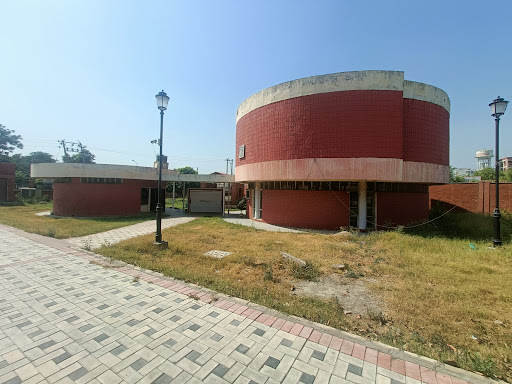
Sanghol Buddhist Archaeological Museum — Attraction in Punjab

Name
Sanghol Buddhist Archaeological Museum
Description
Nearby attractions
Nearby restaurants
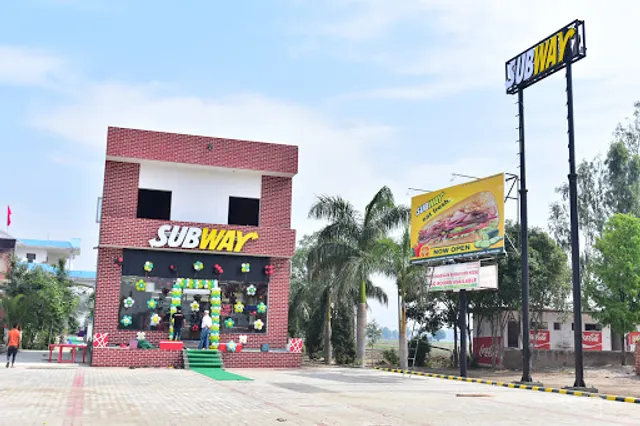
Subway Chandigarh-Ludhiana Highway
SUBWAY Chandigarh- Ludhiana Highway' Besides Barista Cafe, Pohlo Majra, Punjab 140802, India
Nearby hotels
Related posts
Keywords
Sanghol Buddhist Archaeological Museum tourism.Sanghol Buddhist Archaeological Museum hotels.Sanghol Buddhist Archaeological Museum bed and breakfast. flights to Sanghol Buddhist Archaeological Museum.Sanghol Buddhist Archaeological Museum attractions.Sanghol Buddhist Archaeological Museum restaurants.Sanghol Buddhist Archaeological Museum travel.Sanghol Buddhist Archaeological Museum travel guide.Sanghol Buddhist Archaeological Museum travel blog.Sanghol Buddhist Archaeological Museum pictures.Sanghol Buddhist Archaeological Museum photos.Sanghol Buddhist Archaeological Museum travel tips.Sanghol Buddhist Archaeological Museum maps.Sanghol Buddhist Archaeological Museum things to do.
Sanghol Buddhist Archaeological Museum things to do, attractions, restaurants, events info and trip planning
Sanghol Buddhist Archaeological Museum
IndiaPunjabSanghol Buddhist Archaeological Museum

Basic Info

Sanghol Buddhist Archaeological Museum

Ludhiana - Chandigarh NH, Lohar Majra Khurd, Punjab 140802, India
4.3(161)
Open 24 hours
Save
spot

Ratings & Description

Info

Cultural
Family friendly
Accessibility
attractions: , restaurants: Subway Chandigarh-Ludhiana Highway
logoLearn more insights from Wanderboat AI.

Plan your stay

hotel
Pet-friendly Hotels in Punjab
Find a cozy hotel nearby and make it a full experience.
hotel
Affordable Hotels in Punjab
Find a cozy hotel nearby and make it a full experience.
hotel
The Coolest Hotels You Haven't Heard Of (Yet)
Find a cozy hotel nearby and make it a full experience.
hotel
Trending Stays Worth the Hype in Punjab
Find a cozy hotel nearby and make it a full experience.

Reviews

Things to do nearby

Masti Zone - Amayra Emporio, Mohali
Tue, Jul 29 • 12:00 AM
near Amayra City, Ropar-Kurali Road, near Amayra City, Centre, Greater, Sahibzada Ajit Singh Nagar, 140301
View details

Nearby restaurants of Sanghol Buddhist Archaeological Museum

Subway Chandigarh-Ludhiana Highway

Subway Chandigarh-Ludhiana Highway

Subway Chandigarh-Ludhiana Highway

4.2

(549)

Click for details
Get the Appoverlay
Get the AppOne tap to find yournext favorite spots!
Wanderboat LogoWanderboat

Your everyday Al companion for getaway ideas

CompanyAbout Us
InformationAI Trip PlannerSitemap
SocialXInstagramTiktokLinkedin
LegalTerms of ServicePrivacy Policy

Get the app

© 2025 Wanderboat. All rights reserved.
logo

Reviews of Sanghol Buddhist Archaeological Museum

4.3
(161)
avatar
4.0
1y

Ancient Site and Buddhist Stupa

The archaeological site at Sanghol, locally known as Ucha Pind is located in the tehsil Khamanon, distt. Fatehgarh Sahib, Punjab on the Chandigarh-Ludhiana highway. The site lies on the ancient route Uttarapatha which connected Taxila with Mathura via Indraprastha, Rohitaka and Sanghol. It also lies on silk route. The Department of Archaeology & Museums, Punjab, & Archaeological Survey of india have conducted several archaeological excavations here between the years 1968 to 1990 which revealed cultural sequence ranging from late Harappa culture (Circa 2000 BCE) to Medieval period The site was first occupied by the Late Harappans around 2000 BCE and was followed by the people using Painted Grey Ware: Northern Black Polished ware culture: Sunga-Kushana period (BCE 1- 3rd Cent CE), Gupta Period (45th century CE), medieval and late medieval period. During the Kushana period Sanghol flourished as a prominent center of architecture and art comprising Buddhist Viharas (Monasteries), Stupas and palaces. The site shot into prominence in 1985, with sudden discovery of a treasure trove of 117 beautifully carved stone slabs, which include 69 upright pillars, 35 crossbars and 13 coping stones which belonged to Mathura school of art of 1st-2nd Cent. CE. Excavationsconducted at apsidal mound, called SGL-5 revealed a dharma-chakra pattern plan of a Buddhist stupa along with the wall and a number of other structures. This stupa was intersected by three concentric walls, each with spoke-like radial walls (respectively numbering 12, 24, and 32) sealing as mary box chambers which were packed with mud and kankar. The stupa was enclosed by a lime plaster platform for circumambulation with approach steps in each cardinal direction. It contained the relics of a reverend Buddhist teacher. This is inferred from the bone relics interred in a soapstone casket bearing Kharoshti inscription on its lid and few votive stupas put up around the main stupa. At Hathiwara mound, a large structure has been identified as "palatial remains" of the Kushana period. This site also, yielded evidence of fortification with three moats.

In view of its historical importance, it was declared as a monument of national importance vide notification no. 1204...

   Read more

avatar
4.0
3y

Sanghol is a historical village located in Fatehgarh Sahib District of Punjab, India predating to Harrapan civilisation.

It is also known as Uchha Pind Sanghol. It is about 40 km from Chandigarh on the way to Ludhiana and approximately 10 km from Dholewal. This place holds a special position on the archaeological atlas of India.[1] Excavations at the site have yielded coins and seals related to Toramana and Mihirakula belonging to central Asia.

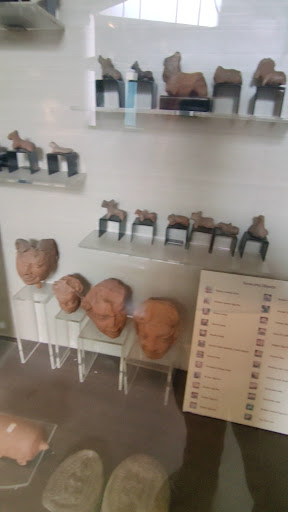
A Buddhist stupa was excavated in 1968, but in February 1985 a rich treasure of 117 beautiful carved stone slabs, which includes 69 pillars, 35 crossbars, figures and figurines, was excavated by the experts of the Directorate of Archaeology, Punjab. Scholars have explained them as Kushan sculptures of the Mathura school of the 1st and 2nd centuries AD. These treasures have since been displayed for art lovers and historians in Sanghol Museum. Many of the art pieces from this museum often go on display as special exhibits at various museums...

   Read more
avatar
3.0
1y

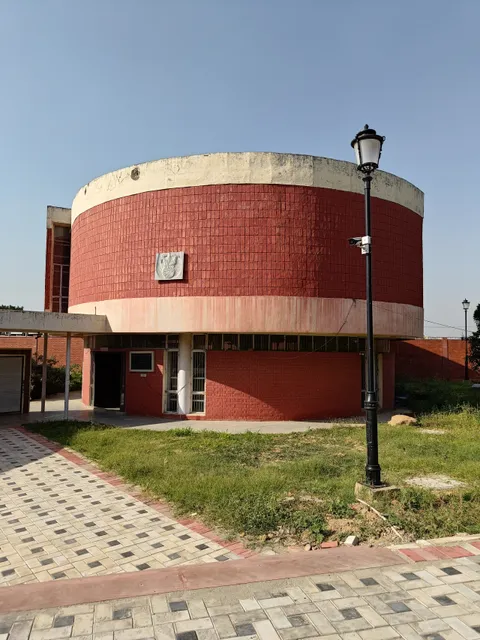
Visited the Sanghol Archeological Museum today Security flipped when I took a pic of the museum outside, then followed me around while I toured the exhibits to make SURE I didn’t take any more pics Invaded my space, stared hard, hilarious I took my time, walked in circles and doubled back a lot just for fun Truth is that the Museum has some GREAT Buddhist sandstone sculpture, well worth a visit Carved rail-posts of female figures doing more than the usual dakini pose: drunk and being helped up by a male figure, another an acrobat-entertainer balancing an urn on her lifted elbow, like that Just wonderful stuff They need to rethink their photo and security...

   Read more
Page 1 of 7
Previous
Next

Posts

Amanpreet singhAmanpreet singh
Ancient Site and Buddhist Stupa The archaeological site at Sanghol, locally known as Ucha Pind is located in the tehsil Khamanon, distt. Fatehgarh Sahib, Punjab on the Chandigarh-Ludhiana highway. The site lies on the ancient route Uttarapatha which connected Taxila with Mathura via Indraprastha, Rohitaka and Sanghol. It also lies on silk route. The Department of Archaeology & Museums, Punjab, & Archaeological Survey of india have conducted several archaeological excavations here between the years 1968 to 1990 which revealed cultural sequence ranging from late Harappa culture (Circa 2000 BCE) to Medieval period The site was first occupied by the Late Harappans around 2000 BCE and was followed by the people using Painted Grey Ware: Northern Black Polished ware culture: Sunga-Kushana period (BCE 1- 3rd Cent CE), Gupta Period (45th century CE), medieval and late medieval period. During the Kushana period Sanghol flourished as a prominent center of architecture and art comprising Buddhist Viharas (Monasteries), Stupas and palaces. The site shot into prominence in 1985, with sudden discovery of a treasure trove of 117 beautifully carved stone slabs, which include 69 upright pillars, 35 crossbars and 13 coping stones which belonged to Mathura school of art of 1st-2nd Cent. CE. Excavationsconducted at apsidal mound, called SGL-5 revealed a dharma-chakra pattern plan of a Buddhist stupa along with the wall and a number of other structures. This stupa was intersected by three concentric walls, each with spoke-like radial walls (respectively numbering 12, 24, and 32) sealing as mary box chambers which were packed with mud and kankar. The stupa was enclosed by a lime plaster platform for circumambulation with approach steps in each cardinal direction. It contained the relics of a reverend Buddhist teacher. This is inferred from the bone relics interred in a soapstone casket bearing Kharoshti inscription on its lid and few votive stupas put up around the main stupa. At Hathiwara mound, a large structure has been identified as "palatial remains" of the Kushana period. This site also, yielded evidence of fortification with three moats. In view of its historical importance, it was declared as a monument of national importance vide notification no. 1204 dated 09.06.1998.
Trishanjit SinghTrishanjit Singh
A very lesser known town of historical importance as this town was built during the Harappan and during mohenjodaro civilisation It has one the most unique collection of artifacts that are to be found nowhere else It has a huge collection of coins It also has the ashes of Buddha in the museum There are more sites in the city which can also be seen The sites show ruins during the 3300 BC and are a delight to watch Punjab has a very rich history which is not known to the general public
Yashonidhi PandeyYashonidhi Pandey
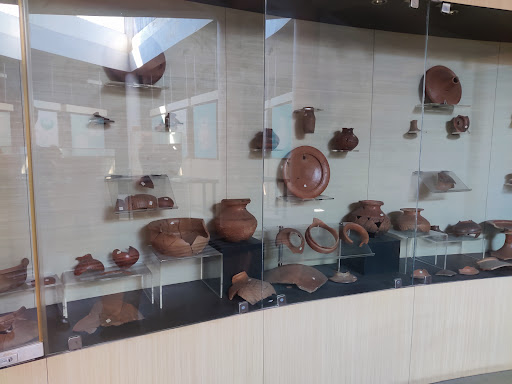
It has art relics, coins, pots from 1-3 AD! The site of the stupa is barely 1-2 kilometres away. It is probably four thousand years old! This place is probably just 50 kilometres from Mohali and Chandigarh. There are restaurants and Dhabas nearby as well as petrol pumps. Do visit this place to know about its deep historical significance.
See more posts
See more posts
hotel
Find your stay

Pet-friendly Hotels in Punjab

Find a cozy hotel nearby and make it a full experience.

Ancient Site and Buddhist Stupa The archaeological site at Sanghol, locally known as Ucha Pind is located in the tehsil Khamanon, distt. Fatehgarh Sahib, Punjab on the Chandigarh-Ludhiana highway. The site lies on the ancient route Uttarapatha which connected Taxila with Mathura via Indraprastha, Rohitaka and Sanghol. It also lies on silk route. The Department of Archaeology & Museums, Punjab, & Archaeological Survey of india have conducted several archaeological excavations here between the years 1968 to 1990 which revealed cultural sequence ranging from late Harappa culture (Circa 2000 BCE) to Medieval period The site was first occupied by the Late Harappans around 2000 BCE and was followed by the people using Painted Grey Ware: Northern Black Polished ware culture: Sunga-Kushana period (BCE 1- 3rd Cent CE), Gupta Period (45th century CE), medieval and late medieval period. During the Kushana period Sanghol flourished as a prominent center of architecture and art comprising Buddhist Viharas (Monasteries), Stupas and palaces. The site shot into prominence in 1985, with sudden discovery of a treasure trove of 117 beautifully carved stone slabs, which include 69 upright pillars, 35 crossbars and 13 coping stones which belonged to Mathura school of art of 1st-2nd Cent. CE. Excavationsconducted at apsidal mound, called SGL-5 revealed a dharma-chakra pattern plan of a Buddhist stupa along with the wall and a number of other structures. This stupa was intersected by three concentric walls, each with spoke-like radial walls (respectively numbering 12, 24, and 32) sealing as mary box chambers which were packed with mud and kankar. The stupa was enclosed by a lime plaster platform for circumambulation with approach steps in each cardinal direction. It contained the relics of a reverend Buddhist teacher. This is inferred from the bone relics interred in a soapstone casket bearing Kharoshti inscription on its lid and few votive stupas put up around the main stupa. At Hathiwara mound, a large structure has been identified as "palatial remains" of the Kushana period. This site also, yielded evidence of fortification with three moats. In view of its historical importance, it was declared as a monument of national importance vide notification no. 1204 dated 09.06.1998.
Amanpreet singh

Amanpreet singh

hotel
Find your stay

Affordable Hotels in Punjab

Find a cozy hotel nearby and make it a full experience.

Get the Appoverlay
Get the AppOne tap to find yournext favorite spots!
A very lesser known town of historical importance as this town was built during the Harappan and during mohenjodaro civilisation It has one the most unique collection of artifacts that are to be found nowhere else It has a huge collection of coins It also has the ashes of Buddha in the museum There are more sites in the city which can also be seen The sites show ruins during the 3300 BC and are a delight to watch Punjab has a very rich history which is not known to the general public
Trishanjit Singh

Trishanjit Singh

hotel
Find your stay

The Coolest Hotels You Haven't Heard Of (Yet)

Find a cozy hotel nearby and make it a full experience.

hotel
Find your stay

Trending Stays Worth the Hype in Punjab

Find a cozy hotel nearby and make it a full experience.

It has art relics, coins, pots from 1-3 AD! The site of the stupa is barely 1-2 kilometres away. It is probably four thousand years old! This place is probably just 50 kilometres from Mohali and Chandigarh. There are restaurants and Dhabas nearby as well as petrol pumps. Do visit this place to know about its deep historical significance.
Yashonidhi Pandey

Yashonidhi Pandey

See more posts
See more posts