HTML SitemapExplore
logo
Find Things to DoFind The Best Restaurants

Sri Darbar Sahib — Attraction in Punjab

Name
Sri Darbar Sahib
Description
Nearby attractions
Nearby restaurants
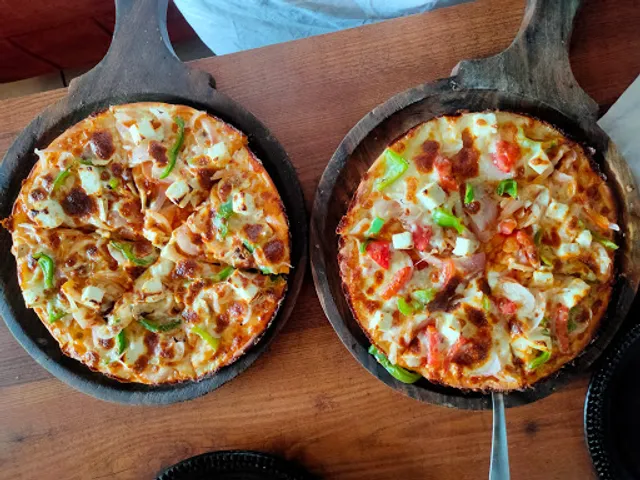
Enjoy Pizza Plus ਇੰਜੋਏ ਪੀਜਾ ਪਲੱਸ
Opp, Sandhu Wali Gali, Near bohri Chowk, Old City, Tarn Taran Sahib, Punjab 143401, India
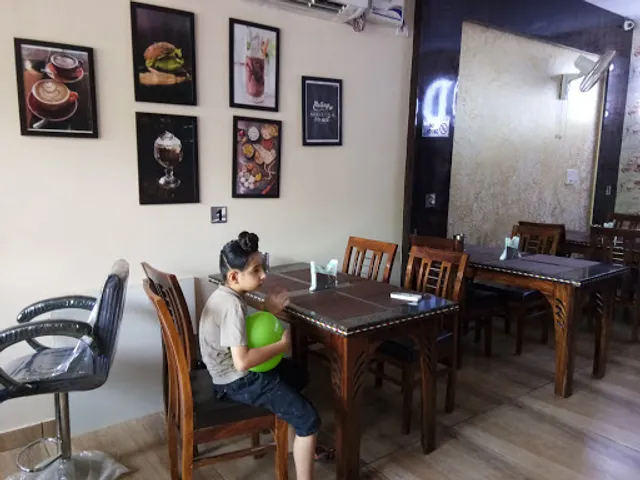
ਆਪਣਾ ਚੁੱਲਾ Apna Chulha
CWXJ+HFV, Mata Kolan Colony, St. Marry Colony, Tarn Taran Sahib, Punjab 143401, India
Nearby hotels
Related posts
Keywords
Sri Darbar Sahib tourism.Sri Darbar Sahib hotels.Sri Darbar Sahib bed and breakfast. flights to Sri Darbar Sahib.Sri Darbar Sahib attractions.Sri Darbar Sahib restaurants.Sri Darbar Sahib travel.Sri Darbar Sahib travel guide.Sri Darbar Sahib travel blog.Sri Darbar Sahib pictures.Sri Darbar Sahib photos.Sri Darbar Sahib travel tips.Sri Darbar Sahib maps.Sri Darbar Sahib things to do.
Sri Darbar Sahib things to do, attractions, restaurants, events info and trip planning
Sri Darbar Sahib
IndiaPunjabSri Darbar Sahib

Basic Info

Sri Darbar Sahib

Old City, Tarn Taran Sahib, Punjab 143401, India
4.9(2.4K)
Open 24 hours
Save
spot

Ratings & Description

Info

Cultural
Accessibility
attractions: , restaurants: Enjoy Pizza Plus ਇੰਜੋਏ ਪੀਜਾ ਪਲੱਸ, ਆਪਣਾ ਚੁੱਲਾ Apna Chulha
logoLearn more insights from Wanderboat AI.

Plan your stay

hotel
Pet-friendly Hotels in Punjab
Find a cozy hotel nearby and make it a full experience.
hotel
Affordable Hotels in Punjab
Find a cozy hotel nearby and make it a full experience.
hotel
The Coolest Hotels You Haven't Heard Of (Yet)
Find a cozy hotel nearby and make it a full experience.
hotel
Trending Stays Worth the Hype in Punjab
Find a cozy hotel nearby and make it a full experience.

Reviews

Things to do nearby

explore amritsars heritage
Sat, Dec 6 • 2:30 PM
Amritsar, Punjab, 143006, India
View details

Nearby restaurants of Sri Darbar Sahib

Enjoy Pizza Plus ਇੰਜੋਏ ਪੀਜਾ ਪਲੱਸ

ਆਪਣਾ ਚੁੱਲਾ Apna Chulha

Enjoy Pizza Plus ਇੰਜੋਏ ਪੀਜਾ ਪਲੱਸ

Enjoy Pizza Plus ਇੰਜੋਏ ਪੀਜਾ ਪਲੱਸ

4.1

(155)

Click for details
ਆਪਣਾ ਚੁੱਲਾ Apna Chulha

ਆਪਣਾ ਚੁੱਲਾ Apna Chulha

4.0

(30)

Open until 11:41 PM
Click for details
Get the Appoverlay
Get the AppOne tap to find yournext favorite spots!
Wanderboat LogoWanderboat

Your everyday Al companion for getaway ideas

CompanyAbout Us
InformationAI Trip PlannerSitemap
SocialXInstagramTiktokLinkedin
LegalTerms of ServicePrivacy Policy

Get the app

© 2025 Wanderboat. All rights reserved.
logo

Posts

Nomadic MillionaireNomadic Millionaire
Tarn Taran Sahib was founded by the Fifth Sikh Guru, Shri Guru Arjan Dev Ji (1563–1606). He laid the foundation of Sri Tarn Taran Sahib Temple. Tarn Taran Sahib was part of the Bhangi Sikh Dynasty ruled by a powerful Sikh family of the Dhillon Clan from 1716 to 1810. In 1947, the year of the Partition of India and the Partition of Punjab, Tarn Taran was the only tehsil (district) in Punjab, along with Shiekhupura, Ludhiana, Jalandhar, Hoshiapur, Kapurthala, Patti, Amritsar, Lyallpur, and Patiala, with a majority Sikh population. The city was a center of the Sikh insurgencyduring the 1980s and early 1990s. Tarn Taran Sahib was suggested as the capital of Khalistan, the proposed Sikh independent nation. The main occupation in this area is agriculture and agroindustry, with very few other industries. Tarn Taran district was formed in 2006. The declaration to this effect was made by Captain Amarinder Singh,Chief Minister of Punjab, during the celebrations marking the martyrdom day of Sri Guru Arjan Dev Ji. With this, it became the 19th district of Punjab.
Nikhil PrakashNikhil Prakash
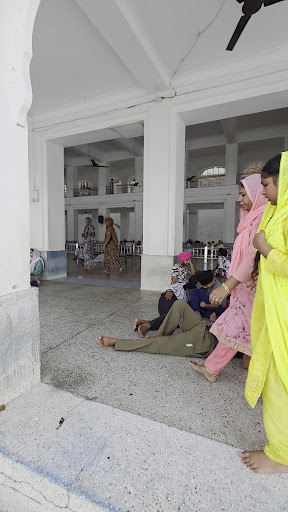
Gurdwara Sri Tarn Taran Sahib, located in the city of Tarn Taran, about 22 km from Amritsar, is a highly revered Sikh pilgrimage site. Founded by Guru Arjan Dev, the fifth Sikh Guru, the gurdwara holds immense historical value. It's not just a place of worship but a symbol of the rich Sikh heritage. The site is also associated with several Sikh martyrs. A defining feature of this gurdwara is its massive Sarovar. It is believed that a dip in Sarovar here can help you in healing from leprosy. The atmosphere here is extremely peaceful, calming, and ideal for meditation and prayer. The constant recitation of Gurubani can make you sit here for hours. Like all gurdwaras you can also taste langar (community kitchen) here. Sufficient space for parking outside Gurudwara sahib. Many small eateries and souvenir shops also available. Many people miss to visit this temple and just return back after visiting Golden temple, I would surely recommend everyone to visit here atleast once. You will be overwhelmed by experience.
Sunil BhaduSunil Bhadu
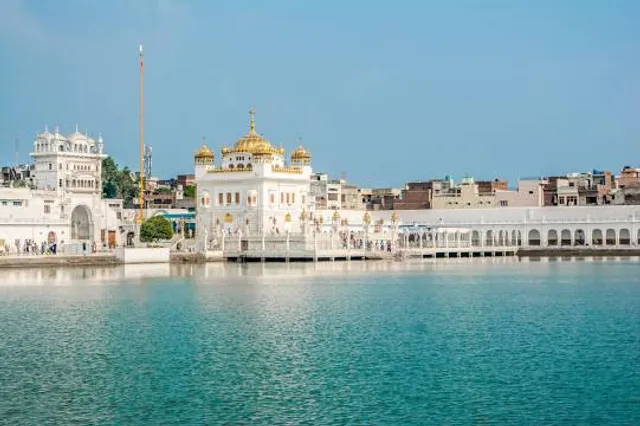
Tarn Taran Sahib, a spiritual gem in Punjab, was founded by Guru Arjan Dev Ji in 1590 and holds deep significance in Sikh history. The Gurdwara, a stunning example of Sikh architecture, features a gleaming golden dome and the largest sarovar (sacred pool) in the Sikh faith. The serene reflection of the holy structure in the water creates a breathtaking and peaceful ambiance. The Gurdwara resonates with spiritual energy, as daily kirtans (devotional hymns) fill the air with divine music. The sarovar is believed to have healing properties, attracting pilgrims seeking both physical and spiritual solace. The langar, a symbol of Sikh generosity, serves free meals to thousands of visitors regardless of background, showcasing the spirit of equality and selfless service. Visiting Tarn Taran Sahib is a humbling and enriching experience, offering a blend of devotion, history, and cultural heritage that leaves a lasting impact on every soul who steps into its sacred grounds.
See more posts
See more posts
hotel
Find your stay

Pet-friendly Hotels in Punjab

Find a cozy hotel nearby and make it a full experience.

Tarn Taran Sahib was founded by the Fifth Sikh Guru, Shri Guru Arjan Dev Ji (1563–1606). He laid the foundation of Sri Tarn Taran Sahib Temple. Tarn Taran Sahib was part of the Bhangi Sikh Dynasty ruled by a powerful Sikh family of the Dhillon Clan from 1716 to 1810. In 1947, the year of the Partition of India and the Partition of Punjab, Tarn Taran was the only tehsil (district) in Punjab, along with Shiekhupura, Ludhiana, Jalandhar, Hoshiapur, Kapurthala, Patti, Amritsar, Lyallpur, and Patiala, with a majority Sikh population. The city was a center of the Sikh insurgencyduring the 1980s and early 1990s. Tarn Taran Sahib was suggested as the capital of Khalistan, the proposed Sikh independent nation. The main occupation in this area is agriculture and agroindustry, with very few other industries. Tarn Taran district was formed in 2006. The declaration to this effect was made by Captain Amarinder Singh,Chief Minister of Punjab, during the celebrations marking the martyrdom day of Sri Guru Arjan Dev Ji. With this, it became the 19th district of Punjab.
Nomadic Millionaire

Nomadic Millionaire

hotel
Find your stay

Affordable Hotels in Punjab

Find a cozy hotel nearby and make it a full experience.

Get the Appoverlay
Get the AppOne tap to find yournext favorite spots!
Gurdwara Sri Tarn Taran Sahib, located in the city of Tarn Taran, about 22 km from Amritsar, is a highly revered Sikh pilgrimage site. Founded by Guru Arjan Dev, the fifth Sikh Guru, the gurdwara holds immense historical value. It's not just a place of worship but a symbol of the rich Sikh heritage. The site is also associated with several Sikh martyrs. A defining feature of this gurdwara is its massive Sarovar. It is believed that a dip in Sarovar here can help you in healing from leprosy. The atmosphere here is extremely peaceful, calming, and ideal for meditation and prayer. The constant recitation of Gurubani can make you sit here for hours. Like all gurdwaras you can also taste langar (community kitchen) here. Sufficient space for parking outside Gurudwara sahib. Many small eateries and souvenir shops also available. Many people miss to visit this temple and just return back after visiting Golden temple, I would surely recommend everyone to visit here atleast once. You will be overwhelmed by experience.
Nikhil Prakash

Nikhil Prakash

hotel
Find your stay

The Coolest Hotels You Haven't Heard Of (Yet)

Find a cozy hotel nearby and make it a full experience.

hotel
Find your stay

Trending Stays Worth the Hype in Punjab

Find a cozy hotel nearby and make it a full experience.

Tarn Taran Sahib, a spiritual gem in Punjab, was founded by Guru Arjan Dev Ji in 1590 and holds deep significance in Sikh history. The Gurdwara, a stunning example of Sikh architecture, features a gleaming golden dome and the largest sarovar (sacred pool) in the Sikh faith. The serene reflection of the holy structure in the water creates a breathtaking and peaceful ambiance. The Gurdwara resonates with spiritual energy, as daily kirtans (devotional hymns) fill the air with divine music. The sarovar is believed to have healing properties, attracting pilgrims seeking both physical and spiritual solace. The langar, a symbol of Sikh generosity, serves free meals to thousands of visitors regardless of background, showcasing the spirit of equality and selfless service. Visiting Tarn Taran Sahib is a humbling and enriching experience, offering a blend of devotion, history, and cultural heritage that leaves a lasting impact on every soul who steps into its sacred grounds.
Sunil Bhadu

Sunil Bhadu

See more posts
See more posts

Reviews of Sri Darbar Sahib

4.9
(2,368)
avatar
4.0
7y

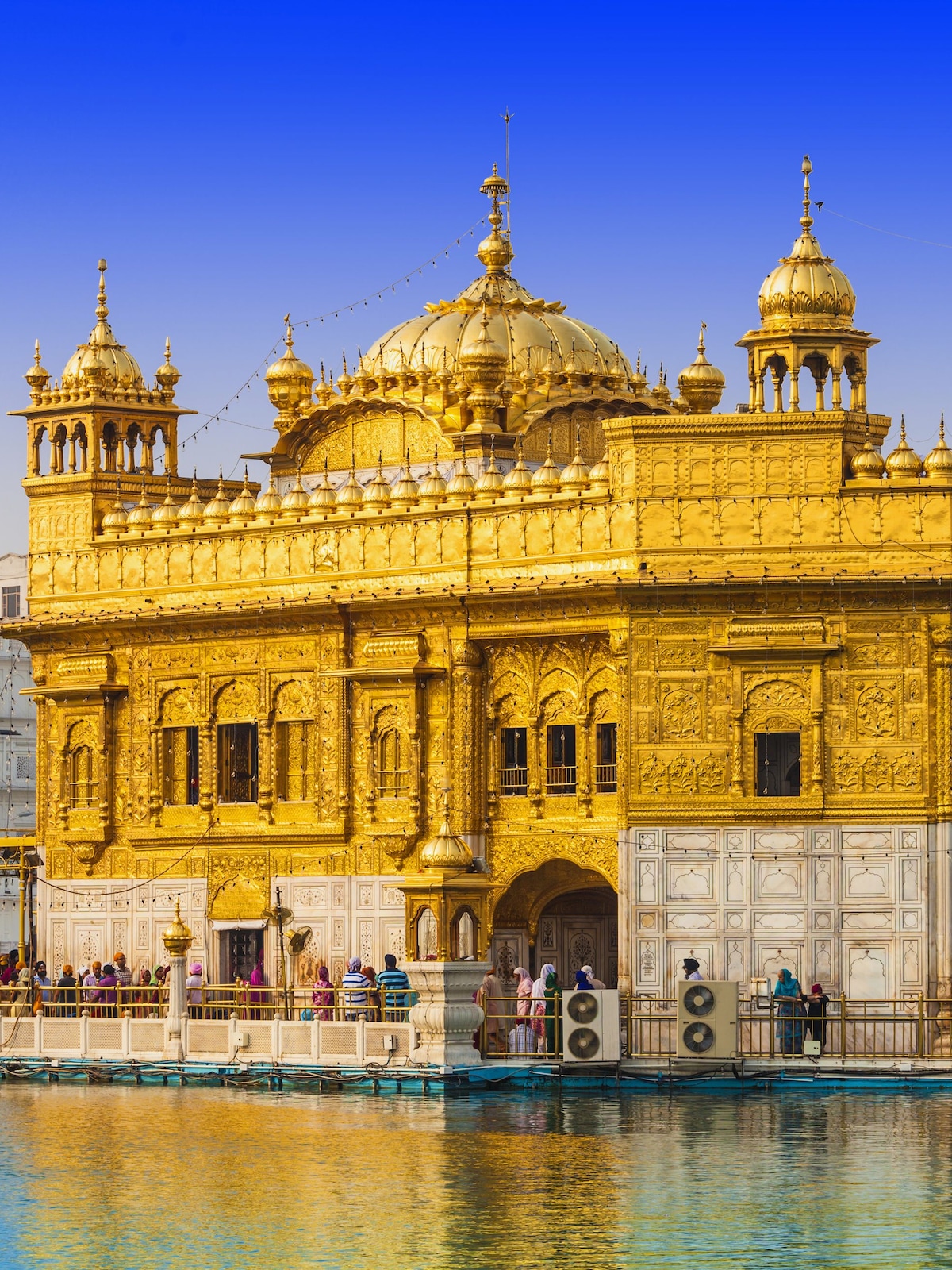
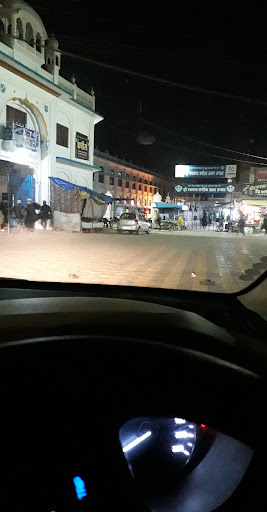
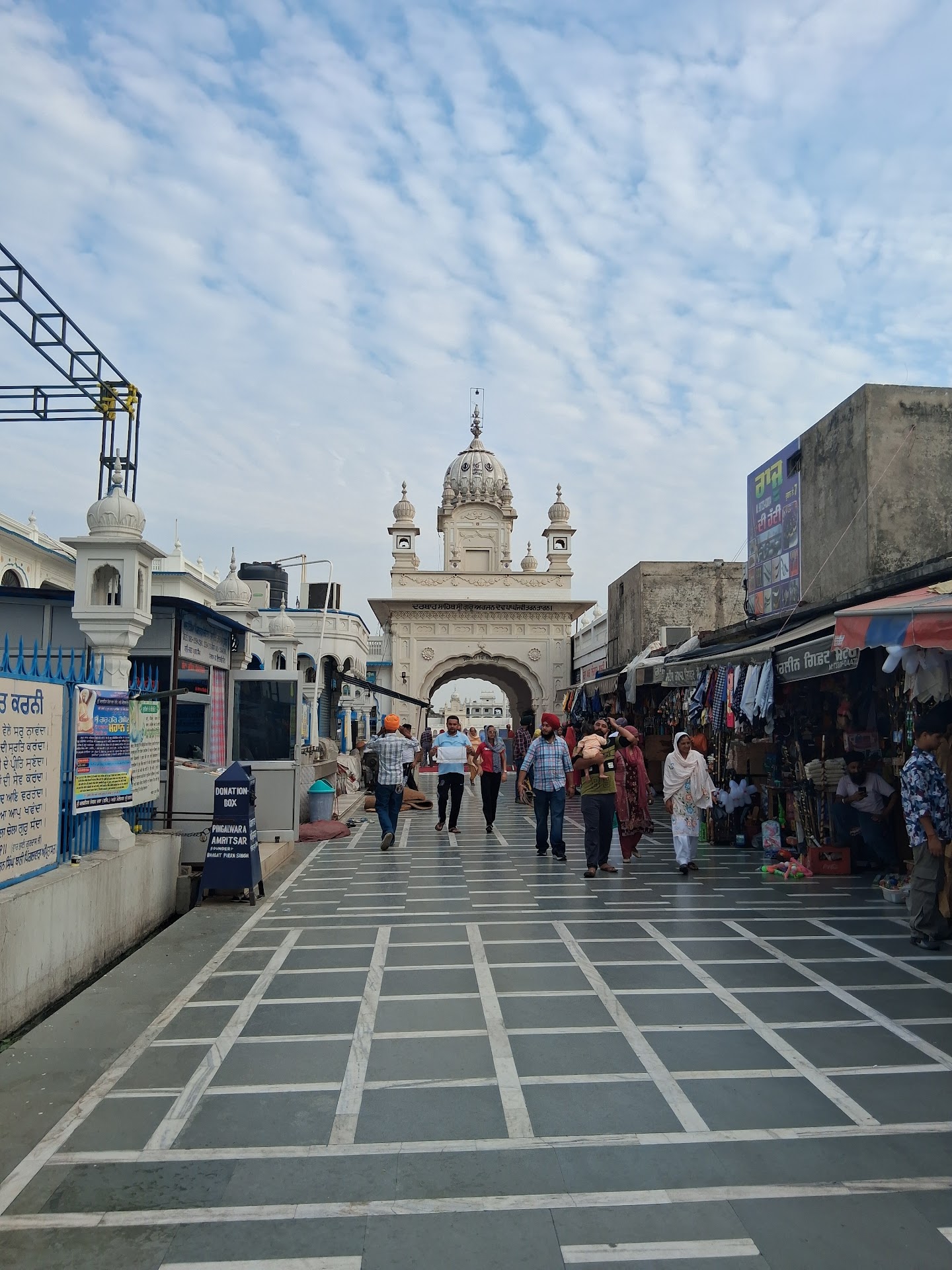
Gurdwara Darbar Sahib (Tarn Taran) is an elegant three storeyed structure at the southeastern corner of the sarovar. Approached through a double - storeyed arched gateway, it stands in the middle of a marble - floored platform. The upper portion of the edifice is covered with glittering gold plated sheets. The lotus dome, damaged in an earthquake (4 April 1905) and subsequently reconstructed has an ornamental gold pinnacle with an umbrella shaped gold finial. Exquisitely executed stucco work in intricate designs, inset with reflecting glass pieces, decorate the interior walls and the ceiling. The Guru Granth Sahib is seated on a platform under an elongated dome covered with goldplated metal sheets. This throne was an offering from Kanvar Nau Nihal Singh. A relay recital ofKirtan goes on from early morning till late in the evening.

Contents

[hide]

1Har Ki Pauri2The Sarovar3The Tower4Guru Ka Khuh5Also View6References

Har Ki Pauri

A flight of marbled steps behind the Darbar Sahibdescending into the sacred pool, marks the spot where, according to tradition, Guru Arjan made the first cut as the digging started in 1590. Pilgrims go down these steps to take Charanamrit or palmsful of holy water to sip.

The Sarovar


The largest Sarovar ever

One of the largest of the Sikh holy tanks, it is an approximate rectangle in shape. Its northern and southern sides are 289 metres and 283 metres, respectively, and eastern and western sides 230 metres and 233 metres, respectively. The sarovar was originally fed by rain water that flowed in from the surrounding lands. In 1833, Maharaja Raghubir Singh of Jmd had a water channel dug, connecting the tank with the Lower Kasur Branch of the Upper Ban Doab Canal at Rasulpur watermills, 5 km to the southeast. The channel was cemented and covered in 192728 by Sant Gurmukh Singh and Sant Sadhu Singh. They also supervised karseva , i.e. complete desilting of the tank through voluntary service, in 1931. The operation was repeated in 1970 under Sant Jivan Singh. Most of the bungas around the sarovar have now been demolished and a verandah constructed instead along the periphery. The name Tarn Taran, since appropriated by the town itself, originally belonged to the sarovar, so called by Guru Arjan. Literally it means, "the boat that takes one across (the ocean of existence)". (Tarana in Sanskrit is a raft or a boat). According to Sikh tradition, the water of the old pond was found to possess medicinal properties, especially efficacious for curing leprosy. For this reason the sarovar was known as Dukh Nivaran, the eradicator of affliction. AKAL BUNGA, a four storeyed building near the Nishan Sahib (Sikh flagpole), was constructed in 1841 by Kanvar Nau Nihal Singh. Maharaja Sher Singh provided the finishing touches. The Guru Granth Sahib, 'after a procession around the sarovar amid ^ chanting of hymns in the late evening, is, brought here for the night's rest. MANJi SAHIB, a small domed shrine in the eastern part of the circumambulatory pavement, marks the spot from where Guru Arjan supervised the excavation of the sarovar. A divan hall, a vast pavilion of reinforced concrete, has now been raised close to it.

The Tower

The only completed column of the four planned by Kanvar Nau Nihal Singh for the beautification of the sarovar at Tarn Taran, stands at the northeastern corner. The three storeyed tower, 34 metres high, was erected during the Kanvar's lifetime. The dome on top of it was added later.

Guru Ka Khuh

A well, constructed by Guru Arjan is 200 metres to the south of Darbar Sahib. During the digging of the tank and continuing up to the middle of the twentieth century, Guru ka Langar functioned near here. Guru Arjan used to relax in a hut near this well, for this reason it is sometimes called Mahji Sahib Guru ka Khuh. The old Manji Sahib was replaced by a hall in the early 1980's. A small monument nearby marks the site where the bodies of Bhai Hazara Singh and Bhai Hukam Singh, the first two to fall martyrs in the cause of Gurdwara reform,...

   Read more
avatar
5.0
9y

Tarn Taran sahib is founded by 5th Sikh Guru Shri Guru Arjan Dev Ji. He laid the foundation of Sri Darbar Sahib Tarn Taran due to which this city is established and recognised in whole world. It is famous as a center of the Sikh insurgency during the 1980s and early 1990s. During the Sikh insurgency, it was said that Tarn Taran would be the capital of "Khalistan", the proposed Sikh independent nation. In 1947, the year of the Partition of India, Tarn Taran was/is the only Tehsil/district in Punjab with a majority Sikh population. The main occupation in this area is agriculture and agroindustry with very few other industries. Tarn Taran district was formed a few years ago, the declaration to this effect was made by Captain Amarinder Singh, Ex-Chief Minister of Punjab during the celebrations marking the martyrdom day of Sri Guru Arjan Dev Ji. With this, it became the 19th district of Punjab. Now it has 3 tehsils i.e. Patti, Khadoor Sahib and Tarn Taran. With its District Headquarters headed by the Deputy Commissioner, a Senior Superintendent of Police, Additional District and Sessions Judge, Chief Judicial Magistrate, Civil Surgeon, district Education Officer (s), Improvement Trust and a Municipal Council. The City has inadequate health and fire brigade system. The City has one Civil Hospital and six private hospitals including a Guru Nanak Dev Charitable Hospital run by Kar Sewa.

Tarn Taran Sahib is situated near the Amritsar district. It sends one elected representative to the Lok Sabha (the Indian parliament), one member to the State Legislative Assembly and two members to Shiromani Gurdwara Parbhandhak Committee (SGPC) at Amritsar. It is the headquarters of Tarn Taran district. It is a municipal council with 19 wards. The district borders Doaba, Malwa Belt and Pakistan.

The holy city of Tarn Taran Sahib was founded and named as 'Tarn Taran' by the fifth master (guru) of Sikhs Sri Guru Arjan Dev Ji. The habitation was established after purchasing landed property of several nearby villages mainly Palasaur by Sri Guru Arjan Dev Ji. The city has many historical Gurudwaras which include Darbar Sahib Sri Guru Arjan Dev Ji, Gurdwara Guru Ka Khuh (Gurdwara of the Guru's Well), Gurdwara Bibi Bhani Da Khuh, Gurdwara Takkar Sahib, Gurdwara Lakeer Sahib, Gurrudwara Baba Garja Singh Baba Bota Singh, Gurdwara Jhulna Mahal, Thatti Khara. The main religious hub at Shri Tarn Taran Sahib is 'Sri Darbar Sahib Tarn Taran', of Sri Guru Arjan Dev Ji. The Gurdwara Sri Darbar Sahib Tarn Taran has the largest Sarovar (Holy Tank) in the World. The Shiromani Gurdwara Parbhandhak Committee (S.G.P.C.) manages the affairs of Gurdwara Tarn Taran. The Sikhs of Tarn Taran elect two members for the General House of the SGPC for five years term. It used to elect one member of Parliament and elects one Member of Punjab Legislative Assembly. Tarn Taran is one of the Districts of Punjab State bordering Pakistan. Gurudwara Lakeer Sahib is situated at the place where a line on the ground was marked by Baba Deep Singh Ji, before entering into war with mughals. Gurudwara Bibi Bhani da Khuh is situated near Sri Darbar Sahib Tarn Taran named after Bibi Bhani Ji the daughter of Guru Amar Das and the wife of Guru Ram Das and the mother of Guru Arjan Dev Ji. This religio-historic Khuh well was dug by Guru Arjan Dev Ji in memory of his mother at the place where Mata Bibi Bhani Ji used to serve food, water, and medicine to needy and visiting pilgrims. Locals and a sikh lawyer with help of Dera Kar Sewa Tarn Taran preserved the place and constructed a Gurudwara at this place. Gurdwara Bibi Bhani Da Khuh Management Committee (Regd.)manages the Gurudwara affairs since year 2006. Gurdwara Guru Ka Khuh is also situated in Tarn Taran City. This well belonged to Guru Arjan Dev Ji, a historic Gurdwara has been built at this place. Other Gurdwaras in the District of Tarn Taran are at Goindwal Sahib namely Gurdwara Baoli Sahib, at Khadoor Sahib, at Baba Buddha Sahib (Bir Sāhib) and those...

   Read more
avatar
3.0
7y

Holy place

Tarn Taran Sahib is a town in the Majha region of the state of Punjab, in northern India. It is the district headquarters and hosts the municipal council of Tarn Taran district.

History

Tarn Taran Sahib was founded by the Fifth Sikh Guru, Shri Guru Arjan Dev Ji (1563–1606). He laid the foundation of Sri Tarn Taran Sahib Temple. Tarn Taran Sahib was part of the Bhangi Sikh Dynasty ruled by a powerful Sikh family of the Dhillon Clan from 1716 to 1810.

In 1947, the year of the Partition of India and the Partition of Punjab, Tarn Taran was the only tehsil (district) in Punjab, along with Shiekhupura, Ludhiana, Jalandhar, Hoshiapur, Kapurthala, Patti, Amritsar, Lyallpur, and Patiala, with a majority Sikh population. The city was a center of the Sikh insurgencyduring the 1980s and early 1990s. Tarn Taran Sahib was suggested as the capital of Khalistan, the proposed Sikh independent nation. The main occupation in this area is agriculture and agroindustry, with very few other industries.

Tarn Taran district was formed in 2006. The declaration to this effect was made by Captain Amarinder Singh, Ex-Chief Minister of Punjab, during the celebrations marking the martyrdom day of Sri Guru Arjan Dev Ji. With this, it became the 19th district of Punjab.

Maharaja Ranjit Singh had the steps on the two sides of the sarovar, formerly left unfinished by Budh Singh and Jassa Singh Ahluwalia, completed and its circumambulatory passage paved. The Darbar Sahib was also reconstructed. Maharaja Ranjit Singh and his grandson, Kanvar Nau Nihal Singh, donated large quantities of gold to have the exterior plated with the metal, but the work made little progress in the troubled times that followed Ranjit Singh's death. It was in the last quarter of the nineteenth century that part of the exterior was covered with goldleaf by Sant Sham Singh, of Amritsar. Only one of the four towers planned by Kanvar Nau Nihal Singh for the four corners of the tank was erected during this time. Under Maharaja Ranjit Singh's orders, the town of Tarn Taran was enclosed by a wall. A few other shrines, such as the Mahji Sahib, the Akal Bunga and the Guru ka Khuh, were developed and several bungas added.

Tarn Taran and the British RajEdit

After the annexation of the Punjab to the British dominions, the management of the shrines at Tarn Taran, along with those at Amritsar, was entrusted to a sarbarah, or manager, appointed by the deputy commissioner of Amritsar. The role of the manager was, however, confined to general supervision, the priests being autonomous in the conduct of religious affairs. They divided the offerings among themselves and gradually appropriated most of the lands endowed to the Darbar Sahib during Sikh rule. They neglected their religious duties and cared little for the sanctity of the holy shrines and the sarovar. The traditional monthly congregation on every amavasya day, the last day of the dark half of the month, was reduced to a small carnival. Reforms introduced by the Singh Sabha, Tarn Taran, established in 1885, were disapproved and resisted by the clergy. Efforts of the Khalsa Diwan Majha and the Central Majha Khalsa Diwan to cleanse the administration met with only...

   Read more

Page 1 of 7
Previous
Next