Mughalsarai, located along the Grand Trunk Road, also called Sadak-e-Azam by Sher Shah Suri, was one of the corridors connecting North India with the east during the Mughal period. In past centuries, it has been variously known as Mughalchak, Mangalpur and Oven Nagar.[3] The township was named Mughalsarai when Indian railways established a junction here in 1883.
Mughalsarai is among one of the richest nagarpalikas in Uttar Pradesh and is called mini mahanagar.
Sadhana Singh is MLA (BJP), and Santosh Kharwar is the present chairman (BJP) of nagarpalika parishad Mughalsarai.
Lal Bahadur Shastri, India's second Prime Minister, was born in Mughalsarai.
LocationEdit
Mughalsarai is bisected by NH 19/GT Road in three parts. The northern part mainly consists of railway colonies like Vasant Vihar, New Central Colony, Diesel Colony, Haper Colony, Mahmoodpur, Shubhash Nagar, Loco Colony and Roza Colony, Plant-Depot Colony and Saresar, Alampur. It starts after the Parao Road in Varanasi and continues until Alinagar Road which comes after Railway Colony on the south. It also has a few mohallas near the railway station, like Qassab mohal, and gram panchayats like Amoghpur, Taranpur, Pashurampur, Dharamshala, Mainatali and Galla mandi. Colonies in other parts of town are Kailashpuri, Ravinagar, and Patel Nagarand Shubhash Nagar.
RailwaysEdit
The Mughalsarai Railway Station is the fourth busiest station in India, with about 125 passenger trains passing through the Mughalsarai Junction. Two important railway lines intersect at the junction. In 2018, Mughalsarai was renamed to Deendayal Upadhyay station by the government of...
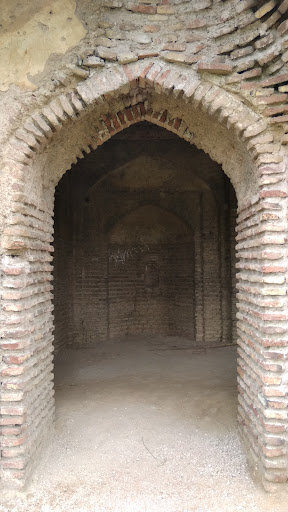
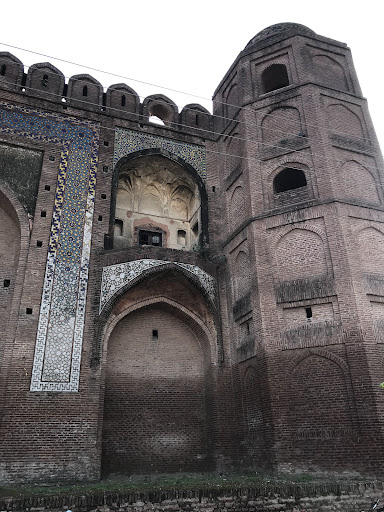
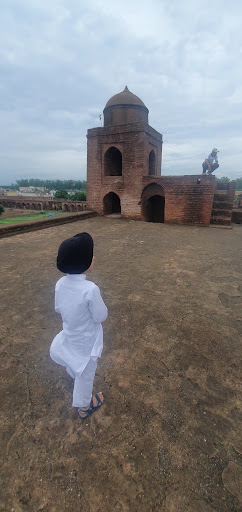
Read moreThe ancient fort of Mughal Sarai stands as a testament to the rich historical legacy of the Mughal empire. With its imposing architecture and intricate detailing, the fort offers a captivating journey into the past. As I explored the grounds, I was struck by the grandeur of the massive walls, adorned with ornate carvings that spoke of a bygone era's opulence and power.
The intricate maze of corridors and chambers within the fort whispered stories of valor and conquest, transporting me back to a time of majestic rulers and legendary battles. The sprawling courtyards and gardens, still displaying traces of their former splendor, lent an air of tranquility to the otherwise formidable structure.
However, while the fort's historical significance is undeniable, its current state of preservation leaves much to be desired. Certain areas appeared neglected, bearing the scars of time and weather. With improved conservation efforts and enhanced accessibility for visitors, the ancient fort of Mughal Sarai has the potential to become a premier destination for history enthusiasts and tourists seeking an immersive...
Read moreDoraha Serai was built as Mughal caravan serais for supporting Mughal caravans, by the Mughal ruler Jahangir. Once an example of fine Mughal architecture, this historical serai is in a dilapidated condition due to indifferent attitude of the government.
imposing gateways right in the middle, southern and northern sides. The southern gate is beautifully decorated with flora and fauna paintings while the northern gate has well crafted floral designs. Both, northern and southern gates are connected to the 'Kaccha Pathway'. There are about 20 rooms on northern and southern sides while there are 30 rooms on the eastern and western sides. Also, there is a magnificent suite of 3 rooms. There are some areas which might have been used as 'Hammam' or bathing area in eastern parts of the majestic fort. There are many rooms specially designed for light and ventilation of air. The rooms are usually provided with slanting...
Read more