Nurmahal Sarai, located in the town of Nurmahal in Punjab’s Jalandhar district, is a remarkable example of Mughal architecture and history. Built during the reign of Emperor Jahangir in the early 17th century, this historical inn was commissioned by Nur Jahan, the emperor's influential queen. It served as a royal rest house for travelers and caravans moving along the old Grand Trunk Road.
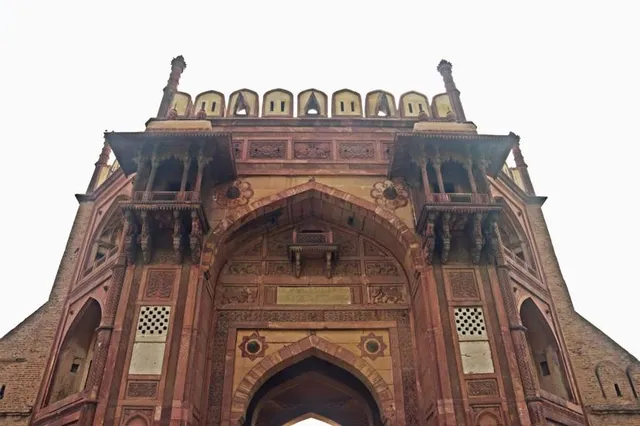
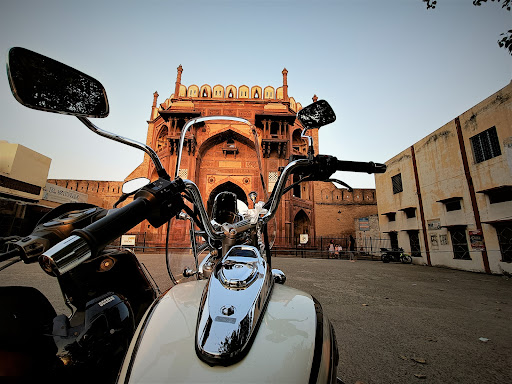
The architecture of the sarai reflects exquisite Mughal artistry, with intricate carvings, ornamental arches, and beautifully designed gateways. Its red sandstone structure is both grand and graceful, echoing the grandeur of the Mughal era. Though time has taken its toll on some parts of the building, efforts have been made for its conservation, and it remains a protected monument under the Archaeological Survey of India.
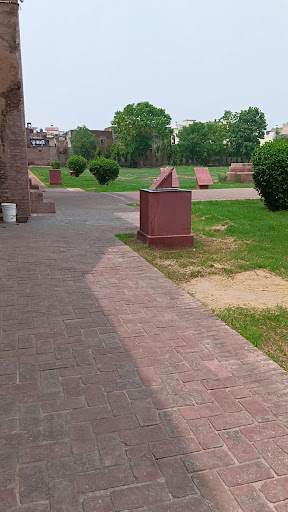
Visitors are often captivated by the peaceful ambiance and historic vibe of the sarai. It stands as a symbol of Punjab’s rich cultural past and offers an insightful glimpse into medieval travel infrastructure. The lush green surroundings and quiet location make it a great spot for heritage lovers and photography enthusiasts.
However, the site could benefit from better tourism facilities and maintenance to enhance visitor experience. Signage, guided tours, and basic amenities are minimal.
Overall, Nurmahal Sarai is a hidden gem that showcases the architectural brilliance and historical significance of Mughal times. It’s a must-visit for history buffs exploring Punjab’s lesser-known heritage sites, offering a peaceful yet powerful journey into India’s...
Read moreThe Serai Nurmahal is a historical caravanserai, or rest house, located in the town of Nurmahal, Jalandhar district, Punjab, India. It is a beautiful example of Mughal architecture and a major tourist destinations
Serai Nurmahal, Jalandhar
The serai was built by Mughal empress Nur Jahan, wife of emperor Jahangir, in the early 17th century. It was constructed on a major trade route between Lahore and Agra, and served as a resting place for weary travelers and merchants. The serai is a large quadrangle structure with 140 rooms, arranged around a central courtyard. The rooms are decorated with intricate carvings and paintings, and the courtyard is adorned with a beautiful garden.
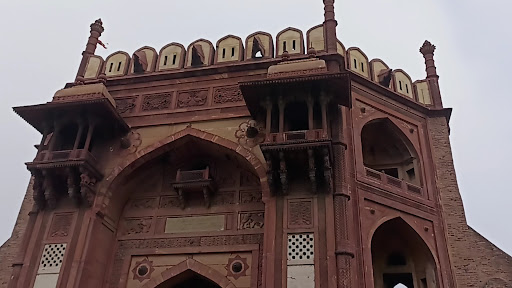
The serai is also notable for its impressive gateway, which is decorated with intricate floral and geometric patterns. The gateway is flanked by two octagonal towers, and the entire structure is made of red sandstone.
Today, the Serai Nurmahal is a popular tourist destination and is well-maintained by the Archaeological Survey of India. Visitors can explore the rooms and courtyard, and learn about the history of the serai and its role in Mughal India.
Here are some additional details about the Serai Nurmahal:
Location: Nurmahal, Jalandhar district, Punjab, India
Built: Early 17th century
Builder: Mughal empress Nur Jahan
Style: Mughal architecture
Features: 140 rooms, central courtyard, garden, gateway, octagonal towers
Current status: Popular tourist destination, maintained by the Archaeological...
Read moreThe sarai is remarkable specimen of oriental architecture. The serai is maintained as a protected monument by the Archaeological Department. This closed quadrangle consists of one hundred forty cells on all over the four sides, two gateway placed in the central of the eastern and western wings. and double storeyed pavilions in the centre of the northern and southern wings, two storied octagonal tower having three cells on the basement at the corners; a well and a mosque with in the quadrangle. of the two gateways, the eastern on is simple while the western one is ornamented. The gateway comprising guard rooms on either side of a central passage and projecting out has casing of red sandstone. The sliced outer angles are relieved with arch recesses placed one over other. The whole facade is divided in to panels, ornamented with sculptures in bas-relief and foliated scroll work with birds sitting in branches. The arched opening of the entrance is encased with in a bigger arch and its spandrels being decorated with lotus medalions. on either side of the spandrels are placed projecting domed balconies supported on four pillars topped with carved brackets. The space in between the pillars is closed with low stone railings showing fine pierced tracery work. To the corner of the gates are added guldastas which rise above the battelments of the tarrace. (Notification no. 4687 dated 18.02.1919 Archaeological Survey of India,...
Read more