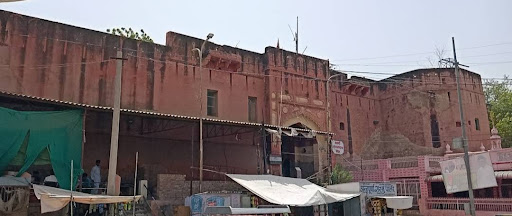
What did the king do in ancient times to protect his kingdom or fort? Even they did not understand the value of gold, silver, diamonds and jewels. Today I am going to tell you about such a historical fort, which is immortal in history, because the incident that happened there has neither happened anywhere else in the world nor will it ever happen. Because of this incident, the name of the fort has been written in golden letters in world history.
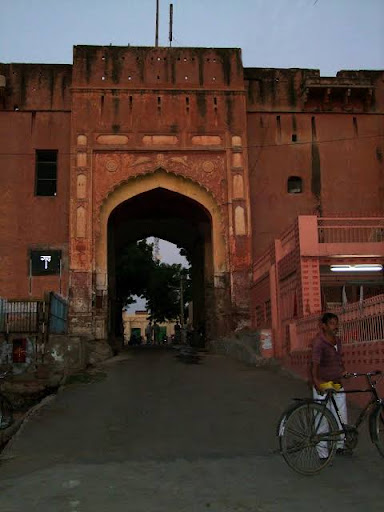
It is known as 'Churu Fort'. It is located in Churu district of Rajasthan. This fort was built by Thakur Kushal Singh in the year 1694. The motive behind this was to provide security to the people of the state along with self-defense.
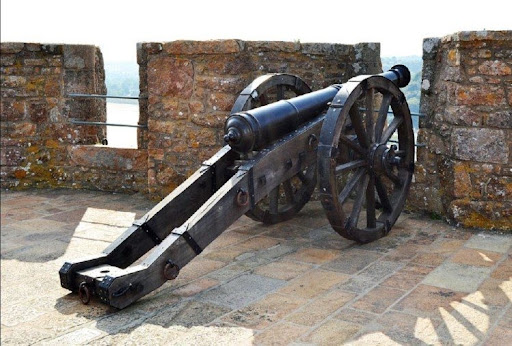
This fort is the only fort in the world, where silver shells were fired at the enemies by cannon when the ammunition ran out during the war. This was a very surprising event in history, which happened in the year 1814. At that time this fort was ruled by Thakur Shivji Singh, a descendant of Thakur Kushal Singh.
According to historians, there were 200 infantry and 200 cavalry soldiers in the army of Thakur Shivji Singh, but during the war the number of the army suddenly increased, because the people living here were ready to do anything for their king and that's why He used to fight the enemies like a soldier. Not only this, he used to spend his wealth and wealth to protect his king and kingdom.
The year 1814 was the month of August. Raja Surat Singh of the princely state of Bikaner attacked the Churu fort with his army. Here, Thakur Shivji Singh also fought him with his army, but his ammunition ran out within a few days. Now the king became worried, but his subjects supported him a lot and to protect the state, he sacrificed all his gold and silver on the king, after which Thakur Shivji Singh ordered his soldiers to fire silver shells from the cannon on the enemies. Go. Its effect was that the enemy army conceded defeat and fled from there. This event is immortalized in the...
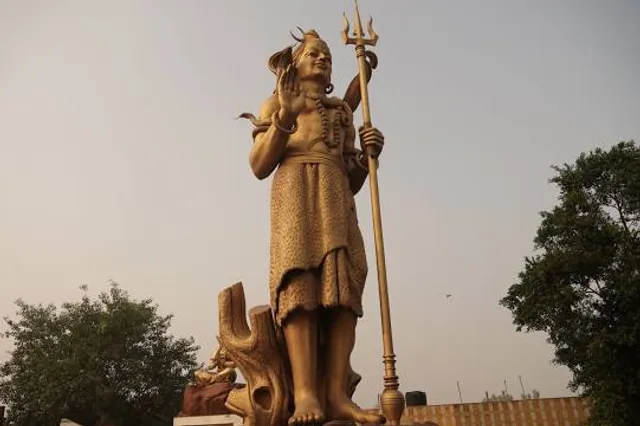
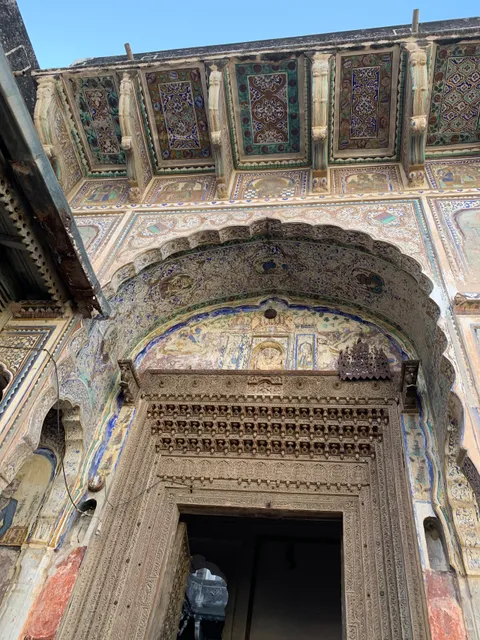
Read moreChuru is a city in the desert region of Rajasthan state of India. It is known as gateway to the Thar Desert of Rajasthan. It is the administrative headquarters of Churu District. It lies in the Thar Desert on the National Highway-65 connecting Pali to Ambala and is a junction station on the railway line to Bikaner. It is near the shifting sand dunes of the Thar Desert and has grand havelis with marvelous fresco paintings, namely Kanhaiya lal Bagla ki Haweli and Surana Haweli, with hundreds of small windows. It also has some fine Chhatris. Near the town is a religious seat of the Nath sect of Sadhus where there are life-size marble statued of their deities and a place for prayers. There stands a Dharam Stup, a symbol of religious equality. At the centre of the town is a fort built about 400 years ago.
Churu Fort – Katur efficient Singh in 1739 AD. It was built. Gopinath temple in the fort is installed. (Churu Fort) in this fortress war (invasion) when finished Barud enemies ammunition shells on silver were. Churu was built by the Jat Kaler Chuhru name. And they settled in the place where he is still known as Calera bass. Churu has some good memorial domes, mostly raised to rich merchants, north of the town. Historically the most significant is 'Aath Kambh Chhatri' (Eight Pillar Dome) west of the vegetable market. Built in 1776 on a Rajput's cremation site. Its base has been virtually buried by windblown sand. The interior is covered with murals, one detail depicting an early European mercenary on foot, bearing a musket. Further north are chhatris of the Mantri , Bagla and Lohia...
Read moreChuru is a city in the desert region of Rajasthan state of India. It is known as the gateway to the Thar Desert of Rajasthan. It is the administrative headquarter of Churu District. It lies in the Thar Desert[clarification needed] on the National Highway-65 connecting Pali to Ambala and is a junction station on the railway line to Bikaner. It is near the shifting sand dunes of the Thar Desert and has grand havelis with marvelous fresco paintings, namely Kanhaiya Lal Bagla Ki Haweli and Surana Haweli, with hundreds of small windows. It also has some fine Chhatris. Near the town is a religious seat of the Nath sect of Sadhus where there are life-size marble statues of their deities and a place for prayers. At the center of the town is a fort built about 500...
Read more