HTML SitemapExplore
logo
Find Things to DoFind The Best Restaurants

Delwara Temple — Attraction in Rajasthan

Name
Delwara Temple
Description
The Dilwara Temples or Delvada Temples are a group of Śvētāmbara Jain temples located about 2+1⁄2 kilometres from the Mount Abu settlement in Sirohi District, Rajasthan's only hill station. The earliest were built by Bhima I and supposedly designed or at least financed by Vastupala, Jain minister of Dholka.
Nearby attractions
Kunwari Kanya Temple
jain temple, near, Delwara, Mount Abu, Rajasthan 307501, India
Nearby restaurants
Nearby hotels
Arbudanchal View Homestay
Vijay Niwas, Delwara, Mount Abu, Rajasthan 307501, India
Padmavati Hotel
JP5F+9PJ, opp. Delwada Jain Temple Delwada, Delwara, Mount Abu, Rajasthan 307501, India
Mount Abu Adventures - Camping & Trekking @ 999
jain temples parking, Dalpat singh rathore c/o Hemant singh Pandav gufa , Via kunwari kanya temple, near Dilwara Road, Mount Abu, Rajasthan 307501, India
Hotel Golden Berry
Dilwara Temple, Dilwara Rd, near Aanganwadi school, Mount Abu, Rajasthan 307501, India
The Retreat Villa
53, New Delwara, Delwara, Mount Abu, Rajasthan 307501, India
On The Rocks, Bungalow in Mount Abu
Gurukul Road, Delwara, Mount Abu, Rajasthan 307501, India
Green hill Home stay In Delwara Mount Abu
JP5G+9XJ, jain temple gurukul road, near delwara, Delwara, Mount Abu, Rajasthan 307501, India
Silverkey Homestay
53, New Delwara, Delwara, Mount Abu, Rajasthan 307501, India
Palace Hotel (Bikaner House)
Delwara Road, Mount Abu, Rajasthan 307501, India
Alpine luxury Swiss tent
Delwara, Mount Abu, Rajasthan 307501, India
Related posts
Keywords
Delwara Temple tourism.Delwara Temple hotels.Delwara Temple bed and breakfast. flights to Delwara Temple.Delwara Temple attractions.Delwara Temple restaurants.Delwara Temple travel.Delwara Temple travel guide.Delwara Temple travel blog.Delwara Temple pictures.Delwara Temple photos.Delwara Temple travel tips.Delwara Temple maps.Delwara Temple things to do.
Delwara Temple things to do, attractions, restaurants, events info and trip planning
Delwara Temple
IndiaRajasthanDelwara Temple

Basic Info

Delwara Temple

Delwada, Delwara, Mount Abu, Rajasthan 307501, India
4.6(2.6K)
Open until 5:00 PM
Save
spot

Ratings & Description

Info

The Dilwara Temples or Delvada Temples are a group of Śvētāmbara Jain temples located about 2+1⁄2 kilometres from the Mount Abu settlement in Sirohi District, Rajasthan's only hill station. The earliest were built by Bhima I and supposedly designed or at least financed by Vastupala, Jain minister of Dholka.

Cultural
Family friendly
attractions: Kunwari Kanya Temple, restaurants:
logoLearn more insights from Wanderboat AI.
Phone
+91 88750 18311
Website
kppedhi.org
Open hoursSee all hours
Mon11 AM - 5 PMOpen

Plan your stay

hotel
Pet-friendly Hotels in Rajasthan
Find a cozy hotel nearby and make it a full experience.
hotel
Affordable Hotels in Rajasthan
Find a cozy hotel nearby and make it a full experience.
hotel
The Coolest Hotels You Haven't Heard Of (Yet)
Find a cozy hotel nearby and make it a full experience.
hotel
Trending Stays Worth the Hype in Rajasthan
Find a cozy hotel nearby and make it a full experience.

Reviews

Nearby attractions of Delwara Temple

Kunwari Kanya Temple

Kunwari Kanya Temple

Kunwari Kanya Temple

4.7

(11)

Open 24 hours
Click for details
Get the Appoverlay
Get the AppOne tap to find yournext favorite spots!
Wanderboat LogoWanderboat

Your everyday Al companion for getaway ideas

CompanyAbout Us
InformationAI Trip PlannerSitemap
SocialXInstagramTiktokLinkedin
LegalTerms of ServicePrivacy Policy

Get the app

© 2025 Wanderboat. All rights reserved.
logo

Posts

Ravi PandeyRavi Pandey
The Dilwara Temples or Delvada Temples are a group of Jain temples located about ​2.5 kilometres from the Mount Abu settlement, Rajasthan's only hill station. The earliest were built by Vimal Shah and supposedly designed or at least financed by Vastupala, Jain minister of Dholka. They date between the 11th and 16th centuries, forming some of the most famous monuments in the style of Māru-Gurjara architecture, famous for their use of a very pure white marble and intricate marble carvings. They are a pilgrimage place for Jains, and a significant general tourist attraction. Although Jains built many temples at other places in Rajasthan, the Dilwara temples are believed to be the most impressive. The five Dilwara Temples are among the most famous Jain temples. The Vimal Vasahi is much the earliest, constructed by 1031, with the Luna Vasahi by 1230, and the others at intervals between 1459 and 1582. All are in a very white marble that adds greatly to their effect, and remain in use. The oldest and largest two have large amounts of intricate carving even by the standards of the style, reaching a peak in the Luna Vasahi temple. The main buildings of the first three named are surrounded by "cloister" screens of devakulikā shrines, and are fairly plain on the outer walls of these; in the case of the Vimal Vasahi this screen was a later addition, around the time of the second temple. These three have an axis from the sanctuary through a closed, then an open mandapa to an open rangamandapa, or larger hall for dance or drama. Surrounding the main temple with a curtain of shrines was to become a distinctive feature of the Jain temples of West India, still employed in some modern temples. The temple complex is in the midst of a range of forested hills. There are five temples in all, each with its own unique identity.[11] All the five temples are enclosed within a single high walled compound. The group is named after the small village of Dilwara or Delvara in which they are located. The five temples are: Vimal Vasahi, dedicated to the first Jain Tirthankara, Shri Adinatha Luna Vasahi, dedicated to the 22nd Jain Tirthankara, Shri Neminatha. Pittalhar, dedicated to the first Jain Tirthankar, Shri Adinatha. Parshvanath, dedicated to the 23rd Jain Tirthankara, Shri Parshvanatha. Mahavir Swami, dedicated to the last Jain Tirthankara, Shri Mahaviraswami.
Piyush KabraPiyush Kabra
The Dilwara Temples are a group of Śvētāmbara Jain temples about 3 kilometres from the Mount Abu in Sirohi District, Rajasthan. The earliest temples were built by Bhima-1 They are famous for very pure white marble and intricate marble carvings. Temples are managed by Seth Shri Kalyanji Anandji Pedhi, Sirohi. The main buildings of first three are surrounded by "cloister" screens of devakulikā shrines, and are fairly plain on the outer walls. The ornamental detail spreading over the minutely carved ceilings, doorways, pillars, and panels is remarkable. The five temples are: 1. Vimal Vasahi, dedicated to the 1st Jain Tirthankara, Shri Adinatha. 2. Luna Vasahi, dedicated to the 22nd Jain Tirthankara, Shri Shri Neminatha. 3. Pittalhar temple, dedicated to the 1st Jain Tirthankar, Shri Adinatha. 4. Parshvanath temple, dedicated to the 23rd Jain Tirthankara, Shri Parshvanatha. 5. Mahavir Swami temple, dedicated to the 24th Jain Tirthankara, Shri Mahavir Swami.
Naresh SolankiNaresh Solanki
भाषा PDF डाउनलोड करें ध्यान रखें संपादित करें दिलवाड़ा मंदिर या देलवाडा मंदिर, पाँच मंदिरों का एक समूह है। ये राजस्थान के सिरोही जिले के माउंट आबू नगर में स्थित हैं। इन मंदिरों का निर्माण ग्यारहवीं और तेरहवीं शताब्दी के बीच हुआ था।[1][2] यह शानदार मंदिर जैन धर्म के र्तीथकरों को समर्पित हैं। दिलवाड़ा के मंदिरों में 'विमलशाही मंदिर' प्रथम र्तीथकर को समर्पित सर्वाधिक प्राचीन है जो 1031 ई. में बना था। बाईसवें र्तीथकर नेमीनाथ को समर्पित 'लुन वासाही मंदिर' भी काफी लोकप्रिय है। यह मंदिर 1231 ई. में वास्तुपाल और तेजपाल नामक दो भाईयों द्वारा बनवाया गया था। दिलवाड़ा जैन मंदिर परिसर में पांचवा मंदिर संगमरमर का है। मंदिरों के लगभग 48 स्तम्भों में नृत्यांगनाओं की आकृतियां बनी हुई हैं। दिलवाड़ा के मंदिर और मूर्तियां मंदिर निर्माण कला का उत्तम उदाहरण हैं। दिलवाड़ा मंदिर देलवाड़ा मंदिर का इतिहास इन मंदिरों का निर्माण ग्यारहवीं और तेरहवीं शताब्दी के दौरान राजा वास्तुपाल तथा तेजपाल नामक दो भाइयों ने करवाया था। दिलवाड़ा के मंदिरों में ‘विमलशाही मंदिर’ प्रथम र्तीथकर को समर्पित सर्वाधिक प्राचीन है जो 1031 ई. में बना था। बाईसवें र्तीथकर नेमीनाथ को समर्पित ‘लुन वासाही मंदिर’ भी काफी लोकप्रिय है। इन मंदिरों की अद्भुत कारीगरी देखने योग्य है। अपने ऐतिहासिक महत्व एवं संगमरमर पत्थरों पर बारीक़ नक्काशी की जादूगरी के लिए पहचाने जाने वाले राज्य के सिरोही जिले के इन विश्वविख्यात मंदिरों में शिल्प-सौन्दर्य का ऐसा बेजोड़ खजाना है जिसे दुनिया में और कहीं नहीं देखा जा सकता। इस मंदिर में आदिनाथ की मूर्ति की आंखें असली हीरे की बनी है तथा इनके गले में बहुमूल्य रत्नों का हार है। इन मंदिरों में तीर्थंकर के साथ साथ हिंदू देवी देवताओं की प्रतिमाएं भी स्थापित की गई हैं। मंदिरों का एक उत्कृष्ट प्रवेश द्वार है। यहां वास्तुकला की सादगी है जो जैन मूल्यों जैसे ईमानदारी और मितव्ययिता को दर्शाती है।
See more posts
See more posts
hotel
Find your stay

Pet-friendly Hotels in Rajasthan

Find a cozy hotel nearby and make it a full experience.

The Dilwara Temples or Delvada Temples are a group of Jain temples located about ​2.5 kilometres from the Mount Abu settlement, Rajasthan's only hill station. The earliest were built by Vimal Shah and supposedly designed or at least financed by Vastupala, Jain minister of Dholka. They date between the 11th and 16th centuries, forming some of the most famous monuments in the style of Māru-Gurjara architecture, famous for their use of a very pure white marble and intricate marble carvings. They are a pilgrimage place for Jains, and a significant general tourist attraction. Although Jains built many temples at other places in Rajasthan, the Dilwara temples are believed to be the most impressive. The five Dilwara Temples are among the most famous Jain temples. The Vimal Vasahi is much the earliest, constructed by 1031, with the Luna Vasahi by 1230, and the others at intervals between 1459 and 1582. All are in a very white marble that adds greatly to their effect, and remain in use. The oldest and largest two have large amounts of intricate carving even by the standards of the style, reaching a peak in the Luna Vasahi temple. The main buildings of the first three named are surrounded by "cloister" screens of devakulikā shrines, and are fairly plain on the outer walls of these; in the case of the Vimal Vasahi this screen was a later addition, around the time of the second temple. These three have an axis from the sanctuary through a closed, then an open mandapa to an open rangamandapa, or larger hall for dance or drama. Surrounding the main temple with a curtain of shrines was to become a distinctive feature of the Jain temples of West India, still employed in some modern temples. The temple complex is in the midst of a range of forested hills. There are five temples in all, each with its own unique identity.[11] All the five temples are enclosed within a single high walled compound. The group is named after the small village of Dilwara or Delvara in which they are located. The five temples are: Vimal Vasahi, dedicated to the first Jain Tirthankara, Shri Adinatha Luna Vasahi, dedicated to the 22nd Jain Tirthankara, Shri Neminatha. Pittalhar, dedicated to the first Jain Tirthankar, Shri Adinatha. Parshvanath, dedicated to the 23rd Jain Tirthankara, Shri Parshvanatha. Mahavir Swami, dedicated to the last Jain Tirthankara, Shri Mahaviraswami.
Ravi Pandey

Ravi Pandey

hotel
Find your stay

Affordable Hotels in Rajasthan

Find a cozy hotel nearby and make it a full experience.

Get the Appoverlay
Get the AppOne tap to find yournext favorite spots!
The Dilwara Temples are a group of Śvētāmbara Jain temples about 3 kilometres from the Mount Abu in Sirohi District, Rajasthan. The earliest temples were built by Bhima-1 They are famous for very pure white marble and intricate marble carvings. Temples are managed by Seth Shri Kalyanji Anandji Pedhi, Sirohi. The main buildings of first three are surrounded by "cloister" screens of devakulikā shrines, and are fairly plain on the outer walls. The ornamental detail spreading over the minutely carved ceilings, doorways, pillars, and panels is remarkable. The five temples are: 1. Vimal Vasahi, dedicated to the 1st Jain Tirthankara, Shri Adinatha. 2. Luna Vasahi, dedicated to the 22nd Jain Tirthankara, Shri Shri Neminatha. 3. Pittalhar temple, dedicated to the 1st Jain Tirthankar, Shri Adinatha. 4. Parshvanath temple, dedicated to the 23rd Jain Tirthankara, Shri Parshvanatha. 5. Mahavir Swami temple, dedicated to the 24th Jain Tirthankara, Shri Mahavir Swami.
Piyush Kabra

Piyush Kabra

hotel
Find your stay

The Coolest Hotels You Haven't Heard Of (Yet)

Find a cozy hotel nearby and make it a full experience.

hotel
Find your stay

Trending Stays Worth the Hype in Rajasthan

Find a cozy hotel nearby and make it a full experience.

भाषा PDF डाउनलोड करें ध्यान रखें संपादित करें दिलवाड़ा मंदिर या देलवाडा मंदिर, पाँच मंदिरों का एक समूह है। ये राजस्थान के सिरोही जिले के माउंट आबू नगर में स्थित हैं। इन मंदिरों का निर्माण ग्यारहवीं और तेरहवीं शताब्दी के बीच हुआ था।[1][2] यह शानदार मंदिर जैन धर्म के र्तीथकरों को समर्पित हैं। दिलवाड़ा के मंदिरों में 'विमलशाही मंदिर' प्रथम र्तीथकर को समर्पित सर्वाधिक प्राचीन है जो 1031 ई. में बना था। बाईसवें र्तीथकर नेमीनाथ को समर्पित 'लुन वासाही मंदिर' भी काफी लोकप्रिय है। यह मंदिर 1231 ई. में वास्तुपाल और तेजपाल नामक दो भाईयों द्वारा बनवाया गया था। दिलवाड़ा जैन मंदिर परिसर में पांचवा मंदिर संगमरमर का है। मंदिरों के लगभग 48 स्तम्भों में नृत्यांगनाओं की आकृतियां बनी हुई हैं। दिलवाड़ा के मंदिर और मूर्तियां मंदिर निर्माण कला का उत्तम उदाहरण हैं। दिलवाड़ा मंदिर देलवाड़ा मंदिर का इतिहास इन मंदिरों का निर्माण ग्यारहवीं और तेरहवीं शताब्दी के दौरान राजा वास्तुपाल तथा तेजपाल नामक दो भाइयों ने करवाया था। दिलवाड़ा के मंदिरों में ‘विमलशाही मंदिर’ प्रथम र्तीथकर को समर्पित सर्वाधिक प्राचीन है जो 1031 ई. में बना था। बाईसवें र्तीथकर नेमीनाथ को समर्पित ‘लुन वासाही मंदिर’ भी काफी लोकप्रिय है। इन मंदिरों की अद्भुत कारीगरी देखने योग्य है। अपने ऐतिहासिक महत्व एवं संगमरमर पत्थरों पर बारीक़ नक्काशी की जादूगरी के लिए पहचाने जाने वाले राज्य के सिरोही जिले के इन विश्वविख्यात मंदिरों में शिल्प-सौन्दर्य का ऐसा बेजोड़ खजाना है जिसे दुनिया में और कहीं नहीं देखा जा सकता। इस मंदिर में आदिनाथ की मूर्ति की आंखें असली हीरे की बनी है तथा इनके गले में बहुमूल्य रत्नों का हार है। इन मंदिरों में तीर्थंकर के साथ साथ हिंदू देवी देवताओं की प्रतिमाएं भी स्थापित की गई हैं। मंदिरों का एक उत्कृष्ट प्रवेश द्वार है। यहां वास्तुकला की सादगी है जो जैन मूल्यों जैसे ईमानदारी और मितव्ययिता को दर्शाती है।
Naresh Solanki

Naresh Solanki

See more posts
See more posts

Reviews of Delwara Temple

4.6
(2,557)
avatar
5.0
1y

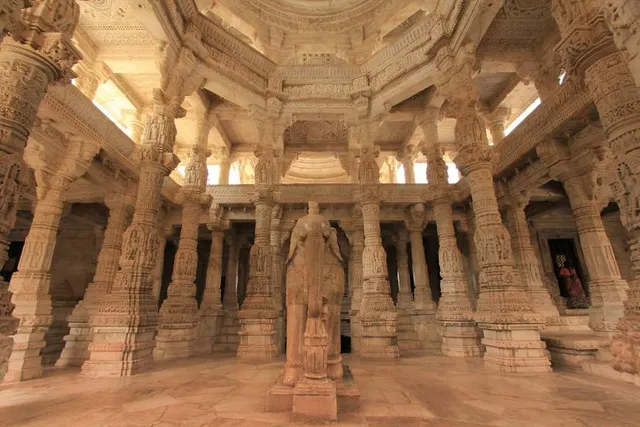
Dilwara Jain Temples is one of the finest Jain temple known world over for its extraordinary architecture and marvelous marble stone carvings, some experts also consider it architecturally superior to the Taj Mahal. It seems fairly basic temple from outside but every cloud has a silver lining, the temple interior showcases the extraordinary work of human craftsmanship at its best. These temples were built between 11th to 13th century AD, The beautiful lush green hills surrounding the temple gives a very pleasant feeling. The ornamental details of marble stone carvings is phenomenal and unmatched, The minutely carved ceilings and the pillars are just amazing. All this was done at a time when no transport or roads were available at a height of 1200+ Mtrs in Mount Abu, Huge blocks of marble stones were transported on elephant backs from the Arasoori Hills at Ambaji to this remote hilly region of Mount Abu. Dilwara temples is also a popular Jain pilgrimage attraction.

Dilwara Temple complex consist of five major sections or temples devoted to five jain trithankaras(saints):

Shri Mahaveer Swami Temple - This temple was constructed in 1582 and is devoted to Lord Mahaveer the 24th Tirthankara of Jain's, this temple is relatively small the temple's upper walls have pictures of the porch painted by craftsmen of sirohi in year 1764.

Shri AdiNath Temple or Vimal Vasahi Temple - This temple is build by Vimal Shah, Minister of Solanika ruler of Gujarat in 1031 A.D., this temple is the oldest of all and dedicated to Shri Adinath Ji - The first jain trithankar, the temple has an open courtyard surrounded by corridors all beautifully decorated with marble carved stones. Cells inside this temple are contain tiny images of Jain saints artistically carved on marble stone minutely. The internal dome is aesthetically decorated with design's of flowers and petals, the huge hall of the temple pillars decorated with the carving work of female figures playing musical instruments. The temple also have the "Guda Mandapa" - A simple hall decorated with the images of Shri Adi Nath.

Shri ParshavNath Temple or Khartar Vasahi Temple - This temple was built by Mandika clan between 1458-59 A.D., this temple has the tallest shrine  along with four big Mandapa's amongst all dilwara temples. The carving on the pillars of this temple is yet another example of these jain temples architectural superiority.

Shri Rishabdaoji Temple or Peethalhar Temple - This temple is known as Pittalhari/Peethalhar temple because in this temple most of the statues are built using ‘Pittal’ (Brass Metal). This temple was built by Bhima Shah, a minister from Gujarat dynasty, like other temples of Dilwara this temple is also having Gudu Mandapa and Navchowki.

Shri NemiNathJi Temple or Luna Vasahi Temple - This temple was built in 1230 A.D. by two brothers known as Tejpal and Vastupal, they dedicated this temple to the 22nd saint of Jainism - Shri Nemi Nathji. This temple has one hall named Rag Mandapa which has three hundred and sixty (360) tiny idols of Jain trithankar all minutely crafted on marble proving once again why these jain marble temples of Dilwara are superior to Taj Mahal, Among all these white marble idols the idol of Shri Neminath Ji is made up of black marble.The pillars of this temple were built by Maharana Kumbha of Mewar.

The Dilwara Jain Temples are open from 12 P.M. to 5 P.M. for...

   Read more
avatar
5.0
1y

The Dilwara Temples in Mount Abu, Rajasthan, are celebrated for their stunning marble architecture and intricate carvings, representing some of the finest examples of Jain temple art in India. Constructed between the 11th and 13th centuries, these temples are a testament to the craftsmanship and devotion of the Jain community. The complex comprises five temples: Vimal Vasahi, Luna Vasahi, Pittalhar, Parshvanath, and Mahavir Swami, each dedicated to different Jain Tirthankaras (spiritual teachers).

Vimal Vasahi Temple Dedicated to the first Tirthankara, Lord Adinath, this temple is the oldest and most renowned. Constructed in 1031 AD by Vimal Shah, it took 14 years to complete, utilizing 1,500 artisans and 1,200 laborers. The temple features intricate carvings on ceilings, doorways, and pillars, depicting flowers, lotuses, and mythological scenes. The central hall, Gudh Mandap, houses the idol of Lord Adinath and is surrounded by a corridor with smaller Tirthankara statues.

Luna Vasahi Temple Built in 1230 AD by brothers Vastupal and Tejpal, this temple is dedicated to Lord Neminath, the 22nd Tirthankara. Known for its elaborately carved Rang Mandap and the Kirthi Stambha pillar, the temple features 360 miniature idols of Jain monks and 72 figures of Tirthankaras in the central hall. The Hathishala, or elephant hall, with ten marble elephants, adds to the temple’s grandeur.

Pittalhar Temple Constructed by Bhima Shah, this temple is dedicated to Lord Rishabhdeo. It houses a massive brass statue of the Tirthankara and features a main shrine, a Gudh Mandap, and a Navchowki. The extensive use of brass (Pital) gives the temple its name.

Parshvanath Temple Built in 1459 AD by Mandlik, this three-storeyed temple is dedicated to Lord Parshvanath, the 23rd Tirthankara. The temple is notable for its tall structure, intricate carvings on grey sandstone, and four large halls.

Mahavir Swami Temple Dedicated to Lord Mahavira, the 24th Tirthankara, this relatively small temple was built in 1582 AD. It features beautiful paintings by the craftsmen of Sirohi, enhancing its artistic appeal.

The temples are situated amidst forested hills, offering a serene and spiritual ambiance. Visitors are often struck by the purity of the white marble and the detailed artistry of the carvings. The temples follow strict guidelines for visitors: no cameras or mobile phones are allowed inside, and modest clothing is required. Guides are available on-site to provide insights into the temples' history and architecture.

The preservation of the Dilwara Temples is essential due to their historical and architectural significance. Regular maintenance and restoration work are carried out to protect the intricate marble carvings from natural degradation and pollution. These efforts ensure that the temples remain a source of cultural pride and spiritual inspiration for future generations.

The Dilwara Temples are not only a marvel of Jain art and architecture but also a spiritual haven, attracting devotees and tourists alike with their timeless beauty and...

   Read more

avatar
5.0
2y

The Dilwara Temples are a group of Jain temples located in the town of Mount Abu in the state of Rajasthan, India. These temples are renowned for their exquisite marble carvings and intricate craftsmanship, making them one of the most beautiful and architecturally significant Jain pilgrimage sites in the world.

Key features of the Dilwara Temples:

History: The Dilwara Temples were built between the 11th and 13th centuries AD. They were constructed by Vastupal Tejpal and Vimal Shah, who were ministers of the Solanki dynasty rulers at that time.

Jainism: The temples are dedicated to the Jain Tirthankaras, particularly the first Jain Tirthankara, Rishabhadeva (also known as Lord Adinath). Jainism, an ancient Indian religion, emphasizes non-violence (ahimsa), non-possessiveness, and self-discipline.

Architecture: The Dilwara Temples are a fine example of Dilwara style of architecture, known for its intricate marble carvings and delicate detailing. The temples are constructed entirely with white marble, which is highly polished, giving the impression of being made of ivory.

Temples within the complex: There are five main temples within the Dilwara complex:

a. Vimal Vasahi Temple: This temple is dedicated to the first Tirthankara, Lord Adinath. It is the oldest and largest temple among the Dilwara group, known for its beautiful central dome and ornamental carvings.

b. Luna Vasahi Temple: This temple is dedicated to the 22nd Tirthankara, Lord Neminath. It is known for its intricate marble work and detailed carvings depicting various Jain stories.

c. Pittalhar Temple: This temple houses the idol of Lord Rishabhadeva made of brass (pital), which is the main deity here.

d. Parshvanath Temple: This temple is dedicated to Lord Parshvanath, the 23rd Tirthankara. It is the smallest of the Dilwara Temples but boasts intricate carvings.

e. Mahavir Swami Temple: This temple is dedicated to Lord Mahavir, the 24th and final Tirthankara of Jainism.

Preservation: The Dilwara Temples are protected under the Archaeological Survey of India (ASI) and are considered a national treasure. The government and local authorities take great care to preserve these historic and culturally significant temples.

Visitors from all over the world visit the Dilwara Temples to admire the architectural beauty and experience the spiritual ambiance of these sacred Jain shrines. The serene and picturesque surroundings of Mount Abu add to the overall appeal...

   Read more
Page 1 of 7
Previous
Next