HTML SitemapExplore
logo
Find Things to DoFind The Best Restaurants

Harshnath Temple — Attraction in Rajasthan

Name
Harshnath Temple
Description
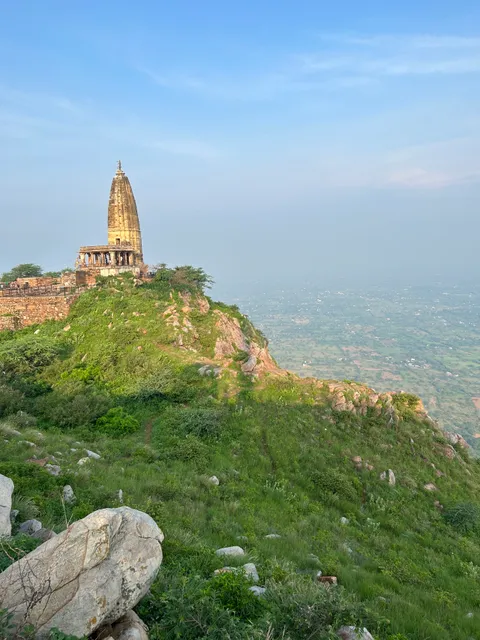
Harshnath Temple is an ancient Hindu temple dedicated to Lord Shiva which is situated in the Sikar district of the Indian state of Rajasthan. It is located 14 km from district headquarters Sikar.
Nearby attractions
Harsh Bhairav Nath
F5XC+PRV, Harsh, Rajasthan 332021, India
Nearby restaurants
Nearby hotels
Related posts
Keywords
Harshnath Temple tourism.Harshnath Temple hotels.Harshnath Temple bed and breakfast. flights to Harshnath Temple.Harshnath Temple attractions.Harshnath Temple restaurants.Harshnath Temple travel.Harshnath Temple travel guide.Harshnath Temple travel blog.Harshnath Temple pictures.Harshnath Temple photos.Harshnath Temple travel tips.Harshnath Temple maps.Harshnath Temple things to do.
Harshnath Temple things to do, attractions, restaurants, events info and trip planning
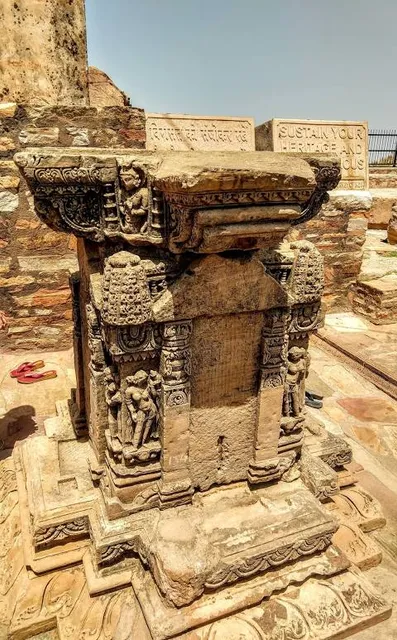
Harshnath Temple
IndiaRajasthanHarshnath Temple

Basic Info

Harshnath Temple

Harshnath, Harsh, Rajasthan 332001, India
4.7(2.2K)
Open until 12:00 AM
Save
spot

Ratings & Description

Info

Harshnath Temple is an ancient Hindu temple dedicated to Lord Shiva which is situated in the Sikar district of the Indian state of Rajasthan. It is located 14 km from district headquarters Sikar.

Cultural
Family friendly
attractions: Harsh Bhairav Nath, restaurants:
logoLearn more insights from Wanderboat AI.
Open hoursSee all hours
SatOpen 24 hoursOpen

Plan your stay

hotel
Pet-friendly Hotels in Rajasthan
Find a cozy hotel nearby and make it a full experience.
hotel
Affordable Hotels in Rajasthan
Find a cozy hotel nearby and make it a full experience.
hotel
The Coolest Hotels You Haven't Heard Of (Yet)
Find a cozy hotel nearby and make it a full experience.
hotel
Trending Stays Worth the Hype in Rajasthan
Find a cozy hotel nearby and make it a full experience.

Reviews

Nearby attractions of Harshnath Temple

Harsh Bhairav Nath

Harsh Bhairav Nath

Harsh Bhairav Nath

4.7

(72)

Open 24 hours
Click for details
Get the Appoverlay
Get the AppOne tap to find yournext favorite spots!
Wanderboat LogoWanderboat

Your everyday Al companion for getaway ideas

CompanyAbout Us
InformationAI Trip PlannerSitemap
SocialXInstagramTiktokLinkedin
LegalTerms of ServicePrivacy Policy

Get the app

© 2025 Wanderboat. All rights reserved.
logo

Reviews of Harshnath Temple

4.7
(2,152)
avatar
5.0
3y

Harshnath is an ancient temple on Harshgiri dedicated to Lord Shiva and dates to 956 AD. As per the Archaeological Survey of India, the temple was built by a Shaivite Bhavarakta known as Allata during the reign of Vigraharaja I of the Chahamana dynasty.

Most people have not heard about the Chahamana dynasty. Many historians consider the origin of Chauhan Rajput rulers to Chahamana. Chahamana dynasty ruled over a vast area of Rajasthan and Haryana from the 7th to 12th centuries. Their earlier capital was in Sambhar famous for the salt & delicious Indian sweet -Fini. They worshipped Shakhambari Mata and this temple still exists in Sambhar. Ajmer became their next capital under the rule of Ajayraja. That’s how the name Ajmer is derived. Chahamana repulsed attacks by the famous Muslim invader Mohammed Ghazni of the middle east. Famous Adhai Din Ka Jhompra which was converted into a mosque under the Mughal rule was built by this dynasty. Chahamanas were famous as Chauhans of Shakhambari and later as Chauhans of Ajmer. Sergeant E Dean discovered Harshnath temple on 3rd December 1834 AD. In 1835, he presented a paper to the Asiatic Society along with an inscription deciphered from this site. The inscription provides great information on the history of the Chauhan dynasty and the names of places under their rule. He referred to this temple as Shiva Baidyanath in his paper and mentioned that the stone quality is similar to the one in Qutub (Minar) in Delhi. Dean was of the opinion that the Chauhan dynasty of Rajasthan was related to the rulers of Kannauj. He further noted that this mountain was home to Leopard’s and Neelgai. There’s an interesting mythological story of Harshnath and Jeen Mata which claims that they are both brother and sister. This temple is built in Maha-Meru style The common belief is that the Mughal ruler Aurangzeb destroyed the original Harshnath Temple in 1679 AD along with many other temples across India under a fatwah against Hindu temples. The original 10th-century temple is made of stones. The temple has beautiful and intrinsic carvings on the pillars and ceiling. This temple is contemporary to the famous Khajuraho temples. They were built during the same time period and one can see many similarities in their architecture & structure. You can’t miss this beautiful idol of Nandi made of white Makrana marble. I’m not sure if this was installed when the new temple was built in the 18th century or if it’s from the 10th century. As a custom, the idol of Nandi is commonly installed in Shiva temples because it is considered as the trusted steed of Shiva. As per Hinduism, every Hindu god has a Vahana or vehicle. Nandi is considered as the gate guardian of Shiva. It stands for truth as well as righteousness. These two temples are not the only temples on the Harsh Parvat. There’s yet another one situated a little further and doesn’t even resemble a temple structure. This temple must have been built during the 18th century since stones and idols from the ruined temple have been used in the facade. It is Behrun Ji ka Mandir and you need to descend down to a lower level to reach the sanctum. I assume this one is more popular among the locals since there was a flurry of activity and a number of Pandits. While Harshnath temple is under ASI, I assume this one is privately managed. The priest issued an “advanced warning” against photographing the...

   Read more
avatar
5.0
1y

Perched majestically on the slopes of the Aravalli hills near the town of Sikar, the Harshnath Mahadev Temple is an ancient edifice dedicated to Lord Shiva. Built in the 10th century during the reign of the Chauhan rulers, the temple is a beacon of spiritual and historical significance.

In the village of Harsh, near the temple, lived a young boy named Arjun. Arjun was captivated by the stories of the temple's glory and the divine presence of Lord Shiva that was said to permeate the area. His grandfather, a temple priest, often regaled him with tales of the temple's past, its intricate architecture, and the miracles that had occurred there.

One monsoon season, the village was struck by a severe drought. The once-lush hills were parched, and the villagers, dependent on agriculture, faced a dire situation. The villagers, led by Arjun's grandfather, decided to conduct a grand yagna at the Harshnath Mahadev Temple, praying for Shiva's intervention.

Arjun, though young, was determined to help. He spent days collecting firewood, arranging offerings, and preparing the temple for the ceremony. On the day of the yagna, the villagers gathered at the temple, their hearts heavy with hope and desperation. The air was thick with the scent of incense and the sound of chanting as the priest led the prayers.

As the flames of the yagna rose higher, a sudden wind swept through the temple. Dark clouds gathered, and in a miraculous turn of events, rain began to pour. The villagers rejoiced, dancing and singing praises to Lord Shiva. Arjun, drenched but exhilarated, looked up at the sky, feeling a deep sense of connection to the divine.

From that day on, Arjun's faith in Lord Shiva and the Harshnath Mahadev Temple was unshakable. The temple, already a symbol of devotion and architectural beauty, now stood as a testament to the power of faith and the miracles it could bring. Arjun grew up to become a priest, dedicating his life to preserving the legacy of the temple and the stories that had shaped...

   Read more
avatar
5.0
35w

If you're visiting Rajasthan and want to experience history, spirituality, and breathtaking views all in one place, Harsh Nath Temple is a must-visit!

This ancient temple, believed to be over 1000 years old, stands atop the Harshnath hills, offering a serene and divine atmosphere. Built before the famous Khatu Shyam Mandir, this temple has witnessed centuries of devotion and history. The intricate carvings and architecture reflect the grandeur of the 10th-century era.

Why Visit Harsh Nath Temple?

✔ Spiritual Vibes – A peaceful and divine place for meditation and prayers. ✔ Historical Significance – One of the oldest temples in the region, with ancient ruins still present. ✔ Scenic Views – The temple is located on a hilltop, providing panoramic views of the surrounding landscape. ✔ Less Crowded – Unlike Khatu Shyam Mandir, this place offers a calm and peaceful experience, perfect for those looking to connect with spirituality.

Best Time to Visit

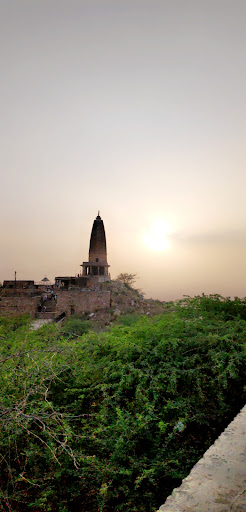
Early morning or evening for a mesmerizing sunrise/sunset experience.

During winters (October to March) for pleasant weather.

How to Reach?

The temple is located near Sikar, Rajasthan. It is well-connected by road, and a short trek to the top makes the journey even more memorable.

If you're visiting Khatu Shyam Mandir, don't miss this ancient marvel just a short distance away! Harsh Nath Temple is a hidden gem that deserves more attention for its rich history, peaceful environment, and breathtaking beauty.

Plan your trip today and experience the divine charm of Harsh...

   Read more
Page 1 of 7
Previous
Next

Posts

Bhav Bhuti SharmaBhav Bhuti Sharma
Harshnath is an ancient temple on Harshgiri dedicated to Lord Shiva and dates to 956 AD. As per the Archaeological Survey of India, the temple was built by a Shaivite Bhavarakta known as Allata during the reign of Vigraharaja I of the Chahamana dynasty. Most people have not heard about the Chahamana dynasty. Many historians consider the origin of Chauhan Rajput rulers to Chahamana. Chahamana dynasty ruled over a vast area of Rajasthan and Haryana from the 7th to 12th centuries. Their earlier capital was in Sambhar famous for the salt & delicious Indian sweet -Fini. They worshipped Shakhambari Mata and this temple still exists in Sambhar. Ajmer became their next capital under the rule of Ajayraja. That’s how the name Ajmer is derived. Chahamana repulsed attacks by the famous Muslim invader Mohammed Ghazni of the middle east. Famous Adhai Din Ka Jhompra which was converted into a mosque under the Mughal rule was built by this dynasty. Chahamanas were famous as Chauhans of Shakhambari and later as Chauhans of Ajmer. Sergeant E Dean discovered Harshnath temple on 3rd December 1834 AD. In 1835, he presented a paper to the Asiatic Society along with an inscription deciphered from this site. The inscription provides great information on the history of the Chauhan dynasty and the names of places under their rule. He referred to this temple as Shiva Baidyanath in his paper and mentioned that the stone quality is similar to the one in Qutub (Minar) in Delhi. Dean was of the opinion that the Chauhan dynasty of Rajasthan was related to the rulers of Kannauj. He further noted that this mountain was home to Leopard’s and Neelgai. There’s an interesting mythological story of Harshnath and Jeen Mata which claims that they are both brother and sister. This temple is built in Maha-Meru style The common belief is that the Mughal ruler Aurangzeb destroyed the original Harshnath Temple in 1679 AD along with many other temples across India under a fatwah against Hindu temples. The original 10th-century temple is made of stones. The temple has beautiful and intrinsic carvings on the pillars and ceiling. This temple is contemporary to the famous Khajuraho temples. They were built during the same time period and one can see many similarities in their architecture & structure. You can’t miss this beautiful idol of Nandi made of white Makrana marble. I’m not sure if this was installed when the new temple was built in the 18th century or if it’s from the 10th century. As a custom, the idol of Nandi is commonly installed in Shiva temples because it is considered as the trusted steed of Shiva. As per Hinduism, every Hindu god has a Vahana or vehicle. Nandi is considered as the gate guardian of Shiva. It stands for truth as well as righteousness. These two temples are not the only temples on the Harsh Parvat. There’s yet another one situated a little further and doesn’t even resemble a temple structure. This temple must have been built during the 18th century since stones and idols from the ruined temple have been used in the facade. It is Behrun Ji ka Mandir and you need to descend down to a lower level to reach the sanctum. I assume this one is more popular among the locals since there was a flurry of activity and a number of Pandits. While Harshnath temple is under ASI, I assume this one is privately managed. The priest issued an “advanced warning” against photographing the idol and temple.
AditiAditi
🌄 Harsh Mountain – A Serene Escape into Nature | Reviewed by Aditi Yogi If there’s one place that instantly makes you forget the chaos of city life, it’s Harsh Mountain. My visit here was nothing short of magical — a perfect blend of peace, natural beauty, and soulful vibes. The first thing that greets you is the crisp mountain air, filled with the fragrance of wild herbs and fresh soil. The view is breathtaking — rolling hills stretching endlessly, kissed by golden sunlight, with the sky painting a thousand shades of blue. Every step on the winding trail feels like walking inside a postcard. What I loved most was how untouched and pure this place feels. The soft rustle of leaves, the distant call of birds, and the calming whisper of the wind through the pines — it’s nature’s music at its finest. I found a quiet spot to just sit, watch the clouds drift, and feel the heartbeat of the mountains. For anyone looking for adventure, the trekking paths here are both scenic and soul-refreshing. But for those seeking stillness, Harsh Mountain offers plenty of corners where you can simply breathe, meditate, and reconnect with yourself. My tip: Visit early in the morning or during sunset. The golden glow over the peaks is something you’ll carry in your heart forever. 💬 In short: Harsh Mountain isn’t just a place — it’s an experience. One that leaves you lighter, happier, and deeply grateful for nature’s wonders. Highly recommended for every nature lover. 🌿✨
Pradeep JakharPradeep Jakhar
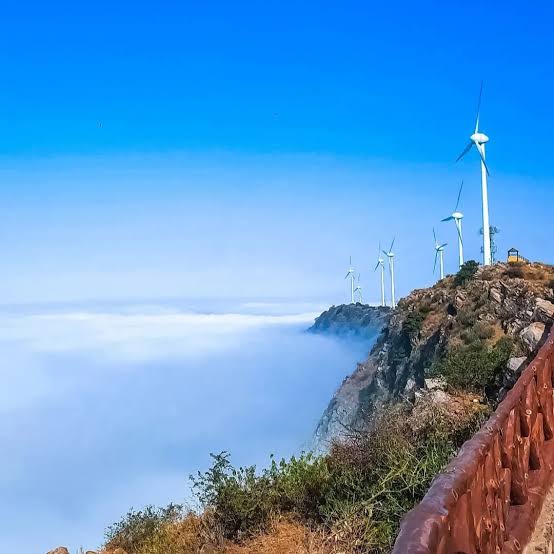
Overview Location: Harsha‑giri hill, ~14 km from Sikar city, elevation ~900 m Age: Originally built in 10th century CE (circa 973 AD) by ascetic Bhavarakta under King Vigraharaja I Reconstruction: Left in ruins after 1679 by Aurangzeb; rebuilt adjacent in 1718 by Rao Shiv Singh Architecture: Pancharatha-style sanctum, richly carved pillars (“ranga mandapa”), ornate sculptures of Parvati, Agni, Nandi, Kirtimukha motifs --- ✅ What Works Well 1. Striking Heritage and Ruins Ancient architecture with detailed carvings still visible despite damage Magik India calls it “an archaeological surprise of Sikar” 2. Panoramic Views & Atmosphere Hilltop location provides superb vistas of the Aravalli range and windmills Peaceful ambiance, especially at sunrise/sunset 3. Religious Significance & Festivals Major pilgrimage site for Lord Shiva devotees; Mahashivratri, Navratri and other festivals draw crowds 4. Free Entry & Basic Amenities No entry fee, open daily from early morning till evening (5–6 pm) Parking, toilets, signage available --- ⚠️ Things to Consider 1. Road & Access Conditions Winding, steep roads—excellent for bikes, risky for small cars; caution needed during monsoons 2. Limited Facilities on Top No eateries; bring your own food and water. Monkeys may snatch unattended items 3. Preservation Issues ASI-managed but ancient temple remains in a dilapidated state; minimal maintenance
See more posts
See more posts
hotel
Find your stay

Pet-friendly Hotels in Rajasthan

Find a cozy hotel nearby and make it a full experience.

Harshnath is an ancient temple on Harshgiri dedicated to Lord Shiva and dates to 956 AD. As per the Archaeological Survey of India, the temple was built by a Shaivite Bhavarakta known as Allata during the reign of Vigraharaja I of the Chahamana dynasty. Most people have not heard about the Chahamana dynasty. Many historians consider the origin of Chauhan Rajput rulers to Chahamana. Chahamana dynasty ruled over a vast area of Rajasthan and Haryana from the 7th to 12th centuries. Their earlier capital was in Sambhar famous for the salt & delicious Indian sweet -Fini. They worshipped Shakhambari Mata and this temple still exists in Sambhar. Ajmer became their next capital under the rule of Ajayraja. That’s how the name Ajmer is derived. Chahamana repulsed attacks by the famous Muslim invader Mohammed Ghazni of the middle east. Famous Adhai Din Ka Jhompra which was converted into a mosque under the Mughal rule was built by this dynasty. Chahamanas were famous as Chauhans of Shakhambari and later as Chauhans of Ajmer. Sergeant E Dean discovered Harshnath temple on 3rd December 1834 AD. In 1835, he presented a paper to the Asiatic Society along with an inscription deciphered from this site. The inscription provides great information on the history of the Chauhan dynasty and the names of places under their rule. He referred to this temple as Shiva Baidyanath in his paper and mentioned that the stone quality is similar to the one in Qutub (Minar) in Delhi. Dean was of the opinion that the Chauhan dynasty of Rajasthan was related to the rulers of Kannauj. He further noted that this mountain was home to Leopard’s and Neelgai. There’s an interesting mythological story of Harshnath and Jeen Mata which claims that they are both brother and sister. This temple is built in Maha-Meru style The common belief is that the Mughal ruler Aurangzeb destroyed the original Harshnath Temple in 1679 AD along with many other temples across India under a fatwah against Hindu temples. The original 10th-century temple is made of stones. The temple has beautiful and intrinsic carvings on the pillars and ceiling. This temple is contemporary to the famous Khajuraho temples. They were built during the same time period and one can see many similarities in their architecture & structure. You can’t miss this beautiful idol of Nandi made of white Makrana marble. I’m not sure if this was installed when the new temple was built in the 18th century or if it’s from the 10th century. As a custom, the idol of Nandi is commonly installed in Shiva temples because it is considered as the trusted steed of Shiva. As per Hinduism, every Hindu god has a Vahana or vehicle. Nandi is considered as the gate guardian of Shiva. It stands for truth as well as righteousness. These two temples are not the only temples on the Harsh Parvat. There’s yet another one situated a little further and doesn’t even resemble a temple structure. This temple must have been built during the 18th century since stones and idols from the ruined temple have been used in the facade. It is Behrun Ji ka Mandir and you need to descend down to a lower level to reach the sanctum. I assume this one is more popular among the locals since there was a flurry of activity and a number of Pandits. While Harshnath temple is under ASI, I assume this one is privately managed. The priest issued an “advanced warning” against photographing the idol and temple.
Bhav Bhuti Sharma

Bhav Bhuti Sharma

hotel
Find your stay

Affordable Hotels in Rajasthan

Find a cozy hotel nearby and make it a full experience.

Get the Appoverlay
Get the AppOne tap to find yournext favorite spots!
🌄 Harsh Mountain – A Serene Escape into Nature | Reviewed by Aditi Yogi If there’s one place that instantly makes you forget the chaos of city life, it’s Harsh Mountain. My visit here was nothing short of magical — a perfect blend of peace, natural beauty, and soulful vibes. The first thing that greets you is the crisp mountain air, filled with the fragrance of wild herbs and fresh soil. The view is breathtaking — rolling hills stretching endlessly, kissed by golden sunlight, with the sky painting a thousand shades of blue. Every step on the winding trail feels like walking inside a postcard. What I loved most was how untouched and pure this place feels. The soft rustle of leaves, the distant call of birds, and the calming whisper of the wind through the pines — it’s nature’s music at its finest. I found a quiet spot to just sit, watch the clouds drift, and feel the heartbeat of the mountains. For anyone looking for adventure, the trekking paths here are both scenic and soul-refreshing. But for those seeking stillness, Harsh Mountain offers plenty of corners where you can simply breathe, meditate, and reconnect with yourself. My tip: Visit early in the morning or during sunset. The golden glow over the peaks is something you’ll carry in your heart forever. 💬 In short: Harsh Mountain isn’t just a place — it’s an experience. One that leaves you lighter, happier, and deeply grateful for nature’s wonders. Highly recommended for every nature lover. 🌿✨
Aditi

Aditi

hotel
Find your stay

The Coolest Hotels You Haven't Heard Of (Yet)

Find a cozy hotel nearby and make it a full experience.

hotel
Find your stay

Trending Stays Worth the Hype in Rajasthan

Find a cozy hotel nearby and make it a full experience.

Overview Location: Harsha‑giri hill, ~14 km from Sikar city, elevation ~900 m Age: Originally built in 10th century CE (circa 973 AD) by ascetic Bhavarakta under King Vigraharaja I Reconstruction: Left in ruins after 1679 by Aurangzeb; rebuilt adjacent in 1718 by Rao Shiv Singh Architecture: Pancharatha-style sanctum, richly carved pillars (“ranga mandapa”), ornate sculptures of Parvati, Agni, Nandi, Kirtimukha motifs --- ✅ What Works Well 1. Striking Heritage and Ruins Ancient architecture with detailed carvings still visible despite damage Magik India calls it “an archaeological surprise of Sikar” 2. Panoramic Views & Atmosphere Hilltop location provides superb vistas of the Aravalli range and windmills Peaceful ambiance, especially at sunrise/sunset 3. Religious Significance & Festivals Major pilgrimage site for Lord Shiva devotees; Mahashivratri, Navratri and other festivals draw crowds 4. Free Entry & Basic Amenities No entry fee, open daily from early morning till evening (5–6 pm) Parking, toilets, signage available --- ⚠️ Things to Consider 1. Road & Access Conditions Winding, steep roads—excellent for bikes, risky for small cars; caution needed during monsoons 2. Limited Facilities on Top No eateries; bring your own food and water. Monkeys may snatch unattended items 3. Preservation Issues ASI-managed but ancient temple remains in a dilapidated state; minimal maintenance
Pradeep Jakhar

Pradeep Jakhar

See more posts
See more posts