HTML SitemapExplore
logo
Find Things to DoFind The Best Restaurants

Kumbhalgarh Fort — Attraction in Rajasthan

Name
Kumbhalgarh Fort
Description
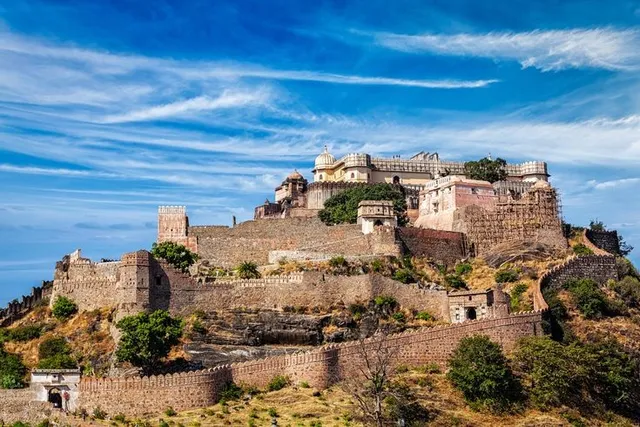
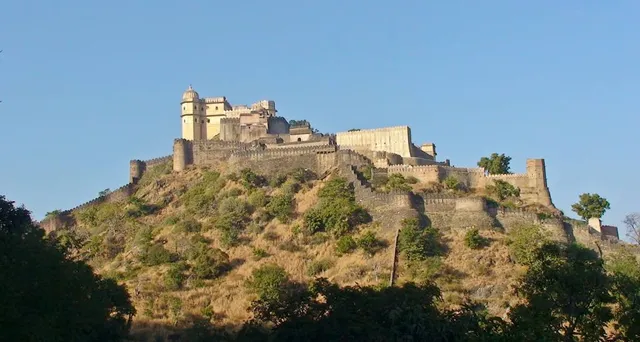
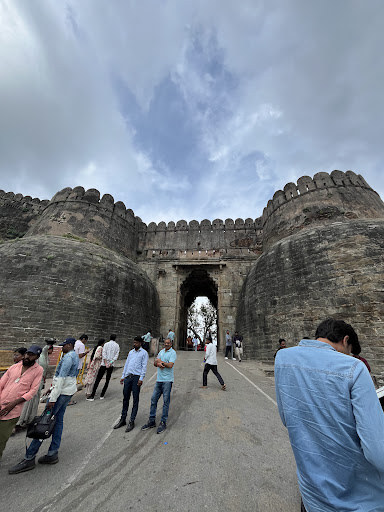
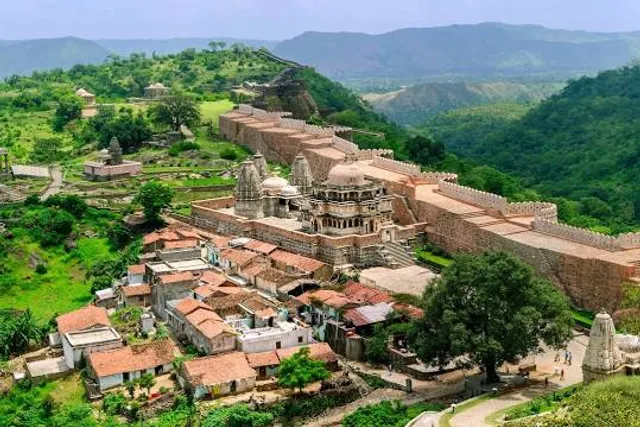
Kumbhalgarh, also known as the Great Wall of India, is a Mewar fortress on the westerly range of Aravalli Hills about 48 km from Rajsamand city in the Rajsamand district of the Rajasthan state in western India. It is located about 84 km from Udaipur. It is a World Heritage Site included in Hill Forts of Rajasthan.
Nearby attractions
Badal Mahal kumbhalgarh
4HXJ+Q5W, Kumbhalgarh, Rajasthan 313325, India
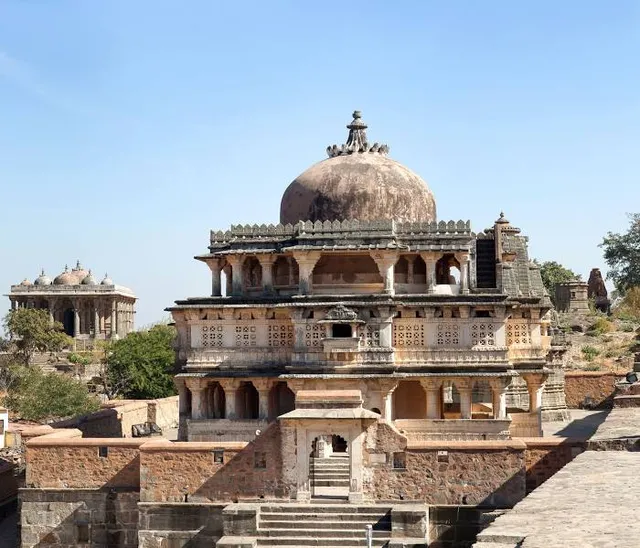
Vedi Temple
4HXM+348, Kumbhalgarh, Rajasthan 313325, India
Birth place of Maharana Pratap
4HXJ+P8V, Kumbhalgarh Fortwall, Kumbhalgarh, Rajasthan 313325, India
Nearby restaurants
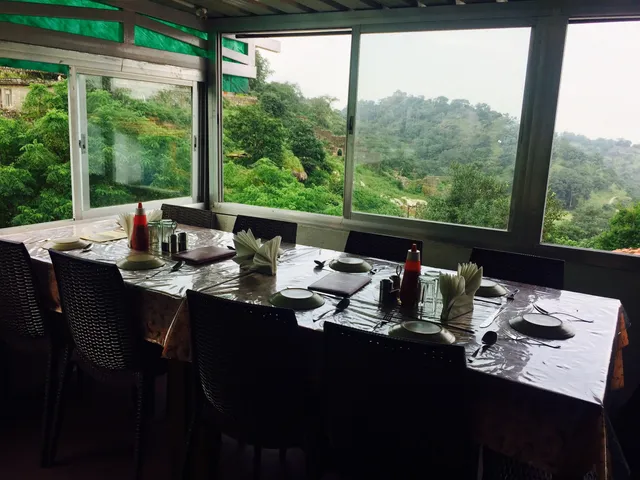
1458 AD Kumbhalgarh Camp & Restaurant
4HXJ+6X6, Fort, Kumbhalgarh, Rajasthan 313325, India
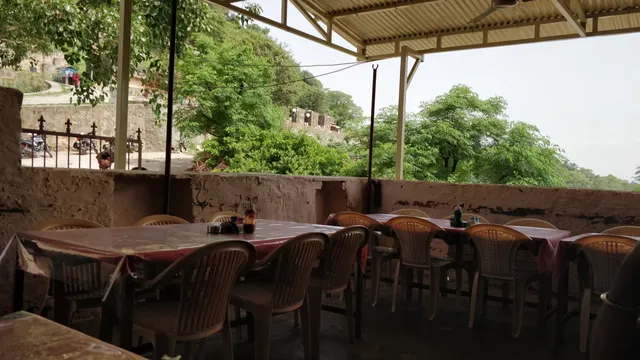
The Kuber Restaurant
In Side The, Kumbhalgarh Fort Rd, Kumbhalgarh, Rajasthan 313325, India
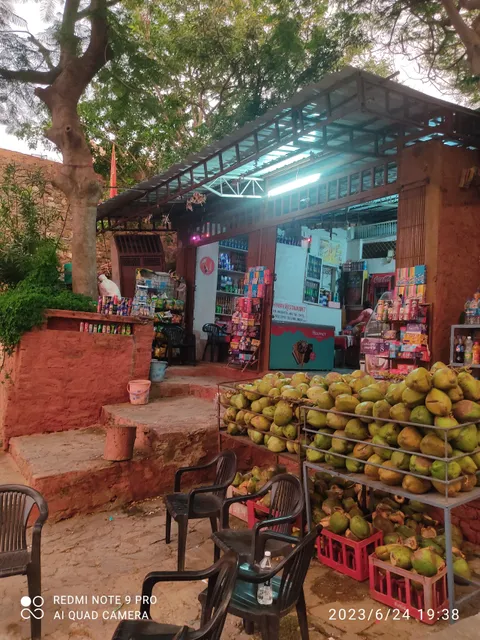
Vaishnav Restaurant
4HXJ+5PJ, Kumbhalgarh, Rajasthan 313325, India
Nearby hotels
Related posts
Keywords
Kumbhalgarh Fort tourism.Kumbhalgarh Fort hotels.Kumbhalgarh Fort bed and breakfast. flights to Kumbhalgarh Fort.Kumbhalgarh Fort attractions.Kumbhalgarh Fort restaurants.Kumbhalgarh Fort travel.Kumbhalgarh Fort travel guide.Kumbhalgarh Fort travel blog.Kumbhalgarh Fort pictures.Kumbhalgarh Fort photos.Kumbhalgarh Fort travel tips.Kumbhalgarh Fort maps.Kumbhalgarh Fort things to do.
Kumbhalgarh Fort things to do, attractions, restaurants, events info and trip planning
Kumbhalgarh Fort
IndiaRajasthanKumbhalgarh Fort

Basic Info

Kumbhalgarh Fort

Kumbhalgarh, Rajasthan 313325, India
4.6(14.1K)
Closed
Save
spot

Ratings & Description

Info

Kumbhalgarh, also known as the Great Wall of India, is a Mewar fortress on the westerly range of Aravalli Hills about 48 km from Rajsamand city in the Rajsamand district of the Rajasthan state in western India. It is located about 84 km from Udaipur. It is a World Heritage Site included in Hill Forts of Rajasthan.

Cultural
Outdoor
Family friendly
attractions: Badal Mahal kumbhalgarh, Vedi Temple, Birth place of Maharana Pratap, restaurants: 1458 AD Kumbhalgarh Camp & Restaurant, The Kuber Restaurant, Vaishnav Restaurant
logoLearn more insights from Wanderboat AI.
Website
tourism.rajasthan.gov.in
Open hoursSee all hours
SunClosedClosed

Plan your stay

hotel
Pet-friendly Hotels in Rajasthan
Find a cozy hotel nearby and make it a full experience.
hotel
Affordable Hotels in Rajasthan
Find a cozy hotel nearby and make it a full experience.
hotel
The Coolest Hotels You Haven't Heard Of (Yet)
Find a cozy hotel nearby and make it a full experience.
hotel
Trending Stays Worth the Hype in Rajasthan
Find a cozy hotel nearby and make it a full experience.

Reviews

Nearby attractions of Kumbhalgarh Fort

Badal Mahal kumbhalgarh

Vedi Temple

Birth place of Maharana Pratap

Badal Mahal kumbhalgarh

Badal Mahal kumbhalgarh

4.6

(313)

Open 24 hours
Click for details
Vedi Temple

Vedi Temple

4.5

(14)

Open until 6:30 PM
Click for details
Birth place of Maharana Pratap

Birth place of Maharana Pratap

4.2

(14)

Open 24 hours
Click for details

Things to do nearby

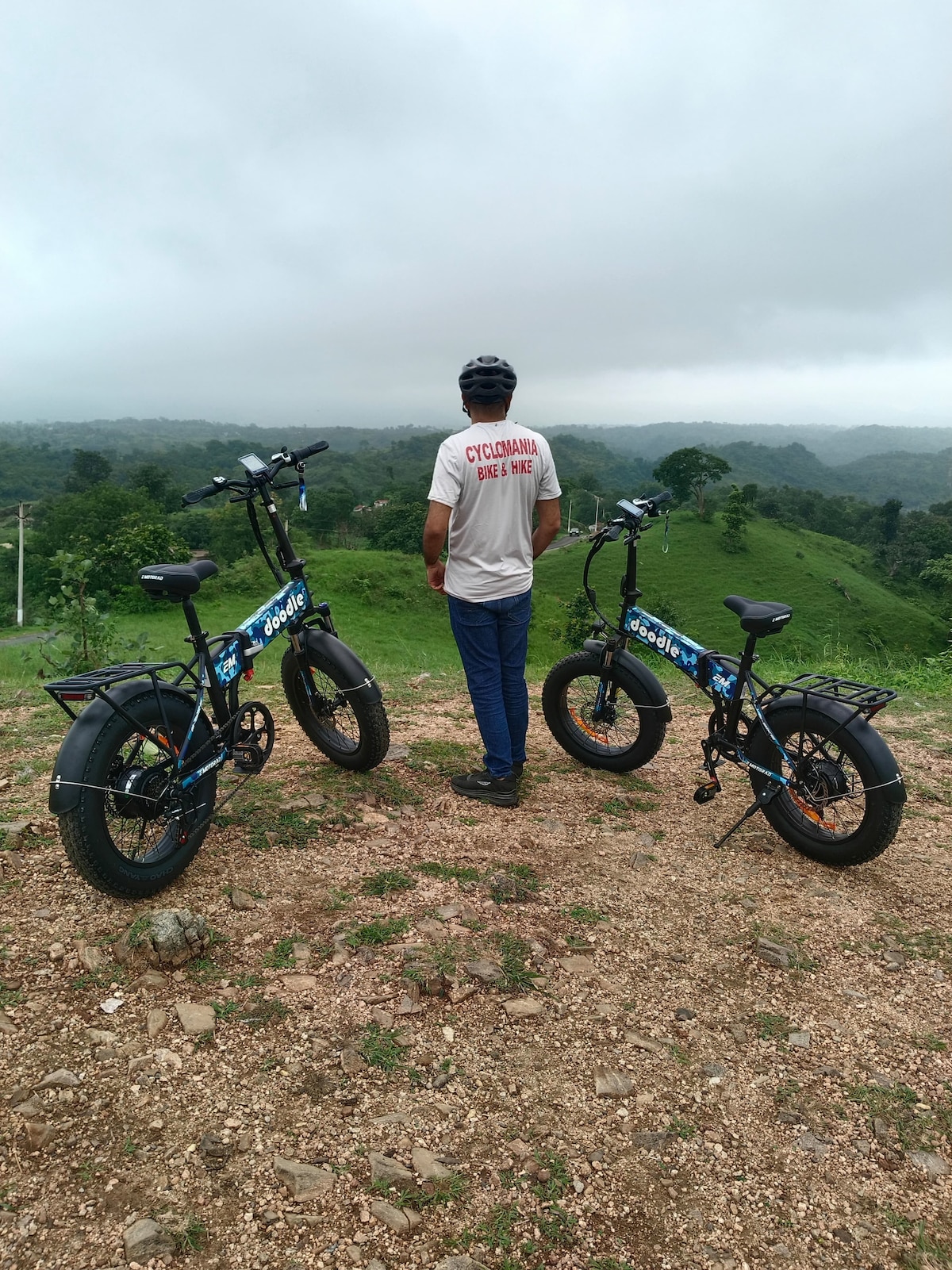
Udaipur Electric Bicycle Tour
Mon, Dec 8 • 6:30 AM
Maharana Pratap choraha Rajsamand, Rajasthan, 313325, India
View details

Nearby restaurants of Kumbhalgarh Fort

1458 AD Kumbhalgarh Camp & Restaurant

The Kuber Restaurant

Vaishnav Restaurant

1458 AD Kumbhalgarh Camp & Restaurant

1458 AD Kumbhalgarh Camp & Restaurant

4.6

(32)

Click for details
The Kuber Restaurant

The Kuber Restaurant

3.3

(13)

Click for details
Vaishnav Restaurant

Vaishnav Restaurant

5.0

(4)

Click for details
Get the Appoverlay
Get the AppOne tap to find yournext favorite spots!
Wanderboat LogoWanderboat

Your everyday Al companion for getaway ideas

CompanyAbout Us
InformationAI Trip PlannerSitemap
SocialXInstagramTiktokLinkedin
LegalTerms of ServicePrivacy Policy

Get the app

© 2025 Wanderboat. All rights reserved.
logo

Reviews of Kumbhalgarh Fort

4.6
(14,135)
avatar
5.0
30w

The Kumbhalgarh Fort, located in the Rajsamand district of Rajasthan, about 84 km away from Udaipur, is a striking example of Rajput military architecture. This fort is well known for its spectacularly long protective wall, running up to a length of 36 km! The wall is believed to be the second longest in the world, after the Great Wall of China. The fort played a crucial role in the political history of the kingdom of Mewar, and stories and legends from its past are still a source of pride and glory for the people of the region.Kumbhalgarh Fort, a UNESCO World Heritage site in Rajasthan, India, is renowned for its massive 36-kilometer long wall, the second longest in the world after the Great Wall of China. Situated in the Rajsamand district, approximately 84 km from Udaipur, it was built in the 15th century by Rana Kumbha and is a prime example of Rajput military architecture. The fort served as a strategic stronghold, protecting the Mewar kingdom and is also the birthplace of the celebrated warrior king, Maharana Pratap.Rana Kumbha, the ruler of Mewar, commissioned the construction of Kumbhalgarh Fort in the 15th century. The fort's architectural design incorporated elements of both Hindu and Jain styles, reflecting the cultural influences of the region. The fort's massive walls, spanning 36 kilometers, are a testament to the advanced engineering skills of the time. These walls were designed to be strong enough to withstand attacks, with features like hidden passageways, underground water reservoirs, and secret chambers. The fort also boasts seven fortified gates....Kumbhalgarh Fort played a vital role in the political and military history of the Mewar kingdom. Its strategic location on a hill, 1,100 meters above sea level, allowed for panoramic views of the surrounding countryside, providing an excellent vantage point for surveillance and defense. The fort was used as a refuge by the rulers of Mewar during times of danger, providing a secure location for the royal family and valuable resources. Maharana Pratap, a renowned Rajput king, was born within the fort, further cementing its historical significance.The fort complex encompasses a variety of structures, including palaces, temples, and gardens, each with its own unique architectural style. The Badal Mahal, a palace on the highest point of the fort, offers stunning panoramic views of the surrounding wilderness. The fort also houses over 360 temples, including the Neel Kanth Mahadeva temple, a prominent Shiva shrine.Kumbhalgarh Fort is steeped in legends and tales of heroism, reflecting the rich history and culture of the Mewar kingdom. One such legend involves a holy man who allegedly sacrificed himself to ensure the successful completion of the fort's construction. The fort's history is closely intertwined with the struggles and triumphs of the Mewar rulers, including Maharana Pratap, who bravely fought against the Mughal Empire Kumbhalgarh Fort stands as a magnificent monument to the architectural prowess and strategic brilliance of the Rajput era. Its massive walls, intricate design, and historical significance make it a must-see destination for travelers seeking to explore India's rich cultural heritage. The fort continues to inspire awe and wonder, standing as a testament to the enduring legacy of the...

   Read more
avatar
5.0
8y

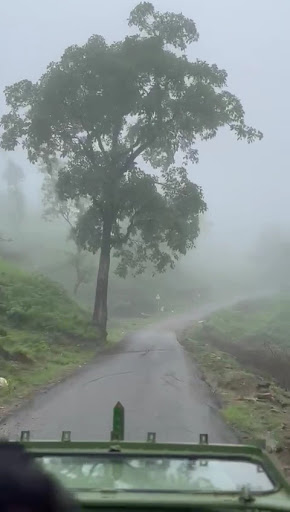
My visit to Kumbhalgarh Fort during the rainy season was an unforgettable 5-star experience that blended history, nature, and serenity. Nestled in Rajasthan’s Aravalli Hills, this UNESCO World Heritage Site is a marvel of architecture, and the monsoon transformed it into a breathtaking destination I’ll cherish forever. Driving through the winding roads of the Aravalli Hills, I was greeted by lush greenery and mist rolling over the landscape, courtesy of the rains. The fort, perched atop a hill, emerged majestically against a backdrop of dark clouds. The cool air and scent of wet earth set a perfect tone for the adventure, making the approach feel like a journey into a historical epic. Kumbhalgarh Fort’s 36-kilometer-long wall, one of the world’s longest, glistened with raindrops, exuding an ancient grandeur. The monsoon added a mystical touch, with low clouds occasionally cloaking the fort in a soft haze. Exploring the massive gateways like Hanuman Pol and the intricately carved temples was awe-inspiring. The rain enhanced the experience, making the stone courtyards and palaces feel alive with history. The highlight was Badal Mahal, the Palace of Clouds. True to its name, it seemed to float among the clouds, offering stunning views of rain-soaked hills and distant waterfalls. The sound of rain pattering on the stone floors created a serene ambiance, perfect for soaking in the fort’s beauty. Navigating the fort in the rain was surprisingly pleasant. The pathways were manageable with careful steps, and sturdy shoes were a must. The light drizzle didn’t deter exploration; instead, it added to the adventure. With fewer crowds, I could explore at my own pace, guided by a knowledgeable local who shared captivating stories of Maharana Kumbha and the fort’s defenses. The tranquility of the rainy season made every moment feel intimate and special. The Kumbhalgarh Wildlife Sanctuary, surrounding the fort, was vibrant in the monsoon. A short drive revealed peacocks dancing in the rain and swollen waterfalls dotting the landscape. The misty hills and lush meadows were a photographer’s dream, and I captured stunning shots of the fort framed by clouds. The fort’s facilities were well-maintained, with clean restrooms and stalls offering hot tea, a blessing on a rainy day. Nearby accommodations ranged from budget guesthouses to heritage hotels, and the local Rajasthani cuisine, especially dal baati churma, was a delightful post-visit treat. Kumbhalgarh Fort in the rainy season is a rare gem. The monsoon elevates its beauty, the lack of crowds ensures a peaceful visit, and the surrounding landscape is a visual treat. The fort’s preservation, warm locals, and sheer grandeur left me in awe. For history buffs, nature lovers, or photographers, it’s a must-visit. Pack a raincoat, wear good shoes, and prepare to be enchanted – Kumbhalgarh in the rain...

   Read more
avatar
5.0
1y

Kumbhalgarh, nestled in the rugged Aravalli Hills of Rajasthan, is a destination that mesmerises with its blend of history, architecture, and natural beauty. Known primarily for its formidable fort, Kumbhalgarh is a UNESCO World Heritage site that stands as a testament to the might and ingenuity of the Rajput rulers.

Upon entering the fort, I was immediately struck by the scale and complexity of its design. The walls of Kumbhalgarh Fort stretch over 36 kilometres, making it the second-longest continuous wall in the world, after the Great Wall of China. Walking along these ancient ramparts, with panoramic views of the surrounding hills and forests, was an exhilarating experience that connected me with the past.

The fort is not just a single structure but a sprawling complex of palaces, temples, and gardens, each with its own unique story. The Badal Mahal, or Palace of Clouds, located at the top of the fort, is a highlight. The intricate architecture and the stunning views from its terraces make the climb worthwhile. The palaces within the fort are adorned with delicate frescoes and mirror work that reflect the grandeur of the Rajput era.

Another striking feature of Kumbhalgarh is its series of temples, particularly the Jain and Hindu shrines, which showcase the spiritual diversity and artistic excellence of the time. The Neelkanth Mahadev Temple, with its exquisitely carved idol of Lord Shiva, is a serene spot that exudes a timeless spiritual aura.

Kumbhalgarh is not just about history; it’s also about the natural environment that surrounds the fort. The dense forests of the Kumbhalgarh Wildlife Sanctuary envelop the area, providing a habitat for a variety of wildlife, including leopards, wolves, and the elusive Indian sloth bear. A trek through these forests offers a chance to experience the raw beauty of Rajasthan’s landscape, with the fort as a constant, majestic backdrop.

What truly sets Kumbhalgarh apart is its sense of isolation and preservation. Unlike some of the more crowded tourist sites in Rajasthan, Kumbhalgarh retains an aura of tranquillity and mystery. Exploring its vast, silent corridors and abandoned courtyards, I felt as if I had stepped back in time, experiencing the fort much as it might have been centuries ago.

In conclusion, Kumbhalgarh is a destination that offers a rich blend of history, culture, and nature. Whether you’re a history enthusiast, a nature lover, or simply someone looking to experience the grandeur of Rajasthan, Kumbhalgarh will not disappoint. It’s a place that leaves a lasting impression, one that lingers long after you’ve left its ancient...

   Read more
Page 1 of 7
Previous
Next

Posts

Your browser does not support the video tag.
travelseewritetravelseewrite
#tujhoom one of my favourite songs and one of my favourite places. This song has touched my heart. My current earworm. #abidaparveen’s voice is godly. Are you a fan of Sufi music? What are you listening to these days? #trendingreels #tujhoomjhoom #rajasthan #rajasthandiaries #kumbhalgarh #kumbhalgarhfort #incredibleindia #forts #fortsofindia #fortsofrajasthan #travelseewrite #travelblogger #trendingsongs #reelitfeelit #reelkarofeelkaro #dekhoapnadesh #heritage #coloursofindia #rangelorajasthan
Padmanav SwainPadmanav Swain
The Kumbhalgarh Fort, located in the Rajsamand district of Rajasthan, about 84 km away from Udaipur, is a striking example of Rajput military architecture. This fort is well known for its spectacularly long protective wall, running up to a length of 36 km! The wall is believed to be the second longest in the world, after the Great Wall of China. The fort played a crucial role in the political history of the kingdom of Mewar, and stories and legends from its past are still a source of pride and glory for the people of the region.Kumbhalgarh Fort, a UNESCO World Heritage site in Rajasthan, India, is renowned for its massive 36-kilometer long wall, the second longest in the world after the Great Wall of China. Situated in the Rajsamand district, approximately 84 km from Udaipur, it was built in the 15th century by Rana Kumbha and is a prime example of Rajput military architecture. The fort served as a strategic stronghold, protecting the Mewar kingdom and is also the birthplace of the celebrated warrior king, Maharana Pratap.Rana Kumbha, the ruler of Mewar, commissioned the construction of Kumbhalgarh Fort in the 15th century. The fort's architectural design incorporated elements of both Hindu and Jain styles, reflecting the cultural influences of the region. The fort's massive walls, spanning 36 kilometers, are a testament to the advanced engineering skills of the time. These walls were designed to be strong enough to withstand attacks, with features like hidden passageways, underground water reservoirs, and secret chambers. The fort also boasts seven fortified gates....Kumbhalgarh Fort played a vital role in the political and military history of the Mewar kingdom. Its strategic location on a hill, 1,100 meters above sea level, allowed for panoramic views of the surrounding countryside, providing an excellent vantage point for surveillance and defense. The fort was used as a refuge by the rulers of Mewar during times of danger, providing a secure location for the royal family and valuable resources. Maharana Pratap, a renowned Rajput king, was born within the fort, further cementing its historical significance.The fort complex encompasses a variety of structures, including palaces, temples, and gardens, each with its own unique architectural style. The Badal Mahal, a palace on the highest point of the fort, offers stunning panoramic views of the surrounding wilderness. The fort also houses over 360 temples, including the Neel Kanth Mahadeva temple, a prominent Shiva shrine.Kumbhalgarh Fort is steeped in legends and tales of heroism, reflecting the rich history and culture of the Mewar kingdom. One such legend involves a holy man who allegedly sacrificed himself to ensure the successful completion of the fort's construction. The fort's history is closely intertwined with the struggles and triumphs of the Mewar rulers, including Maharana Pratap, who bravely fought against the Mughal Empire Kumbhalgarh Fort stands as a magnificent monument to the architectural prowess and strategic brilliance of the Rajput era. Its massive walls, intricate design, and historical significance make it a must-see destination for travelers seeking to explore India's rich cultural heritage. The fort continues to inspire awe and wonder, standing as a testament to the enduring legacy of the Mewar kingdom.
Gaurav PurohitGaurav Purohit
My visit to Kumbhalgarh Fort during the rainy season was an unforgettable 5-star experience that blended history, nature, and serenity. Nestled in Rajasthan’s Aravalli Hills, this UNESCO World Heritage Site is a marvel of architecture, and the monsoon transformed it into a breathtaking destination I’ll cherish forever. Driving through the winding roads of the Aravalli Hills, I was greeted by lush greenery and mist rolling over the landscape, courtesy of the rains. The fort, perched atop a hill, emerged majestically against a backdrop of dark clouds. The cool air and scent of wet earth set a perfect tone for the adventure, making the approach feel like a journey into a historical epic. Kumbhalgarh Fort’s 36-kilometer-long wall, one of the world’s longest, glistened with raindrops, exuding an ancient grandeur. The monsoon added a mystical touch, with low clouds occasionally cloaking the fort in a soft haze. Exploring the massive gateways like Hanuman Pol and the intricately carved temples was awe-inspiring. The rain enhanced the experience, making the stone courtyards and palaces feel alive with history. The highlight was Badal Mahal, the Palace of Clouds. True to its name, it seemed to float among the clouds, offering stunning views of rain-soaked hills and distant waterfalls. The sound of rain pattering on the stone floors created a serene ambiance, perfect for soaking in the fort’s beauty. Navigating the fort in the rain was surprisingly pleasant. The pathways were manageable with careful steps, and sturdy shoes were a must. The light drizzle didn’t deter exploration; instead, it added to the adventure. With fewer crowds, I could explore at my own pace, guided by a knowledgeable local who shared captivating stories of Maharana Kumbha and the fort’s defenses. The tranquility of the rainy season made every moment feel intimate and special. The Kumbhalgarh Wildlife Sanctuary, surrounding the fort, was vibrant in the monsoon. A short drive revealed peacocks dancing in the rain and swollen waterfalls dotting the landscape. The misty hills and lush meadows were a photographer’s dream, and I captured stunning shots of the fort framed by clouds. The fort’s facilities were well-maintained, with clean restrooms and stalls offering hot tea, a blessing on a rainy day. Nearby accommodations ranged from budget guesthouses to heritage hotels, and the local Rajasthani cuisine, especially dal baati churma, was a delightful post-visit treat. Kumbhalgarh Fort in the rainy season is a rare gem. The monsoon elevates its beauty, the lack of crowds ensures a peaceful visit, and the surrounding landscape is a visual treat. The fort’s preservation, warm locals, and sheer grandeur left me in awe. For history buffs, nature lovers, or photographers, it’s a must-visit. Pack a raincoat, wear good shoes, and prepare to be enchanted – Kumbhalgarh in the rain is pure magic!
See more posts
See more posts
hotel
Find your stay

Pet-friendly Hotels in Rajasthan

Find a cozy hotel nearby and make it a full experience.

#tujhoom one of my favourite songs and one of my favourite places. This song has touched my heart. My current earworm. #abidaparveen’s voice is godly. Are you a fan of Sufi music? What are you listening to these days? #trendingreels #tujhoomjhoom #rajasthan #rajasthandiaries #kumbhalgarh #kumbhalgarhfort #incredibleindia #forts #fortsofindia #fortsofrajasthan #travelseewrite #travelblogger #trendingsongs #reelitfeelit #reelkarofeelkaro #dekhoapnadesh #heritage #coloursofindia #rangelorajasthan
travelseewrite

travelseewrite

hotel
Find your stay

Affordable Hotels in Rajasthan

Find a cozy hotel nearby and make it a full experience.

Get the Appoverlay
Get the AppOne tap to find yournext favorite spots!
The Kumbhalgarh Fort, located in the Rajsamand district of Rajasthan, about 84 km away from Udaipur, is a striking example of Rajput military architecture. This fort is well known for its spectacularly long protective wall, running up to a length of 36 km! The wall is believed to be the second longest in the world, after the Great Wall of China. The fort played a crucial role in the political history of the kingdom of Mewar, and stories and legends from its past are still a source of pride and glory for the people of the region.Kumbhalgarh Fort, a UNESCO World Heritage site in Rajasthan, India, is renowned for its massive 36-kilometer long wall, the second longest in the world after the Great Wall of China. Situated in the Rajsamand district, approximately 84 km from Udaipur, it was built in the 15th century by Rana Kumbha and is a prime example of Rajput military architecture. The fort served as a strategic stronghold, protecting the Mewar kingdom and is also the birthplace of the celebrated warrior king, Maharana Pratap.Rana Kumbha, the ruler of Mewar, commissioned the construction of Kumbhalgarh Fort in the 15th century. The fort's architectural design incorporated elements of both Hindu and Jain styles, reflecting the cultural influences of the region. The fort's massive walls, spanning 36 kilometers, are a testament to the advanced engineering skills of the time. These walls were designed to be strong enough to withstand attacks, with features like hidden passageways, underground water reservoirs, and secret chambers. The fort also boasts seven fortified gates....Kumbhalgarh Fort played a vital role in the political and military history of the Mewar kingdom. Its strategic location on a hill, 1,100 meters above sea level, allowed for panoramic views of the surrounding countryside, providing an excellent vantage point for surveillance and defense. The fort was used as a refuge by the rulers of Mewar during times of danger, providing a secure location for the royal family and valuable resources. Maharana Pratap, a renowned Rajput king, was born within the fort, further cementing its historical significance.The fort complex encompasses a variety of structures, including palaces, temples, and gardens, each with its own unique architectural style. The Badal Mahal, a palace on the highest point of the fort, offers stunning panoramic views of the surrounding wilderness. The fort also houses over 360 temples, including the Neel Kanth Mahadeva temple, a prominent Shiva shrine.Kumbhalgarh Fort is steeped in legends and tales of heroism, reflecting the rich history and culture of the Mewar kingdom. One such legend involves a holy man who allegedly sacrificed himself to ensure the successful completion of the fort's construction. The fort's history is closely intertwined with the struggles and triumphs of the Mewar rulers, including Maharana Pratap, who bravely fought against the Mughal Empire Kumbhalgarh Fort stands as a magnificent monument to the architectural prowess and strategic brilliance of the Rajput era. Its massive walls, intricate design, and historical significance make it a must-see destination for travelers seeking to explore India's rich cultural heritage. The fort continues to inspire awe and wonder, standing as a testament to the enduring legacy of the Mewar kingdom.
Padmanav Swain

Padmanav Swain

hotel
Find your stay

The Coolest Hotels You Haven't Heard Of (Yet)

Find a cozy hotel nearby and make it a full experience.

hotel
Find your stay

Trending Stays Worth the Hype in Rajasthan

Find a cozy hotel nearby and make it a full experience.

My visit to Kumbhalgarh Fort during the rainy season was an unforgettable 5-star experience that blended history, nature, and serenity. Nestled in Rajasthan’s Aravalli Hills, this UNESCO World Heritage Site is a marvel of architecture, and the monsoon transformed it into a breathtaking destination I’ll cherish forever. Driving through the winding roads of the Aravalli Hills, I was greeted by lush greenery and mist rolling over the landscape, courtesy of the rains. The fort, perched atop a hill, emerged majestically against a backdrop of dark clouds. The cool air and scent of wet earth set a perfect tone for the adventure, making the approach feel like a journey into a historical epic. Kumbhalgarh Fort’s 36-kilometer-long wall, one of the world’s longest, glistened with raindrops, exuding an ancient grandeur. The monsoon added a mystical touch, with low clouds occasionally cloaking the fort in a soft haze. Exploring the massive gateways like Hanuman Pol and the intricately carved temples was awe-inspiring. The rain enhanced the experience, making the stone courtyards and palaces feel alive with history. The highlight was Badal Mahal, the Palace of Clouds. True to its name, it seemed to float among the clouds, offering stunning views of rain-soaked hills and distant waterfalls. The sound of rain pattering on the stone floors created a serene ambiance, perfect for soaking in the fort’s beauty. Navigating the fort in the rain was surprisingly pleasant. The pathways were manageable with careful steps, and sturdy shoes were a must. The light drizzle didn’t deter exploration; instead, it added to the adventure. With fewer crowds, I could explore at my own pace, guided by a knowledgeable local who shared captivating stories of Maharana Kumbha and the fort’s defenses. The tranquility of the rainy season made every moment feel intimate and special. The Kumbhalgarh Wildlife Sanctuary, surrounding the fort, was vibrant in the monsoon. A short drive revealed peacocks dancing in the rain and swollen waterfalls dotting the landscape. The misty hills and lush meadows were a photographer’s dream, and I captured stunning shots of the fort framed by clouds. The fort’s facilities were well-maintained, with clean restrooms and stalls offering hot tea, a blessing on a rainy day. Nearby accommodations ranged from budget guesthouses to heritage hotels, and the local Rajasthani cuisine, especially dal baati churma, was a delightful post-visit treat. Kumbhalgarh Fort in the rainy season is a rare gem. The monsoon elevates its beauty, the lack of crowds ensures a peaceful visit, and the surrounding landscape is a visual treat. The fort’s preservation, warm locals, and sheer grandeur left me in awe. For history buffs, nature lovers, or photographers, it’s a must-visit. Pack a raincoat, wear good shoes, and prepare to be enchanted – Kumbhalgarh in the rain is pure magic!
Gaurav Purohit

Gaurav Purohit

See more posts
See more posts