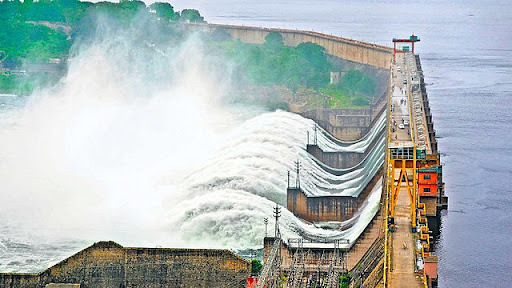
Certainly, here's a guideline for visiting Rana Pratap Sagar Dam in Rawatbhata:
Planning:
Best Time to Visit: Anytime during the year; however, post-monsoon (October to March) might offer a more pleasant experience. Access: Reach Rawatbhata by road; it's accessible via various transportation modes from nearby cities. Accommodation: Limited options available nearby; consider staying in nearby towns for accommodation.
Visiting the Dam:
Entry: Usually, there's no entry fee. Timings: Open during daylight hours; confirm specific operational hours locally. Safety Measures: Follow all safety guidelines provided at the dam premises. Photography: Capture the scenic beauty but adhere to any restrictions on photography at specific locations.
Exploring the Area:
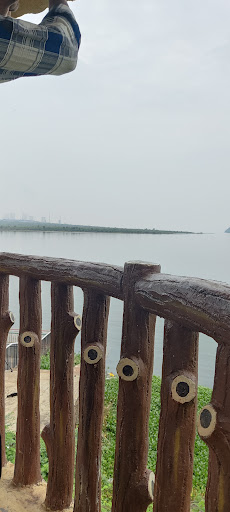
Scenic Views: Enjoy the serene surroundings and the beauty of the dam's reservoir. Local Interaction: Engage with locals to learn more about the dam's significance and its role in the area's water management.
Other Tips:
Weather Consideration: Carry essentials based on the weather, especially during the summer months. Comfortable Clothing: Wear comfortable clothes and suitable footwear for exploring the area. Respect Local Guidelines: Follow any specific guidelines provided by authorities at the dam.
Safety Precautions:
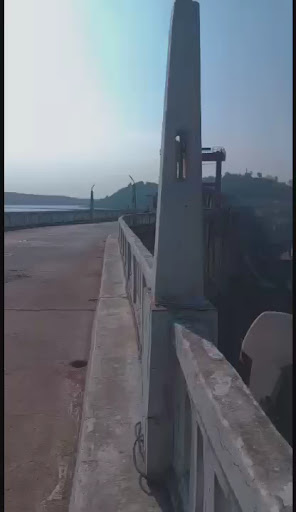
Security Measures: Pay attention to any security instructions provided at the dam premises. Waterfront Safety: Be cautious near the water; adhere to any safety barriers or guidelines.
Visiting Rana Pratap Sagar Dam in Rawatbhata offers a glimpse into its significance as a water resource and provides a serene atmosphere to appreciate nature's beauty amidst this...
Read moreThe Rana Pratap Sagar Dam, located in the state of Rajasthan, India, is a significant hydroelectric and irrigation project. Constructed on the Chambal River, the dam is named after the legendary Rajput king, Maharana Pratap. It forms a crucial part of the Chambal Valley Development scheme, which includes a series of dams and reservoirs aimed at harnessing the water resources of the Chambal River for power generation, irrigation, and flood control.
Commissioned in 1970, the Rana Pratap Sagar Dam stands 54 meters tall and spans approximately 1,143 meters across. Its reservoir has a gross storage capacity of 2.9 billion cubic meters, which plays a vital role in providing water for irrigation to the arid regions of Rajasthan and Madhya Pradesh. This irrigation capability supports the agricultural economy of the region, enabling the cultivation of various crops and enhancing the livelihood of farmers.
The dam also houses a hydroelectric power station with an installed capacity of 172 MW, consisting of four generating units. This power generation capacity contributes significantly to the regional electricity supply, supporting both residential and industrial demands.
Environmental and social impacts have been considered in the dam's operation, with efforts made to balance development needs with ecological preservation. The reservoir has also become a habitat for various species of fish and birds, contributing to the local biodiversity.
Overall, the Rana Pratap Sagar Dam represents a critical infrastructure project that supports sustainable development in the region, providing essential water and energy resources while also contributing to the local economy...
Read moreThe dam holding the Chambal River is an incredible sight, offering both natural beauty and an impressive display of engineering. The view from the dam is absolutely breathtaking—vast waters of the river stretch out beneath a stunning backdrop of lush greenery and rocky landscapes. The way the river flows, controlled by the dam, adds a sense of tranquility, making it a perfect spot to take in the beauty of nature. The integrated power plant is equally fascinating, showcasing how the force of the river is harnessed to generate electricity. It’s amazing to witness how such a massive infrastructure not only serves as a crucial water management system but also supports the region’s power needs. The area around the dam is peaceful and perfect for sightseeing, though it can get busy at peak times. Overall, it’s a must-see for those interested in both natural wonders and renewable energy. Highly...
Read more