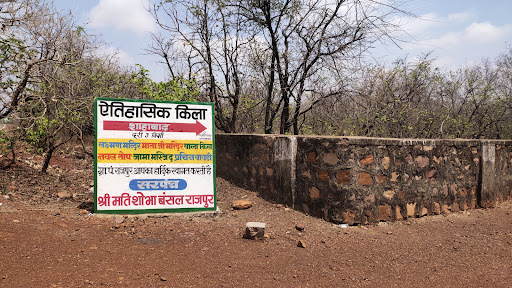
Shahabad Fort, also known as Khandar Fort, is located in Shahabad town in the Baran district of Rajasthan, India. It is an ancient fort with a significant historical background. Here's an overview of the history of Shahabad Fort:
Ancient and Medieval Period: The exact origins of Shahabad Fort are uncertain, but it is believed to have been constructed during the 10th century by the Chauhan Rajputs. It served as a strategic fortification to protect the region from invasions and attacks. Over the centuries, the fort passed through the hands of various dynasties, including the Chauhans, Mughals, Marathas, and British.
Chauhan Dynasty: Shahabad Fort was initially controlled by the Chauhan Rajputs, who were known for their valiant rulers and their resistance against foreign invasions. It is said that Prithviraj Chauhan, the renowned king of Delhi, also had a connection with the fort.
Mughal Empire: During the Mughal era, Shahabad Fort was captured by Emperor Akbar in the 16th century. The fort played a vital role as a defense structure in the region, securing the Mughal control over the area.
Maratha Influence: In the 18th century, the Marathas gained control of Shahabad Fort. The Maratha rulers used the fort as a stronghold to exert their influence in the region. However, their control over the fort was temporary as they faced opposition from other regional powers.
British Era: During the British colonial period, Shahabad Fort came under British control. The fort's strategic location made it important for the British administration, and they utilized it for military purposes. However, as the British influence spread, the fort's significance diminished. Check My VLOGS on Youtube for more History - BPS...
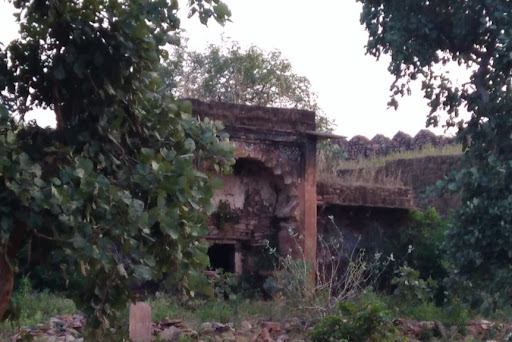
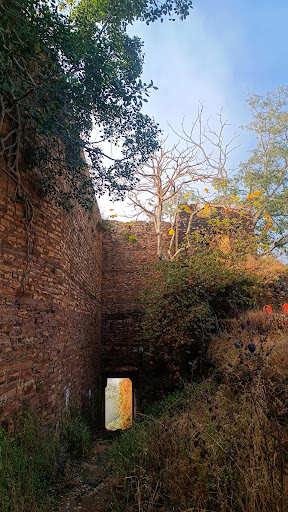
Read moreShahabad Fort is a hidden gem in Rajasthan, with a rich history dating back to the 8th and 9th centuries. Originally built by the Chauhan kings, the fort has witnessed the rule of various dynasties, including the Mughals and Marathas. It's a testament to the turbulent past of the region, having been a part of power struggles between different rulers. The fort's architecture reflects a blend of styles, with intricate carvings and massive walls that have withstood the test of time. The fort's current state is one of decay and neglect, which adds to its eerie charm. The ruins are overgrown with vegetation, and the structures are crumbling. It's not uncommon to find wild animals roaming the area, as it's connected to dense forests that extend into Shivpuri in Madhya Pradesh. This also means that it has been a hideout for dacoits in the past, adding to its mystique. Despite its historical significance, the fort has not been taken over by the Archaeological Survey of India (ASI) and remains under local administration. The lack of maintenance is evident, but it also gives visitors a raw, unfiltered experience of a historical site. For those planning to visit, it's highly recommended to go during the early hours of the day and leave well before sunset. The remote location and the fort's state of disrepair make it unsafe after dark. While it may not have the grandeur of other well-preserved forts, Shahabad Fort offers a unique glimpse into a bygone era and the untamed beauty of nature reclaiming a...

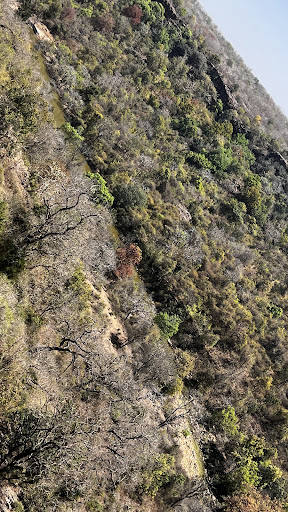
Read moreShahabad fort is the one of the best and strongest fort amongst the forts in Hadoti area. It is situated about 80 km. from Baran.The fort was constructed by the Chauhan Vanshi Dhandhel Rajput Mukutmani Dev in the century 1521 (Samvat 1577). This is situated in the dense forest area on the high mountain ranges. The fort is surrounded by Kundakoh valley on two sides. Third and fourth sides are surrounded by Ponds and high rocks respectively. The Topkhana (artillery), Barudkhana and some temples in the forts are still secure. It is said that the fort had 18 Cannons (Topes) in the past and one of the...
Read more