HTML SitemapExplore
logo
Find Things to DoFind The Best Restaurants

Shree Karni Mata Temple — Attraction in Rajasthan

Name
Shree Karni Mata Temple
Description
Nearby attractions
Nearby restaurants
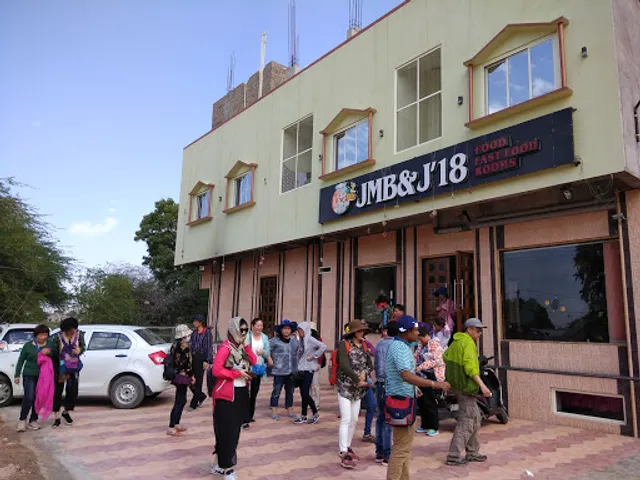
J 18 Cafe and Restaurant
Q8RQ+JJQ, करणी माता मंदिर रोड, Deshnok, Rajasthan 334801, India
Nearby hotels
Shree Karni Indra Palace
Petrolpump k pass, Deshnok, Rajasthan 334801, India
Hotel Kasturi Palace
NH-62, Service Road, near Petrol Pump, Deshnok, Rajasthan 334801, India
Related posts
Keywords
Shree Karni Mata Temple tourism.Shree Karni Mata Temple hotels.Shree Karni Mata Temple bed and breakfast. flights to Shree Karni Mata Temple.Shree Karni Mata Temple attractions.Shree Karni Mata Temple restaurants.Shree Karni Mata Temple travel.Shree Karni Mata Temple travel guide.Shree Karni Mata Temple travel blog.Shree Karni Mata Temple pictures.Shree Karni Mata Temple photos.Shree Karni Mata Temple travel tips.Shree Karni Mata Temple maps.Shree Karni Mata Temple things to do.
Shree Karni Mata Temple things to do, attractions, restaurants, events info and trip planning
Shree Karni Mata Temple
IndiaRajasthanShree Karni Mata Temple

Basic Info

Shree Karni Mata Temple

NH 89, Deshnok, Rajasthan 334801, India
4.7(11.8K)
Open 24 hours
Save
spot

Ratings & Description

Info

Cultural
Family friendly
attractions: , restaurants: J 18 Cafe and Restaurant
logoLearn more insights from Wanderboat AI.
Phone
+91 99284 23674

Plan your stay

hotel
Pet-friendly Hotels in Rajasthan
Find a cozy hotel nearby and make it a full experience.
hotel
Affordable Hotels in Rajasthan
Find a cozy hotel nearby and make it a full experience.
hotel
The Coolest Hotels You Haven't Heard Of (Yet)
Find a cozy hotel nearby and make it a full experience.
hotel
Trending Stays Worth the Hype in Rajasthan
Find a cozy hotel nearby and make it a full experience.

Reviews

Nearby restaurants of Shree Karni Mata Temple

J 18 Cafe and Restaurant

J 18 Cafe and Restaurant

J 18 Cafe and Restaurant

4.7

(92)

Click for details
Get the Appoverlay
Get the AppOne tap to find yournext favorite spots!
Wanderboat LogoWanderboat

Your everyday Al companion for getaway ideas

CompanyAbout Us
InformationAI Trip PlannerSitemap
SocialXInstagramTiktokLinkedin
LegalTerms of ServicePrivacy Policy

Get the app

© 2025 Wanderboat. All rights reserved.
logo

Reviews of Shree Karni Mata Temple

4.7
(11,760)
avatar
4.0
1y

Karni Temple, Bikaner

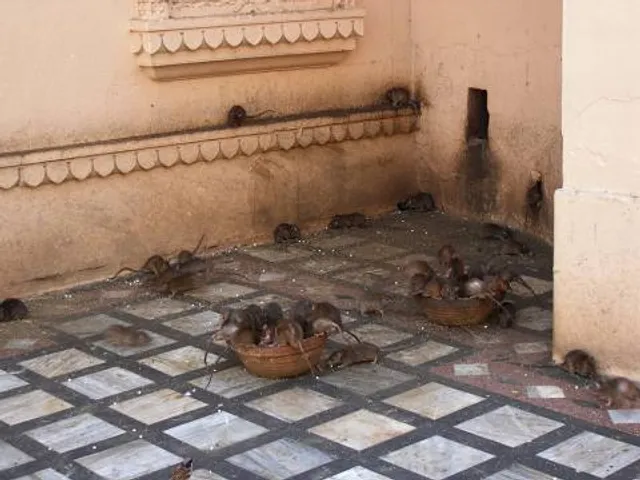
Karni Mata Temple in Bikaner is one of the most visited temples in Rajasthan. The shrine is dedicated to Goddess Mata Karni, considered to be an incarnation of Goddess Durga. It was built by Maharaja Ganga Singh of Bikaner in the 20th century in splendid Mughal style. Apart from the rats, the statue of Mata Karni, standing at almost 75cm, is a major crowd puller. It is also famously known as the Rat Temple, because rats are accorded the highest respect in this temple. In fact, they are worshipped just like the other deities of the temples. Visit the temple on any given day, and you will see hundreds of rats scurrying around its premises. Devotees place bowls of milk on the floor, which is then enjoyed by the rats. Afterwards, some of that is consumed by the devotees, as doing so is believed to bring about good luck and prosperity.Karni Mata Temple of Deshnoke (Hindi: करणी माता मंदिर), also known as Madh Deshnoke, is a prominent Hindu temple dedicated to Karni Mata at the town of Deshnoke, located 30 km south of Bikaner, in Rajasthan. It has become the most important pilgrimage site for devotees of Charani sagatis after access to Hinglaj was restricted following the partition of India. The temple is also a popular destination for tourists and pilgrims and is renowned, both in India and internationally, as the "Temple of Rats" due to the numerous rodents known as kābā which are considered holy and treated with utmost care by devotees. This is sometimes upheld as exemplary of an "environmentally conscious Hindu ethos". The temple draws visitors from across the country for blessings, as well as curious tourists from around the world.1

The temple was originally constituted around 1530, after the mahaprayan of Karni Mata. It initially began with the inner sanctum covered by the dome and grew in size with constructions being added by the devotees through the following centuries.3]

The holy Kābā Legend Karni Mata was an embodiment of Shakti and remained celibate; she married her younger sister to her husband, Depaji, for the continuation of his line. With her, Depaji had four sons, the youngest of whom was Lakshman. Karniji cared for them as her own children.[2]

One day, Lakshman drowned in Kapil Sarovar in nearby Kolayat while bathing. Her younger sister pleaded to Karni Mata to bring Lakshman back to life. Thus, Karni Mata lifted the boy's body with her hands and brought it to where the murti (inner sanctum) is now, closed the doors, and said not to open them. She went to the god of death, Yamraj, and demanded for Lakshman to be returned to life. The god of death queried, "if so, how will the cycle of rebirth work? By what law will it move?" Karni Mata thus declared that her family will not come to Yamraj anymore. "Wherever I live, they will live. When they die, they will stay with me."[2

Then, Karni Mata chose the embodied form of the kābā (rat) — so that when human Charanas from her lineage die, they will be reborn as kābā and live near her within the temple, and when kābā die, they will again be reborn as human Charanas.4] In this manner, Charan transmigration differs from this general understanding of Hindu transmigration, in that the jāti is maintained across births despite being in a differently embodied form.[2

At present

Kābā eating prasad (kheer). In the temple complex reside approximately 20,000 kābā who are cared for by the temple's staff and workers who consider them as kin. The kābā reside and move in spaces throughout the inner temple complex, including within the main temple, the kitchen, near the massive iron pots used to make halwa, in the various side rooms, and on the rooftop. In each space, there are different food items available to the kābā.[2]

Those nearest to the murti of Karni Mata feed on the various forms of prasad offered to the goddess such as laddu, nuts, coconut, and sugar crystals as well as milk, roti, grains, fruits, vegetables, and even liquor. For the kābā on the rooftop and near the iron pots, their diet consists mainly of grains,...

   Read more

avatar
3.0
2y

My visit to Shree Karni Mata Temple, also known as the Rat Temple, was an extraordinary and unforgettable experience. Located in Deshnoke, Rajasthan, this temple is famous for its unique inhabitants - the holy rats. While it may seem unconventional, the temple offers a fascinating blend of spirituality, culture, and an opportunity to witness an ancient tradition.

Cultural Significance: Shree Karni Mata Temple holds immense cultural significance, especially for the local community. It is believed to be a place of worship dedicated to Karni Mata, a revered saint and incarnation of the goddess Durga. The temple serves as a symbol of devotion and faith, attracting pilgrims from far and wide who seek blessings and spiritual solace.

Unique Tradition: The presence of thousands of rats within the temple is what sets it apart and makes it a truly distinctive destination. Considered sacred and believed to be the reincarnations of Karni Mata's devotees, the rats are revered and cared for by the temple priests and visitors alike. Witnessing this ancient tradition and observing the devotion of the devotees towards these creatures was a truly unique experience.

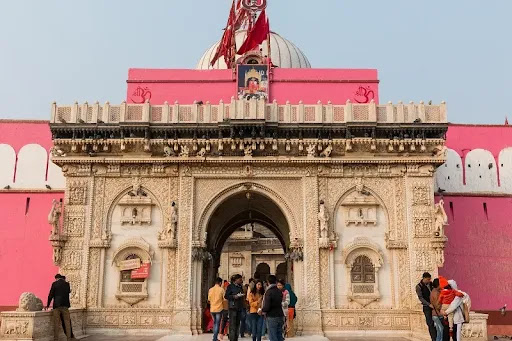
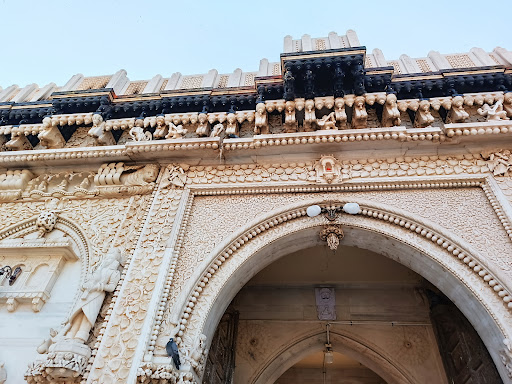
Architectural Beauty: The architecture of Shree Karni Mata Temple is breathtaking. The intricately carved marble façade, vibrant colors, and detailed artwork showcase the artistic brilliance of Rajasthani craftsmanship. Exploring the temple's various chambers and halls allowed me to marvel at the beautiful architecture and admire the fusion of Hindu and Mughal architectural styles.

Spiritual Aura: Upon entering the temple, I was enveloped in a spiritual aura that was both serene and powerful. The chants, the fragrance of incense, and the devout atmosphere created a sense of reverence and tranquility. It offered a chance for introspection, prayer, and connecting with the divine in a unique setting.

While the temple has its unique cultural and religious significance, there were certain aspects of the experience that made me uncomfortable and detracted from my overall enjoyment.

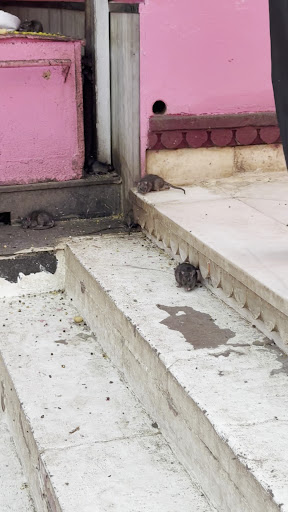
Hygiene Concerns: The large population of rats within the temple poses hygiene concerns. Despite efforts to maintain cleanliness, the presence of rodents and their droppings can be off-putting for some visitors. The strong odor and the sight of rats moving freely around the temple premises can be unsettling and make it challenging to fully immerse oneself in the spiritual ambiance.

Overcrowding: Shree Karni Mata Temple attracts a significant number of visitors, which can lead to overcrowding, especially during peak times. Navigating through the narrow passages and jostling for space among the devotees can be overwhelming and hinder the ability to fully appreciate the temple's beauty and tranquility.

Limited Accessibility: The temple's layout and design may pose challenges for individuals with mobility issues or those who require special assistance. The uneven flooring, steep steps, and congested areas can make it difficult to explore the temple comfortably. This lack of accessibility may restrict the enjoyment and participation of certain visitors.

Safety Concerns: Given the large number of rats, there is a potential risk of bites or scratches, although the temple authorities take measures to minimize such incidents. Visitors need to exercise caution and be aware of their surroundings to avoid any unwanted encounters with the rats. This concern about safety may deter some individuals from fully engaging in the spiritual experience.

Conclusion: Shree Karni Mata Temple, or the Rat Temple, offers a unique and culturally significant experience. While the temple's distinct tradition, architectural beauty, and spiritual ambiance make it noteworthy, the presence of rats and related concerns can make the experience uncomfortable for some visitors. It's important to consider personal preferences and sensitivities before deciding to visit this...

   Read more
avatar
5.0
1y

Also Known as Rat Temple, Karni Mata temple is considered as home to as many as 20,000 sacred rats, which live and are protected here. This is the reason why this temple is also known as the Rat Temple of India. It is located at Deshnoke, Rajasthan, which is just 30Kms away from Bikaner. It is believed that the Karni Mata was a sage lady, who was born in 1387 in the Charan caste of Hindus. The Karni Mata Temple is completely dedicated to her. She also was the official deity of the royal families of Jodhpur and Bikaner. Karni Mata was also often referred as the Nari Bai. It is known that Karni Mata was married to a man named Kipoji Charan of Sathika village but she denied to engage herself in any sort of matrimonial relationships and got her younger sister Gulab to marry her husband (Kipoji Charan) so that they both could live a happy married life. Karni Mata then lived rest of her life in celibacy. It is believed that in 1538, when she was returning to Deshnok with her stepson Poonjar and other followers. It was when they were near Gadiyala and Girirajsar in Bikaner district where she asked the caravan to stop for water and she disappeared there, reportedly at the age of 151 years . Some Intresting Facts About Karni Mata Temple The 20,000 black rats that live in the Karni Mata Temple are known as Kabbas and it is believed by the locals that these rats were 20,000 strong army men who deserted a nearby battle. Although the sin of desertion was punishable by death, but Karni Mata spared their lives but made them rats who live here since then. Although there are 1000s of rats in this Rat Temple but never a single case of Plague is found in the temple or around. Even when any of these rats die, it never produces any sort of foul smell. If a single Rat is killed in the Karni Mata Temple, it must be replaced with a rat of similar weight and size, made of solid Gold. Among thousands of black rats, a few white rats also live here, who are considered to be supremely holy and manifestations of Karni Mata and here four sons. Shri Karani Mata is the reincarnation of the goddess Jagadamba.

As the temple is home to thousands of rats that are highly revered here, it is also known by the name of the Temple of Rats. At this temple, rats are venerated and considered holy, and thus they are fed and worshiped by visitors. These rats may jump over the feet of pilgrims and devotees but they never bite or harm anyone. Besides seeking the blessings of Karni Mata, it is the rats of the temple that more than anything evokes curiosity in people and attract them in great numbers not just from across the nation but the world.

As per the most popular legend, Laxman, the stepson of Karni Mata, was once drowned in Kapil Sarovar when he was trying to drink water from it. When Karni Mata got to know about this incident, she implored Yama, the god of death, to revive her son. The god of death initially rejected her plea, but later on, gave in and agreed to allow the reincarnation of Laxman and all the sons of Karni Mata as rats.

Another famous folklore focuses on the presence of rats in Karni Mata Mandir. As per this legend, around 20, 000 soldiers once decided to desert a battle and returned to Deshnok to save their lives. When Karni Mata came to know about this act, which was a sin of deserting their responsibility, she got furious and wanted to punish them by the death penalty. However, later, her heart melted and she decided to spare their lives but turned the entire army into rats. On being spared of their lives, the army expressed their graduate and promised to serve Karni...

   Read more
Page 1 of 7
Previous
Next

Posts

Pankaj KataraPankaj Katara
Karni Temple, Bikaner Karni Mata Temple in Bikaner is one of the most visited temples in Rajasthan. The shrine is dedicated to Goddess Mata Karni, considered to be an incarnation of Goddess Durga. It was built by Maharaja Ganga Singh of Bikaner in the 20th century in splendid Mughal style. Apart from the rats, the statue of Mata Karni, standing at almost 75cm, is a major crowd puller. It is also famously known as the Rat Temple, because rats are accorded the highest respect in this temple. In fact, they are worshipped just like the other deities of the temples. Visit the temple on any given day, and you will see hundreds of rats scurrying around its premises. Devotees place bowls of milk on the floor, which is then enjoyed by the rats. Afterwards, some of that is consumed by the devotees, as doing so is believed to bring about good luck and prosperity.Karni Mata Temple of Deshnoke (Hindi: करणी माता मंदिर), also known as Madh Deshnoke, is a prominent Hindu temple dedicated to Karni Mata at the town of Deshnoke, located 30 km south of Bikaner, in Rajasthan. It has become the most important pilgrimage site for devotees of Charani sagatis after access to Hinglaj was restricted following the partition of India. The temple is also a popular destination for tourists and pilgrims and is renowned, both in India and internationally, as the "Temple of Rats" due to the numerous rodents known as kābā which are considered holy and treated with utmost care by devotees. This is sometimes upheld as exemplary of an "environmentally conscious Hindu ethos". The temple draws visitors from across the country for blessings, as well as curious tourists from around the world.[1][2] The temple was originally constituted around 1530, after the mahaprayan of Karni Mata. It initially began with the inner sanctum covered by the dome and grew in size with constructions being added by the devotees through the following centuries.[3] The holy Kābā Legend Karni Mata was an embodiment of Shakti and remained celibate; she married her younger sister to her husband, Depaji, for the continuation of his line. With her, Depaji had four sons, the youngest of whom was Lakshman. Karniji cared for them as her own children.[2] One day, Lakshman drowned in Kapil Sarovar in nearby Kolayat while bathing. Her younger sister pleaded to Karni Mata to bring Lakshman back to life. Thus, Karni Mata lifted the boy's body with her hands and brought it to where the murti (inner sanctum) is now, closed the doors, and said not to open them. She went to the god of death, Yamraj, and demanded for Lakshman to be returned to life. The god of death queried, "if so, how will the cycle of rebirth work? By what law will it move?" Karni Mata thus declared that her family will not come to Yamraj anymore. "Wherever I live, they will live. When they die, they will stay with me."[2][3] Then, Karni Mata chose the embodied form of the kābā (rat) — so that when human Charanas from her lineage die, they will be reborn as kābā and live near her within the temple, and when kābā die, they will again be reborn as human Charanas.[4] In this manner, Charan transmigration differs from this general understanding of Hindu transmigration, in that the jāti is maintained across births despite being in a differently embodied form.[2][3] At present Kābā eating prasad (kheer). In the temple complex reside approximately 20,000 kābā who are cared for by the temple's staff and workers who consider them as kin. The kābā reside and move in spaces throughout the inner temple complex, including within the main temple, the kitchen, near the massive iron pots used to make halwa, in the various side rooms, and on the rooftop. In each space, there are different food items available to the kābā.[2] Those nearest to the murti of Karni Mata feed on the various forms of prasad offered to the goddess such as laddu, nuts, coconut, and sugar crystals as well as milk, roti, grains, fruits, vegetables, and even liquor. For the kābā on the rooftop and near the iron pots, their diet consists mainly of grains, fruits, vege
Subhadip BiswasSubhadip Biswas
My visit to Shree Karni Mata Temple, also known as the Rat Temple, was an extraordinary and unforgettable experience. Located in Deshnoke, Rajasthan, this temple is famous for its unique inhabitants - the holy rats. While it may seem unconventional, the temple offers a fascinating blend of spirituality, culture, and an opportunity to witness an ancient tradition. Cultural Significance: Shree Karni Mata Temple holds immense cultural significance, especially for the local community. It is believed to be a place of worship dedicated to Karni Mata, a revered saint and incarnation of the goddess Durga. The temple serves as a symbol of devotion and faith, attracting pilgrims from far and wide who seek blessings and spiritual solace. Unique Tradition: The presence of thousands of rats within the temple is what sets it apart and makes it a truly distinctive destination. Considered sacred and believed to be the reincarnations of Karni Mata's devotees, the rats are revered and cared for by the temple priests and visitors alike. Witnessing this ancient tradition and observing the devotion of the devotees towards these creatures was a truly unique experience. Architectural Beauty: The architecture of Shree Karni Mata Temple is breathtaking. The intricately carved marble façade, vibrant colors, and detailed artwork showcase the artistic brilliance of Rajasthani craftsmanship. Exploring the temple's various chambers and halls allowed me to marvel at the beautiful architecture and admire the fusion of Hindu and Mughal architectural styles. Spiritual Aura: Upon entering the temple, I was enveloped in a spiritual aura that was both serene and powerful. The chants, the fragrance of incense, and the devout atmosphere created a sense of reverence and tranquility. It offered a chance for introspection, prayer, and connecting with the divine in a unique setting. While the temple has its unique cultural and religious significance, there were certain aspects of the experience that made me uncomfortable and detracted from my overall enjoyment. Hygiene Concerns: The large population of rats within the temple poses hygiene concerns. Despite efforts to maintain cleanliness, the presence of rodents and their droppings can be off-putting for some visitors. The strong odor and the sight of rats moving freely around the temple premises can be unsettling and make it challenging to fully immerse oneself in the spiritual ambiance. Overcrowding: Shree Karni Mata Temple attracts a significant number of visitors, which can lead to overcrowding, especially during peak times. Navigating through the narrow passages and jostling for space among the devotees can be overwhelming and hinder the ability to fully appreciate the temple's beauty and tranquility. Limited Accessibility: The temple's layout and design may pose challenges for individuals with mobility issues or those who require special assistance. The uneven flooring, steep steps, and congested areas can make it difficult to explore the temple comfortably. This lack of accessibility may restrict the enjoyment and participation of certain visitors. Safety Concerns: Given the large number of rats, there is a potential risk of bites or scratches, although the temple authorities take measures to minimize such incidents. Visitors need to exercise caution and be aware of their surroundings to avoid any unwanted encounters with the rats. This concern about safety may deter some individuals from fully engaging in the spiritual experience. Conclusion: Shree Karni Mata Temple, or the Rat Temple, offers a unique and culturally significant experience. While the temple's distinct tradition, architectural beauty, and spiritual ambiance make it noteworthy, the presence of rats and related concerns can make the experience uncomfortable for some visitors. It's important to consider personal preferences and sensitivities before deciding to visit this distinctive temple.
Deepika LadhaDeepika Ladha
Also Known as Rat Temple, Karni Mata temple is considered as home to as many as 20,000 sacred rats, which live and are protected here. This is the reason why this temple is also known as the Rat Temple of India. It is located at Deshnoke, Rajasthan, which is just 30Kms away from Bikaner. It is believed that the Karni Mata was a sage lady, who was born in 1387 in the Charan caste of Hindus. The Karni Mata Temple is completely dedicated to her. She also was the official deity of the royal families of Jodhpur and Bikaner. Karni Mata was also often referred as the Nari Bai. It is known that Karni Mata was married to a man named Kipoji Charan of Sathika village but she denied to engage herself in any sort of matrimonial relationships and got her younger sister Gulab to marry her husband (Kipoji Charan) so that they both could live a happy married life. Karni Mata then lived rest of her life in celibacy. It is believed that in 1538, when she was returning to Deshnok with her stepson Poonjar and other followers. It was when they were near Gadiyala and Girirajsar in Bikaner district where she asked the caravan to stop for water and she disappeared there, reportedly at the age of 151 years . Some Intresting Facts About Karni Mata Temple The 20,000 black rats that live in the Karni Mata Temple are known as Kabbas and it is believed by the locals that these rats were 20,000 strong army men who deserted a nearby battle. Although the sin of desertion was punishable by death, but Karni Mata spared their lives but made them rats who live here since then. Although there are 1000s of rats in this Rat Temple but never a single case of Plague is found in the temple or around. Even when any of these rats die, it never produces any sort of foul smell. If a single Rat is killed in the Karni Mata Temple, it must be replaced with a rat of similar weight and size, made of solid Gold. Among thousands of black rats, a few white rats also live here, who are considered to be supremely holy and manifestations of Karni Mata and here four sons. Shri Karani Mata is the reincarnation of the goddess Jagadamba. As the temple is home to thousands of rats that are highly revered here, it is also known by the name of the Temple of Rats. At this temple, rats are venerated and considered holy, and thus they are fed and worshiped by visitors. These rats may jump over the feet of pilgrims and devotees but they never bite or harm anyone. Besides seeking the blessings of Karni Mata, it is the rats of the temple that more than anything evokes curiosity in people and attract them in great numbers not just from across the nation but the world. As per the most popular legend, Laxman, the stepson of Karni Mata, was once drowned in Kapil Sarovar when he was trying to drink water from it. When Karni Mata got to know about this incident, she implored Yama, the god of death, to revive her son. The god of death initially rejected her plea, but later on, gave in and agreed to allow the reincarnation of Laxman and all the sons of Karni Mata as rats. Another famous folklore focuses on the presence of rats in Karni Mata Mandir. As per this legend, around 20, 000 soldiers once decided to desert a battle and returned to Deshnok to save their lives. When Karni Mata came to know about this act, which was a sin of deserting their responsibility, she got furious and wanted to punish them by the death penalty. However, later, her heart melted and she decided to spare their lives but turned the entire army into rats. On being spared of their lives, the army expressed their graduate and promised to serve Karni Mata forever.
See more posts
See more posts
hotel
Find your stay

Pet-friendly Hotels in Rajasthan

Find a cozy hotel nearby and make it a full experience.

Karni Temple, Bikaner Karni Mata Temple in Bikaner is one of the most visited temples in Rajasthan. The shrine is dedicated to Goddess Mata Karni, considered to be an incarnation of Goddess Durga. It was built by Maharaja Ganga Singh of Bikaner in the 20th century in splendid Mughal style. Apart from the rats, the statue of Mata Karni, standing at almost 75cm, is a major crowd puller. It is also famously known as the Rat Temple, because rats are accorded the highest respect in this temple. In fact, they are worshipped just like the other deities of the temples. Visit the temple on any given day, and you will see hundreds of rats scurrying around its premises. Devotees place bowls of milk on the floor, which is then enjoyed by the rats. Afterwards, some of that is consumed by the devotees, as doing so is believed to bring about good luck and prosperity.Karni Mata Temple of Deshnoke (Hindi: करणी माता मंदिर), also known as Madh Deshnoke, is a prominent Hindu temple dedicated to Karni Mata at the town of Deshnoke, located 30 km south of Bikaner, in Rajasthan. It has become the most important pilgrimage site for devotees of Charani sagatis after access to Hinglaj was restricted following the partition of India. The temple is also a popular destination for tourists and pilgrims and is renowned, both in India and internationally, as the "Temple of Rats" due to the numerous rodents known as kābā which are considered holy and treated with utmost care by devotees. This is sometimes upheld as exemplary of an "environmentally conscious Hindu ethos". The temple draws visitors from across the country for blessings, as well as curious tourists from around the world.[1][2] The temple was originally constituted around 1530, after the mahaprayan of Karni Mata. It initially began with the inner sanctum covered by the dome and grew in size with constructions being added by the devotees through the following centuries.[3] The holy Kābā Legend Karni Mata was an embodiment of Shakti and remained celibate; she married her younger sister to her husband, Depaji, for the continuation of his line. With her, Depaji had four sons, the youngest of whom was Lakshman. Karniji cared for them as her own children.[2] One day, Lakshman drowned in Kapil Sarovar in nearby Kolayat while bathing. Her younger sister pleaded to Karni Mata to bring Lakshman back to life. Thus, Karni Mata lifted the boy's body with her hands and brought it to where the murti (inner sanctum) is now, closed the doors, and said not to open them. She went to the god of death, Yamraj, and demanded for Lakshman to be returned to life. The god of death queried, "if so, how will the cycle of rebirth work? By what law will it move?" Karni Mata thus declared that her family will not come to Yamraj anymore. "Wherever I live, they will live. When they die, they will stay with me."[2][3] Then, Karni Mata chose the embodied form of the kābā (rat) — so that when human Charanas from her lineage die, they will be reborn as kābā and live near her within the temple, and when kābā die, they will again be reborn as human Charanas.[4] In this manner, Charan transmigration differs from this general understanding of Hindu transmigration, in that the jāti is maintained across births despite being in a differently embodied form.[2][3] At present Kābā eating prasad (kheer). In the temple complex reside approximately 20,000 kābā who are cared for by the temple's staff and workers who consider them as kin. The kābā reside and move in spaces throughout the inner temple complex, including within the main temple, the kitchen, near the massive iron pots used to make halwa, in the various side rooms, and on the rooftop. In each space, there are different food items available to the kābā.[2] Those nearest to the murti of Karni Mata feed on the various forms of prasad offered to the goddess such as laddu, nuts, coconut, and sugar crystals as well as milk, roti, grains, fruits, vegetables, and even liquor. For the kābā on the rooftop and near the iron pots, their diet consists mainly of grains, fruits, vege
Pankaj Katara

Pankaj Katara

hotel
Find your stay

Affordable Hotels in Rajasthan

Find a cozy hotel nearby and make it a full experience.

Get the Appoverlay
Get the AppOne tap to find yournext favorite spots!
My visit to Shree Karni Mata Temple, also known as the Rat Temple, was an extraordinary and unforgettable experience. Located in Deshnoke, Rajasthan, this temple is famous for its unique inhabitants - the holy rats. While it may seem unconventional, the temple offers a fascinating blend of spirituality, culture, and an opportunity to witness an ancient tradition. Cultural Significance: Shree Karni Mata Temple holds immense cultural significance, especially for the local community. It is believed to be a place of worship dedicated to Karni Mata, a revered saint and incarnation of the goddess Durga. The temple serves as a symbol of devotion and faith, attracting pilgrims from far and wide who seek blessings and spiritual solace. Unique Tradition: The presence of thousands of rats within the temple is what sets it apart and makes it a truly distinctive destination. Considered sacred and believed to be the reincarnations of Karni Mata's devotees, the rats are revered and cared for by the temple priests and visitors alike. Witnessing this ancient tradition and observing the devotion of the devotees towards these creatures was a truly unique experience. Architectural Beauty: The architecture of Shree Karni Mata Temple is breathtaking. The intricately carved marble façade, vibrant colors, and detailed artwork showcase the artistic brilliance of Rajasthani craftsmanship. Exploring the temple's various chambers and halls allowed me to marvel at the beautiful architecture and admire the fusion of Hindu and Mughal architectural styles. Spiritual Aura: Upon entering the temple, I was enveloped in a spiritual aura that was both serene and powerful. The chants, the fragrance of incense, and the devout atmosphere created a sense of reverence and tranquility. It offered a chance for introspection, prayer, and connecting with the divine in a unique setting. While the temple has its unique cultural and religious significance, there were certain aspects of the experience that made me uncomfortable and detracted from my overall enjoyment. Hygiene Concerns: The large population of rats within the temple poses hygiene concerns. Despite efforts to maintain cleanliness, the presence of rodents and their droppings can be off-putting for some visitors. The strong odor and the sight of rats moving freely around the temple premises can be unsettling and make it challenging to fully immerse oneself in the spiritual ambiance. Overcrowding: Shree Karni Mata Temple attracts a significant number of visitors, which can lead to overcrowding, especially during peak times. Navigating through the narrow passages and jostling for space among the devotees can be overwhelming and hinder the ability to fully appreciate the temple's beauty and tranquility. Limited Accessibility: The temple's layout and design may pose challenges for individuals with mobility issues or those who require special assistance. The uneven flooring, steep steps, and congested areas can make it difficult to explore the temple comfortably. This lack of accessibility may restrict the enjoyment and participation of certain visitors. Safety Concerns: Given the large number of rats, there is a potential risk of bites or scratches, although the temple authorities take measures to minimize such incidents. Visitors need to exercise caution and be aware of their surroundings to avoid any unwanted encounters with the rats. This concern about safety may deter some individuals from fully engaging in the spiritual experience. Conclusion: Shree Karni Mata Temple, or the Rat Temple, offers a unique and culturally significant experience. While the temple's distinct tradition, architectural beauty, and spiritual ambiance make it noteworthy, the presence of rats and related concerns can make the experience uncomfortable for some visitors. It's important to consider personal preferences and sensitivities before deciding to visit this distinctive temple.
Subhadip Biswas

Subhadip Biswas

hotel
Find your stay

The Coolest Hotels You Haven't Heard Of (Yet)

Find a cozy hotel nearby and make it a full experience.

hotel
Find your stay

Trending Stays Worth the Hype in Rajasthan

Find a cozy hotel nearby and make it a full experience.

Also Known as Rat Temple, Karni Mata temple is considered as home to as many as 20,000 sacred rats, which live and are protected here. This is the reason why this temple is also known as the Rat Temple of India. It is located at Deshnoke, Rajasthan, which is just 30Kms away from Bikaner. It is believed that the Karni Mata was a sage lady, who was born in 1387 in the Charan caste of Hindus. The Karni Mata Temple is completely dedicated to her. She also was the official deity of the royal families of Jodhpur and Bikaner. Karni Mata was also often referred as the Nari Bai. It is known that Karni Mata was married to a man named Kipoji Charan of Sathika village but she denied to engage herself in any sort of matrimonial relationships and got her younger sister Gulab to marry her husband (Kipoji Charan) so that they both could live a happy married life. Karni Mata then lived rest of her life in celibacy. It is believed that in 1538, when she was returning to Deshnok with her stepson Poonjar and other followers. It was when they were near Gadiyala and Girirajsar in Bikaner district where she asked the caravan to stop for water and she disappeared there, reportedly at the age of 151 years . Some Intresting Facts About Karni Mata Temple The 20,000 black rats that live in the Karni Mata Temple are known as Kabbas and it is believed by the locals that these rats were 20,000 strong army men who deserted a nearby battle. Although the sin of desertion was punishable by death, but Karni Mata spared their lives but made them rats who live here since then. Although there are 1000s of rats in this Rat Temple but never a single case of Plague is found in the temple or around. Even when any of these rats die, it never produces any sort of foul smell. If a single Rat is killed in the Karni Mata Temple, it must be replaced with a rat of similar weight and size, made of solid Gold. Among thousands of black rats, a few white rats also live here, who are considered to be supremely holy and manifestations of Karni Mata and here four sons. Shri Karani Mata is the reincarnation of the goddess Jagadamba. As the temple is home to thousands of rats that are highly revered here, it is also known by the name of the Temple of Rats. At this temple, rats are venerated and considered holy, and thus they are fed and worshiped by visitors. These rats may jump over the feet of pilgrims and devotees but they never bite or harm anyone. Besides seeking the blessings of Karni Mata, it is the rats of the temple that more than anything evokes curiosity in people and attract them in great numbers not just from across the nation but the world. As per the most popular legend, Laxman, the stepson of Karni Mata, was once drowned in Kapil Sarovar when he was trying to drink water from it. When Karni Mata got to know about this incident, she implored Yama, the god of death, to revive her son. The god of death initially rejected her plea, but later on, gave in and agreed to allow the reincarnation of Laxman and all the sons of Karni Mata as rats. Another famous folklore focuses on the presence of rats in Karni Mata Mandir. As per this legend, around 20, 000 soldiers once decided to desert a battle and returned to Deshnok to save their lives. When Karni Mata came to know about this act, which was a sin of deserting their responsibility, she got furious and wanted to punish them by the death penalty. However, later, her heart melted and she decided to spare their lives but turned the entire army into rats. On being spared of their lives, the army expressed their graduate and promised to serve Karni Mata forever.
Deepika Ladha

Deepika Ladha

See more posts
See more posts