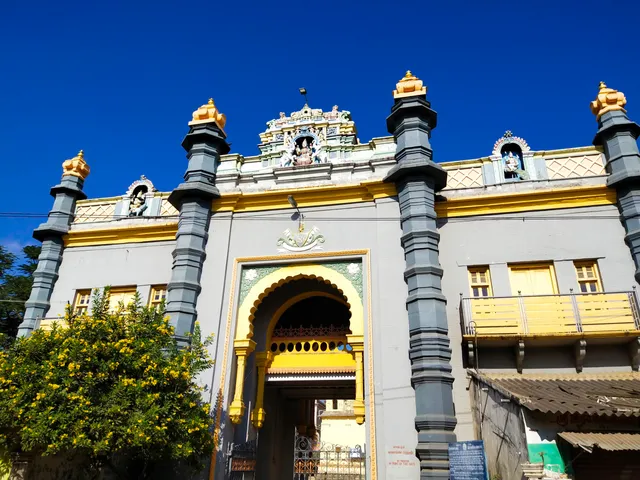
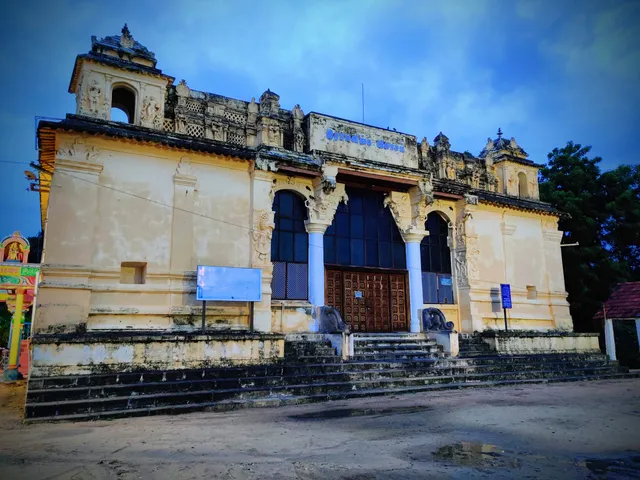
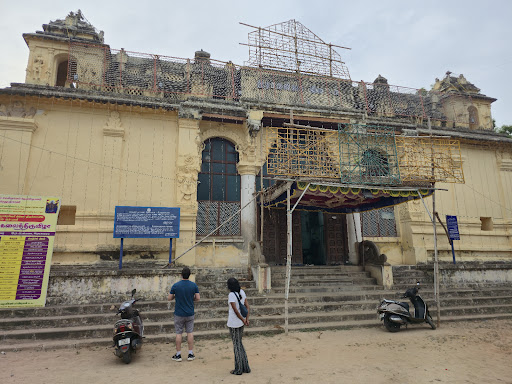
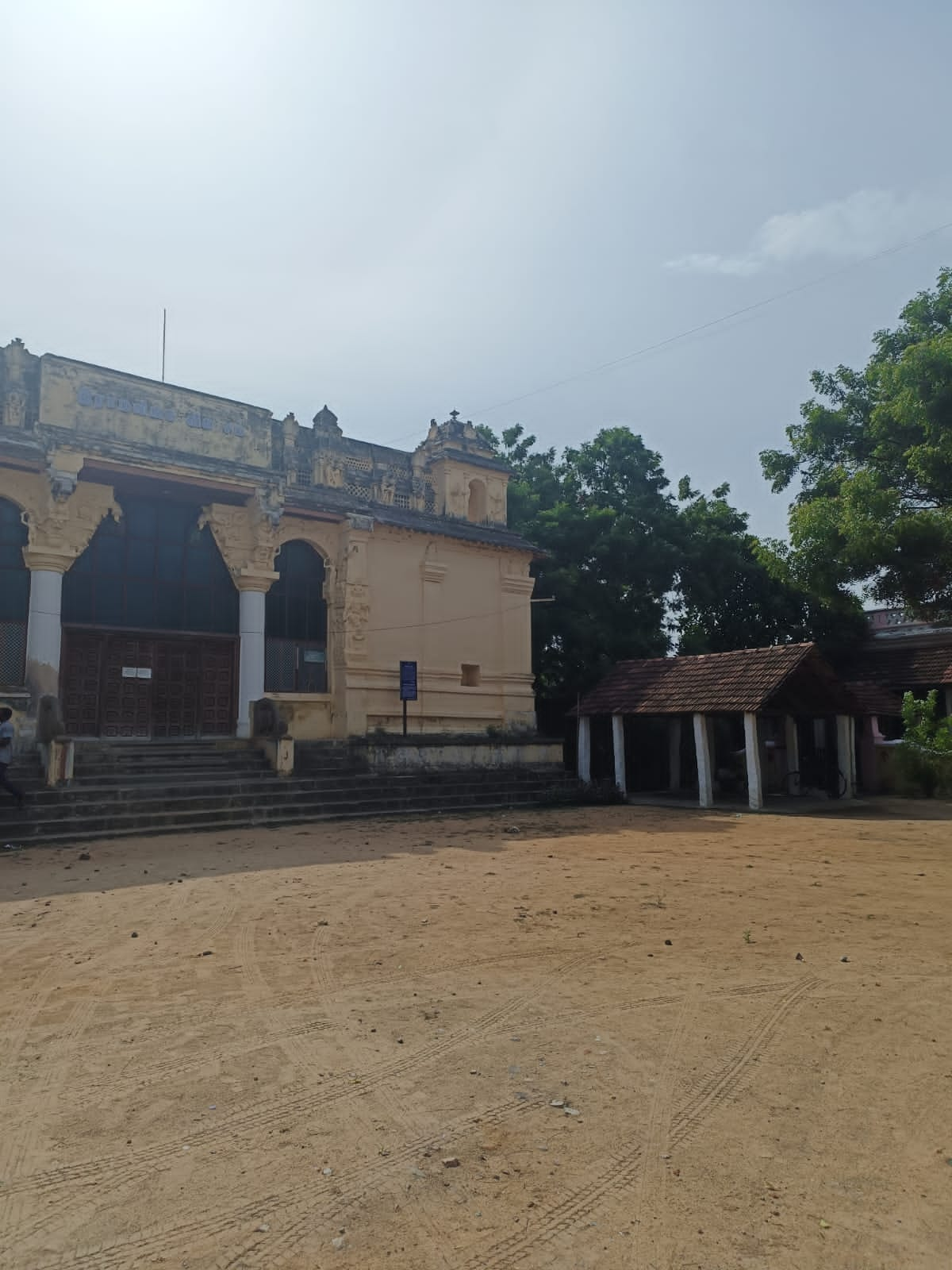
Ramanathapuram Fort Before Ramanathapuram became the capital of the Sethupathis, this city was located inside a small earthen fort. References about it are available from the 12th century AD. Before that, the Sethupathis who ruled from Bogalur as their capital used it. The Koorichattanar temple inside this fort was built by Koothan Sethupathi. The Sokkanath temple was built on the siteSethupathi. The Rajarajeswari Temple was built by Tirumalai Regunatha Sethupathi. There was also a residence for the king inside this fort. After 1678 AD, Kizhavan Sethupathi made Ramanathapuram the capital of the Sethupathis. He converted the mud fort into a rectangular stone fort. It was built with a single gate on the east and a wall 27 feet high and five feet wide, with a circumference of two miles. A deep moat was built around it. To protect the fort from the enemy, 42 bastions were built around the fort wall. British documents state that forty-four cannons were placed on them in AD 1770. The notes of the British commander Joseph Smith and General Paterson contain a detailed description of the special features of the fort. The wall and bastions of the Ramanathapuram fort were demolished and razed to the ground in AD 1803-1804 by the order of the British governor. Today, only one bastion, known as the corner bastion, remains to the southwest of the city as a sign of the existence of a fort in Ramanathapuram. It has a structure for placing nine cannons. The Sethupathis ruled the old Ramanathapuram district. They were called Sethupathis in the sense of leaders of the Sethu (coast). The Sethu kingdom was ruled by the Sethu Nadu Maravar sect, one of the seven divisions of the Maravar people. Historians believe that they came from the Chola Kingdom and settled in the Thirumayam area. Later, they came to the Ramanathapuram area. In the 12th century AD, Vijayaragunatha Muthuvaiya Muthuramalinga Sethupathi was in the Thirumayam area. It is said that he laid the foundation of the Thirumayam fort. It is believed that Udayan Sethupathi built the Rameswaram temple complex in the 15th century AD. However, the history of Sethupathi is clear only after Udayan Regunatha Sethupathi (1601-1623 AD), who was appointed by the Madurai Nayaka kings after 1601 AD to protect the coastal area of Ramanathapuram and Rameswaram and to provide security to travelers visiting Rameswaram.Udayan Sadaikan Sethupathi, who is credited with establishing the kingdom of the Sethupathi kings, established a town called Bogalur, located west of Ramanathapuram, as his capital.He ruled with. His descendants ruled the Ramanathapuram region as autonomous kings until AD 1795. After that, the country came under the control of the British. In AD 1803, the Sethupathis were appointed as the Zamindars of Ramanathapuram and remained in power until the abolition of Zamindars (AD 1948) after India gained...
Read moreNot worth it. Only visit here if you have to stay around ramanathapuram and have absolutely nothing to do..
I visited on Sunday and there was no one except the guy collecting the fee
Place is very well connected via public transport.
There is small entry fee here, and they collect a fee even to take pictures via mobile phone Its open till 5PM.
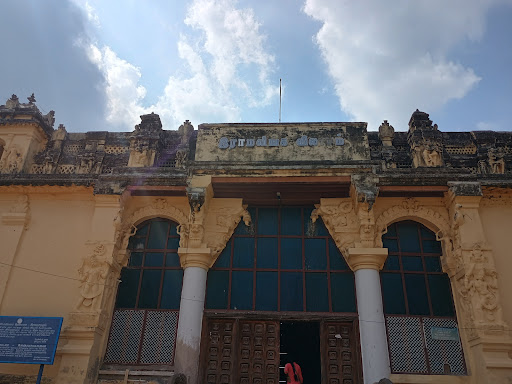
Place is under ASI and is seems to be maintained decently. From outside, it looks good.
Inside its not good at all
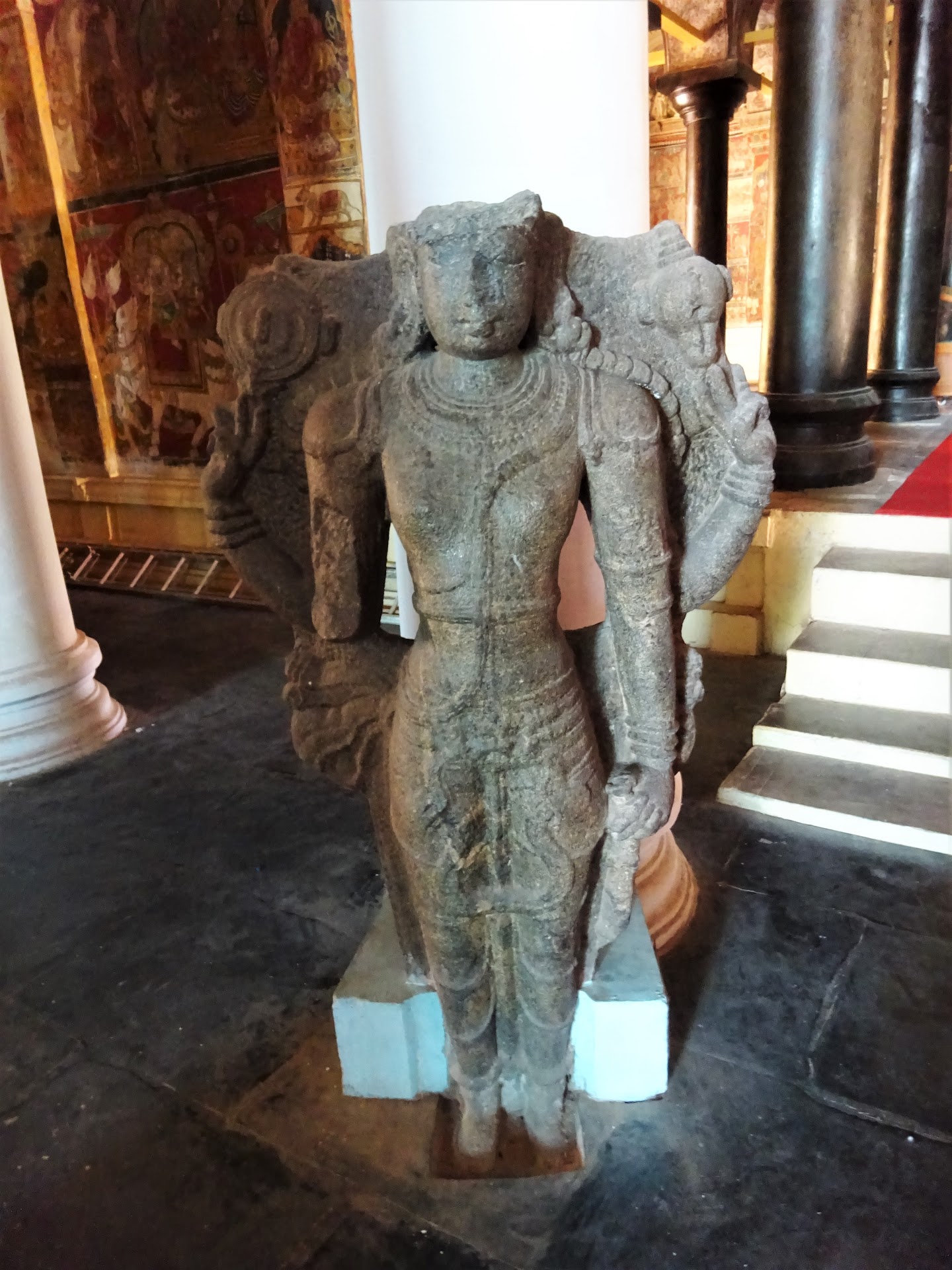
They have few paintings, archeological findings, sculptures, pictures.
Place had a really weird vibe. On one hand they have old sculptures from BC, but on the other hand the place seems to have been renovated recently with tile floors and carpets, cement, wood reinforcements, poorly maintained painted walls.
Place is poorly lit and is little dirty too
Place is constructed around 18th century, but had sculptures from 1BC and 17AD. Unsure why they are present here....
Read moreWhen my sister and her American husband visited, we decided to explore a beautiful palace together. As we approached the ticket counter, the man at the collection booth noticed that we had a foreigner with us. Without hesitation, he said the ticket cost ₹100 for the foreigner and ₹10 for the Indian visitors.I didn’t think twice and immediately took out the money. But just above his head, there was a clearly displayed sign stating that the ticket price for foreigners was only ₹50. When I pointed it out, he quickly changed his tone, admitted it was ₹50, and returned the extra money.It wasn’t about the ₹50—such a small amount—but the thought that he tried to take advantage simply because there was a foreigner with us was disheartening. It made me wonder what kind of impression incidents like this leave on visitors about...
Read more