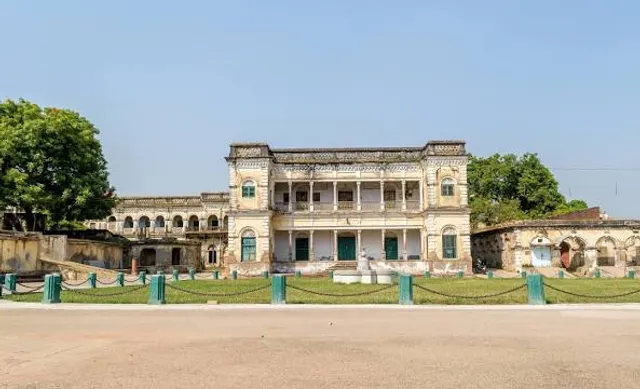
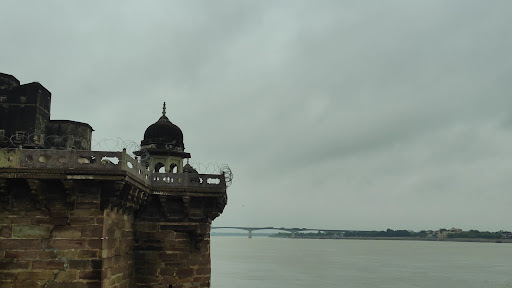
Nestled on the banks of the holy Ganga River in Varanasi, Uttar Pradesh, lies a magnificent fort that stands as a testament to India's royal legacy. Ramnagar Fort, a historical gem, captivates visitors with its regal architecture, splendid artifacts, and awe-inspiring views of the river. Converted into a museum by the government, this ancient fort offers a glimpse into the grandeur and opulence of the bygone era. Join me as we embark on a virtual journey to Ramnagar Fort, a treasure trove of history and heritage.
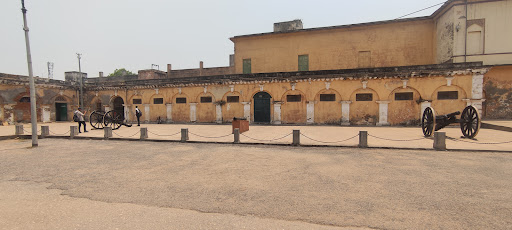
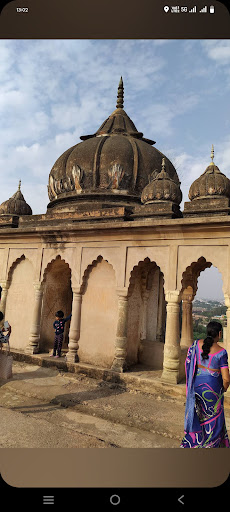
A Stroll Through Time: As you step foot into Ramnagar Fort, you can't help but be enchanted by its majestic facade. The fort, built in the 18th century, is a stunning example of Mughal and Indian architectural styles. Its imposing walls, intricately carved balconies, and ornate gateways immediately transport you to a bygone era.
The Museum Experience: Inside the fort, the government has lovingly converted the premises into a museum, preserving and showcasing the rich history and cultural heritage of Varanasi. The museum houses an impressive collection of artifacts that once belonged to the royal family of Varanasi.
As you explore the museum, you'll come across an array of artifacts that provide insights into the lifestyle and traditions of the erstwhile kings and queens. Among the exhibits, you'll find an impressive collection of weapons from the British era, including swords, muskets, and armor. These relics offer a glimpse into the military prowess of the rulers of that time.
The museum also showcases vintage cars, chariots and palki that were once used by the royal family. These well-preserved automobiles stand as a testament to the changing times and the evolution of transportation. However, it is important to note that photography is not permitted for the vintage cars, ensuring their preservation and protection.
A Walk Among Royalty: One of the most fascinating aspects of the museum is its display of the royal family's clothing and accessories. The attire worn by the kings, queens, and soldiers provides a glimpse into the fashion trends and regal elegance of the era.
Additionally, the museum features a unique collection of showpieces made from the remains of animals hunted by the kings. While these displays might not appeal to everyone, they serve as a reminder of the customs and practices of the time. However, please be aware that photography is not allowed for these artifacts, ensuring their preservation and respect.
Captivating Views of the Ganga River: As you explore the fort, don't forget to take a moment to soak in the breathtaking views of the Ganga River. The fort's strategic location offers panoramic vistas that are sure to leave a lasting impression on your heart. The serene and spiritual ambiance of the river, coupled with the grandeur of the fort, creates a truly mesmerizing experience.
Ticket Details and Conclusion: To access this treasure trove of history, a nominal entry fee of Rs. 50 per person is charged. Considering the wealth of knowledge and beauty that awaits you within the fort's walls, this small fee is well worth the investment.
During your visit, it's important to respect the museum's rules and guidelines, which include not taking photographs of the vintage cars, chariot, weapons, and palki. These measures are in place to preserve and protect these valuable artifacts for future generations to appreciate.
A visit to Ramnagar Fort in Varanasi is an enriching experience that allows you to delve into the glorious past of India's royal heritage. From the grand architecture to the remarkable artifacts, the fort showcases the legacy of Varanasi's royal family. Combined with the captivating views of the Ganga River, a trip to Ramnagar Fort promises a truly unforgettable journey through time.
So, whether you are a history enthusiast, a lover of architecture, or simply someone seeking solace amidst beauty, Ramnagar Fort should be on your must-visit list when exploring the cultural gems...
Read moreRamnagar Fort near Varanasi offers a varied experience. The fort has a history, but it is not meticulously restored for tourists. The location on the Ganga provides scenic views, particularly from the higher points and river-facing balconies. The red sandstone gives the place a rugged charm. Carvings and courtyards display a blend of styles, according to Incredible India. The museum, the Saraswati Bhawan, features vintage cars, swords, guns, and an old astronomical clock. The displays could benefit from improved lighting and presentation, MakeMyTrip says. Photography is prohibited inside, MakeMyTrip notes. A temple dedicated to Ved Vyasa is within the complex. The Ramlila festival in October is a lively time to visit, according to Wikipedia. Ramnagar Fort is about 14km from Varanasi, accessible by auto or taxi. A boat ride across the river offers a scenic alternative. The fort provides a glimpse into local history and decent views. It is worth visiting, especially for the riverside experience. The museum's presentation could be improved.
The Ramnagar Fort is a historical fortification located in Ramnagar, Varanasi, India, on the eastern bank of the Ganges River. Built in 1750 by Kashi Naresh Maharaja Balwant Singh, it reflects a blend of Mughal and Rajput architectural styles. The fort served as the royal residence and seat of power for the Kashi Naresh (Maharaja of Benaras) dynasty, which has continued to reside there since the 18th century. The current Kashi Naresh, Anant Narayan Singh, still resides at the fort. The fort played a significant role during a period when various powers, including Awadh, the East India Company, and Maratha forces, were vying for control of the region. It was built with cream-colored Chunar sandstone on high ground, strategically positioned above the flood level. Beyond its defensive purpose, the fort also served as a cultural and educational center. The Kashi Naresh was a patron of the arts, and the fort housed scholars and artists who enriched the cultural and intellectual life of Varanasi. The fort's history is further illuminated by inscriptions on its outer ramparts, dating its construction to the eighteenth century. Architectural elements like carved balconies, open courtyards, and pavilions showcase the prevailing Mughal style of the period. The Saraswati Bhawan Museum, located in the former Durbar Hall (Public Audience Hall), houses a collection of royal artifacts, including vintage cars, arms, costumes, and a unique astronomical clock built in 1852. This clock provides not only the time but also the year, month, week, day, and astronomical details of the Sun, Moon, and other planets. The museum also preserves religious manuscripts and illustrated books in the Mughal miniature style. Today, a portion of the fort is open to the public, offering a glimpse into the history and heritage of the Kashi Naresh dynasty. The fort also hosts the annual month-long Ramlila festival, a dramatic enactment of the Ramayana, which attracts thousands of visitors and devotees. This festival, recognized by UNESCO as Intangible Cultural Heritage, highlights the fort's cultural significance and the continuing traditions associated with the Kashi Naresh. The scenic location on the banks of the Ganges has also made the fort a popular spot for...
Read moreIntroduction: Ram Nagar Fort, located in the historic city of Varanasi, was my destination for a cultural exploration. I visited with the expectation of immersing myself in the rich history and architectural beauty of the fort.
Location and Accessibility: Situated on the eastern bank of the Ganges River, Ram Nagar Fort boasts a strategic and picturesque location. Accessible by road and boat, reaching the fort is relatively easy. The proximity to Varanasi's other landmarks enhances its appeal.
Attractions and Activities: The fort houses a captivating museum with an impressive collection of vintage cars, royal artifacts, and historical manuscripts. The vibrant Ram Leela performances during specific times of the year add a cultural touch. Exploring the grandeur of the Durbar Hall was a highlight, offering insights into the royal lifestyle.
Cultural and Historical Significance: With a history dating back centuries, Ram Nagar Fort stands as a symbol of Varanasi's regal past. The fort, the residence of the Maharaja of Varanasi, narrates tales of bygone eras, making it a must-visit for history enthusiasts.
Infrastructure and Amenities: While the fort's architecture is awe-inspiring, some areas could benefit from improved maintenance. Adequate restroom facilities are available, but eateries within the fort are limited. The overall cleanliness, however, was satisfactory.
Crowd and Ambiance: During my visit, the fort exuded a serene ambiance. The crowd was moderate, allowing for a peaceful exploration of the surroundings. The panoramic views of the Ganges added to the tranquility.
Cost and Value for Money: The entry fee is reasonable, INR 80/- per person, considering the historical richness on display. The experience justifies the cost, especially for those with an interest in history and architecture.
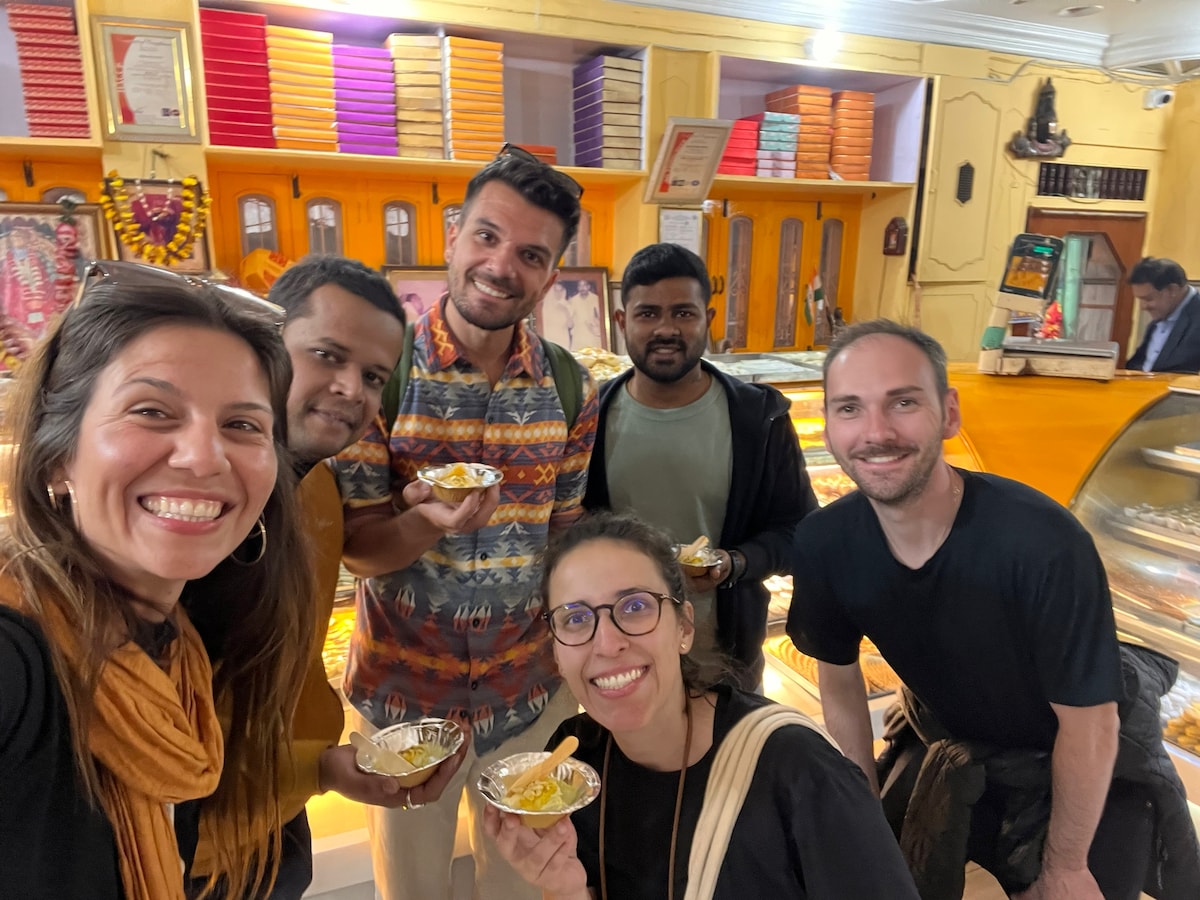
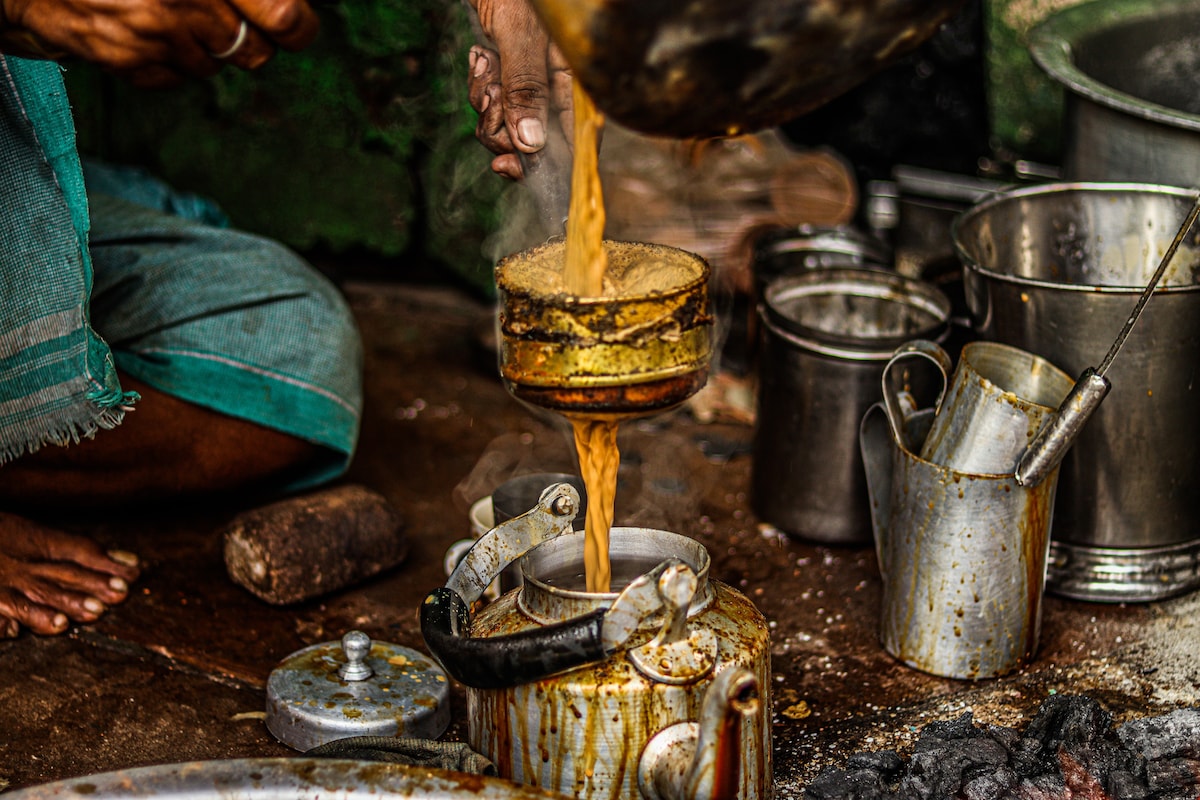
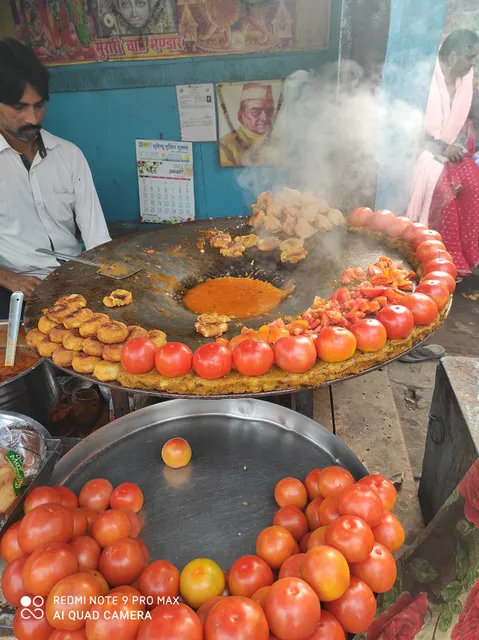
Local Cuisine and Dining Options: While the fort itself doesn't offer extensive dining options, the nearby Varanasi city is a culinary haven. Exploring local eateries for authentic Banarasi cuisine is highly recommended.
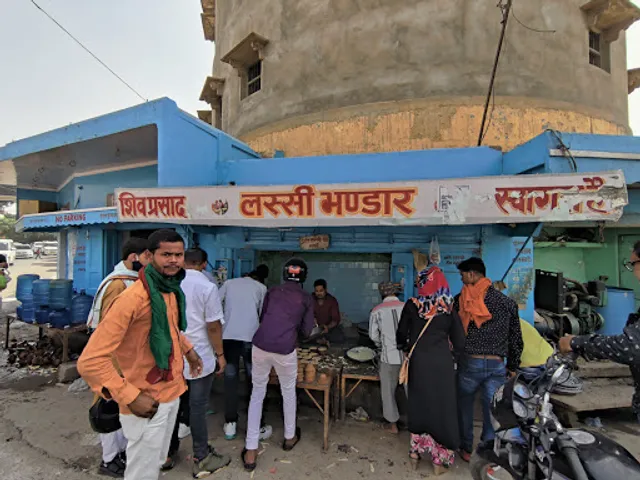
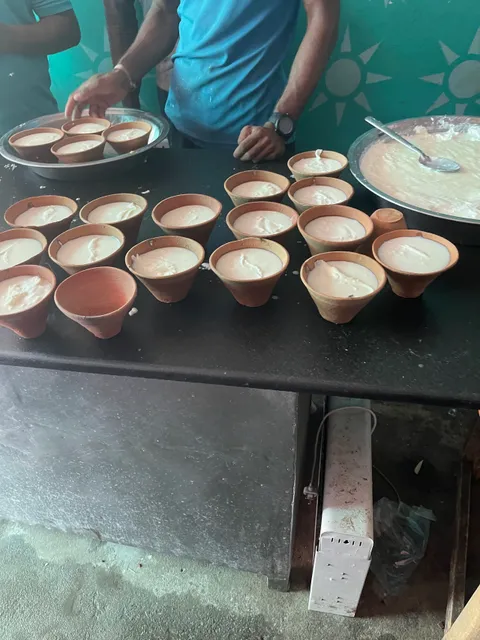
Please do try Shiv Prasad Lassi wale right outside the fort. One of the best lassi I have ever had 🤤. This is the exact google map location https://maps.app.goo.gl/LHEYewE6Xb3yCnfu5?g_st=ic
Souvenirs and Shopping: The fort's vicinity provides opportunities to purchase traditional crafts and souvenirs. The variety is decent, offering a chance to take home a piece of Varanasi's cultural essence.
Safety and Security: Security measures are in place, ensuring a safe visit. However, like any tourist destination, it's advisable to stay cautious and keep belongings secure.
Overall Impression: Ram Nagar Fort left a lasting impression with its historical grandeur and cultural significance. Despite minor infrastructural aspects, the overall experience was enriching. I would recommend it to anyone seeking a glimpse into Varanasi's royal past, rating it a...
Read more