Nagardhan was an ancient capital of Vakatakas. Also known to be Nandivardhana.
Nagardhan has also been mentioned in District Gazetteer of Nagpur as follows -
"Nagardhan is a large village 6.437 km. (four miles) south of Ramtek, with a population of 2,920 in 1961 as against 2,647 in 1951. The name is a corruption of the older one of Nandivar-dhan, which is mentioned conjointly with Nagpur in a copper plate found at Devil in Wardha district dated in the year 940 A.D. Nagardhan was thus an old town and was formerly of considerable importance as it gave its name to the district. The local- tradition is that it was founded by a Suryavansi king Nand, but Mr. Hira Lai supposes it to have been established by a king named Nandivardhan belonging to the Sail dynasty, which is mentioned in the Ragholi plate discovered by Mr. C. E. Low in Balaghat. The village has a temple of Kotesvar Mahadev built in the Hemadpanti style without mortar. The ling in the temple is broken by a crack about three feet deep. The story goes that once there was a Gavali woman who worshipped Mahadev very ardently and always, before she went out to sell milk, offered some to the God. In return He caused her milk to increase and she made much money by its sale. Her husband, not understanding how she gets the money, suspected her of bad conduct, and seeing her visits to the temple, concluded that she meets her lover there. One day accordingly he followed her with a spear, intending to surprise and slay the couple. The woman seeing him approaching in wrath prayed to Mahadev to shelter her, and accordingly the ling opened and she crept inside. It has never quite closed again, and since then the crack has remained. The enraged husband struck the ling with his spear and made a hole which is still visible. The famous fair of Kotesvar Mahadev is held on Magh vadhya 14, i.e., on Mahd-sivrdtra day and is attended by about 5,000 people. Besides the usual articles like copper and brass vessels and toys, chillis, brinjals and green vegetables are sold on a large scale.
Near the temple is a tank, known locally as Sankh (conch-shell) Tirtha or Sukla (white), which Mr. Hira Lai suggests may be the Hans (Swan) Tirtha mentioned in the inscription of the temple of Laksman at Ramtek. The inscription states that bathing in the Hans-Tirtha makes one clean of sin, like the whiteness of a swan. Thus, the epithet of white may have come to be attributed to the tank, and the name Hans may have been changed to Sankh. There is a fort said to have been built by the Bhosles with brick walls resembling those of Canda town, and at some distance is a large field known as the Juna Killa or old fort. This was probably the site of the fortress of the early kings. In the field large bricks like those at Mansar are found. Nagardhan is said to be the first place to which the Ponvar Rajputs came after leaving Dhara, their original home in Malva. A number of Jangra Lodhis reside here, who are perhaps the descendants of the fighting classes. The village has a primary school and a...
Read moreNagardhan Fort: A Journey Through Time Near Ramtek, Maharashtra
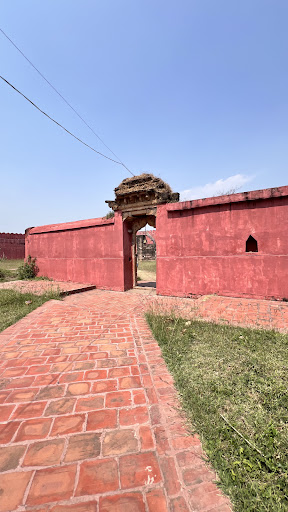
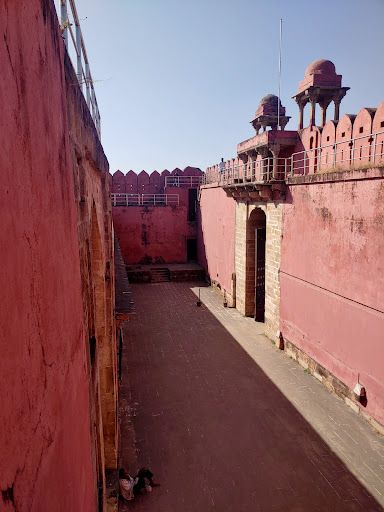
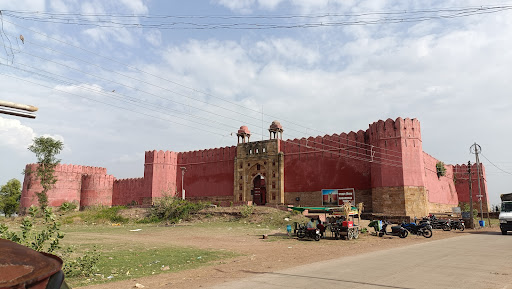
Nestled approximately 50 kilometers from Nagpur and a short drive from Ramtek, Nagardhan Fort stands as a testament to Maharashtra’s rich historical tapestry. Believed to have been established between 300 and 40 BCE by the Gond kings, this ancient fortification later saw renovations under the Bhonsale dynasty, reflecting a blend of architectural influences. 
Positive Aspects: • Historical Significance: Serving as the first capital of the Vakataka dynasty, Nagardhan, formerly known as Nandivardhan, offers a deep dive into ancient Indian history. The fort’s strategic design, featuring a square layout with robust bastions and an encompassing moat, speaks volumes of its defensive importance.  • Architectural Marvels: Visitors are often captivated by the underground temple within the fort, where an idol of Goddess Durga is enshrined on a ledge resembling a well’s sill. This unique feature, combined with the fort’s sturdy walls and gateways, showcases the architectural prowess of its era.  • Scenic Surroundings: Encircled by lush greenery, the fort provides panoramic views of the surrounding landscape, making it a haven for history enthusiasts and nature lovers alike. 
Negative Aspects: • Maintenance Concerns: Despite its historical importance, parts of Nagardhan Fort have suffered from neglect. Reports from as early as 2012 highlight issues like wall collapses due to substandard renovation efforts and general apathy towards preservation.  • Limited Facilities: The fort lacks basic amenities such as guided tours, informative signage, and visitor facilities. Additionally, the absence of an entry fee, while making it accessible, might contribute to insufficient funds for proper upkeep. 
Visitor Information: • Timings: Open daily from 9:00 AM to 5:00 PM. • Entry Fee: No charge. • Best Time to Visit: The monsoon and post-monsoon months (July to December) offer a vibrant and verdant backdrop, enhancing the fort’s scenic beauty.
Conclusion:
Nagardhan Fort is a hidden gem that offers a glimpse into Maharashtra’s storied past. While its historical and architectural allure is undeniable, there is a pressing need for concerted conservation efforts to preserve this heritage site for future generations. Visitors are encouraged to explore this monument with respect and advocate for its...
Read moreI recently had the opportunity to visit the Nagardhan Fort, which was built by the Wakatak dynasty. The fort, which is located near Ramtek in the state of Maharashtra, India, is a magnificent example of ancient Indian architecture and engineering.
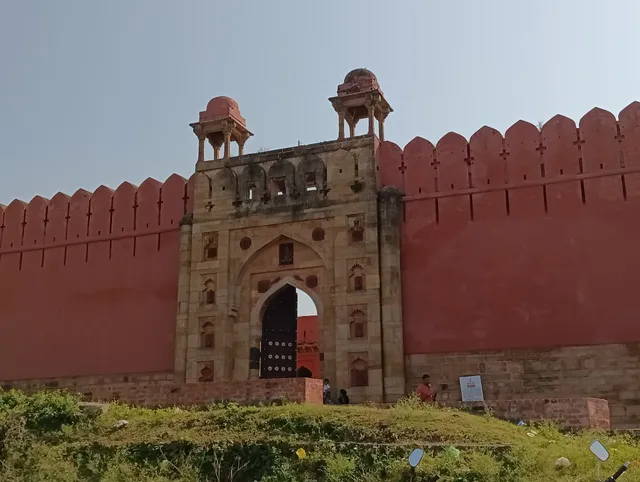
As soon as I entered the fort, I was struck by its grand size and imposing presence. The fort walls are massive and towering, offering a sense of protection and security to those within. Despite its size, the fort is well-maintained and has a peaceful, serene atmosphere.
One of the standout features of the Nagardhan Fort is its rich history. The fort was built by the Wakatak dynasty, and it is said to have played a significant role in the region's history and politics. The fort has seen many battles and sieges over the centuries, and this rich history is evident in the well-preserved ruins and monuments within its walls.
In addition to its historical significance, the Nagardhan Fort is also a beautiful example of ancient Indian architecture. The fort walls are adorned with intricate carvings and sculptures, and there are several impressive monuments and structures within the fort grounds. The fort provides a unique and fascinating insight into the history and culture of ancient India.
In conclusion, I would highly recommend a visit to the Nagardhan Fort. Whether you are a history buff, an architecture enthusiast, or simply looking for a peaceful escape from the city, this fort is a must-visit. The rich history, imposing architecture, and peaceful atmosphere of the place make it a truly unique and...
Read more