HTML SitemapExplore
logo
Find Things to DoFind The Best Restaurants

Rewa Fort — Attraction in Rewa

Name
Rewa Fort
Description
Nearby attractions
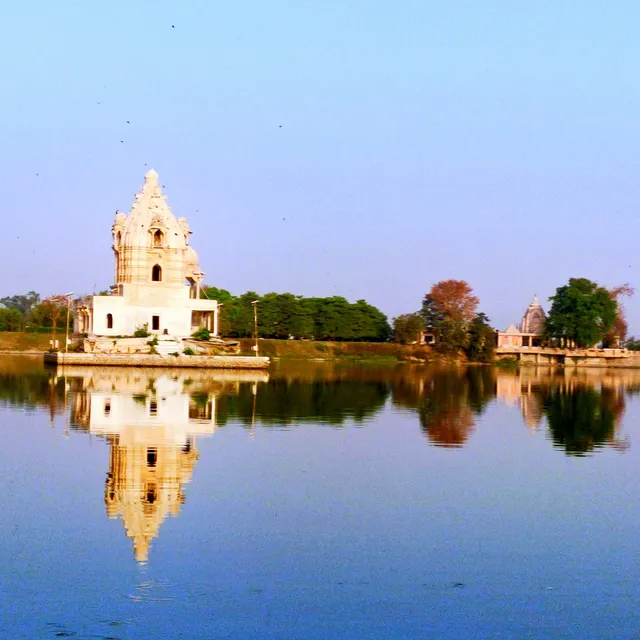
Rani Talab Kalika Mandir
G7FW+PMH, Pandan Tola, Rewa, Madhya Pradesh 486001, India
Nearby restaurants
Nearby hotels
Related posts
Keywords
Rewa Fort tourism.Rewa Fort hotels.Rewa Fort bed and breakfast. flights to Rewa Fort.Rewa Fort attractions.Rewa Fort restaurants.Rewa Fort travel.Rewa Fort travel guide.Rewa Fort travel blog.Rewa Fort pictures.Rewa Fort photos.Rewa Fort travel tips.Rewa Fort maps.Rewa Fort things to do.
Rewa Fort things to do, attractions, restaurants, events info and trip planning
Rewa Fort
IndiaMadhya PradeshRewaRewa Fort

Basic Info

Rewa Fort

Uprahti, Rewa, Madhya Pradesh 486001, India
4.1(1.0K)
Open 24 hours
Save
spot

Ratings & Description

Info

Cultural
Outdoor
Family friendly
attractions: Rani Talab Kalika Mandir, restaurants:
logoLearn more insights from Wanderboat AI.
Phone
+91 1800 233 7777

Plan your stay

hotel
Pet-friendly Hotels in Rewa
Find a cozy hotel nearby and make it a full experience.
hotel
Affordable Hotels in Rewa
Find a cozy hotel nearby and make it a full experience.
hotel
The Coolest Hotels You Haven't Heard Of (Yet)
Find a cozy hotel nearby and make it a full experience.
hotel
Trending Stays Worth the Hype in Rewa
Find a cozy hotel nearby and make it a full experience.

Reviews

Nearby attractions of Rewa Fort

Rani Talab Kalika Mandir

Rani Talab Kalika Mandir

Rani Talab Kalika Mandir

4.4

(964)

Closed
Click for details
Get the Appoverlay
Get the AppOne tap to find yournext favorite spots!
Wanderboat LogoWanderboat

Your everyday Al companion for getaway ideas

CompanyAbout Us
InformationAI Trip PlannerSitemap
SocialXInstagramTiktokLinkedin
LegalTerms of ServicePrivacy Policy

Get the app

© 2025 Wanderboat. All rights reserved.
logo

Reviews of Rewa Fort

4.1
(1,035)
avatar
5.0
6y

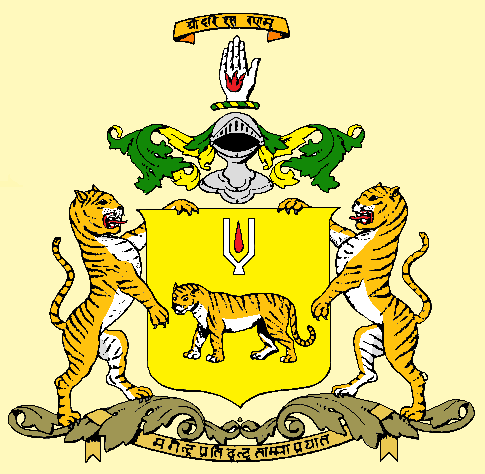
Rewa State, also known as Rewah, was a princely state of India, surrounding its eponymous capital, the town of Rewa. With an area of about 34,000 km2 (13,000 sq mi), Rewa was the largest princely state in the Bagelkhand Agency and the second largest in Central India Agency. The British political agent for Bagelkhand resided at Satna, on the East Indian railway. The Bagelkhand Agency was dissolved in 1933 and Rewa was placed under the authority of the Indore Residency. Rewa State was bordered to the north by the United Provinces, to the east by Bengal and to the south by the Central Provinces. On the west, it met other princely states of Bagelkhand: Maihar, Nagod, Sohawal, Kothi Baghelan and Panna. The south of the state was crossed by the Bengal–Nagpur railway, the branch between Bilaspur and Katni which taps the Umaria coal-field. In 1901, the population of the state was 1,327,385, showing a decrease of 12% over a decade; the population of the town that year was 24,608. Many of the inhabitants of the hilly tracts were Gonds and Kols. The estimated revenue of the state was ₹200,000/- p.a. The staple crops were rice, millets and wheat. More than one-third of the area was covered with forests, yielding timber and lac. The state suffered from famine in 1896–1897 and again, to a lesser extent, in 1899–1900. Rewa is famous for its white tigers; the first one, nicknamed Mohan, was caught in Rewa. Sitar virtuoso Pandit Ravi Shankar studied music from Alauddin Khan of Maihar, who migrated to Rewa State from Bengal. According to tradition, Rewa state was founded around 1140. On 5 October 1812 it became a British protectorate. Rewa state became part of the British India administration between 1 April 1875 and 15 October 1895. The Rajas of Rewa were of the Baghela (Vaghela) branch of the Rajput[citation needed] or Solanki clan (Hindu Agnivanshi clan of Indian stock), and claimed descent from the founder of the Anhilwara (Patan) dynasty in Gujarat. They ruled from Bandhavgarhunder the first ruler, Raja Vyaghra Dev, who was a direct descendant of Gujarati King and Warrior Vir Dhawal. In the mid-1550s, Raja Ramachandra Singh Baghela maintained a musically talented court, including the legendary Tansen. In 1617, Maharaja Vikramaditya Singh moved his capital to Rewa. Maharaja Martand Singh was the last ruler of Rewa who acceded to the Union of India after the country became India.[citation needed] Birbal was born in Sidhi District of Rewa Kingdom. Emperor Akbar was given refuge at Rewa at age 10, when his father Humayun fled India following a defeat in war. Prince Ramchandra Singh and Akbar grew up together as royal heirs. Maharaja Ramchandra Singh and Akbar stayed friends. Two of the Navratnas of Akbar, Tansen and Birbal (originally named Mahesh Das) were sent from Rewa by Maharaja Ramchandra Singh once Akbar became the Emperor of India. Rewa was the first princely state in India to declare Hindi as a national language, in the times of Maharaja Gulab Singh. He is also credited for declaring the first responsible government in modern India, providing citizens of Rewa state a right to question their monarch's decisions. The state came under British paramountcy in 1812 and remained a princely state within the British Rajuntil India's independence in 1947. During the long minority of Raja Venkat Raman Singh (b.1876, r.1880–1918), the administration of the state was reformed. In 1901, the town boasted a high school, a "model jail" and two hospitals: the Victoria hospital and the Zenana hospital. However, it was still adjudged among the most backward areas of the country by V.P. Menon, after he visited the...

   Read more
avatar
4.0
2y

The history of Rewa Fort dates back to the 13th century when it was built by the Baghela Rajputs. The Baghela dynasty ruled the region for several centuries, and the fort served as their residence and center of power. In the 17th century, the fort was captured by the Mughal emperor Aurangzeb, who added several new structures to it, including a mosque and a palace.

The fort was constructed in the 16th century by the then-ruler of the Baghela dynasty, Raja Vikramaditya. The fort was built on a hilltop to provide a strategic advantage to the Baghelas in case of an attack. The fort was designed to withstand the harsh weather conditions of the region and was equipped with various defensive features, including high walls, watchtowers, and a moat.

In the 18th century, the fort was taken over by the Maratha Empire, and it remained under their control until the British captured it in 1812. During British rule, the fort served as the residence of the British Commissioner, and several modifications were made to its architecture.

After India gained independence in 1947, the fort was handed over to the government of Madhya Pradesh. In 1967, the fort was converted into a museum to showcase the rich history and culture of the region.

The architecture of Rewa Fort is a mix of Rajput, Mughal, and British styles. The fort is built on a hill, and it has several gates and bastions that were used for defense purposes. The main entrance to the fort is through the Suraj Pol gate, which leads to a courtyard where the Diwan-e-Aam (public audience hall) and the Diwan-e-Khas (private audience hall) are located.

The palace complex has several structures, including the Rani Mahal (Queen's palace), which is a two-story building with balconies and courtyards. The palace has several rooms that were used by the Baghela Rajputs for various purposes. The Sheesh Mahal (Mirror Palace) is another notable structure in the fort, which has walls and ceilings decorated with mirrors.

The fort also has several temples and a mosque, including the Hanuman Temple, the Jagannath Temple, and the Jama Masjid. The temples are built in the Nagara style of architecture, and they have intricate carvings and sculptures. Rewa Fort is an important historical monument that showcases the rich cultural heritage of the region. The fort has been witness to several important events in the history of India, including battles between the Baghela Rajputs and the Mughals, the Maratha Empire's rule, and the British colonial period.

The fort is also a popular tourist destination, and it attracts visitors from all over the world. The museum inside the fort showcases several artifacts, including weapons, coins, and sculptures, which provide a glimpse into the region's rich history and culture.

In addition to its historical and cultural significance, Rewa Fort is also an important landmark for the people of the region. The fort is a symbol of their identity and pride, and it serves as a reminder of their...

   Read more

avatar
5.0
2y

elling tales of valor, royalty, and grand celebrations.

The architecture of the fort is a blend of Mughal and Rajput styles, reflecting the diverse influences that have shaped the history of the region. The intricate jali work, ornate arches, and beautifully crafted pillars bear testimony to the skill and artistry of the craftsmen of the bygone era. Each stone, each carving seemed to have a story to tell, transporting me back to a time when the fort might have been bustling with royalty and their entourage.

The central courtyard, with its verdant gardens and fountains, was a peaceful oasis. I could imagine the royals of Rewa leisurely strolling here, discussing politics, art, and music under the shade of the trees. I was told that the fort had seen its fair share of battles and conquests, and the courtyard must have served as a calming respite from the outside world's chaos.

One of the most captivating parts of my visit was the Durbar Hall, adorned with majestic chandeliers, vintage furniture, and portraits of the erstwhile rulers of Rewa. The hall, where the kings once held court, was a magnificent spectacle of opulence and grandeur.

Adjacent to the Durbar Hall was the armory, displaying an array of ancient weapons and armors. From ornate swords and shields to bows and arrows, the collection offered a glimpse into the warfare tactics and defense strategies employed by the rulers of Rewa. It was awe-inspiring to think of the battles these weapons might have witnessed and the hands that once wielded them.

As I explored further, I came across various rooms and chambers, each uniquely decorated, depicting the personal tastes and preferences of the rulers who resided there. The fort also housed a temple, dedicated to the local deity, which was still frequented by devotees, adding a touch of spiritual essence to the place.

Outside, I was greeted by a breathtaking view of the city of Rewa. Standing atop one of the fort's many balconies, the panoramic vista was a beautiful juxtaposition of the old and the new, with the city's modern buildings contrasting with the timeless beauty of the fort.

As I exited the fort, I took a moment to soak in its magnificence one last time. The Fort of Rewa, with its deep-rooted history and architectural splendor, had left an indelible mark on my heart. It wasn't just a monument; it was a living testament to the rich tapestry of culture, history, and artistry that Madhya Pradesh embodies. And as I walked away, I carried with me memories of a journey through time, a journey I would...

   Read more
Page 1 of 7
Previous
Next

Posts

Abhishek Singh ChauhanAbhishek Singh Chauhan
Rewa State, also known as Rewah, was a princely state of India, surrounding its eponymous capital, the town of Rewa. With an area of about 34,000 km2 (13,000 sq mi), Rewa was the largest princely state in the Bagelkhand Agency and the second largest in Central India Agency. The British political agent for Bagelkhand resided at Satna, on the East Indian railway. The Bagelkhand Agency was dissolved in 1933 and Rewa was placed under the authority of the Indore Residency. Rewa State was bordered to the north by the United Provinces, to the east by Bengal and to the south by the Central Provinces. On the west, it met other princely states of Bagelkhand: Maihar, Nagod, Sohawal, Kothi Baghelan and Panna. The south of the state was crossed by the Bengal–Nagpur railway, the branch between Bilaspur and Katni which taps the Umaria coal-field. In 1901, the population of the state was 1,327,385, showing a decrease of 12% over a decade; the population of the town that year was 24,608. Many of the inhabitants of the hilly tracts were Gonds and Kols. The estimated revenue of the state was ₹200,000/- p.a. The staple crops were rice, millets and wheat. More than one-third of the area was covered with forests, yielding timber and lac. The state suffered from famine in 1896–1897 and again, to a lesser extent, in 1899–1900. Rewa is famous for its white tigers; the first one, nicknamed Mohan, was caught in Rewa. Sitar virtuoso Pandit Ravi Shankar studied music from Alauddin Khan of Maihar, who migrated to Rewa State from Bengal. According to tradition, Rewa state was founded around 1140. On 5 October 1812 it became a British protectorate. Rewa state became part of the British India administration between 1 April 1875 and 15 October 1895. The Rajas of Rewa were of the Baghela (Vaghela) branch of the Rajput[citation needed] or Solanki clan (Hindu Agnivanshi clan of Indian stock), and claimed descent from the founder of the Anhilwara (Patan) dynasty in Gujarat. They ruled from Bandhavgarhunder the first ruler, Raja Vyaghra Dev, who was a direct descendant of Gujarati King and Warrior Vir Dhawal. In the mid-1550s, Raja Ramachandra Singh Baghela maintained a musically talented court, including the legendary Tansen. In 1617, Maharaja Vikramaditya Singh moved his capital to Rewa. Maharaja Martand Singh was the last ruler of Rewa who acceded to the Union of India after the country became India.[citation needed] Birbal was born in Sidhi District of Rewa Kingdom. Emperor Akbar was given refuge at Rewa at age 10, when his father Humayun fled India following a defeat in war. Prince Ramchandra Singh and Akbar grew up together as royal heirs. Maharaja Ramchandra Singh and Akbar stayed friends. Two of the Navratnas of Akbar, Tansen and Birbal (originally named Mahesh Das) were sent from Rewa by Maharaja Ramchandra Singh once Akbar became the Emperor of India. Rewa was the first princely state in India to declare Hindi as a national language, in the times of Maharaja Gulab Singh. He is also credited for declaring the first responsible government in modern India, providing citizens of Rewa state a right to question their monarch's decisions. The state came under British paramountcy in 1812 and remained a princely state within the British Rajuntil India's independence in 1947. During the long minority of Raja Venkat Raman Singh (b.1876, r.1880–1918), the administration of the state was reformed. In 1901, the town boasted a high school, a "model jail" and two hospitals: the Victoria hospital and the Zenana hospital. However, it was still adjudged among the most backward areas of the country by V.P. Menon, after he visited the state in 1947.
RAJ PATELRAJ PATEL
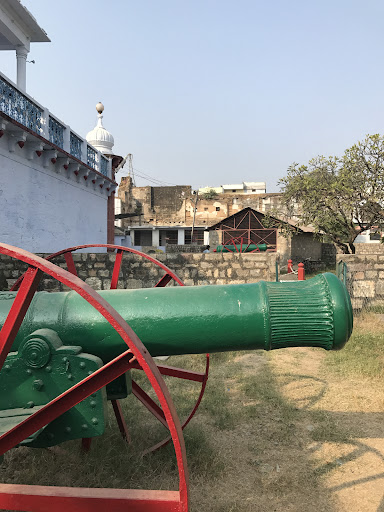
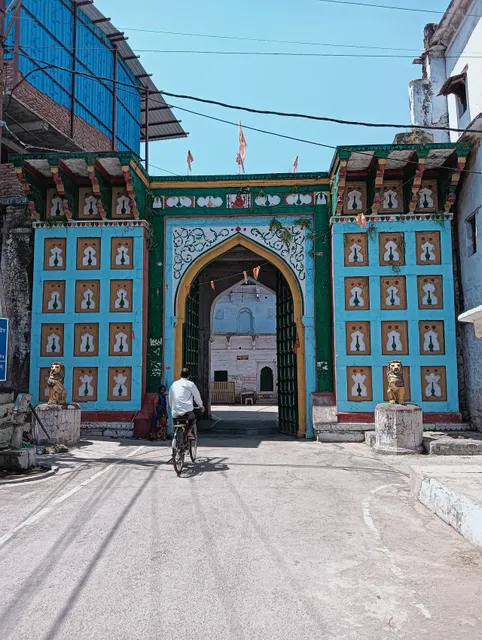
Rewa Fort is the main tourist attractions in Rewa. Behind it there are two rivers which provide the scenic beauty to the fort. The main gate of the fort is a good example of Indian architecture. It also provides accommodations to tourists. The main sites to visit here are the canon, royal silver throne, museum hall's chandelier, arms gallery and the white tiger museum This Fort is full of history. There are lots of old temples including Mahamritunjay Temple within the Rewa Fort which constructed by King Bhav Singh Ju Deo. There is a restaurant inside the Fort. You can go to a terrace and feel the nature. Museum has got very good collections of Palki, paintings, small pen gun and all the other antique collections etc.
Prince ADIPrince ADI
I had the opportunity to visit the historic Fort of Rewa a few years ago, and it was a truly captivating experience. Located in the heart of Rewa city in Madhya Pradesh, India, the fort stands as a testament to the region's rich cultural and architectural heritage. As I entered the fort, I was immediately struck by its imposing grandeur. The massive walls, made of intricately carved stones, exuded a sense of strength and resilience. Walking through the corridors, I could almost feel the echoes of history whispering around me.
See more posts
See more posts
hotel
Find your stay

Pet-friendly Hotels in Rewa

Find a cozy hotel nearby and make it a full experience.

Rewa State, also known as Rewah, was a princely state of India, surrounding its eponymous capital, the town of Rewa. With an area of about 34,000 km2 (13,000 sq mi), Rewa was the largest princely state in the Bagelkhand Agency and the second largest in Central India Agency. The British political agent for Bagelkhand resided at Satna, on the East Indian railway. The Bagelkhand Agency was dissolved in 1933 and Rewa was placed under the authority of the Indore Residency. Rewa State was bordered to the north by the United Provinces, to the east by Bengal and to the south by the Central Provinces. On the west, it met other princely states of Bagelkhand: Maihar, Nagod, Sohawal, Kothi Baghelan and Panna. The south of the state was crossed by the Bengal–Nagpur railway, the branch between Bilaspur and Katni which taps the Umaria coal-field. In 1901, the population of the state was 1,327,385, showing a decrease of 12% over a decade; the population of the town that year was 24,608. Many of the inhabitants of the hilly tracts were Gonds and Kols. The estimated revenue of the state was ₹200,000/- p.a. The staple crops were rice, millets and wheat. More than one-third of the area was covered with forests, yielding timber and lac. The state suffered from famine in 1896–1897 and again, to a lesser extent, in 1899–1900. Rewa is famous for its white tigers; the first one, nicknamed Mohan, was caught in Rewa. Sitar virtuoso Pandit Ravi Shankar studied music from Alauddin Khan of Maihar, who migrated to Rewa State from Bengal. According to tradition, Rewa state was founded around 1140. On 5 October 1812 it became a British protectorate. Rewa state became part of the British India administration between 1 April 1875 and 15 October 1895. The Rajas of Rewa were of the Baghela (Vaghela) branch of the Rajput[citation needed] or Solanki clan (Hindu Agnivanshi clan of Indian stock), and claimed descent from the founder of the Anhilwara (Patan) dynasty in Gujarat. They ruled from Bandhavgarhunder the first ruler, Raja Vyaghra Dev, who was a direct descendant of Gujarati King and Warrior Vir Dhawal. In the mid-1550s, Raja Ramachandra Singh Baghela maintained a musically talented court, including the legendary Tansen. In 1617, Maharaja Vikramaditya Singh moved his capital to Rewa. Maharaja Martand Singh was the last ruler of Rewa who acceded to the Union of India after the country became India.[citation needed] Birbal was born in Sidhi District of Rewa Kingdom. Emperor Akbar was given refuge at Rewa at age 10, when his father Humayun fled India following a defeat in war. Prince Ramchandra Singh and Akbar grew up together as royal heirs. Maharaja Ramchandra Singh and Akbar stayed friends. Two of the Navratnas of Akbar, Tansen and Birbal (originally named Mahesh Das) were sent from Rewa by Maharaja Ramchandra Singh once Akbar became the Emperor of India. Rewa was the first princely state in India to declare Hindi as a national language, in the times of Maharaja Gulab Singh. He is also credited for declaring the first responsible government in modern India, providing citizens of Rewa state a right to question their monarch's decisions. The state came under British paramountcy in 1812 and remained a princely state within the British Rajuntil India's independence in 1947. During the long minority of Raja Venkat Raman Singh (b.1876, r.1880–1918), the administration of the state was reformed. In 1901, the town boasted a high school, a "model jail" and two hospitals: the Victoria hospital and the Zenana hospital. However, it was still adjudged among the most backward areas of the country by V.P. Menon, after he visited the state in 1947.
Abhishek Singh Chauhan

Abhishek Singh Chauhan

hotel
Find your stay

Affordable Hotels in Rewa

Find a cozy hotel nearby and make it a full experience.

Get the Appoverlay
Get the AppOne tap to find yournext favorite spots!
Rewa Fort is the main tourist attractions in Rewa. Behind it there are two rivers which provide the scenic beauty to the fort. The main gate of the fort is a good example of Indian architecture. It also provides accommodations to tourists. The main sites to visit here are the canon, royal silver throne, museum hall's chandelier, arms gallery and the white tiger museum This Fort is full of history. There are lots of old temples including Mahamritunjay Temple within the Rewa Fort which constructed by King Bhav Singh Ju Deo. There is a restaurant inside the Fort. You can go to a terrace and feel the nature. Museum has got very good collections of Palki, paintings, small pen gun and all the other antique collections etc.
RAJ PATEL

RAJ PATEL

hotel
Find your stay

The Coolest Hotels You Haven't Heard Of (Yet)

Find a cozy hotel nearby and make it a full experience.

hotel
Find your stay

Trending Stays Worth the Hype in Rewa

Find a cozy hotel nearby and make it a full experience.

I had the opportunity to visit the historic Fort of Rewa a few years ago, and it was a truly captivating experience. Located in the heart of Rewa city in Madhya Pradesh, India, the fort stands as a testament to the region's rich cultural and architectural heritage. As I entered the fort, I was immediately struck by its imposing grandeur. The massive walls, made of intricately carved stones, exuded a sense of strength and resilience. Walking through the corridors, I could almost feel the echoes of history whispering around me.
Prince ADI

Prince ADI

See more posts
See more posts