During my visit to Harappa in March 2022, I had the opportunity to explore the fascinating Harappa Museum, which provides a captivating insight into the ancient Indus Valley Civilization. As a history enthusiast, this museum proved to be an enriching and memorable experience.
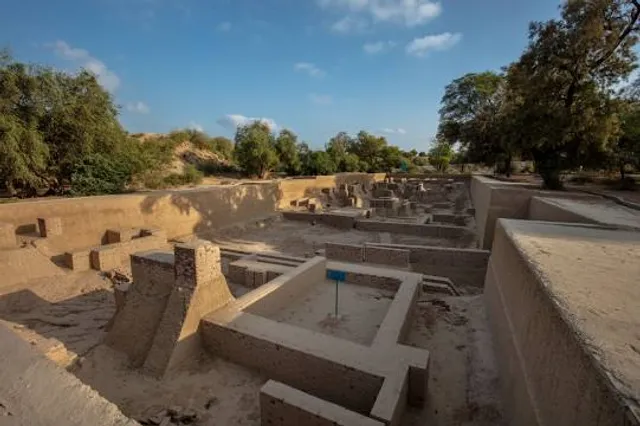
The Harappa Museum is strategically located near the archaeological site, allowing visitors to seamlessly transition from the historical ruins to the museum. The exterior of the museum is modest but welcoming, with clear signage guiding visitors to the entrance.
Once inside, I was immediately drawn to the well-organized displays that showcased artifacts and relics from the Indus Valley Civilization. The museum boasts an impressive collection of artifacts, ranging from pottery and jewelry to tools and sculptures. Each exhibit is accompanied by detailed information panels, providing historical context and enhancing the understanding of the artifacts' significance.
One of the highlights of the museum is the life-size models and dioramas that recreate scenes from the daily lives of the people who lived in Harappa. These meticulously crafted displays offer a glimpse into the architectural style, clothing, and social structure of the ancient civilization. Walking through these exhibits was like stepping back in time and envisioning the bustling streets and vibrant culture of Harappa.
The museum also houses a well-curated section dedicated to the excavation and preservation efforts in Harappa. This section sheds light on the techniques and challenges faced by archaeologists and showcases the progression of research and discoveries over time. It is evident that the museum takes pride in its role of preserving and promoting the heritage of the Indus Valley Civilization.
The staff at Harappa Museum were knowledgeable and passionate about the subject matter. They were readily available to answer questions, provide additional information, and engage in insightful conversations about the history and significance of the artifacts. Their enthusiasm was contagious and added to the overall experience.
The only aspect that could be improved upon is the museum's size. While the existing space is utilized efficiently, a larger facility would allow for the inclusion of more artifacts and exhibits, providing an even more comprehensive exploration of the Indus Valley Civilization.
In conclusion, a visit to the Harappa Museum is a must for anyone interested in ancient history and archaeology. It offers a captivating journey into the Indus Valley Civilization and its rich cultural heritage. The well-presented exhibits, informative panels, and dedicated staff contribute to an immersive and educational experience. Despite its modest size, the museum succeeds in capturing the essence of Harappa's...
Read moreAn Unforgettable Journey: The Harrapa Museum of Civilizations Stepping into The Harrapa Museum of Civilizations is akin to unlocking a portal to infinite wonders. This isn't just a museum; it's a truly world-class institution that stands as a beacon of knowledge, a testament to human ingenuity, and an immersive odyssey through the annals of time. My recent visit confirmed its reputation as one of the finest cultural experiences available.
What immediately strikes you is the sheer breadth and depth of its collections. From ancient Egyptian artifacts to Renaissance masterpieces, tribal art from Oceania to pioneering scientific instruments, every era and culture seems to have a dedicated, meticulously curated space. The curation is exceptional, with each exhibit telling a coherent, compelling story. Intelligent labeling, well-placed multimedia displays, and thoughtful lighting ensure that every piece is not just seen, but understood and appreciated. You can easily spend hours lost in a single wing, discovering fascinating details you might otherwise overlook.
Beyond the artifacts, the museum itself is a marvel of design. Spacious galleries prevent overcrowding, allowing visitors to pause, reflect, and genuinely absorb the surroundings without feeling rushed. The atmosphere is one of hushed reverence mixed with vibrant curiosity. The staff are knowledgeable, approachable, and clearly passionate about their work, happy to answer questions or offer guidance. Even the amenities, from the tranquil garden courtyard café to the well-stocked gift shop, enhance the overall experience. Accessibility is clearly a priority, making it welcoming for all.
Spending hours within its walls felt like a profound educational experience, yet entirely devoid of tediousness. It sparks curiosity, fosters a deeper understanding of our shared human story, and leaves you with a sense of awe at the achievements and struggles of those who came before us. You leave not just with new knowledge, but with a renewed appreciation for creativity, history, and the interconnectedness of global cultures.
The Harrapa Museum of Civilizations isn't just a place to see old things; it's a vibrant, living institution that connects past, present, and future. It's an absolute must-visit for anyone with even a passing interest in art, history, science, or simply the human spirit. Prepare to...
Read moreHarappa Museum, located in the Punjab province of Pakistan, is an essential destination for anyone interested in ancient civilizations, particularly the Indus Valley Civilization. My visit to this museum was an enlightening experience that offered a captivating journey into the past, providing a wealth of information and a close-up view of artifacts from one of the world's earliest urban cultures.
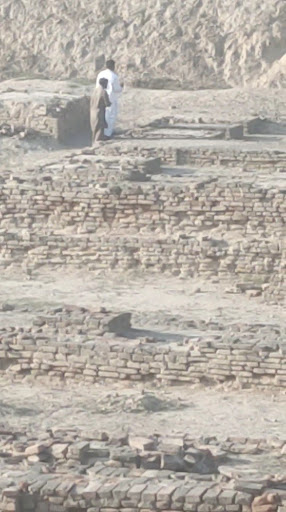
The museum is part of the Harappa archaeological site, which is one of the principal cities of the Indus Valley Civilization, dating back over 4,000 years. The site itself is impressive, with visible remnants of ancient streets, structures, and burial grounds. As I walked through the museum, I was struck by the well-curated exhibits that detailed the history, culture, and technology of the Harappan people.
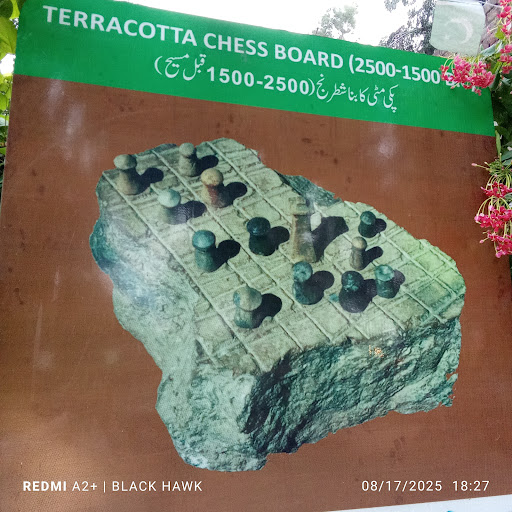
One of the highlights of the museum is its extensive collection of artifacts, including pottery, seals, jewelry, and tools. These artifacts are beautifully displayed with clear descriptions in both English and Urdu, offering insights into the daily life, trade, and religious practices of the Harappans. The seals, in particular, are fascinating, showcasing intricate designs and symbols that hint at a sophisticated system of writing and communication.
The museum also features detailed dioramas and informational panels that help visitors understand the broader context of the Indus Valley Civilization and its interactions with contemporary cultures. I appreciated the effort to make the information accessible to visitors of all backgrounds, as it allowed me to grasp the significance of Harappa within the larger framework of ancient history.
The staff at the museum were knowledgeable and eager to answer questions, adding to the overall experience. The museum's location near the archaeological site allows visitors to connect the exhibits with the physical remnants of the ancient city, creating a more immersive experience.
Overall, the Harappa Museum is a must-visit for anyone interested in archaeology, history, or ancient civilizations. It provides a comprehensive and engaging exploration of one of the most important early urban cultures, leaving visitors with a deeper appreciation for the ingenuity and creativity of...
Read more