HTML SitemapExplore
logo
Find Things to DoFind The Best Restaurants

Rumtek Dharma Chakra Centre — Attraction in Sikkim

Name
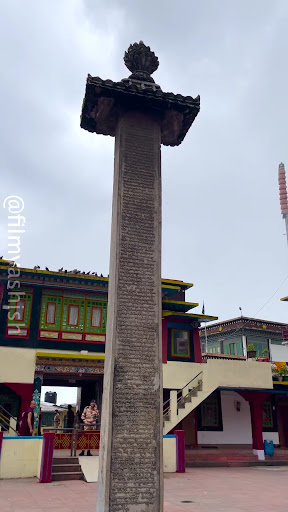
Rumtek Dharma Chakra Centre
Description
Nearby attractions
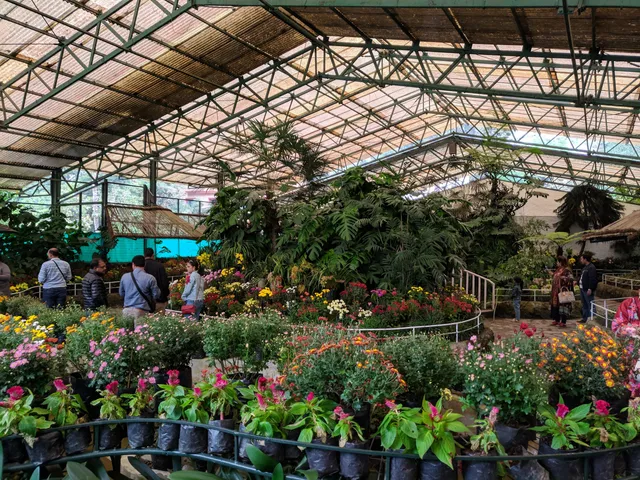
Jawaharlal Nehru Botanical Garden
7HV7+WG6, Sang Rd, Rumtek, Gangtok, Sikkim 737135, India
Nearby restaurants
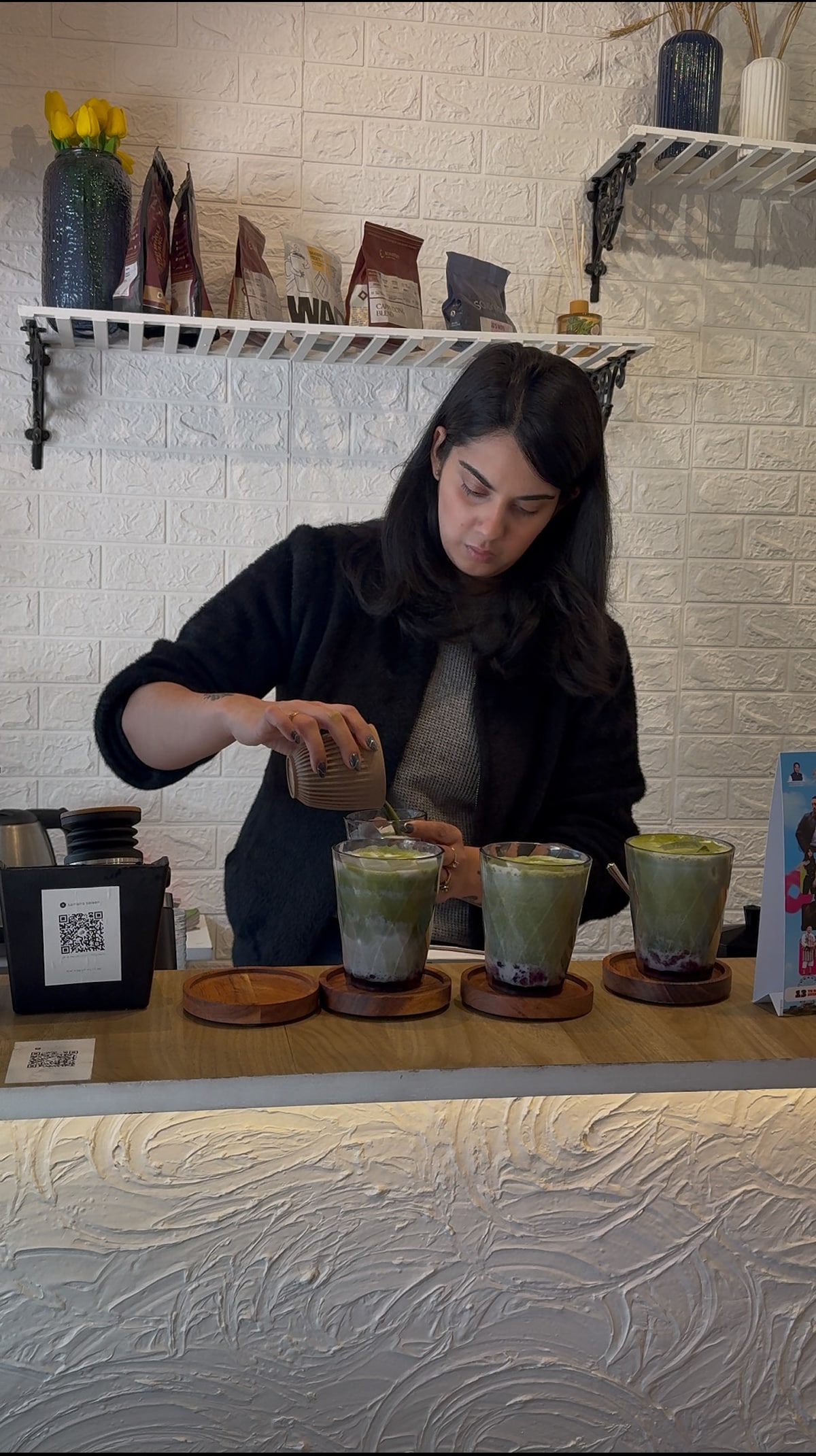
One Two One Coffee
Dharma Chakra Centre, Rumtek, Sikkim 737135, India
Nearby hotels
Rumtek, Sikkim
7HR6+2MC, Rumtek Monastery Rd, Sikkim 737135, India
Teen Taley Eco Garden Resort
7HX7+53M, Rumtek, Sikkim 737135, India
Related posts
Keywords
Rumtek Dharma Chakra Centre tourism.Rumtek Dharma Chakra Centre hotels.Rumtek Dharma Chakra Centre bed and breakfast. flights to Rumtek Dharma Chakra Centre.Rumtek Dharma Chakra Centre attractions.Rumtek Dharma Chakra Centre restaurants.Rumtek Dharma Chakra Centre travel.Rumtek Dharma Chakra Centre travel guide.Rumtek Dharma Chakra Centre travel blog.Rumtek Dharma Chakra Centre pictures.Rumtek Dharma Chakra Centre photos.Rumtek Dharma Chakra Centre travel tips.Rumtek Dharma Chakra Centre maps.Rumtek Dharma Chakra Centre things to do.
Rumtek Dharma Chakra Centre things to do, attractions, restaurants, events info and trip planning
Rumtek Dharma Chakra Centre
IndiaSikkimRumtek Dharma Chakra Centre

Basic Info

Rumtek Dharma Chakra Centre

7HQ6+FHG, Tsurphu Labrang Pal Karmae Sangha Dhuche, Dharma Chakra Centre, Sikkim 737135, India
4.6(1.8K)
Open 24 hours
Save
spot

Ratings & Description

Info

Cultural
Outdoor
Family friendly
attractions: Jawaharlal Nehru Botanical Garden, restaurants: One Two One Coffee
logoLearn more insights from Wanderboat AI.

Plan your stay

hotel
Pet-friendly Hotels in Sikkim
Find a cozy hotel nearby and make it a full experience.
hotel
Affordable Hotels in Sikkim
Find a cozy hotel nearby and make it a full experience.
hotel
The Coolest Hotels You Haven't Heard Of (Yet)
Find a cozy hotel nearby and make it a full experience.
hotel
Trending Stays Worth the Hype in Sikkim
Find a cozy hotel nearby and make it a full experience.

Reviews

Nearby attractions of Rumtek Dharma Chakra Centre

Jawaharlal Nehru Botanical Garden

Jawaharlal Nehru Botanical Garden

Jawaharlal Nehru Botanical Garden

4.2

(127)

Closed
Click for details

Nearby restaurants of Rumtek Dharma Chakra Centre

One Two One Coffee

One Two One Coffee

One Two One Coffee

5.0

(78)

Click for details
Get the Appoverlay
Get the AppOne tap to find yournext favorite spots!
Wanderboat LogoWanderboat

Your everyday Al companion for getaway ideas

CompanyAbout Us
InformationAI Trip PlannerSitemap
SocialXInstagramTiktokLinkedin
LegalTerms of ServicePrivacy Policy

Get the app

© 2025 Wanderboat. All rights reserved.
logo

Reviews of Rumtek Dharma Chakra Centre

4.6
(1,760)
avatar
5.0
3y

HIS HOLINESS, the 17th Gyalwa Karmapa, Orgyen Trinley Dorje, is the spiritual leader of the Karma Kagyu lineage, one of the major traditions of Tibetan Buddhism. Born in Eastern Tibet on June 26th, 1985, he was recognized at the age of seven through a prediction letter, known as the Last Testament. Written by his previous incarnation, it indicated the place and year of his future birth along with the names of his parents and the special signs that would appear. The Karmapa’s early years were divided between the pastoral life of his large nomadic family and Buddhist training at the nearby Karlek Monastery. Then, in the spring of 1992, contrary to his usual behavior, the Karmapa insisted that his parents move their camp early and knowing their son was special, they complied. This allowed the Karmapa to be in the exact place predicted by the Last Testament when the search party came to find him. In June of 1992, he returned to Central Tibet and Tolung Tsurphu Monastery, the main seat of the previous Karmapas.

In that same month, the Dalai Lama confirmed the recognition of the Karmapa stating that he had experienced "a kind of dream of the area where the present incarnation was born." He described precisely the area of the Karmapa’s birth as if he were actually there, saying that there were stones and meadows but no trees, animals or people and that two rivers flowed down on the right and left. "Then someone, some source without form, was telling me, ‘This is the place where the Karmapa is born.’" This close connection between the two spiritual leaders would to continue up to the present day.

In 1992, he suggested to his parents that they move their camp early. This decision to move placed them in the spot where the predictive letter written by the Sixteenth Karmapa had said the Seventeenth Karmapa would be found. Apo Gaga told his parents his monks were coming for him, and packed his things.

The Karmapas were the first lineage of tulkus (reincarnate lamas) in Tibet and the 17th Karmapa was the first one to be officially recognized by both the Dalai Lama and the Chinese government. The enthronement of a tulku marks the public recognition of this special status and begins the official activity of bringing benefit to all living beings. This ceremony was held in September 1992 with 20,000 people coming to celebrate from all over Tibet and the world outside. The next day, the young Karmapa gave his first empowerment, which was of Chenrezig, the embodiment of compassion. Both the Dalai Lama and the Karmapa are considered emanations of this most popular deity in Tibet.

While staying at Tsurphu, the Karmapa completed basic studies of Buddhist texts in addition to becoming very adept at Tibetan language and literature. Even at a young age, his poetry was profound and lyrical. During the other parts of his day, the Karmapa was overseeing the rebuilding of Tsurphu, making official visits, and recognizing other reincarnate lamas, a well-known ability of the Karmapas. Thousands made the pilgrimage to Tsurphu to receive his blessing and he presided over the numerous rituals and meditation retreats that shape the calendar of Tibetan Buddhism.

In Tibetan Buddhism, lineage is extremely important, since the tradition is sustained through teachers passing along their knowledge and wisdom to the next generation of disciples. In late 1999, in order to meet his teachers in India, the Karmapa left Tibet. Once in India, the Karmapa traveled directly to see the Dalai Lama who received him with great warmth. The image of the Karmapa and the story of the escape was on the cover of newspapers and magazines...

   Read more

avatar
5.0
2y

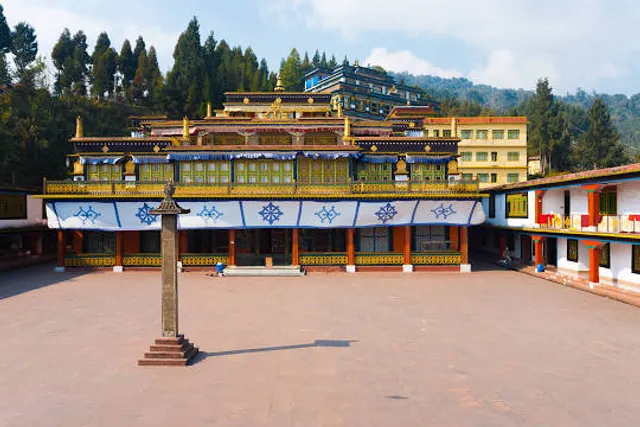
No trip to Gangtok is complete without the visit to Rumtek Monastery. One of the sacred pilgrimage center for Buddhists, Rumtek is the richest buddhist monastic center in india and the largest monastery in Sikkim. Also known as Dharma Chakra Centre it is the headquarters of Kagyu (black hat) order of Tibetan Lamaistic Buddhism.

Stands 5500 feet above sea level, it is 24 km away in a picturesque environs on the lower valleys of south west Gangtok, the capital of the Sikkim.

When Chinese invaded Tibet, Rigpe Dorjee, the head of Kaguypa (one of Tibetan Buddhism's four major sects) took refuge in Sikkim.The Chogyal (ruler of Sikkim) of Sikkim gifted him some land to established a new monastery and Rigpe Dorjee chose Rumtek as his main seat in exile. Said to be a model of the Tsurphu Monastery of the Kaguypa order,in Tibet, it was originally constructed by the 9th Karmapa Wangchuk Dorje in 1740. Built in 1730, by the ninth Karmapa, it was destroyed and renovatd completely to the present state. It was here late Gyalwa Karmapa lived till the completion of the Rumtek Monastery. The old Rumtek monastery built in the reign of the fourth Chogyal,is a short distance away.

It is here, a large community of monks of the Karma Kaguypa order are being trained meditation and the study and practice of Buddhism, which have been taught and practiced for the last 800 years.

A fine example of the Tibetan monastic art, it has exquisitely carved wood work, mangnificent thangka paintings and treasures of sacred and rare objects, religious scriptures, the Golden Stupa containing the remains of His Holiness the 16th Karmapa, scriptures of the Kangyur translated from Sanskrit and a Tibetan translation of an ancient Indian religious text which contains...

   Read more
avatar
5.0
6y

Originally built under the direction of Wangchuk Dorje, 9th Karmapa Lama in the mid-18th century, Rumtek served as the main seat of the Karma Kagyu lineage in Sikkim for some time. But when Rangjung Rigpe Dorje,16th Karmapa, arrived in Sikkim in 1959 after fleeing Tibet, the monastery was in ruins. Despite being offered other sites, the Karmapa decided to rebuild Rumtek. To him, the site possessed many auspicious qualities and was surrounded by the most favorable attributes. For example, flowing streams, mountains behind, a snow range in front, and a river below. With the generosity and help of the Sikkim royal family and the local folks of Sikkim, it was built by the 16th Karmapa as his main seat in exile. After four years, construction of the monastery was completed. The sacred items and relics brought out from Tsurphu Monastery, the Karmapa's seat in Tibet, were installed. On Losar in 1966, the 16th Karmapa officially inaugurated the new seat, called "The Dharmachakra Centre, a place of erudition and spiritual accomplishment, the seat of the glorious Karmapa. Currently this is the largest monastery in Sikkim. A golden stupa contains the relics of the 16th Karmapa. Opposite that building is a college, Karma Shri Nalanda Institute for Higher Buddhist Studies. Rumtek is located 24 kilometres (15 mi) from Gangtok, the capital of Sikkim, at an altitude of about 1,500...

   Read more
Page 1 of 7
Previous
Next

Posts

sumantra ksumantra k
HIS HOLINESS, the 17th Gyalwa Karmapa, Orgyen Trinley Dorje, is the spiritual leader of the Karma Kagyu lineage, one of the major traditions of Tibetan Buddhism. Born in Eastern Tibet on June 26th, 1985, he was recognized at the age of seven through a prediction letter, known as the Last Testament. Written by his previous incarnation, it indicated the place and year of his future birth along with the names of his parents and the special signs that would appear. The Karmapa’s early years were divided between the pastoral life of his large nomadic family and Buddhist training at the nearby Karlek Monastery. Then, in the spring of 1992, contrary to his usual behavior, the Karmapa insisted that his parents move their camp early and knowing their son was special, they complied. This allowed the Karmapa to be in the exact place predicted by the Last Testament when the search party came to find him. In June of 1992, he returned to Central Tibet and Tolung Tsurphu Monastery, the main seat of the previous Karmapas. In that same month, the Dalai Lama confirmed the recognition of the Karmapa stating that he had experienced "a kind of dream of the area where the present incarnation was born." He described precisely the area of the Karmapa’s birth as if he were actually there, saying that there were stones and meadows but no trees, animals or people and that two rivers flowed down on the right and left. "Then someone, some source without form, was telling me, ‘This is the place where the Karmapa is born.’" This close connection between the two spiritual leaders would to continue up to the present day. In 1992, he suggested to his parents that they move their camp early. This decision to move placed them in the spot where the predictive letter written by the Sixteenth Karmapa had said the Seventeenth Karmapa would be found. Apo Gaga told his parents his monks were coming for him, and packed his things. The Karmapas were the first lineage of tulkus (reincarnate lamas) in Tibet and the 17th Karmapa was the first one to be officially recognized by both the Dalai Lama and the Chinese government. The enthronement of a tulku marks the public recognition of this special status and begins the official activity of bringing benefit to all living beings. This ceremony was held in September 1992 with 20,000 people coming to celebrate from all over Tibet and the world outside. The next day, the young Karmapa gave his first empowerment, which was of Chenrezig, the embodiment of compassion. Both the Dalai Lama and the Karmapa are considered emanations of this most popular deity in Tibet. While staying at Tsurphu, the Karmapa completed basic studies of Buddhist texts in addition to becoming very adept at Tibetan language and literature. Even at a young age, his poetry was profound and lyrical. During the other parts of his day, the Karmapa was overseeing the rebuilding of Tsurphu, making official visits, and recognizing other reincarnate lamas, a well-known ability of the Karmapas. Thousands made the pilgrimage to Tsurphu to receive his blessing and he presided over the numerous rituals and meditation retreats that shape the calendar of Tibetan Buddhism. In Tibetan Buddhism, lineage is extremely important, since the tradition is sustained through teachers passing along their knowledge and wisdom to the next generation of disciples. In late 1999, in order to meet his teachers in India, the Karmapa left Tibet. Once in India, the Karmapa traveled directly to see the Dalai Lama who received him with great warmth. The image of the Karmapa and the story of the escape was on the cover of newspapers and magazines the world over.
Ashish KhaAshish Kha
No trip to Gangtok is complete without the visit to Rumtek Monastery. One of the sacred pilgrimage center for Buddhists, Rumtek is the richest buddhist monastic center in india and the largest monastery in Sikkim. Also known as Dharma Chakra Centre it is the headquarters of Kagyu (black hat) order of Tibetan Lamaistic Buddhism. Stands 5500 feet above sea level, it is 24 km away in a picturesque environs on the lower valleys of south west Gangtok, the capital of the Sikkim. When Chinese invaded Tibet, Rigpe Dorjee, the head of Kaguypa (one of Tibetan Buddhism's four major sects) took refuge in Sikkim.The Chogyal (ruler of Sikkim) of Sikkim gifted him some land to established a new monastery and Rigpe Dorjee chose Rumtek as his main seat in exile. Said to be a model of the Tsurphu Monastery of the Kaguypa order,in Tibet, it was originally constructed by the 9th Karmapa Wangchuk Dorje in 1740. Built in 1730, by the ninth Karmapa, it was destroyed and renovatd completely to the present state. It was here late Gyalwa Karmapa lived till the completion of the Rumtek Monastery. The old Rumtek monastery built in the reign of the fourth Chogyal,is a short distance away. It is here, a large community of monks of the Karma Kaguypa order are being trained meditation and the study and practice of Buddhism, which have been taught and practiced for the last 800 years. A fine example of the Tibetan monastic art, it has exquisitely carved wood work, mangnificent thangka paintings and treasures of sacred and rare objects, religious scriptures, the Golden Stupa containing the remains of His Holiness the 16th Karmapa, scriptures of the Kangyur translated from Sanskrit and a Tibetan translation of an ancient Indian religious text which contains 225 volumes.
writama mondalwritama mondal
Originally built under the direction of Wangchuk Dorje, 9th Karmapa Lama in the mid-18th century, Rumtek served as the main seat of the Karma Kagyu lineage in Sikkim for some time. But when Rangjung Rigpe Dorje,16th Karmapa, arrived in Sikkim in 1959 after fleeing Tibet, the monastery was in ruins. Despite being offered other sites, the Karmapa decided to rebuild Rumtek. To him, the site possessed many auspicious qualities and was surrounded by the most favorable attributes. For example, flowing streams, mountains behind, a snow range in front, and a river below. With the generosity and help of the Sikkim royal family and the local folks of Sikkim, it was built by the 16th Karmapa as his main seat in exile. After four years, construction of the monastery was completed. The sacred items and relics brought out from Tsurphu Monastery, the Karmapa's seat in Tibet, were installed. On Losar in 1966, the 16th Karmapa officially inaugurated the new seat, called "The Dharmachakra Centre, a place of erudition and spiritual accomplishment, the seat of the glorious Karmapa. Currently this is the largest monastery in Sikkim. A golden stupa contains the relics of the 16th Karmapa. Opposite that building is a college, Karma Shri Nalanda Institute for Higher Buddhist Studies. Rumtek is located 24 kilometres (15 mi) from Gangtok, the capital of Sikkim, at an altitude of about 1,500 metres (4,900 ft).
See more posts
See more posts
hotel
Find your stay

Pet-friendly Hotels in Sikkim

Find a cozy hotel nearby and make it a full experience.

HIS HOLINESS, the 17th Gyalwa Karmapa, Orgyen Trinley Dorje, is the spiritual leader of the Karma Kagyu lineage, one of the major traditions of Tibetan Buddhism. Born in Eastern Tibet on June 26th, 1985, he was recognized at the age of seven through a prediction letter, known as the Last Testament. Written by his previous incarnation, it indicated the place and year of his future birth along with the names of his parents and the special signs that would appear. The Karmapa’s early years were divided between the pastoral life of his large nomadic family and Buddhist training at the nearby Karlek Monastery. Then, in the spring of 1992, contrary to his usual behavior, the Karmapa insisted that his parents move their camp early and knowing their son was special, they complied. This allowed the Karmapa to be in the exact place predicted by the Last Testament when the search party came to find him. In June of 1992, he returned to Central Tibet and Tolung Tsurphu Monastery, the main seat of the previous Karmapas. In that same month, the Dalai Lama confirmed the recognition of the Karmapa stating that he had experienced "a kind of dream of the area where the present incarnation was born." He described precisely the area of the Karmapa’s birth as if he were actually there, saying that there were stones and meadows but no trees, animals or people and that two rivers flowed down on the right and left. "Then someone, some source without form, was telling me, ‘This is the place where the Karmapa is born.’" This close connection between the two spiritual leaders would to continue up to the present day. In 1992, he suggested to his parents that they move their camp early. This decision to move placed them in the spot where the predictive letter written by the Sixteenth Karmapa had said the Seventeenth Karmapa would be found. Apo Gaga told his parents his monks were coming for him, and packed his things. The Karmapas were the first lineage of tulkus (reincarnate lamas) in Tibet and the 17th Karmapa was the first one to be officially recognized by both the Dalai Lama and the Chinese government. The enthronement of a tulku marks the public recognition of this special status and begins the official activity of bringing benefit to all living beings. This ceremony was held in September 1992 with 20,000 people coming to celebrate from all over Tibet and the world outside. The next day, the young Karmapa gave his first empowerment, which was of Chenrezig, the embodiment of compassion. Both the Dalai Lama and the Karmapa are considered emanations of this most popular deity in Tibet. While staying at Tsurphu, the Karmapa completed basic studies of Buddhist texts in addition to becoming very adept at Tibetan language and literature. Even at a young age, his poetry was profound and lyrical. During the other parts of his day, the Karmapa was overseeing the rebuilding of Tsurphu, making official visits, and recognizing other reincarnate lamas, a well-known ability of the Karmapas. Thousands made the pilgrimage to Tsurphu to receive his blessing and he presided over the numerous rituals and meditation retreats that shape the calendar of Tibetan Buddhism. In Tibetan Buddhism, lineage is extremely important, since the tradition is sustained through teachers passing along their knowledge and wisdom to the next generation of disciples. In late 1999, in order to meet his teachers in India, the Karmapa left Tibet. Once in India, the Karmapa traveled directly to see the Dalai Lama who received him with great warmth. The image of the Karmapa and the story of the escape was on the cover of newspapers and magazines the world over.
sumantra k

sumantra k

hotel
Find your stay

Affordable Hotels in Sikkim

Find a cozy hotel nearby and make it a full experience.

Get the Appoverlay
Get the AppOne tap to find yournext favorite spots!
No trip to Gangtok is complete without the visit to Rumtek Monastery. One of the sacred pilgrimage center for Buddhists, Rumtek is the richest buddhist monastic center in india and the largest monastery in Sikkim. Also known as Dharma Chakra Centre it is the headquarters of Kagyu (black hat) order of Tibetan Lamaistic Buddhism. Stands 5500 feet above sea level, it is 24 km away in a picturesque environs on the lower valleys of south west Gangtok, the capital of the Sikkim. When Chinese invaded Tibet, Rigpe Dorjee, the head of Kaguypa (one of Tibetan Buddhism's four major sects) took refuge in Sikkim.The Chogyal (ruler of Sikkim) of Sikkim gifted him some land to established a new monastery and Rigpe Dorjee chose Rumtek as his main seat in exile. Said to be a model of the Tsurphu Monastery of the Kaguypa order,in Tibet, it was originally constructed by the 9th Karmapa Wangchuk Dorje in 1740. Built in 1730, by the ninth Karmapa, it was destroyed and renovatd completely to the present state. It was here late Gyalwa Karmapa lived till the completion of the Rumtek Monastery. The old Rumtek monastery built in the reign of the fourth Chogyal,is a short distance away. It is here, a large community of monks of the Karma Kaguypa order are being trained meditation and the study and practice of Buddhism, which have been taught and practiced for the last 800 years. A fine example of the Tibetan monastic art, it has exquisitely carved wood work, mangnificent thangka paintings and treasures of sacred and rare objects, religious scriptures, the Golden Stupa containing the remains of His Holiness the 16th Karmapa, scriptures of the Kangyur translated from Sanskrit and a Tibetan translation of an ancient Indian religious text which contains 225 volumes.
Ashish Kha

Ashish Kha

hotel
Find your stay

The Coolest Hotels You Haven't Heard Of (Yet)

Find a cozy hotel nearby and make it a full experience.

hotel
Find your stay

Trending Stays Worth the Hype in Sikkim

Find a cozy hotel nearby and make it a full experience.

Originally built under the direction of Wangchuk Dorje, 9th Karmapa Lama in the mid-18th century, Rumtek served as the main seat of the Karma Kagyu lineage in Sikkim for some time. But when Rangjung Rigpe Dorje,16th Karmapa, arrived in Sikkim in 1959 after fleeing Tibet, the monastery was in ruins. Despite being offered other sites, the Karmapa decided to rebuild Rumtek. To him, the site possessed many auspicious qualities and was surrounded by the most favorable attributes. For example, flowing streams, mountains behind, a snow range in front, and a river below. With the generosity and help of the Sikkim royal family and the local folks of Sikkim, it was built by the 16th Karmapa as his main seat in exile. After four years, construction of the monastery was completed. The sacred items and relics brought out from Tsurphu Monastery, the Karmapa's seat in Tibet, were installed. On Losar in 1966, the 16th Karmapa officially inaugurated the new seat, called "The Dharmachakra Centre, a place of erudition and spiritual accomplishment, the seat of the glorious Karmapa. Currently this is the largest monastery in Sikkim. A golden stupa contains the relics of the 16th Karmapa. Opposite that building is a college, Karma Shri Nalanda Institute for Higher Buddhist Studies. Rumtek is located 24 kilometres (15 mi) from Gangtok, the capital of Sikkim, at an altitude of about 1,500 metres (4,900 ft).
writama mondal

writama mondal

See more posts
See more posts