HTML SitemapExplore
logo
Find Things to DoFind The Best Restaurants

Arulmigu Mangaleswari Udanurai Mangalanatha Swamy Temple — Attraction in Tamil Nadu

Name
Arulmigu Mangaleswari Udanurai Mangalanatha Swamy Temple
Description
Nearby attractions
Nearby restaurants
Nearby hotels
Related posts
Keywords
Arulmigu Mangaleswari Udanurai Mangalanatha Swamy Temple tourism.Arulmigu Mangaleswari Udanurai Mangalanatha Swamy Temple hotels.Arulmigu Mangaleswari Udanurai Mangalanatha Swamy Temple bed and breakfast. flights to Arulmigu Mangaleswari Udanurai Mangalanatha Swamy Temple.Arulmigu Mangaleswari Udanurai Mangalanatha Swamy Temple attractions.Arulmigu Mangaleswari Udanurai Mangalanatha Swamy Temple restaurants.Arulmigu Mangaleswari Udanurai Mangalanatha Swamy Temple travel.Arulmigu Mangaleswari Udanurai Mangalanatha Swamy Temple travel guide.Arulmigu Mangaleswari Udanurai Mangalanatha Swamy Temple travel blog.Arulmigu Mangaleswari Udanurai Mangalanatha Swamy Temple pictures.Arulmigu Mangaleswari Udanurai Mangalanatha Swamy Temple photos.Arulmigu Mangaleswari Udanurai Mangalanatha Swamy Temple travel tips.Arulmigu Mangaleswari Udanurai Mangalanatha Swamy Temple maps.Arulmigu Mangaleswari Udanurai Mangalanatha Swamy Temple things to do.
Arulmigu Mangaleswari Udanurai Mangalanatha Swamy Temple things to do, attractions, restaurants, events info and trip planning
Arulmigu Mangaleswari Udanurai Mangalanatha Swamy Temple
IndiaTamil NaduArulmigu Mangaleswari Udanurai Mangalanatha Swamy Temple

Basic Info

Arulmigu Mangaleswari Udanurai Mangalanatha Swamy Temple

8P8Q+65R, Ramanathapuram Road, Utrakosamangai, Tamil Nadu 623533, India
4.7(2K)
Open 24 hours
Save
spot

Ratings & Description

Info

Cultural
Family friendly
attractions: , restaurants:
logoLearn more insights from Wanderboat AI.

Plan your stay

hotel
Pet-friendly Hotels in Tamil Nadu
Find a cozy hotel nearby and make it a full experience.
hotel
Affordable Hotels in Tamil Nadu
Find a cozy hotel nearby and make it a full experience.
hotel
The Coolest Hotels You Haven't Heard Of (Yet)
Find a cozy hotel nearby and make it a full experience.
hotel
Trending Stays Worth the Hype in Tamil Nadu
Find a cozy hotel nearby and make it a full experience.

Reviews

Get the Appoverlay
Get the AppOne tap to find yournext favorite spots!
Wanderboat LogoWanderboat

Your everyday Al companion for getaway ideas

CompanyAbout Us
InformationAI Trip PlannerSitemap
SocialXInstagramTiktokLinkedin
LegalTerms of ServicePrivacy Policy

Get the app

© 2025 Wanderboat. All rights reserved.
logo

Posts

Iravatheeswaran (V)Iravatheeswaran (V)
The history believed to span over 3,000 years, this ancient shrine is one of the oldest Saivite temples in South India and holds immense religious, architectural, and cultural significance. Steeped in mythology, the temple is said to be where Lord Shiva shared the secrets of the Vedas with Goddess Parvati—hence the name “Uthirakosamangai,” meaning "the place of the whispered secret." Another significant legend ties the temple to Ravana, the demon king of Lanka, who is believed to have married Mandodari here, implying the temple's sacredness dates back to pre-Ramayana times. Revered saints such as Manickavasagar and Arunagirinathar have sung its praises, securing the temple’s place in Tamil devotional literature. The temple's crowning jewel is its 6-foot tall emerald idol of Lord Nataraja, believed to be carved from a single piece of maragatham (emerald). This rare idol is covered in sandalwood paste year-round and is revealed only once during the grand Arudra Darshan festival in December–January, drawing thousands of devotees from across the region. The presence of a Sahasralingam—one large lingam embedded with a thousand miniature ones—adds to the spiritual mystique and uniqueness of the temple. Architecturally, the temple is a marvel. The structure features intricately carved pillars, towering gopurams, and majestic yali sculptures at the entrance, with stone balls that rotate in the mouths of the mythical creatures an impressive testament to the ingenuity of ancient Tamil artisans. Each element reflects a perfect blend of devotion and craftsmanship. Festivals are celebrated with grandeur and fervor. Arudra Darshan is the most anticipated, followed by Tirukalyana Vaibhavam in April–May, which marks the celestial wedding of Shiva and Parvati. Other important festivals include Maha Shivaratri, Annabishekam, and Vasanthotsavam. Daily rituals and six poojas are performed with devotion, maintaining the temple's traditional rhythm and spiritual energy. However, despite its sanctity and magnificence, a concerning issue shadows the temple experience preferential treatment given to select individuals who offer bribes or donations in exchange for faster access or special privileges. In a place where every pilgrim should be treated equally before the divine, some temple staff reportedly solicit or accept money in return for prioritizing “VIP” visitors. This leaves ordinary devotees many of whom travel from far, wait patiently in lines, and come with sincere devotion feeling marginalized and rushed through their darshan. Such practices raise serious concerns about fairness and the spiritual atmosphere of the temple. In a sacred space that represents divine equality, any form of discrimination or monetary favoritism is not only inappropriate but also undermines the entire purpose of pilgrimage. Temples should be places where all are welcomed with the same reverence, regardless of status or wealth. To preserve the sanctity of Uthirakosamangai, stronger efforts must be made to ensure that all devotees receive equal treatment. Measures like queue systems, clear signage, structured complaint channels, and dedicated volunteers could help improve the experience. Above all, addressing unethical behavior among temple staff is vital to restoring trust and respect in the temple environment. Despite these modern flaws, the Uthirakosamangai Temple continues to captivate the hearts of those who seek divine connection, artistic beauty, and cultural depth. Its legacy is profound, and its potential to inspire devotion remains untarnished if only the values of fairness and humility are upheld alongside tradition.
Gowdhaman ThangavelGowdhaman Thangavel
A Spiritually Enriching Visit to One of the Oldest Shiva Temples – Uthirakosamangai This was our first visit to Uthirakosamangai Temple, and it was truly a spiritually fulfilling experience. We had been planning to visit this ancient temple for several months, and fortunately, a couple of days’ break gave us the perfect opportunity to finally make the trip. Also known as Mangalanatha Swamy Temple, this historic site is dedicated to Lord Shiva and is located in Ramanathapuram district, Tamil Nadu. It is believed to be one of the earliest Shiva temples in existence, rich in history, legends, and deep spiritual energy. One of the temple's main attractions is the 6-foot-tall Maragatha Nataraja idol, carved entirely out of emerald (maragatham)—a truly rare and priceless representation of Lord Shiva in his cosmic dance form. Most of the year, this sacred idol is kept covered in sandalwood paste, and it is revealed to the public only once a year during the Arudra Darshan festival. The temple is also associated with a unique and powerful lingam called the Sahasralingam—a representation of 1000 lingams in one single structure, created as a tribute to 999 sages who, according to legend, offered their lives in devotion to Lord Shiva. A Glimpse into the Temple’s Mythology According to temple lore, Lord Shiva once appeared in Ravana’s palace as a child with a small wound. When Ravana tried to pick up the child, a fireball emerged from the temple pond (Agni Theertham). Fearing it was Shiva's wrath, 999 sages sacrificed themselves by jumping into the fire. One sage stayed back to protect the sacred scriptures, and Shiva, pleased with his devotion, appeared as the Sahasralingam. That lone sage is believed to have been reborn as the revered saint Manikkavacakar, who also has a special lingam dedicated to him within the temple. The temple’s name, Uthirakosamangai, signifies the place where Lord Shiva shared sacred knowledge with Goddess Parvati, making it an important center for both devotion and divine wisdom. Our Experience We visited the temple in the evening, and since the temple had recently undergone Kumbhabhishekam (consecration ceremony), it was quite crowded with devotees from nearby towns and villages. Despite the crowd, the experience was serene and well-organized. We could still see the Yaga Kundams (ritual fire altars) used during the ceremony, which added to the divine atmosphere. A highlight of our visit was seeing the ancient 3000-year-old Jujube (Elanthai) tree, which is believed to hold spiritual significance. This temple is also said to grant moksha (spiritual liberation) to 1000 Shiva devotees, further reinforcing its importance in Hindu belief and worship. Final Thoughts This temple is not just a place of worship—it’s a treasure trove of history, mythology, and divine presence. The architecture, the legends, and the spiritual ambiance make it a must-visit for Shiva devotees and anyone interested in ancient temples of India. If you're in or around Ramanathapuram, or planning a trip to southern Tamil Nadu, I highly recommend visiting Uthirakosamangai. Do try to go early or during non-peak hours if possible, especially after major temple festivals, to enjoy a more peaceful darshan. Om Namah Shivaya 🙏🏼
Dr Harjitpal SinghDr Harjitpal Singh
* This place became famous as Uttarkos Mangai because God preached the secrets of Vedas to Shri Parvati Devi. Not only this, God has also shown his true form to Manikitwachak here. It is said that in this great place, this temple has been repaired by Vedvyasar, Kakbhujand Rishi, Mrikandu Muni and many people. Earlier this temple was with Adi Shaivites. Later this temple was handed over to the Ramnathpur king. From that day till today this temple is under the Ramnathpur state. * Kuttapiran; Swami Nataraja is very unique. He is five and a half feet tall and his entire body is decorated with emeralds. This very unique God appears to his devotees throughout the year in a sandalwood ornament. * In this temple, God will not come out for Pradakshina. Because here the Sannidhi (temple) has been built by keeping the original idol of God inside the temple itself. There is also a separate Utsav idol for Pradakshina. In the month of Margashirsha, on the day of Ardra (Thiruvadirai) Nakshatra, Mahabhishekam is performed to the Lord here in a very special way. Only on that day, Chandanalankar is taken out completely and abhishekam is performed in a very amazing manner at night. After abhishekam and worship, Swami is again decorated with Chandanalankar. Till the next year, on the day of Ardra (Thiruvadirai) Nakshatra, Lord will appear in this Chandanalankar only. In the midday puja, Annabhishekam is also performed to Sphatik Linga and Marble Lingas. * Place named Arudra - This place was named Uttarkos Mangai because of the mysterious (secret) darshan of Tandava and preaching of Pranava mantras to Ishwar Shiva Ishwari Sri Parvati Devi. * Only in this temple there is a habit of using Ketaki in the worship of God. * Brahma saw Shiva's head-soul - Because of Ketaki lying, Shiva did not give Ketaki the privilege of participating in his worship. But in this temple, there is a habit of using Ketaki in Shiva's worship. Realizing his mistake and repenting, Brahma created a pilgrimage at this place. Ketaki, who was cursed by Shiva, did penance and asked for forgiveness from God. Shiva forgave both of them by accepting their prayers and giving darshan to both of them and also promised that only Ketaki will get a place in his worship at this place. In this place, the first worship is conducted for Ambikai only. * Behind the Natarajar Sannidhi, there is an Ambikai Sannidhi in the compound. On the first day of Arudra Darshan, this goddess is specially worshipped by offering her prasad and tying a yellow rope. Only after that Natarajar is worshipped. It is said that the Sthal tree here is three thousand years old. Manikkavachak says that despite there being 1087 places for Lord Nataraja, Pandya kingdom is his main place. Uttarakosamangai is his own place.
See more posts
See more posts
hotel
Find your stay

Pet-friendly Hotels in Tamil Nadu

Find a cozy hotel nearby and make it a full experience.

The history believed to span over 3,000 years, this ancient shrine is one of the oldest Saivite temples in South India and holds immense religious, architectural, and cultural significance. Steeped in mythology, the temple is said to be where Lord Shiva shared the secrets of the Vedas with Goddess Parvati—hence the name “Uthirakosamangai,” meaning "the place of the whispered secret." Another significant legend ties the temple to Ravana, the demon king of Lanka, who is believed to have married Mandodari here, implying the temple's sacredness dates back to pre-Ramayana times. Revered saints such as Manickavasagar and Arunagirinathar have sung its praises, securing the temple’s place in Tamil devotional literature. The temple's crowning jewel is its 6-foot tall emerald idol of Lord Nataraja, believed to be carved from a single piece of maragatham (emerald). This rare idol is covered in sandalwood paste year-round and is revealed only once during the grand Arudra Darshan festival in December–January, drawing thousands of devotees from across the region. The presence of a Sahasralingam—one large lingam embedded with a thousand miniature ones—adds to the spiritual mystique and uniqueness of the temple. Architecturally, the temple is a marvel. The structure features intricately carved pillars, towering gopurams, and majestic yali sculptures at the entrance, with stone balls that rotate in the mouths of the mythical creatures an impressive testament to the ingenuity of ancient Tamil artisans. Each element reflects a perfect blend of devotion and craftsmanship. Festivals are celebrated with grandeur and fervor. Arudra Darshan is the most anticipated, followed by Tirukalyana Vaibhavam in April–May, which marks the celestial wedding of Shiva and Parvati. Other important festivals include Maha Shivaratri, Annabishekam, and Vasanthotsavam. Daily rituals and six poojas are performed with devotion, maintaining the temple's traditional rhythm and spiritual energy. However, despite its sanctity and magnificence, a concerning issue shadows the temple experience preferential treatment given to select individuals who offer bribes or donations in exchange for faster access or special privileges. In a place where every pilgrim should be treated equally before the divine, some temple staff reportedly solicit or accept money in return for prioritizing “VIP” visitors. This leaves ordinary devotees many of whom travel from far, wait patiently in lines, and come with sincere devotion feeling marginalized and rushed through their darshan. Such practices raise serious concerns about fairness and the spiritual atmosphere of the temple. In a sacred space that represents divine equality, any form of discrimination or monetary favoritism is not only inappropriate but also undermines the entire purpose of pilgrimage. Temples should be places where all are welcomed with the same reverence, regardless of status or wealth. To preserve the sanctity of Uthirakosamangai, stronger efforts must be made to ensure that all devotees receive equal treatment. Measures like queue systems, clear signage, structured complaint channels, and dedicated volunteers could help improve the experience. Above all, addressing unethical behavior among temple staff is vital to restoring trust and respect in the temple environment. Despite these modern flaws, the Uthirakosamangai Temple continues to captivate the hearts of those who seek divine connection, artistic beauty, and cultural depth. Its legacy is profound, and its potential to inspire devotion remains untarnished if only the values of fairness and humility are upheld alongside tradition.
Iravatheeswaran (V)

Iravatheeswaran (V)

hotel
Find your stay

Affordable Hotels in Tamil Nadu

Find a cozy hotel nearby and make it a full experience.

Get the Appoverlay
Get the AppOne tap to find yournext favorite spots!
A Spiritually Enriching Visit to One of the Oldest Shiva Temples – Uthirakosamangai This was our first visit to Uthirakosamangai Temple, and it was truly a spiritually fulfilling experience. We had been planning to visit this ancient temple for several months, and fortunately, a couple of days’ break gave us the perfect opportunity to finally make the trip. Also known as Mangalanatha Swamy Temple, this historic site is dedicated to Lord Shiva and is located in Ramanathapuram district, Tamil Nadu. It is believed to be one of the earliest Shiva temples in existence, rich in history, legends, and deep spiritual energy. One of the temple's main attractions is the 6-foot-tall Maragatha Nataraja idol, carved entirely out of emerald (maragatham)—a truly rare and priceless representation of Lord Shiva in his cosmic dance form. Most of the year, this sacred idol is kept covered in sandalwood paste, and it is revealed to the public only once a year during the Arudra Darshan festival. The temple is also associated with a unique and powerful lingam called the Sahasralingam—a representation of 1000 lingams in one single structure, created as a tribute to 999 sages who, according to legend, offered their lives in devotion to Lord Shiva. A Glimpse into the Temple’s Mythology According to temple lore, Lord Shiva once appeared in Ravana’s palace as a child with a small wound. When Ravana tried to pick up the child, a fireball emerged from the temple pond (Agni Theertham). Fearing it was Shiva's wrath, 999 sages sacrificed themselves by jumping into the fire. One sage stayed back to protect the sacred scriptures, and Shiva, pleased with his devotion, appeared as the Sahasralingam. That lone sage is believed to have been reborn as the revered saint Manikkavacakar, who also has a special lingam dedicated to him within the temple. The temple’s name, Uthirakosamangai, signifies the place where Lord Shiva shared sacred knowledge with Goddess Parvati, making it an important center for both devotion and divine wisdom. Our Experience We visited the temple in the evening, and since the temple had recently undergone Kumbhabhishekam (consecration ceremony), it was quite crowded with devotees from nearby towns and villages. Despite the crowd, the experience was serene and well-organized. We could still see the Yaga Kundams (ritual fire altars) used during the ceremony, which added to the divine atmosphere. A highlight of our visit was seeing the ancient 3000-year-old Jujube (Elanthai) tree, which is believed to hold spiritual significance. This temple is also said to grant moksha (spiritual liberation) to 1000 Shiva devotees, further reinforcing its importance in Hindu belief and worship. Final Thoughts This temple is not just a place of worship—it’s a treasure trove of history, mythology, and divine presence. The architecture, the legends, and the spiritual ambiance make it a must-visit for Shiva devotees and anyone interested in ancient temples of India. If you're in or around Ramanathapuram, or planning a trip to southern Tamil Nadu, I highly recommend visiting Uthirakosamangai. Do try to go early or during non-peak hours if possible, especially after major temple festivals, to enjoy a more peaceful darshan. Om Namah Shivaya 🙏🏼
Gowdhaman Thangavel

Gowdhaman Thangavel

hotel
Find your stay

The Coolest Hotels You Haven't Heard Of (Yet)

Find a cozy hotel nearby and make it a full experience.

hotel
Find your stay

Trending Stays Worth the Hype in Tamil Nadu

Find a cozy hotel nearby and make it a full experience.

* This place became famous as Uttarkos Mangai because God preached the secrets of Vedas to Shri Parvati Devi. Not only this, God has also shown his true form to Manikitwachak here. It is said that in this great place, this temple has been repaired by Vedvyasar, Kakbhujand Rishi, Mrikandu Muni and many people. Earlier this temple was with Adi Shaivites. Later this temple was handed over to the Ramnathpur king. From that day till today this temple is under the Ramnathpur state. * Kuttapiran; Swami Nataraja is very unique. He is five and a half feet tall and his entire body is decorated with emeralds. This very unique God appears to his devotees throughout the year in a sandalwood ornament. * In this temple, God will not come out for Pradakshina. Because here the Sannidhi (temple) has been built by keeping the original idol of God inside the temple itself. There is also a separate Utsav idol for Pradakshina. In the month of Margashirsha, on the day of Ardra (Thiruvadirai) Nakshatra, Mahabhishekam is performed to the Lord here in a very special way. Only on that day, Chandanalankar is taken out completely and abhishekam is performed in a very amazing manner at night. After abhishekam and worship, Swami is again decorated with Chandanalankar. Till the next year, on the day of Ardra (Thiruvadirai) Nakshatra, Lord will appear in this Chandanalankar only. In the midday puja, Annabhishekam is also performed to Sphatik Linga and Marble Lingas. * Place named Arudra - This place was named Uttarkos Mangai because of the mysterious (secret) darshan of Tandava and preaching of Pranava mantras to Ishwar Shiva Ishwari Sri Parvati Devi. * Only in this temple there is a habit of using Ketaki in the worship of God. * Brahma saw Shiva's head-soul - Because of Ketaki lying, Shiva did not give Ketaki the privilege of participating in his worship. But in this temple, there is a habit of using Ketaki in Shiva's worship. Realizing his mistake and repenting, Brahma created a pilgrimage at this place. Ketaki, who was cursed by Shiva, did penance and asked for forgiveness from God. Shiva forgave both of them by accepting their prayers and giving darshan to both of them and also promised that only Ketaki will get a place in his worship at this place. In this place, the first worship is conducted for Ambikai only. * Behind the Natarajar Sannidhi, there is an Ambikai Sannidhi in the compound. On the first day of Arudra Darshan, this goddess is specially worshipped by offering her prasad and tying a yellow rope. Only after that Natarajar is worshipped. It is said that the Sthal tree here is three thousand years old. Manikkavachak says that despite there being 1087 places for Lord Nataraja, Pandya kingdom is his main place. Uttarakosamangai is his own place.
Dr Harjitpal Singh

Dr Harjitpal Singh

See more posts
See more posts

Reviews of Arulmigu Mangaleswari Udanurai Mangalanatha Swamy Temple

4.7
(2,003)
avatar
5.0
7y

Mangalanathaswamy Temple at Uthirakosamangai, near Ramanathapuram, Tamil Nadu is a Shiva temple. The Nataraja icon is an antique carved out of the stone maragatham (emerald). Operating Hours: Mon-Sun : 04:30 AM - 12:30 PM, 04:00 PM - 08:30 PM. History Legend says that this is the place where Siva transferred the knowledge of the Vedas to Parvathi, his consort. Uthiram means updesham or teaching and kosam is secrets or in depth knowledge. Parvati was the Mangai or lady and so the place became known as Uthira Kosa Mangai. Mandodhari, a princess wanted to marry only a Shiva devotee and waited patiently and prayed to Lord Shiva. Lord Shiva decided to meet her and asked the sages in the ashrams to take care of the Agamas, a part of the Vedas, and said that he would collect them on his return. The Lord appeared before Mandodhari as a child. The ten-headed Ravana, a great Shiva bhakth (believer), came there and touched the child, knowing that it was a manifestation of Lord Shiva. The Lord wanted to test Ravana and became a ball of fire that scorched the earth. The sages, unable to protect the holy book given by the Shiva, jumped into the tank nearby, the Agni Theertham and died. However, Manickavasagar, the Tamil saint and poet, courageously withstood the fire and saved the scriptures. The Lord blessed Mandodhari and fulfilled her wish and helped her to marry Ravana. The Lord also graced Manickavasagar in this Linga form. The sage is supposed to still be present in the temple in the Linga form. This temple is the 22nd sthalam (holy place) which is mentioned in the songs of the Thevaram, the first seven volumes of the Tirumurai, the twelve-volume collection of Tamil Saivite devotional poetry. Manikavasagar was a Gandharva, a semi-divine being in his previous birth. While Lord Shiva was explaining some important piece of the Vedas, this Gandharva was distracted by a beautiful flying object in the sky. Shiva cursed him to take a human birth. Then Manikavasaga came to this place, worshipped Shiva and sung 16 beautiful songs which are known as Ponnunjal, the golden swing. Pilgrims Visit This Mangalanathar, the provider of all mangalam or good things to devotees, attracts hoards of worshippers. Mother Mangaleswari helps to remove obstacles in fixing marriage alliances.

Usually people visit a temple and perform worship either in the morning or evening. Mangalanathaswamy Temple is one temple where people worship three times in one day to gain more benefits. Worship of the Lord and his Lady in the morning removes the sins carried over from the previous birth. When you pray in the afternoon, it removes sins of the present birth. Worship in the evening grants the devotee longevity, progress in profession and profitability in business. Attractions The Temple

Mangalanathaswamy Temple is an old temple with 16 gopurams (towers) and is spread over 20 acres of land with a large pond called Agni Theerth. Entering the temple complex through the rajagopuram and then the second and third gates, there are many pillars carved with figures of deities, famous devotees and demons. After crossing the third gate, a great Nandi welcomes devotees and, unusually, this vehicle of Lord Shiva is housed in a separate mandapam with a gopuram. Inside the Garbagraham or sanctum, the main deity, called Mangalanathar, is installed as a swayambhu linga, a self-manifested form, along with his consort Mangala Nayagi Ambal shown in a devotional pose, bent low as a pious student with folded hands towards Shiva. The beautiful temple to the west of the Mangalanathar Temple is the Nataraja temple where the deity is known as Maragatha Natarajar. The five and a half feet high icon of the dancing Nataraja is carved from a single piece of maragatham (emerald). This emerald icon is preserved with sandalwood...

   Read more
avatar
4.0
30w

The history believed to span over 3,000 years, this ancient shrine is one of the oldest Saivite temples in South India and holds immense religious, architectural, and cultural significance.

Steeped in mythology, the temple is said to be where Lord Shiva shared the secrets of the Vedas with Goddess Parvati—hence the name “Uthirakosamangai,” meaning "the place of the whispered secret."

Another significant legend ties the temple to Ravana, the demon king of Lanka, who is believed to have married Mandodari here, implying the temple's sacredness dates back to pre-Ramayana times.

Revered saints such as Manickavasagar and Arunagirinathar have sung its praises, securing the temple’s place in Tamil devotional literature.

The temple's crowning jewel is its 6-foot tall emerald idol of Lord Nataraja, believed to be carved from a single piece of maragatham (emerald). This rare idol is covered in sandalwood paste year-round and is revealed only once during the grand Arudra Darshan festival in December–January, drawing thousands of devotees from across the region.

The presence of a Sahasralingam—one large lingam embedded with a thousand miniature ones—adds to the spiritual mystique and uniqueness of the temple.

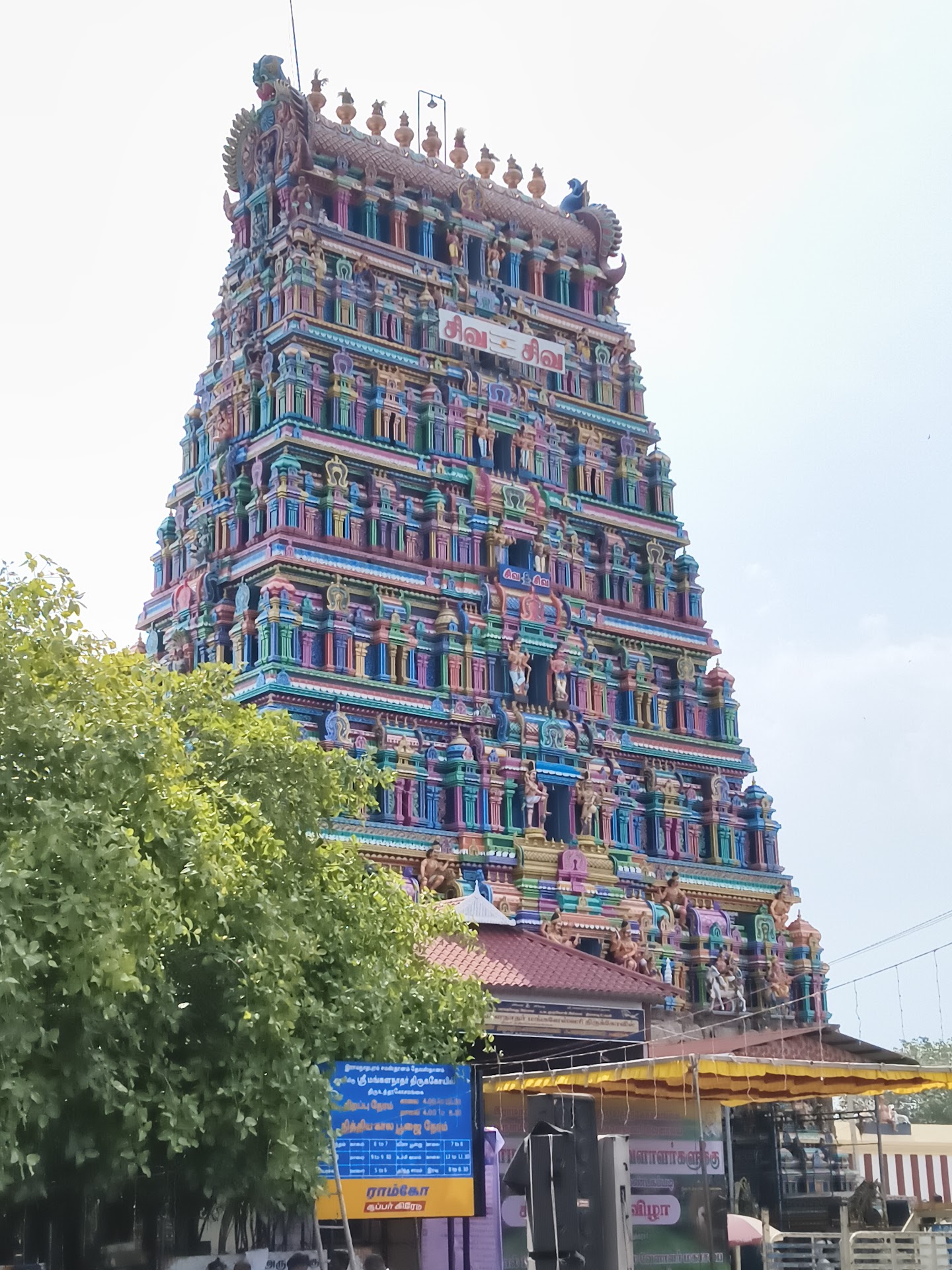
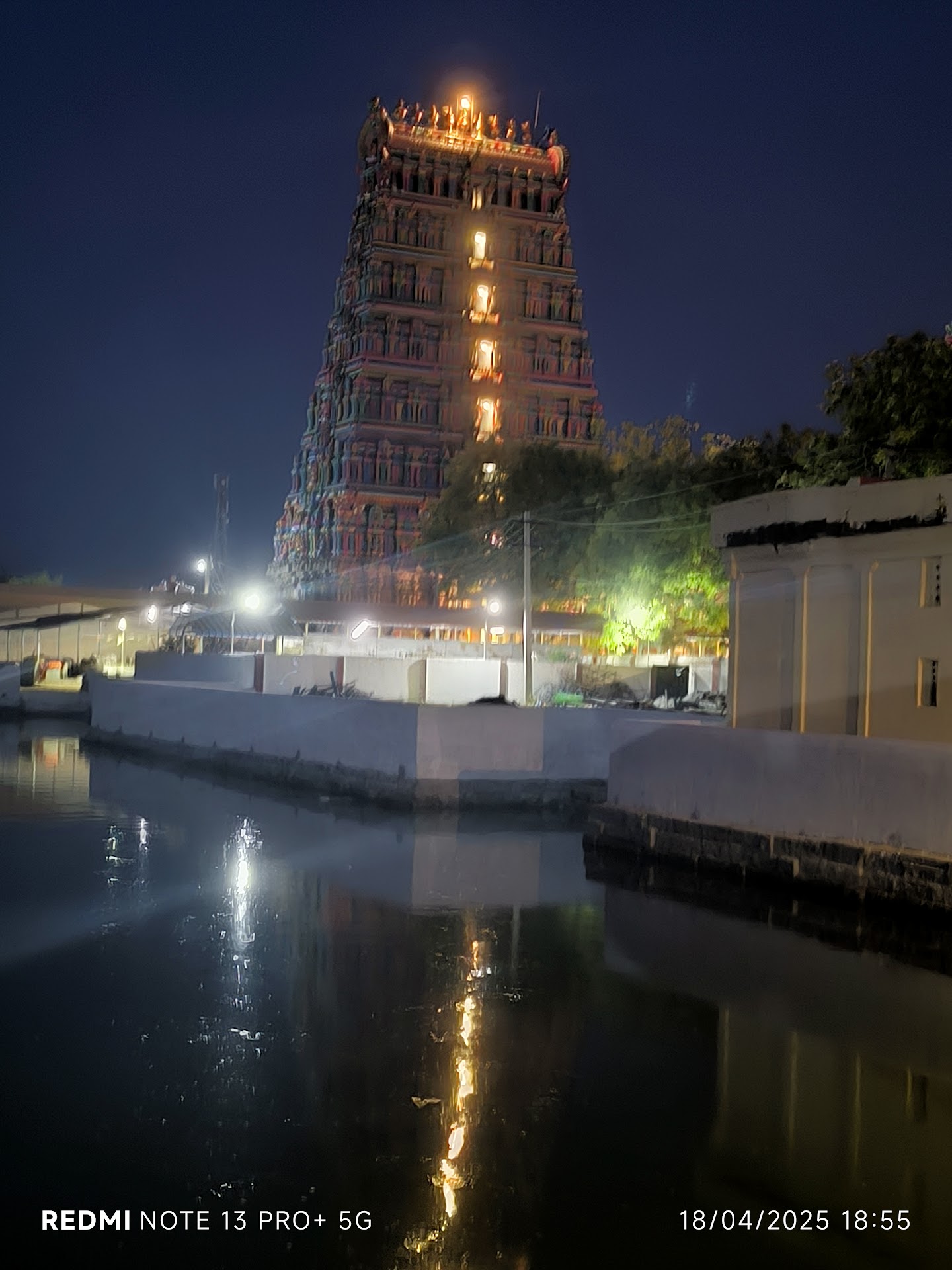
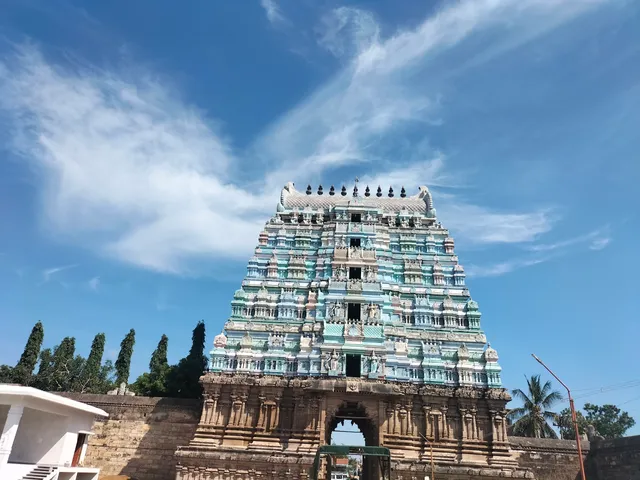
Architecturally, the temple is a marvel. The structure features intricately carved pillars, towering gopurams, and majestic yali sculptures at the entrance, with stone balls that rotate in the mouths of the mythical creatures an impressive testament to the ingenuity of ancient Tamil artisans. Each element reflects a perfect blend of devotion and craftsmanship.

Festivals are celebrated with grandeur and fervor. Arudra Darshan is the most anticipated, followed by Tirukalyana Vaibhavam in April–May, which marks the celestial wedding of Shiva and Parvati. Other important festivals include Maha Shivaratri, Annabishekam, and Vasanthotsavam. Daily rituals and six poojas are performed with devotion, maintaining the temple's traditional rhythm and spiritual energy.

However, despite its sanctity and magnificence, a concerning issue shadows the temple experience preferential treatment given to select individuals who offer bribes or donations in exchange for faster access or special privileges.

In a place where every pilgrim should be treated equally before the divine, some temple staff reportedly solicit or accept money in return for prioritizing “VIP” visitors. This leaves ordinary devotees many of whom travel from far, wait patiently in lines, and come with sincere devotion feeling marginalized and rushed through their darshan.

Such practices raise serious concerns about fairness and the spiritual atmosphere of the temple. In a sacred space that represents divine equality, any form of discrimination or monetary favoritism is not only inappropriate but also undermines the entire purpose of pilgrimage. Temples should be places where all are welcomed with the same reverence, regardless of status or wealth.

To preserve the sanctity of Uthirakosamangai, stronger efforts must be made to ensure that all devotees receive equal treatment. Measures like queue systems, clear signage, structured complaint channels, and dedicated volunteers could help improve the experience.

Above all, addressing unethical behavior among temple staff is vital to restoring trust and respect in the temple environment.

Despite these modern flaws, the Uthirakosamangai Temple continues to captivate the hearts of those who seek divine connection, artistic beauty, and cultural depth.

Its legacy is profound, and its potential to inspire devotion remains untarnished if only the values of fairness and humility are upheld...

   Read more

avatar
5.0
29w

A Spiritually Enriching Visit to One of the Oldest Shiva Temples – Uthirakosamangai This was our first visit to Uthirakosamangai Temple, and it was truly a spiritually fulfilling experience. We had been planning to visit this ancient temple for several months, and fortunately, a couple of days’ break gave us the perfect opportunity to finally make the trip.

Also known as Mangalanatha Swamy Temple, this historic site is dedicated to Lord Shiva and is located in Ramanathapuram district, Tamil Nadu. It is believed to be one of the earliest Shiva temples in existence, rich in history, legends, and deep spiritual energy.

One of the temple's main attractions is the 6-foot-tall Maragatha Nataraja idol, carved entirely out of emerald (maragatham)—a truly rare and priceless representation of Lord Shiva in his cosmic dance form. Most of the year, this sacred idol is kept covered in sandalwood paste, and it is revealed to the public only once a year during the Arudra Darshan festival.

The temple is also associated with a unique and powerful lingam called the Sahasralingam—a representation of 1000 lingams in one single structure, created as a tribute to 999 sages who, according to legend, offered their lives in devotion to Lord Shiva.

A Glimpse into the Temple’s Mythology According to temple lore, Lord Shiva once appeared in Ravana’s palace as a child with a small wound. When Ravana tried to pick up the child, a fireball emerged from the temple pond (Agni Theertham). Fearing it was Shiva's wrath, 999 sages sacrificed themselves by jumping into the fire. One sage stayed back to protect the sacred scriptures, and Shiva, pleased with his devotion, appeared as the Sahasralingam. That lone sage is believed to have been reborn as the revered saint Manikkavacakar, who also has a special lingam dedicated to him within the temple.

The temple’s name, Uthirakosamangai, signifies the place where Lord Shiva shared sacred knowledge with Goddess Parvati, making it an important center for both devotion and divine wisdom.

Our Experience We visited the temple in the evening, and since the temple had recently undergone Kumbhabhishekam (consecration ceremony), it was quite crowded with devotees from nearby towns and villages. Despite the crowd, the experience was serene and well-organized.

We could still see the Yaga Kundams (ritual fire altars) used during the ceremony, which added to the divine atmosphere. A highlight of our visit was seeing the ancient 3000-year-old Jujube (Elanthai) tree, which is believed to hold spiritual significance.

This temple is also said to grant moksha (spiritual liberation) to 1000 Shiva devotees, further reinforcing its importance in Hindu belief and worship.

Final Thoughts This temple is not just a place of worship—it’s a treasure trove of history, mythology, and divine presence. The architecture, the legends, and the spiritual ambiance make it a must-visit for Shiva devotees and anyone interested in ancient temples of India.

If you're in or around Ramanathapuram, or planning a trip to southern Tamil Nadu, I highly recommend visiting Uthirakosamangai. Do try to go early or during non-peak hours if possible, especially after major temple festivals, to enjoy a more peaceful darshan.

Om Namah...

   Read more
Page 1 of 7
Previous
Next