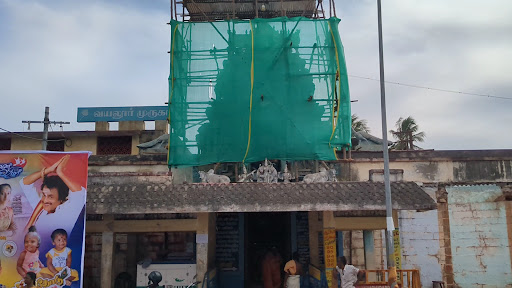
The Vayalur Murugan Temple is a Hindu temple dedicated to Muruga, son of Lord Shiva and Parvati, located in the village of Kumaravayalur in Tiruchirapalli district, Tamil Nadu, India. The temple is believed to have been initiated during the period of Medieval Cholas during the 9th century. The temple is maintained and administered by the Hindu Religious and Charitable Endowments Department of the Government of Tamil Nadu. Though the presiding deity is Shiva, the temple is known for the Murugan shrine. The temple is associated with Hindu savant, Kirupanandha Variyar.
This temple is around 1200 years old and was built during the reign of Cholas. The temple was built by the Cholas in the 9th century AD. The temple is surrounded by lush green fields and located close to the Uyyakondan river. The gopuram of the temple was connected by the Hindu savant, Kirupanandha Variyar. The main deity in the temple is Muruga, it is behind the Moolavar Shiva Sannithy. The other Sannithys in this temple are Moolavar arulmigu Athi Nathar (Lord Shiva). Agni Theertham also known as Shakthi Theertham. According to a legend, Lord Muruga himself created this tank with his Velayudham. Sthala Vriksham: Vanni Maram (Vanni tree) is seen in the left side from the entrance of rajagopuram. The five-tiered rajagopuram is a modern addition. The presiding deity Shiva is represented in the form of Adinathar and his consort Adinayagi. The image of Muthukumaraswawmy is located in the first precinct behind the sanctum.
Arunagirinathar was a 15th-century Tamil poet born in Tiruvannamalai. He spent his early years as a rioter and seducer of women. After ruining his health, he tried to commit suicide by throwing himself from the northern tower of Annamalaiyar Temple, but was saved by the grace of god Murugan. He became a staunch devotee and composed Tamil hymns glorifying Murugan, the most notable being Thirupugazh. Arunagirinathar visited various Murugan temples and on his way back to Tiruvannamalai, visited Vayalur and sang praises about Murugan. The temple priests perform the puja (rituals) during festivals and on a daily basis. The temple rituals are performed six times a day; Kalasanthi at 6:00 a.m., Muthalam Kalam at 8:00 a.m., Uchikalam at 12:00 a.m., Sayarakshai at 6:00 p.m, Rendam Kalam at 8:00 p.m. and Arthajamam at 9:00 p.m.. Each ritual comprises four steps: abhisheka (sacred bath), alangaram (decoration), naivethanam (food offering) and deepa aradanai (waving of lamps) for Kachabeswarar and Anjanatchi. There are weekly rituals like somavaram (Monday) and sukravaram (Friday), fortnightly rituals like pradosham, and monthly festivals like amavasai (new moon day), kiruthigai, pournami (full moon day) and sathurthi. The eleven-day Vaikasi Visakam during the Tamil month of Vaikasi (May - June), Thai Poosam during the Tamil month of Thai (January - February), Panguni Uthiram during the month of Mar - Apr, Vaikasi Visakam , the birth star of Murugan during the month of May - June, Adi Kirthikai during the month of July/August, Thiru Karthikai during the month of oct/nov and Kanda shasti November are the most prominent festivals in the temple. The temple is a very prominent temples...
Read moreOne of the finest temples of Lord Muruga.
Vayalur village is surrounded by green paddy fields and rich green foliage of coconut groves. Main temple is facing east and the main entrance into this graceful Temple is through a gateway of Rajagopuram directly leading into the inner temple precincts.
The majestic Rajagopuram is consisting of five Anganams. In front of the temple, on Southeast side there is a holy bathing tank known as Sakthi Theertham (Agni Theertham). Legend says that Lord Muruga Himself had created this tank by using His Velayutham.
Entering into the temple one can see the Sthalavirksham "Vanni Tree" and in the specious prakara mandapam, puranic pictures depicting Kandapuranam can be seen. Proceeding further one finds the shrine of Lord Ganesa, Dwajasthambam, Balipeedam and the statue of Nandhi facing towards sanctum sanctorium of Lord Athinathar(Sivalingam), the presiding diety and in another temple, Goddess Athinayaki facing southside.
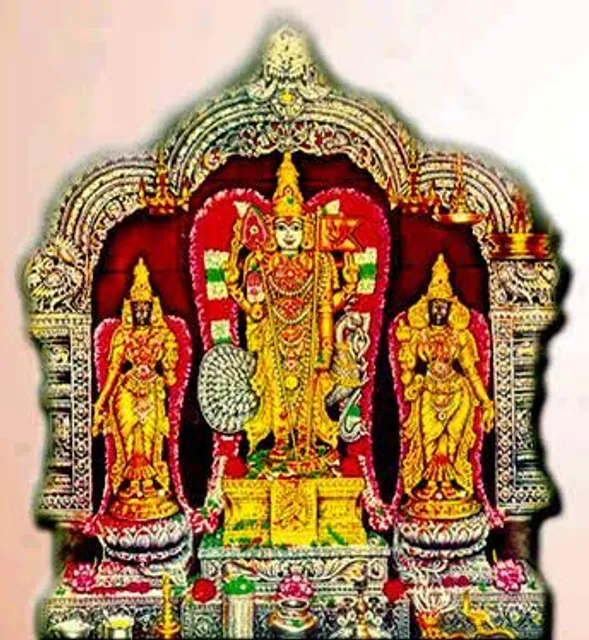
Lord Subramaniya swamy shrine is on the backside of the Siva's shrine. He is giving darshan with His two consorts, Sri Valli and Deivayanai. All are in a standing position. Beside Them Their vahanam Peacock is facing left side looking Sri Deivayanai. It is called Devendra mayil. It is a rare sculpture. Daily poojas are commenced only after Lord Muruga worshipped His parants (Athinathar and Athinayaki). That is why; Lord Siva is also called as KumaraPoojithanathar. He is also praised by the names of Vidanga peruman, Mahadevar and Agneeswarar.
Particular mention has to be made here about Navagrahas, which are in the northeast corner of the temple.
While the shrine Suriya with his two consorts (Devies) Ushadevi and Sayadevi are in standing position, all other eight grahas are in standing position facing towards Surya. It is believed that all dhoshas (misfortunes) caused by these grahas are being wiped out by the blessings of Lord Surya as well as by Lord Muruga.
The Chathura Thandava posture of Lord Nataraja is worth seeing. Thiruvasi and Muyalagan (dwarf-demon) at His feet are not found....
Read moreThis temple was built by Cholas in 9th Century. Later Thirumuruga Kirupananda Variyar helped a lot to renovate this temple. This temple is also known as Kumara Vayalur, Adi Vayalur, Vanni Vayalur and Agnishwaram.
In the sanctum sanctorum, Sri Subramanian along with his consorts Valli and Devayani is seated on a peacock. Behind the main sanctum sanctorum, there is a temple for Lord Shiva. Lord Shiva here is said to be a Swayumbu lingam known as Agniswarar. Adjacent to Agniswarar is the shrine for his consort Sri Adi Nayaki and is known as Munnilai Nayaki. One of the special features about Lord Nataraja idol here is it has both its legs placed on the ground.
According to mythology, Lord Muruga worshipped Lord Shiva here. Lord Muruga created a tank here with his weapon to worship his parents. It is at the place where lord Muruga blessed the saint poet Arunagiri Nathar and also initiated him to compose Thirupugazh.
The temple is surrounded by lush green fields called Vayal in Tamil and hence the name Vayalur. In front of the temple there is a beautiful pond called Sakti Tirtham created by Lord Muruga.
The 12 days Vaikasi (May / June) attracts a huge number of devotees. The 7 days Skanda Sashti (September / October), 4 days Panguni Uthiram (March-April) and 3 day Thaipoosam (January / February) are major festivals...
Read more