Mudumalai National Park and Tiger Reserve
Introduction
Mudumalai National Park and Tiger Reserve, nestled in the picturesque Nilgiri Hills of Tamil Nadu, is one of India’s most significant wildlife sanctuaries. Spanning over 321 square kilometers, it forms a crucial part of the Nilgiri Biosphere Reserve, which also includes Bandipur National Park in Karnataka and Wayanad Wildlife Sanctuary in Kerala. Established in 1940, Mudumalai is among the first national parks in India and was declared a tiger reserve in 2007 under Project Tiger. The park is renowned for its rich biodiversity, diverse ecosystems, and its significant role in the conservation of endangered species like the Royal Bengal Tiger, Indian Elephant, and Indian Gaur.
This reserve is a haven for wildlife enthusiasts, photographers, and nature lovers. It offers breathtaking landscapes, lush green forests, gushing streams, and an abundance of flora and fauna that make it a must-visit destination for anyone interested in India’s natural heritage.
Geographical Location and Climate
Mudumalai National Park is situated in the northwestern region of Tamil Nadu, near the tri-junction of Karnataka, Kerala, and Tamil Nadu. It lies at an altitude ranging from 960 meters to 1,266 meters above sea level and enjoys a moderate climate throughout the year. The park is divided into five major zones:
Masinagudi
Thepakadu
Mudumalai
Kargudi
Nellakotta
The Moyar River flows through the park, acting as a vital water source for wildlife. The terrain consists of dense deciduous forests, tropical moist forests, dry thorn forests, and grasslands, providing diverse habitats for different species.
The climate of Mudumalai is typically pleasant due to its high-altitude location. It experiences:
Summer (March to June) – Temperatures range from 25°C to 35°C.
Monsoon (July to September) – Receives moderate to heavy rainfall, making the forest lush green.
Winter (October to February) – The best time to visit, with temperatures dropping to 10°C–20°C, offering a cool and comfortable experience.
Flora of Mudumalai
Mudumalai is home to over 500 species of plants, including rare medicinal herbs and exotic trees. The forest types include:
Tropical Moist Deciduous Forests – Found in the wet areas of the reserve, consisting of trees like Teak, Rosewood, Indian Kino Tree, and Terminalia species.
Tropical Dry Deciduous Forests – Characterized by trees such as Axlewood, Flame of the Forest, and Indian Laburnum.
Scrub and Thorn Forests – Found in the drier regions, dominated by Acacia and Euphorbia species.
Grasslands and Bamboo Forests – These provide an essential habitat for herbivores like elephants and deer.
The presence of medicinal plants and endemic flora makes Mudumalai a significant ecological zone for research and conservation.
Fauna of Mudumalai
Mudumalai is famous for its rich wildlife, including a variety of mammals, birds, reptiles, and amphibians.
Mammals
The park is home to over 50 species of mammals, including:
Royal Bengal Tiger – The apex predator of the reserve, with around 100 tigers recorded in recent surveys.
Indian Elephant – A major attraction, as Mudumalai is part of the Nilgiri Elephant Corridor.
Indian Gaur (Bison) – The largest wild cattle species in the world.
Leopard – A secretive predator found in the dense forests.
Sloth Bear – Known for its nocturnal behavior.
Spotted Deer, Sambar Deer, and Barking Deer – Common herbivores in the park.
Wild Boar and Indian Porcupine – Often spotted near water sources.
Birds
Mudumalai is a paradise for bird watchers, boasting over 260 species of birds. Some notable species include:
Malabar Trogon – A colorful and rare bird.
Great Hornbill – One of the largest hornbill species.
Indian Peafowl – The national bird of India, commonly seen in open areas.
Crested Serpent Eagle – A powerful raptor found in the forests.
Hill Mynas and Woodpeckers – Abundant in different forest zones.
Reptiles and Amphibians
The park is home to...
Read moreTo give a brief of what I’m going to write, it is about the drive from Mysore to Mudumalai tiger reserve(Maravakandi View II) and the stay there.
I started my journey early in the morning around 6.00 am from Mysore to Bandipur tiger reserve which took me about an hour and 45 minutes including a breakfast break. The major issue I faced during this is I could not find any restaurant in the highway and even if I did due to the construction going on in the highways, it was impossible to park the car. But then eventually I found a place called the “Hotel Vishnu Inn” in B.N Road, Nanjangudu. Hence when and if you take the route pl do plan in advance about the food.
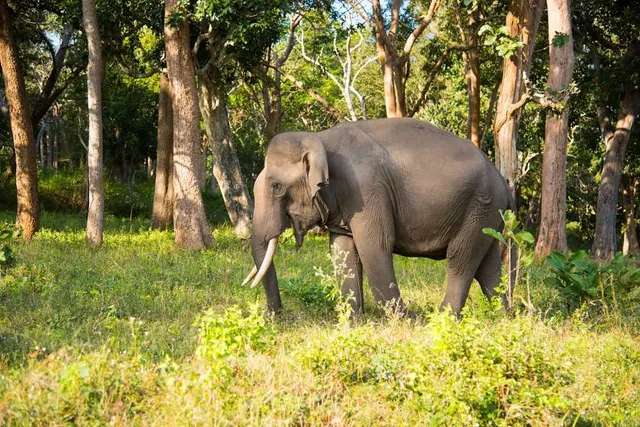
Had some crispy and drool worthy Mysore Masala Benne Dosa and vada ofc. From there in about 30-40 mins I reached the Bandipur tiger reserve. As I drove, I don’t even have the words to explain how soothing it was to tune my ears to the silence. 15 minutes into the drive, I saw a massive tusker.
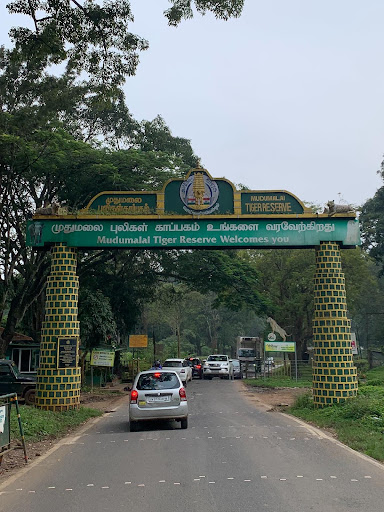
And another 25 ish minutes into the forest, I reached the Mudumalai Tiger reserve entrance. The checking was intense here, they do open your bags and check.
I had a booked myself a Government guest house in the Mudumalai tiger reserve in prior to the trip.
Once I reached the Tiger reserve office to check in, they gave me location details for the guest house I booked and the contact details of the ranger who would be staying with me for the stay. The guest house was 10-15 mins from the forest office. The forest office is where you can book the safari rides as well and the elephant camp is near by too.
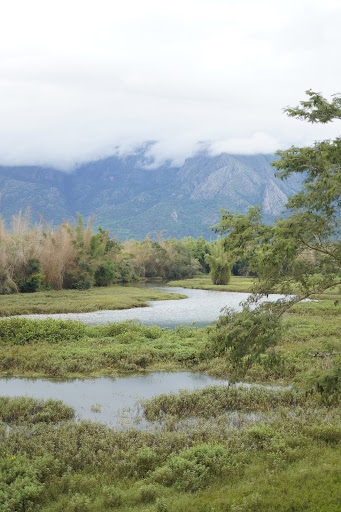
The guest house is called “Maravakandi” and you can book it on the Mudumalai Tiger reserve website. Reaching there is easy but a little bumpy. I knew the place was going to be beautiful but I was wrong, it was everything more than what I expected. Mind you I am not talking in terms of luxury but in terms of being close to nature. The building stood in the middle of no where and faced a beautiful man made lake. Several birds came to visit the place. This building was a bird watch tower and got converted into a guest house. An electric fence surrounded the building which would be switched on during the nights to keep the wild animals away especially the elephants.
There are two floors, the first one which can accommodate two people and the second one which can accommodate three. The cars can be parked inside the fence.
All I could literally do is just keep looking outside at the lake and the forest. It was a sight for sore eyes which constantly kept looking at the screens and traffic. Here they can arrange food for you but you have to go and pick it up from the main dining hall a little drive away from this place. During the day time it won’t be a problem but during the night it will be pitch dark as there are no street lights to guide and coming in contact with elephants is very much possible. You are supposed to be back in the guest house by 6.30 pm in the evening and are not allowed to go out till the next day morning. Heavy fines are slapped if you do.
A little about the rooms, they are clean, spacious, have towels, soaps, western toilets and geyser. There is nothing to complain about. I found one thing difficult which was once I had the food I had to wash the plates and tiffin boxes in the bathroom. If there was a wash basin outside the bathroom too, it would be a little bit more convenient.
As you drive through the forests you can spot spotted deers, sambar deers, monkeys, black languars and if you are lucky herds of elephants and bisons which I came across.
The reserve forest opens about 6.00 am in the morning, you might then going there early can help you spot more animals but you are mistaken as was I. In the mornings heavy vechicles keep going non stop and they are noisy which would make the animals not venture out. The place is maintained so well, hats off to the rangers and forest dept officials.I thoroughly enjoyed my stay and wouldn’t blink to be going back there. While you stay there, follow the rules, be careful and...
Read moreMudumalai Tiger Reserve, nestled in the Nilgiri Biosphere Reserve at the tri-junction of Tamil Nadu, Karnataka, and Kerala, is a haven for wildlife enthusiasts and nature lovers alike.
Spanning an impressive area of 688.59 square kilometers, the reserve is divided into core and buffer zones, offering a diverse range of habitats such as tropical evergreen forests, moist and dry deciduous forests, grasslands, and swampy areas. Its strategic location connects the Eastern and Western Ghats, creating a vital ecological corridor that supports an incredible variety of flora and fauna.
The reserve is renowned for its rich biodiversity. It is home to numerous species of mammals, birds, reptiles, and amphibians. Among its most celebrated inhabitants are the Bengal tiger, Indian elephant, leopard, gaur (Indian bison), spotted deer, and sambar deer.
The Moyar River runs through the reserve, serving as a lifeline for its wildlife and offering visitors a chance to witness animals in their natural habitat as they gather by the water.
Birdwatchers will be delighted by the presence of over 260 bird species, including Hornbills, Minivans, Jungle Fowls, and Fairy Bluebirds. The park also boasts a variety of reptiles like pythons, spectacled cobras, and flying lizards.
The vegetation in Mudumalai is equally remarkable. Towering teak trees, sandalwood, bamboo groves, and wildflowers create a lush backdrop for exploration. The reserve also serves as a genetic repository for wild relatives of cultivated plants such as turmeric, ginger, cinnamon, and mango. This biodiversity underscores its ecological importance not only to India but also to global conservation efforts.
Visitors to Mudumalai can engage in a range of activities to experience its wilderness. Jungle safaris are a popular attraction, conducted in buses or vans that traverse designated routes within the forest.
While sightings of elusive big cats like tigers or leopards are rare and depend on luck, the thrill of spotting other wildlife like elephants or deer makes the experience worthwhile. For those seeking more adventure, trekking and guided nature walks offer opportunities to delve deeper into the forest's beauty.
The Theppakadu Elephant Camp within the reserve is another highlight. Here, visitors can observe elephants being fed and cared for by their mahouts, a practice that has drawn mixed reactions due to concerns about animal welfare. The camp provides insight into traditional methods of human-elephant interaction in the region.
Mudumalai’s climate is tropical and wet, with early summer (February to May) being the best time to visit. During this period, animals frequent water sources more often due to the dry conditions, increasing the chances of wildlife sightings. Post-monsoon months are also ideal for exploring the lush greenery and vibrant landscapes.
The reserve’s proximity to major cities like Ooty (36 km), Mysore (91 km), and Coimbatore (160 km) makes it accessible by road or rail. Accommodation options range from eco-friendly lodges to luxury resorts in nearby areas like Bandipur and Masinagudi.
Mudumalai Tiger Reserve is not just a sanctuary for wildlife but also a cultural landscape inhabited by indigenous tribes such as the Irulars and Kurumbas. These communities have coexisted with nature for centuries, contributing to the region's unique socio-ecological balance.
In summary, Mudumalai Tiger Reserve that offers an unparalleled opportunity to immerse oneself in nature's splendor while supporting conservation efforts for some of India's most iconic species. Whether you're an avid wildlife photographer or simply seeking tranquility amidst verdant forests, this reserve promises an...
Read more