HTML SitemapExplore
logo
Find Things to DoFind The Best Restaurants

Pykara Waterfalls — Attraction in Tamil Nadu

Name
Pykara Waterfalls
Description
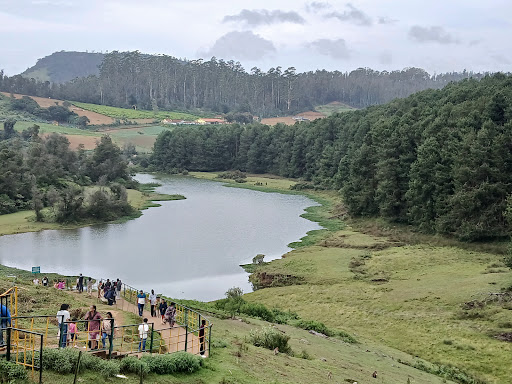
Pykara is a river 19 kilometres from Ooty in the Indian State of Tamil Nadu with a village by the same name nearby. The Pykara River is considered very sacred by the Todas. It rises at Mukurthi peak, flows northwards, and then turns to the west after reaching the edge of the plateau.
Nearby attractions
Nearby restaurants
Hotel Vijaya Vilas
FJ83+X6C, Nagapattinam - Coimbatore - Gundlupet Hwy, Pykara, Tamil Nadu 643237, India
Suvai Bakery And Hotel
FJ83+R3X, Pykara, Sholur, Tamil Nadu 643237, India
Related posts
Keywords
Pykara Waterfalls tourism.Pykara Waterfalls hotels.Pykara Waterfalls bed and breakfast. flights to Pykara Waterfalls.Pykara Waterfalls attractions.Pykara Waterfalls restaurants.Pykara Waterfalls travel.Pykara Waterfalls travel guide.Pykara Waterfalls travel blog.Pykara Waterfalls pictures.Pykara Waterfalls photos.Pykara Waterfalls travel tips.Pykara Waterfalls maps.Pykara Waterfalls things to do.
Pykara Waterfalls things to do, attractions, restaurants, events info and trip planning
Pykara Waterfalls
IndiaTamil NaduPykara Waterfalls

Basic Info

Pykara Waterfalls

FJF3+5M2, River, Pykara, Sholur, Tamil Nadu 643237, India
4.3(6.8K)
Open until 5:30 PM
Save
spot

Ratings & Description

Info

Pykara is a river 19 kilometres from Ooty in the Indian State of Tamil Nadu with a village by the same name nearby. The Pykara River is considered very sacred by the Todas. It rises at Mukurthi peak, flows northwards, and then turns to the west after reaching the edge of the plateau.

Outdoor
Adventure
Family friendly
attractions: , restaurants: Hotel Vijaya Vilas, Suvai Bakery And Hotel
logoLearn more insights from Wanderboat AI.
Open hoursSee all hours
Fri8:30 AM - 5:30 PMOpen

Plan your stay

hotel
Pet-friendly Hotels in Tamil Nadu
Find a cozy hotel nearby and make it a full experience.
hotel
Affordable Hotels in Tamil Nadu
Find a cozy hotel nearby and make it a full experience.
hotel
The Coolest Hotels You Haven't Heard Of (Yet)
Find a cozy hotel nearby and make it a full experience.
hotel
Trending Stays Worth the Hype in Tamil Nadu
Find a cozy hotel nearby and make it a full experience.

Reviews

Nearby restaurants of Pykara Waterfalls

Hotel Vijaya Vilas

Suvai Bakery And Hotel

Hotel Vijaya Vilas

Hotel Vijaya Vilas

3.7

(117)

Click for details
Suvai Bakery And Hotel

Suvai Bakery And Hotel

3.9

(16)

Click for details
Get the Appoverlay
Get the AppOne tap to find yournext favorite spots!
Wanderboat LogoWanderboat

Your everyday Al companion for getaway ideas

CompanyAbout Us
InformationAI Trip PlannerSitemap
SocialXInstagramTiktokLinkedin
LegalTerms of ServicePrivacy Policy

Get the app

© 2025 Wanderboat. All rights reserved.
logo

Reviews of Pykara Waterfalls

4.3
(6,757)
avatar
5.0
23w

The Pykara is a river 19 kilometres (12 mi) from Ooty in the Indian State of Tamil Nadu with a village by the same name nearby.[1] The Pykara River is considered very sacred by the Todas.[2] It rises at Mukurthi peak, flows northwards, and then turns to the west after reaching the edge of the plateau.[2] The river flows through Mukurthi, Pykara and Glenmorgan dams, and forms part of an important hydro-electric power project. It is a tributary of the Moyar river, which in turn is a tributary of the Bhavani river, which itself is a tributary of the Kaveri river.

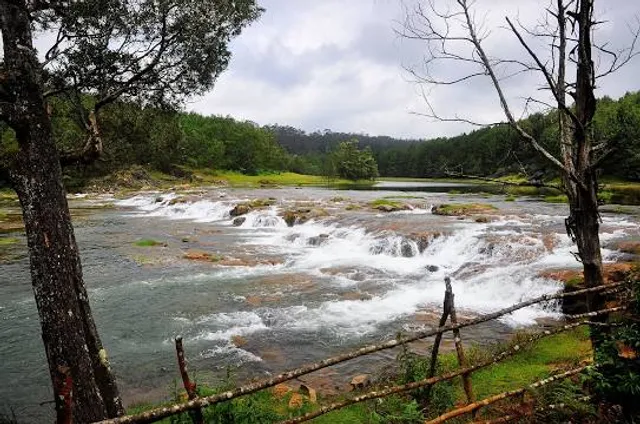
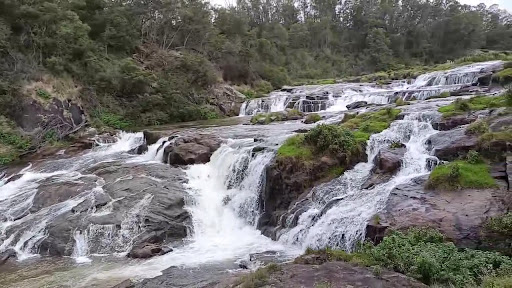
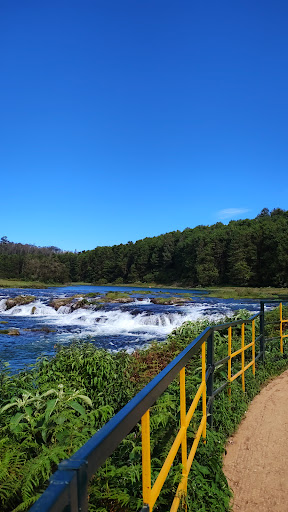
The river flows over a series of waterfalls, the last two of 55 metres (180 ft) and 61 metres (200 ft) being known as Pykara Falls.[2] The falls are approximately 6 kilometres (4 mi) from the bridge on the main road. There is a forest rest house at Pykara. A boat house on the Pykara reservoir is an added attraction for tourists. Pykara has well-protected, fenced sholas, Toda settlements, large grassy meadows and good wildlife habitat. The Pykara Dam, falls and reservoir attract many tourists.[1]

Pykara's climate is classified as subtropical highland climate (Cwb) under Köppen climate classification. Pykara, due to its location in the Nilgiris, gets rain from both the monsoons. The wet season runs from April to December and the dry season from January to March.

The dam is near the main Ooty–Gudalur road and includes a power station. One of the oldest power plants in South India, the Pykara station still functions, generating about 60 megawatts. The first unit of 6.65 MW was commissioned in October 1932.[4] Sir C.P. Ramaswamy Aiyar, Diwan of Travancore, worked with the British regime in 1920s and 1930s in the setting up of the Pykara project. A team of engineers led by H.G. Howard, a chief engineer in the then electricity department, was responsible for carrying out the project.[4] The Bangalore-Chennai industrial region is highly dependent on the Pykara hydroelectric plant. The Pykara Station, declared as a heritage plant in September 1997, triggered the establishment of more hydro-electric power stations in the state. Today, the Nilgiris district alone boasts hydro-electric stations with an aggregate installed capacity of 837 MW. Five decades after establishment of the old plant, the Electricity Board (EB) authorities came up with a plan for the Pykara Ultimate Stage Hydro Electric Plant (PUSHEP), containing three units of 50 MW each. The construction of an underground powerhouse, 17 tunnels and the hydraulic head of 1,039 metres (3,409 ft) are the special features of the new plant. According to the EB, the hydraulic head is the highest in Asia. The access to the powerhouse is a tunnel 1.5 kilometres (0.9 mi) long.[4]

A boat house on the Pykara Reservoir is an added attraction for tourists. The boat house with restaurant is maintained by Tamil Nadu Tourism Development Corporation. It consists of several boats and has motor boats which are allowed for 20 minutes and speed boats which are allowed for...

   Read more
avatar
5.0
27w

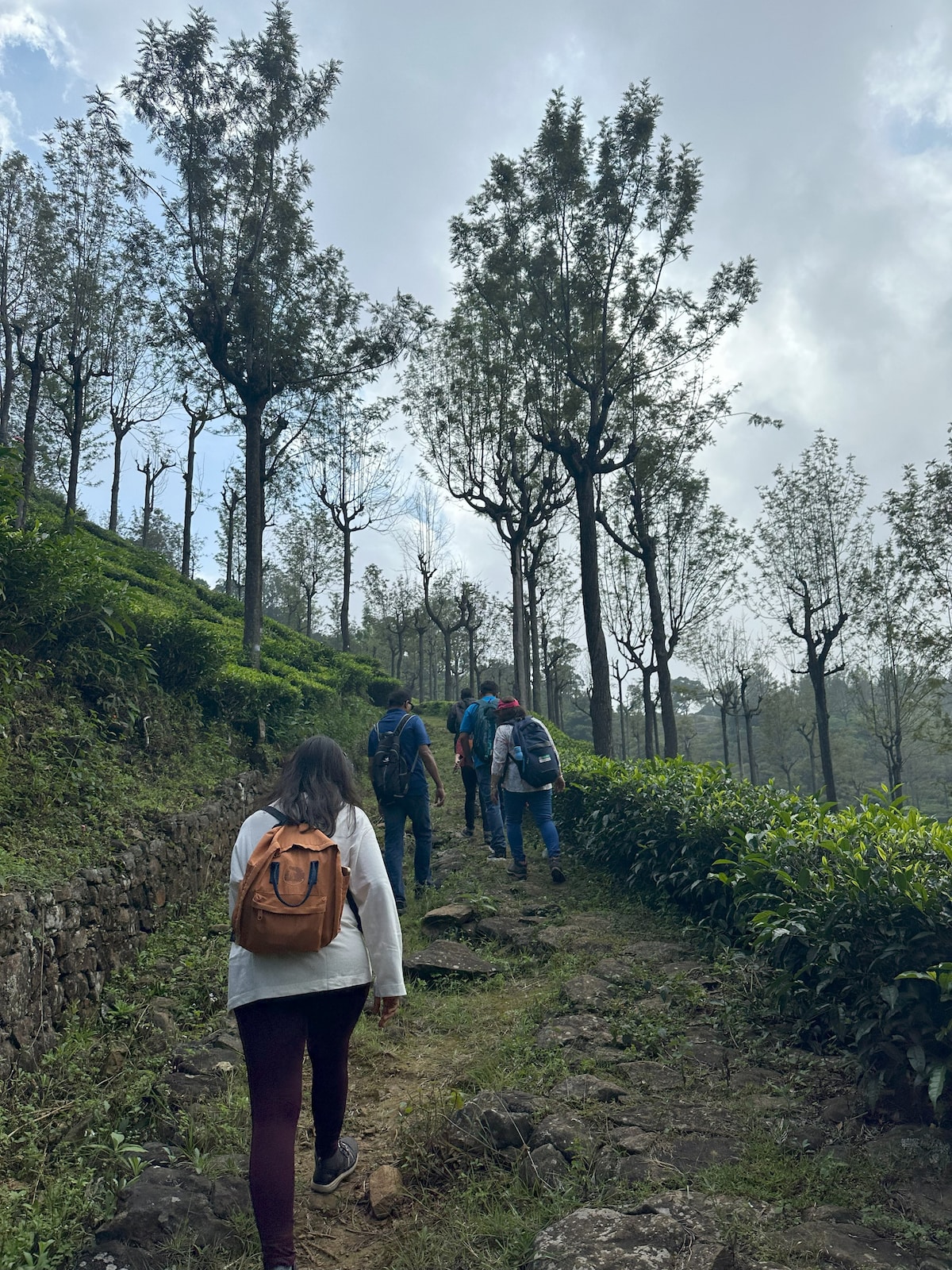
Pykara Waterfall, located about 20 km from Ooty, is one of the region’s most scenic and serene natural attractions. Surrounded by thick forests and shola grasslands, it offers a perfect mix of natural beauty, peaceful ambiance, and photogenic landscapes—a must-visit for anyone exploring the Nilgiris.

Nature & Scenery: The waterfall is formed by the Pykara River, which descends gracefully in multiple stages over rocky terrain. It's not a single vertical drop but rather a series of cascading falls, especially prominent during and shortly after the monsoon season. The contrast between the gushing white waters and the surrounding green hills is stunning and makes for an excellent sight.

Atmosphere: The ambiance at Pykara is refreshingly tranquil. The sound of rushing water, birdsong in the background, and the gentle breeze through the trees create a soothing natural soundtrack. It’s a great spot to unwind and enjoy nature without the typical bustle of city life.

Accessibility & Amenities: From the parking area, there’s a well-laid pathway and a flight of steps that lead to the waterfall viewing platforms. It’s an easy 5–10 minute walk, manageable for most visitors. There are basic facilities near the entrance, including restrooms and small food stalls selling snacks, tea, and souvenirs.

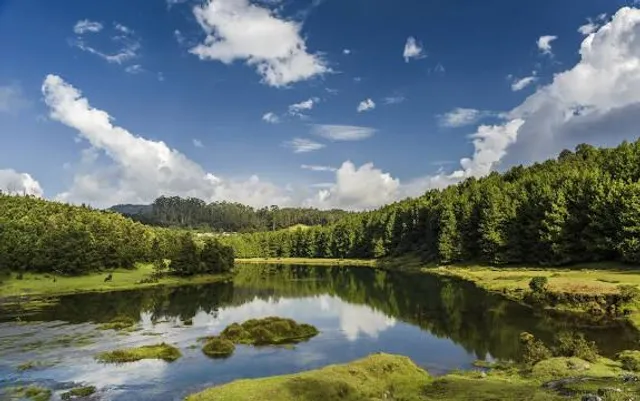
Nearby Attractions: If you're in the area, don’t miss the Pykara Lake and Boathouse, just a few kilometers away. The lake is peaceful and ideal for a relaxing boat ride amidst scenic surroundings, making it a perfect complement to your waterfall visit.

Best Time to Visit: The best time to experience the full beauty of Pykara Falls is during the monsoon or post-monsoon months (July–November), when the water flow is at its peak. However, it remains a pleasant spot year-round due to the cool, misty climate of the Nilgiris.

Things to Remember:

Wear comfortable walking shoes—some stairs and uneven paths are involved

Be cautious near wet rocks—slippery areas around the falls

Great spot for photography—don’t forget your camera or phone

Try to visit earlier in the day to avoid crowds and enjoy...

   Read more
avatar
5.0
29w

The journey to the falls involves a walk of approximately 500 meters from the parking area to the ticket counter, followed by descending around 100 steps to reach the viewing point. For those who prefer assistance, electric buggies are available for a nominal fee . 

The waterfall is especially vibrant during the monsoon and post-monsoon seasons (July to January), when the water flow is at its peak, and the surrounding vegetation is lush and green . 

Activities and Nearby Attractions • Boating at Pykara Lake: Adjacent to the falls, Pykara Lake offers boating experiences managed by the Tamil Nadu Tourism Development Corporation. Visitors can choose between motorboats and speedboats to explore the serene waters .  • Photography and Nature Walks: The area around Pykara Falls is ideal for photography enthusiasts and nature lovers, with opportunities to capture the cascading waters and the rich biodiversity of the region. • Pine Forest: Nearby, the Pine Forest provides a tranquil setting for leisurely walks and is a popular spot for picnics and photography. 

Practical Information • Timings: Open daily from 8:30 AM to 5:00 PM .  • Entry Fee: INR 30 per person .  • Accessibility: While the path to the falls includes steps and uneven terrain, the availability of electric buggies makes it accessible for visitors with mobility concerns. 

Visitor Tips • Best Time to Visit: Plan your visit during the monsoon or post-monsoon seasons for the most impressive views of the waterfall. • Footwear: Wear comfortable walking shoes to navigate the steps and pathways safely.  • Safety: Swimming is prohibited due to safety measures in place; visitors are advised to adhere to the guidelines and enjoy the falls from designated viewing areas.

Pykara Falls offers a refreshing escape into nature, combining the allure of cascading waters with the tranquility of the surrounding landscape. Whether you’re seeking a peaceful retreat or an opportunity to connect with nature, Pykara Falls is a destination...

   Read more
Page 1 of 7
Previous
Next

Posts

Sourish DeySourish Dey
The Pykara is a river 19 kilometres (12 mi) from Ooty in the Indian State of Tamil Nadu with a village by the same name nearby.[1] The Pykara River is considered very sacred by the Todas.[2] It rises at Mukurthi peak, flows northwards, and then turns to the west after reaching the edge of the plateau.[2] The river flows through Mukurthi, Pykara and Glenmorgan dams, and forms part of an important hydro-electric power project. It is a tributary of the Moyar river, which in turn is a tributary of the Bhavani river, which itself is a tributary of the Kaveri river. The river flows over a series of waterfalls, the last two of 55 metres (180 ft) and 61 metres (200 ft) being known as Pykara Falls.[2] The falls are approximately 6 kilometres (4 mi) from the bridge on the main road. There is a forest rest house at Pykara. A boat house on the Pykara reservoir is an added attraction for tourists. Pykara has well-protected, fenced sholas, Toda settlements, large grassy meadows and good wildlife habitat. The Pykara Dam, falls and reservoir attract many tourists.[1] Pykara's climate is classified as subtropical highland climate (Cwb) under Köppen climate classification. Pykara, due to its location in the Nilgiris, gets rain from both the monsoons. The wet season runs from April to December and the dry season from January to March. The dam is near the main Ooty–Gudalur road and includes a power station. One of the oldest power plants in South India, the Pykara station still functions, generating about 60 megawatts. The first unit of 6.65 MW was commissioned in October 1932.[4] Sir C.P. Ramaswamy Aiyar, Diwan of Travancore, worked with the British regime in 1920s and 1930s in the setting up of the Pykara project. A team of engineers led by H.G. Howard, a chief engineer in the then electricity department, was responsible for carrying out the project.[4] The Bangalore-Chennai industrial region is highly dependent on the Pykara hydroelectric plant. The Pykara Station, declared as a heritage plant in September 1997, triggered the establishment of more hydro-electric power stations in the state. Today, the Nilgiris district alone boasts hydro-electric stations with an aggregate installed capacity of 837 MW. Five decades after establishment of the old plant, the Electricity Board (EB) authorities came up with a plan for the Pykara Ultimate Stage Hydro Electric Plant (PUSHEP), containing three units of 50 MW each. The construction of an underground powerhouse, 17 tunnels and the hydraulic head of 1,039 metres (3,409 ft) are the special features of the new plant. According to the EB, the hydraulic head is the highest in Asia. The access to the powerhouse is a tunnel 1.5 kilometres (0.9 mi) long.[4] A boat house on the Pykara Reservoir is an added attraction for tourists. The boat house with restaurant is maintained by Tamil Nadu Tourism Development Corporation. It consists of several boats and has motor boats which are allowed for 20 minutes and speed boats which are allowed for 10 minutes.[1]
Ani kAni k
Pykara Waterfall, located about 20 km from Ooty, is one of the region’s most scenic and serene natural attractions. Surrounded by thick forests and shola grasslands, it offers a perfect mix of natural beauty, peaceful ambiance, and photogenic landscapes—a must-visit for anyone exploring the Nilgiris. Nature & Scenery: The waterfall is formed by the Pykara River, which descends gracefully in multiple stages over rocky terrain. It's not a single vertical drop but rather a series of cascading falls, especially prominent during and shortly after the monsoon season. The contrast between the gushing white waters and the surrounding green hills is stunning and makes for an excellent sight. Atmosphere: The ambiance at Pykara is refreshingly tranquil. The sound of rushing water, birdsong in the background, and the gentle breeze through the trees create a soothing natural soundtrack. It’s a great spot to unwind and enjoy nature without the typical bustle of city life. Accessibility & Amenities: From the parking area, there’s a well-laid pathway and a flight of steps that lead to the waterfall viewing platforms. It’s an easy 5–10 minute walk, manageable for most visitors. There are basic facilities near the entrance, including restrooms and small food stalls selling snacks, tea, and souvenirs. Nearby Attractions: If you're in the area, don’t miss the Pykara Lake and Boathouse, just a few kilometers away. The lake is peaceful and ideal for a relaxing boat ride amidst scenic surroundings, making it a perfect complement to your waterfall visit. Best Time to Visit: The best time to experience the full beauty of Pykara Falls is during the monsoon or post-monsoon months (July–November), when the water flow is at its peak. However, it remains a pleasant spot year-round due to the cool, misty climate of the Nilgiris. Things to Remember: Wear comfortable walking shoes—some stairs and uneven paths are involved Be cautious near wet rocks—slippery areas around the falls Great spot for photography—don’t forget your camera or phone Try to visit earlier in the day to avoid crowds and enjoy better light
Sanjith SSanjith S
🌄 Pykara Waterfalls – A Peaceful Escape into the Wild As I walked down the gently sloping path toward Pykara Waterfalls, the sound of cascading water slowly began to rise over the rustling leaves and distant bird calls. The air was crisp, carrying the scent of pine and damp earth — a refreshing change from the hustle of nearby Ooty. After about a 10-minute walk through the forested trail (with a few steps), the first glimpse of the waterfalls came into view — a series of wide, terraced cascades flowing over dark volcanic rocks. It wasn’t the typical tall, thunderous waterfall. Instead, Pykara was broad, flowing like sheets of silver, broken up by rocks that gave the water its soft, foamy texture. 🌿 What Made It Special • The view was serene, not overwhelming — perfect for just standing still and watching nature at work. • There were no loud crowds when I visited (mid-morning on a weekday), just a few families and couples quietly taking in the view. • Monkeys played in the trees, occasionally getting curious but never aggressive. I found a shady spot on a rock to sit for a few minutes, listening to the water and the wind — a kind of natural therapy. If you’re into photography, this place offers beautiful long-exposure shots, especially if the light hits the falls just right. 📝 Tips from the Experience • Wear comfortable shoes — the walk is short but has some uneven steps. • Carry water, and maybe a snack — there are a few vendors near the entrance, but not much after you enter. • The best time to visit is just after the monsoon (October–December) when the falls are full, but the weather is pleasant. ⸻ 🧭 Nearby: Make it a Combo Many visitors pair the falls with Pykara Lake, just a few kilometers away, and it makes for a lovely half-day trip. You could also stop at Shooting Point if you like panoramic hilltop views. ⸻ Overall, Pykara Waterfalls feels less like a tourist spot and more like a secret spot in nature — perfect for slowing down and simply breathing.
See more posts
See more posts
hotel
Find your stay

Pet-friendly Hotels in Tamil Nadu

Find a cozy hotel nearby and make it a full experience.

The Pykara is a river 19 kilometres (12 mi) from Ooty in the Indian State of Tamil Nadu with a village by the same name nearby.[1] The Pykara River is considered very sacred by the Todas.[2] It rises at Mukurthi peak, flows northwards, and then turns to the west after reaching the edge of the plateau.[2] The river flows through Mukurthi, Pykara and Glenmorgan dams, and forms part of an important hydro-electric power project. It is a tributary of the Moyar river, which in turn is a tributary of the Bhavani river, which itself is a tributary of the Kaveri river. The river flows over a series of waterfalls, the last two of 55 metres (180 ft) and 61 metres (200 ft) being known as Pykara Falls.[2] The falls are approximately 6 kilometres (4 mi) from the bridge on the main road. There is a forest rest house at Pykara. A boat house on the Pykara reservoir is an added attraction for tourists. Pykara has well-protected, fenced sholas, Toda settlements, large grassy meadows and good wildlife habitat. The Pykara Dam, falls and reservoir attract many tourists.[1] Pykara's climate is classified as subtropical highland climate (Cwb) under Köppen climate classification. Pykara, due to its location in the Nilgiris, gets rain from both the monsoons. The wet season runs from April to December and the dry season from January to March. The dam is near the main Ooty–Gudalur road and includes a power station. One of the oldest power plants in South India, the Pykara station still functions, generating about 60 megawatts. The first unit of 6.65 MW was commissioned in October 1932.[4] Sir C.P. Ramaswamy Aiyar, Diwan of Travancore, worked with the British regime in 1920s and 1930s in the setting up of the Pykara project. A team of engineers led by H.G. Howard, a chief engineer in the then electricity department, was responsible for carrying out the project.[4] The Bangalore-Chennai industrial region is highly dependent on the Pykara hydroelectric plant. The Pykara Station, declared as a heritage plant in September 1997, triggered the establishment of more hydro-electric power stations in the state. Today, the Nilgiris district alone boasts hydro-electric stations with an aggregate installed capacity of 837 MW. Five decades after establishment of the old plant, the Electricity Board (EB) authorities came up with a plan for the Pykara Ultimate Stage Hydro Electric Plant (PUSHEP), containing three units of 50 MW each. The construction of an underground powerhouse, 17 tunnels and the hydraulic head of 1,039 metres (3,409 ft) are the special features of the new plant. According to the EB, the hydraulic head is the highest in Asia. The access to the powerhouse is a tunnel 1.5 kilometres (0.9 mi) long.[4] A boat house on the Pykara Reservoir is an added attraction for tourists. The boat house with restaurant is maintained by Tamil Nadu Tourism Development Corporation. It consists of several boats and has motor boats which are allowed for 20 minutes and speed boats which are allowed for 10 minutes.[1]
Sourish Dey

Sourish Dey

hotel
Find your stay

Affordable Hotels in Tamil Nadu

Find a cozy hotel nearby and make it a full experience.

Get the Appoverlay
Get the AppOne tap to find yournext favorite spots!
Pykara Waterfall, located about 20 km from Ooty, is one of the region’s most scenic and serene natural attractions. Surrounded by thick forests and shola grasslands, it offers a perfect mix of natural beauty, peaceful ambiance, and photogenic landscapes—a must-visit for anyone exploring the Nilgiris. Nature & Scenery: The waterfall is formed by the Pykara River, which descends gracefully in multiple stages over rocky terrain. It's not a single vertical drop but rather a series of cascading falls, especially prominent during and shortly after the monsoon season. The contrast between the gushing white waters and the surrounding green hills is stunning and makes for an excellent sight. Atmosphere: The ambiance at Pykara is refreshingly tranquil. The sound of rushing water, birdsong in the background, and the gentle breeze through the trees create a soothing natural soundtrack. It’s a great spot to unwind and enjoy nature without the typical bustle of city life. Accessibility & Amenities: From the parking area, there’s a well-laid pathway and a flight of steps that lead to the waterfall viewing platforms. It’s an easy 5–10 minute walk, manageable for most visitors. There are basic facilities near the entrance, including restrooms and small food stalls selling snacks, tea, and souvenirs. Nearby Attractions: If you're in the area, don’t miss the Pykara Lake and Boathouse, just a few kilometers away. The lake is peaceful and ideal for a relaxing boat ride amidst scenic surroundings, making it a perfect complement to your waterfall visit. Best Time to Visit: The best time to experience the full beauty of Pykara Falls is during the monsoon or post-monsoon months (July–November), when the water flow is at its peak. However, it remains a pleasant spot year-round due to the cool, misty climate of the Nilgiris. Things to Remember: Wear comfortable walking shoes—some stairs and uneven paths are involved Be cautious near wet rocks—slippery areas around the falls Great spot for photography—don’t forget your camera or phone Try to visit earlier in the day to avoid crowds and enjoy better light
Ani k

Ani k

hotel
Find your stay

The Coolest Hotels You Haven't Heard Of (Yet)

Find a cozy hotel nearby and make it a full experience.

hotel
Find your stay

Trending Stays Worth the Hype in Tamil Nadu

Find a cozy hotel nearby and make it a full experience.

🌄 Pykara Waterfalls – A Peaceful Escape into the Wild As I walked down the gently sloping path toward Pykara Waterfalls, the sound of cascading water slowly began to rise over the rustling leaves and distant bird calls. The air was crisp, carrying the scent of pine and damp earth — a refreshing change from the hustle of nearby Ooty. After about a 10-minute walk through the forested trail (with a few steps), the first glimpse of the waterfalls came into view — a series of wide, terraced cascades flowing over dark volcanic rocks. It wasn’t the typical tall, thunderous waterfall. Instead, Pykara was broad, flowing like sheets of silver, broken up by rocks that gave the water its soft, foamy texture. 🌿 What Made It Special • The view was serene, not overwhelming — perfect for just standing still and watching nature at work. • There were no loud crowds when I visited (mid-morning on a weekday), just a few families and couples quietly taking in the view. • Monkeys played in the trees, occasionally getting curious but never aggressive. I found a shady spot on a rock to sit for a few minutes, listening to the water and the wind — a kind of natural therapy. If you’re into photography, this place offers beautiful long-exposure shots, especially if the light hits the falls just right. 📝 Tips from the Experience • Wear comfortable shoes — the walk is short but has some uneven steps. • Carry water, and maybe a snack — there are a few vendors near the entrance, but not much after you enter. • The best time to visit is just after the monsoon (October–December) when the falls are full, but the weather is pleasant. ⸻ 🧭 Nearby: Make it a Combo Many visitors pair the falls with Pykara Lake, just a few kilometers away, and it makes for a lovely half-day trip. You could also stop at Shooting Point if you like panoramic hilltop views. ⸻ Overall, Pykara Waterfalls feels less like a tourist spot and more like a secret spot in nature — perfect for slowing down and simply breathing.
Sanjith S

Sanjith S

See more posts
See more posts