HTML SitemapExplore
logo
Find Things to DoFind The Best Restaurants

St. David Fort (RUINS) — Attraction in Tamil Nadu

Name
St. David Fort (RUINS)
Description
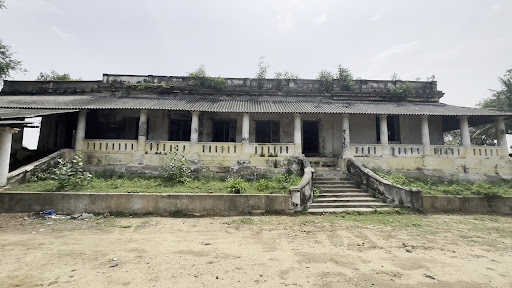
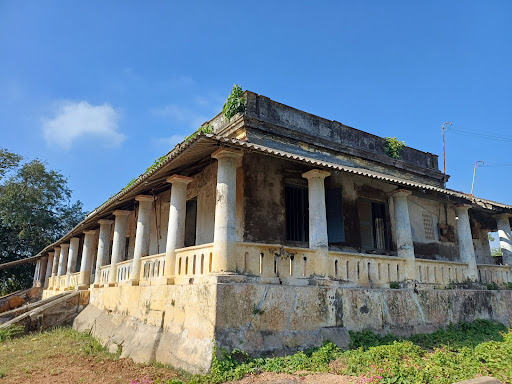
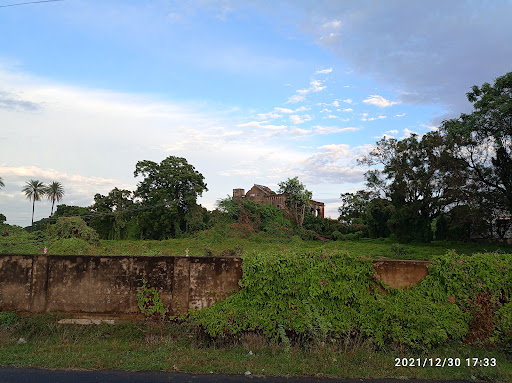
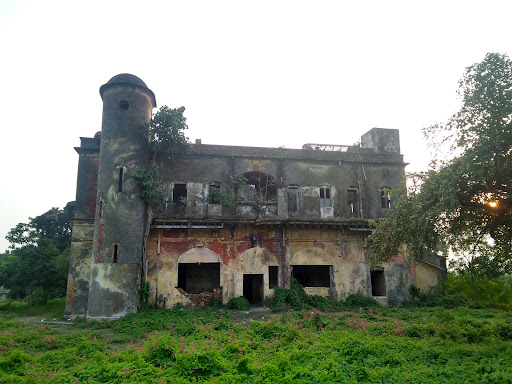
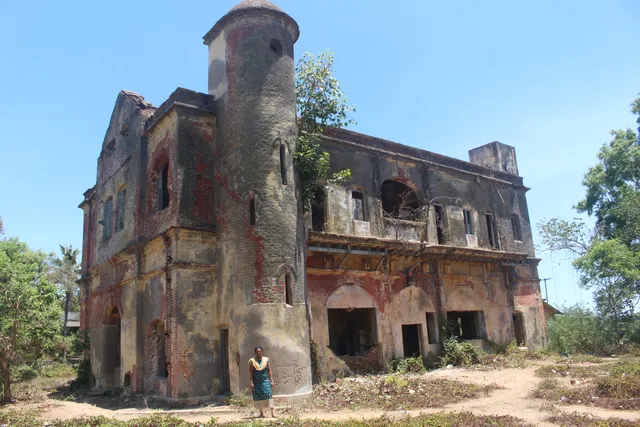
Fort St David, now in ruins, was a British fort in the town of Cuddalore, a hundred miles south of Chennai on the Coromandel Coast of India. It is located near silver beach without any maintenance. It was named for the patron saint of Wales because the governor of Madras at the time, Elihu Yale, was Welsh.
Nearby attractions
Nearby restaurants
Nearby hotels
Hotel Advika Silver bay
1-4 Senthil Nagar Beach Road Cuddalore, Tamil, nadu, Tamil Nadu 607001, India
Related posts
Keywords
St. David Fort (RUINS) tourism.St. David Fort (RUINS) hotels.St. David Fort (RUINS) bed and breakfast. flights to St. David Fort (RUINS).St. David Fort (RUINS) attractions.St. David Fort (RUINS) restaurants.St. David Fort (RUINS) travel.St. David Fort (RUINS) travel guide.St. David Fort (RUINS) travel blog.St. David Fort (RUINS) pictures.St. David Fort (RUINS) photos.St. David Fort (RUINS) travel tips.St. David Fort (RUINS) maps.St. David Fort (RUINS) things to do.
St. David Fort (RUINS) things to do, attractions, restaurants, events info and trip planning
St. David Fort (RUINS)
IndiaTamil NaduSt. David Fort (RUINS)

Basic Info

St. David Fort (RUINS)

PQQJ+F28, Devanampattinam, Cuddalore, Tamil Nadu 607001, India
4.0(134)
Open until 12:00 AM
Save
spot

Ratings & Description

Info

Fort St David, now in ruins, was a British fort in the town of Cuddalore, a hundred miles south of Chennai on the Coromandel Coast of India. It is located near silver beach without any maintenance. It was named for the patron saint of Wales because the governor of Madras at the time, Elihu Yale, was Welsh.

Cultural
Outdoor
Scenic
Off the beaten path
attractions: , restaurants:
logoLearn more insights from Wanderboat AI.
Phone
+91 1800 4253 1111
Open hoursSee all hours
SatOpen 24 hoursOpen

Plan your stay

hotel
Pet-friendly Hotels in Tamil Nadu
Find a cozy hotel nearby and make it a full experience.
hotel
Affordable Hotels in Tamil Nadu
Find a cozy hotel nearby and make it a full experience.
hotel
The Coolest Hotels You Haven't Heard Of (Yet)
Find a cozy hotel nearby and make it a full experience.
hotel
Trending Stays Worth the Hype in Tamil Nadu
Find a cozy hotel nearby and make it a full experience.

Reviews

Things to do nearby

Heritage cycle tour of Pondicherry
Mon, Dec 15 • 7:00 AM
Puducherry, Puducherry, 605001, India
View details
Kayak Pondicherrys mangroves with a travel expert
Sun, Dec 14 • 7:00 AM
Puducherry, Puducherry, 605004, India
View details
Outdoor nature journaling with a local artist
Sun, Dec 14 • 7:00 AM
Near Ousudu Lake Oussudu, Puducherry, 605111, India
View details
Get the Appoverlay
Get the AppOne tap to find yournext favorite spots!
Wanderboat LogoWanderboat

Your everyday Al companion for getaway ideas

CompanyAbout Us
InformationAI Trip PlannerSitemap
SocialXInstagramTiktokLinkedin
LegalTerms of ServicePrivacy Policy

Get the app

© 2025 Wanderboat. All rights reserved.
logo

Reviews of St. David Fort (RUINS)

4.0
(134)
avatar
5.0
1y

St. David Fort in Cuddalore, despite being in ruins, is a mesmerizing site that whispers tales of bygone eras and stands as a testament to the region's tumultuous yet fascinating history. Nestled along the scenic coast, the remnants of this once-mighty fort offer a unique blend of historical intrigue and natural beauty, making it a must-visit for history enthusiasts and casual travelers alike.

As you approach the fort, the weathered walls and crumbling bastions evoke a sense of nostalgia and mystery. The ruins, draped in vines and kissed by the sea breeze, create an evocative atmosphere that transports you back to the colonial times when the fort played a pivotal role in the defense and administration of the region. The stone structures, though aged and worn, still retain a grandeur that hints at their former glory.

Exploring the fort's ruins is a journey of discovery. Each corner you turn reveals new details—ancient cannons, moss-covered walls, and hidden chambers—that offer glimpses into the fort's storied past. The architectural remnants reflect a blend of European and Indian influences, showcasing the cultural confluence that characterized the colonial period. Walking through these historic pathways, you can almost hear the echoes of soldiers' footsteps and the distant clamor of battles fought long ago.

One of the most captivating aspects of St. David Fort is its stunning coastal setting. The fort overlooks the azure waters of the Bay of Bengal, providing breathtaking views that enhance the overall experience. The serene and picturesque surroundings offer a perfect backdrop for contemplation and photography, with the ruins standing as silent sentinels against the ever-changing sea.

The fort's historical significance is profound. Originally built by the British East India Company in the 17th century, it served as a crucial military stronghold and administrative center. Its strategic location and robust design made it a key player in the colonial power struggles that shaped the region's history. Today, even in its ruined state, St. David Fort continues to captivate visitors with its storied past and enduring spirit.

A visit to St. David Fort is not just an exploration of ruins; it is a step back in time, offering a deeper understanding of Cuddalore's rich heritage. The fort's haunting beauty and historical resonance create an unforgettable experience that lingers long after you leave.

For those who appreciate history, architecture, and natural beauty, St. David Fort in Cuddalore is a destination that promises to leave a lasting impression. Its ruins, though silent and still, speak volumes about the past, inviting visitors to pause, reflect, and immerse themselves in the captivating narrative of this...

   Read more
avatar
3.0
1y

St. David Fort Ruins in Cuddalore, Tamil Nadu, offer a fascinating glimpse into the colonial history of India. This site, built by the British East India Company in the 17th century, played a significant role in the Anglo-French conflicts and is a testament to the strategic importance of Cuddalore.

The ruins themselves, while weathered by time, still convey the grandeur and architectural prowess of the era. The fort's location along the Gadilam River adds to its historical ambiance, providing visitors with scenic views and a sense of tranquility. Walking through the remnants of the fort walls, barracks, and other structures, one can almost hear the echoes of past battles and bustling colonial activity.

Despite its historical significance, the site suffers from a lack of proper maintenance and signage. Overgrown vegetation and debris can make navigation challenging, and the absence of detailed information plaques limits the educational value for visitors who are unfamiliar with its history. However, for history enthusiasts and those with a vivid imagination, these ruins offer a canvas to visualize the colonial past and the strategic military importance of the fort.

St. David Fort Ruins are a hidden gem in Cuddalore, ideal for those looking to explore beyond the usual tourist spots. With some improvement in preservation efforts, this site could become a prominent historical attraction. As it stands, it offers a raw and authentic experience, perfect for adventurers and history...

   Read more
avatar
5.0
42w

Took an auto-rickshaw to Fort St. David.

According to DeepSeek, the fort was built by the Dutch in 1610 and captured by the British in 1690.

According to ChatGPT, the fort was built by the British in 1653 and named after the patron saint of Wales. I leave it to you to believe whichever version you want.

Fort St. David was the capital of the British Empire in South India, before shifting to Fort St. George in Madras. The Fort was captured twice by the French also.

In 1783, Tipu Sultan defeated the British and captured Fort St. David.

The Fort is totally abandoned. There is nobody there. Even the ceiling has collapsed in some places.

Check out the original iron grills. They have the cross.

The Fort is situated where River Gadilam becomes a lagoon and enters the sea. Very strategic and picturesque location.

When you walk out, walk to your right. On the left you will see the Parry Bungalow. It is the bungalow of Thomas Parry, a Welsh merchant who set up E.I.D Parry in 1787. Parry's Corner in Chennai is named after him.

The house is occupied by someone. Dogs did not allow me to get near. Parry is buried in Porto Novo...

   Read more
Page 1 of 7
Previous
Next

Posts

Ansel AgashAnsel Agash
St. David Fort in Cuddalore, despite being in ruins, is a mesmerizing site that whispers tales of bygone eras and stands as a testament to the region's tumultuous yet fascinating history. Nestled along the scenic coast, the remnants of this once-mighty fort offer a unique blend of historical intrigue and natural beauty, making it a must-visit for history enthusiasts and casual travelers alike. As you approach the fort, the weathered walls and crumbling bastions evoke a sense of nostalgia and mystery. The ruins, draped in vines and kissed by the sea breeze, create an evocative atmosphere that transports you back to the colonial times when the fort played a pivotal role in the defense and administration of the region. The stone structures, though aged and worn, still retain a grandeur that hints at their former glory. Exploring the fort's ruins is a journey of discovery. Each corner you turn reveals new details—ancient cannons, moss-covered walls, and hidden chambers—that offer glimpses into the fort's storied past. The architectural remnants reflect a blend of European and Indian influences, showcasing the cultural confluence that characterized the colonial period. Walking through these historic pathways, you can almost hear the echoes of soldiers' footsteps and the distant clamor of battles fought long ago. One of the most captivating aspects of St. David Fort is its stunning coastal setting. The fort overlooks the azure waters of the Bay of Bengal, providing breathtaking views that enhance the overall experience. The serene and picturesque surroundings offer a perfect backdrop for contemplation and photography, with the ruins standing as silent sentinels against the ever-changing sea. The fort's historical significance is profound. Originally built by the British East India Company in the 17th century, it served as a crucial military stronghold and administrative center. Its strategic location and robust design made it a key player in the colonial power struggles that shaped the region's history. Today, even in its ruined state, St. David Fort continues to captivate visitors with its storied past and enduring spirit. A visit to St. David Fort is not just an exploration of ruins; it is a step back in time, offering a deeper understanding of Cuddalore's rich heritage. The fort's haunting beauty and historical resonance create an unforgettable experience that lingers long after you leave. For those who appreciate history, architecture, and natural beauty, St. David Fort in Cuddalore is a destination that promises to leave a lasting impression. Its ruins, though silent and still, speak volumes about the past, inviting visitors to pause, reflect, and immerse themselves in the captivating narrative of this remarkable site.
Shyam KodavarthiShyam Kodavarthi
Took an auto-rickshaw to Fort St. David. According to DeepSeek, the fort was built by the Dutch in 1610 and captured by the British in 1690. According to ChatGPT, the fort was built by the British in 1653 and named after the patron saint of Wales. I leave it to you to believe whichever version you want. Fort St. David was the capital of the British Empire in South India, before shifting to Fort St. George in Madras. The Fort was captured twice by the French also. In 1783, Tipu Sultan defeated the British and captured Fort St. David. The Fort is totally abandoned. There is nobody there. Even the ceiling has collapsed in some places. Check out the original iron grills. They have the cross. The Fort is situated where River Gadilam becomes a lagoon and enters the sea. Very strategic and picturesque location. When you walk out, walk to your right. On the left you will see the Parry Bungalow. It is the bungalow of Thomas Parry, a Welsh merchant who set up E.I.D Parry in 1787. Parry's Corner in Chennai is named after him. The house is occupied by someone. Dogs did not allow me to get near. Parry is buried in Porto Novo (Parangipettai) nearby.
THAMIZH KUMARTHAMIZH KUMAR
One of the Very old Forts in south india. Built and ruled by British. It was capital of south during 1742 to 1756. Situated in Cuddalore 5 km away near Silver Beach. Now it is not maintained properly. Can see outside of the building during day time.
See more posts
See more posts
hotel
Find your stay

Pet-friendly Hotels in Tamil Nadu

Find a cozy hotel nearby and make it a full experience.

St. David Fort in Cuddalore, despite being in ruins, is a mesmerizing site that whispers tales of bygone eras and stands as a testament to the region's tumultuous yet fascinating history. Nestled along the scenic coast, the remnants of this once-mighty fort offer a unique blend of historical intrigue and natural beauty, making it a must-visit for history enthusiasts and casual travelers alike. As you approach the fort, the weathered walls and crumbling bastions evoke a sense of nostalgia and mystery. The ruins, draped in vines and kissed by the sea breeze, create an evocative atmosphere that transports you back to the colonial times when the fort played a pivotal role in the defense and administration of the region. The stone structures, though aged and worn, still retain a grandeur that hints at their former glory. Exploring the fort's ruins is a journey of discovery. Each corner you turn reveals new details—ancient cannons, moss-covered walls, and hidden chambers—that offer glimpses into the fort's storied past. The architectural remnants reflect a blend of European and Indian influences, showcasing the cultural confluence that characterized the colonial period. Walking through these historic pathways, you can almost hear the echoes of soldiers' footsteps and the distant clamor of battles fought long ago. One of the most captivating aspects of St. David Fort is its stunning coastal setting. The fort overlooks the azure waters of the Bay of Bengal, providing breathtaking views that enhance the overall experience. The serene and picturesque surroundings offer a perfect backdrop for contemplation and photography, with the ruins standing as silent sentinels against the ever-changing sea. The fort's historical significance is profound. Originally built by the British East India Company in the 17th century, it served as a crucial military stronghold and administrative center. Its strategic location and robust design made it a key player in the colonial power struggles that shaped the region's history. Today, even in its ruined state, St. David Fort continues to captivate visitors with its storied past and enduring spirit. A visit to St. David Fort is not just an exploration of ruins; it is a step back in time, offering a deeper understanding of Cuddalore's rich heritage. The fort's haunting beauty and historical resonance create an unforgettable experience that lingers long after you leave. For those who appreciate history, architecture, and natural beauty, St. David Fort in Cuddalore is a destination that promises to leave a lasting impression. Its ruins, though silent and still, speak volumes about the past, inviting visitors to pause, reflect, and immerse themselves in the captivating narrative of this remarkable site.
Ansel Agash

Ansel Agash

hotel
Find your stay

Affordable Hotels in Tamil Nadu

Find a cozy hotel nearby and make it a full experience.

Get the Appoverlay
Get the AppOne tap to find yournext favorite spots!
Took an auto-rickshaw to Fort St. David. According to DeepSeek, the fort was built by the Dutch in 1610 and captured by the British in 1690. According to ChatGPT, the fort was built by the British in 1653 and named after the patron saint of Wales. I leave it to you to believe whichever version you want. Fort St. David was the capital of the British Empire in South India, before shifting to Fort St. George in Madras. The Fort was captured twice by the French also. In 1783, Tipu Sultan defeated the British and captured Fort St. David. The Fort is totally abandoned. There is nobody there. Even the ceiling has collapsed in some places. Check out the original iron grills. They have the cross. The Fort is situated where River Gadilam becomes a lagoon and enters the sea. Very strategic and picturesque location. When you walk out, walk to your right. On the left you will see the Parry Bungalow. It is the bungalow of Thomas Parry, a Welsh merchant who set up E.I.D Parry in 1787. Parry's Corner in Chennai is named after him. The house is occupied by someone. Dogs did not allow me to get near. Parry is buried in Porto Novo (Parangipettai) nearby.
Shyam Kodavarthi

Shyam Kodavarthi

hotel
Find your stay

The Coolest Hotels You Haven't Heard Of (Yet)

Find a cozy hotel nearby and make it a full experience.

hotel
Find your stay

Trending Stays Worth the Hype in Tamil Nadu

Find a cozy hotel nearby and make it a full experience.

One of the Very old Forts in south india. Built and ruled by British. It was capital of south during 1742 to 1756. Situated in Cuddalore 5 km away near Silver Beach. Now it is not maintained properly. Can see outside of the building during day time.
THAMIZH KUMAR

THAMIZH KUMAR

See more posts
See more posts