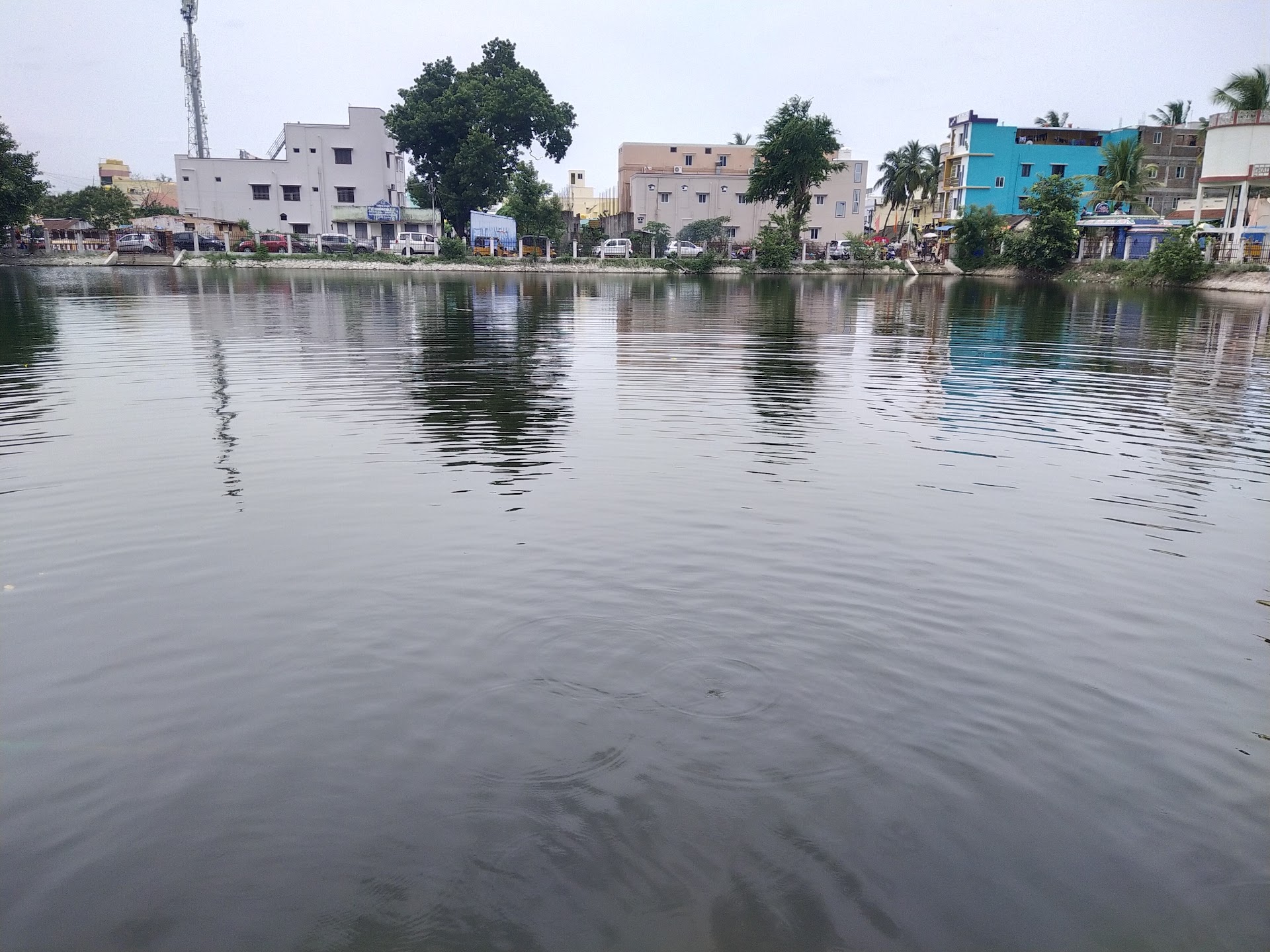
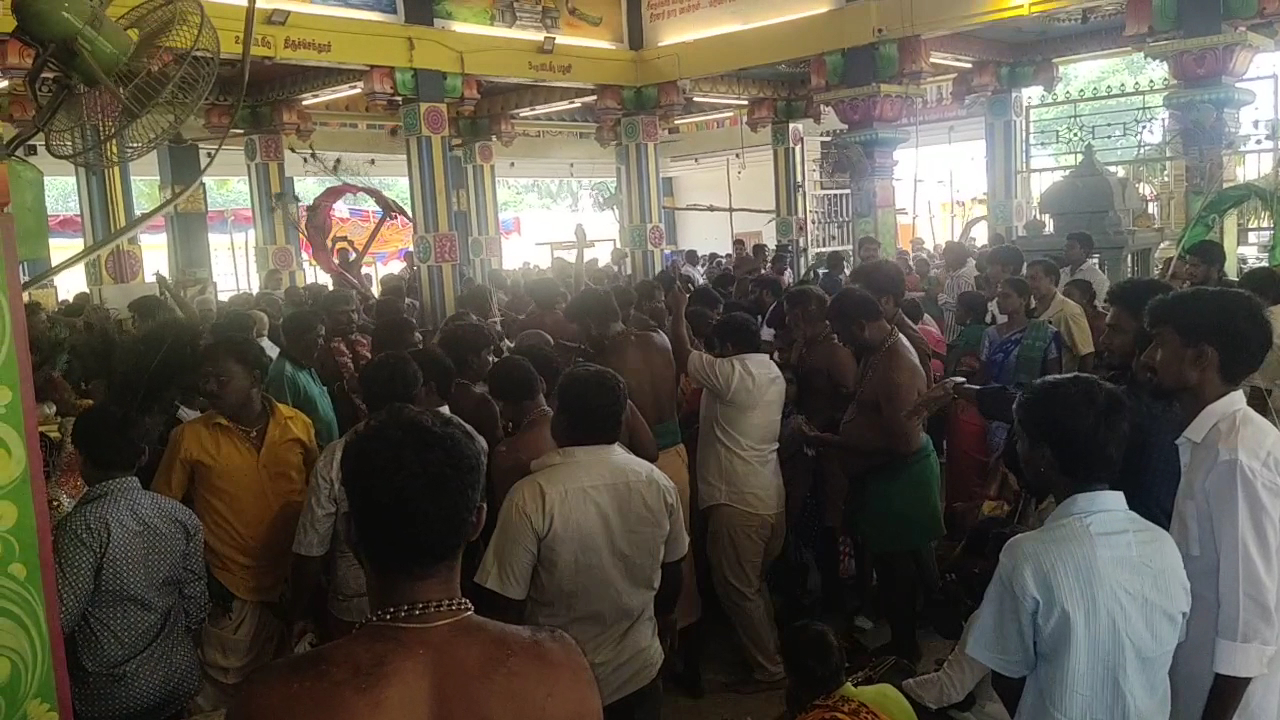
Vallakottai Subramaniyaswami Temple, Vallakottai, Kanchipuram District.
Vallakottai Subramaniyaswami temple (or Vallakottai Murugan temple) in Vallakottai, a panchayat town in Kanchipuram district in the South Indian state of Tamil Nadu, is dedicated to the Hindu god Murugan. Constructed in the Dravidian style of architecture, the temple is located in the Sriperumbudur - Singaperumalkoil road.
The temple has a gateway leading to a pillared hall and the sanctum. The temple is open from 6:30 am – 12:00 pm and 5 - 8:30 pm. Five daily rituals and many yearly festivals are held at the temple, of which the Adi Pooram festival being the most prominent. The temple is maintained and administered by the Hindu Religious and Endowment Board of the Government of Tamil Nadu.
Legend
As per Hindu legend, there was a demon by name Vallan who was troubling the Devas, the celestial deities. The Devas sought the help of Murugan. He informed them that the time had come to destroy the demon. He eventually waged a war and slayed the demon at the place. He established the place as Vallan Kottai, literally meaning the "Fort of Vallan". Indra, the king of Devas, requested his Guru Brihaspathi to suggest a place for him to worship Murugan. He suggested going to Vallakottai, an abode of Murugan. Indra came to Vallakottai, pierced the earth with his weapon Vajrayudha to create a tank to extract water. He performed ablution to image of Murugan at this place and attained his needs. Since Indra created the tank with his Vajrayudha, the temple tank is named as Vajra Theertha.
As per another legend, a king by name Bhagiratha was ruling the Elanji kingdom. He was very haughty to sage Naratha and to teach him a lesson for his behaviour, Naratha infuriated a demon king named Goran to attack Elanji kingdom. Goran was a powerful demon and he made a sudden attack. Bhagiratha was unable to control the forces and eventually lost the battle to Goran. Realising his mistake, he sought the advise of Naratha. The sage advised him to find sage Durvasa, who could find a resolution. The king roamed around the forest for a long time and finally found Durvasa. The sage advised him to worship Murugan at Vallakottai to get back his kingdom. The king worshipped Murugan at this place for a long time and built the temple.
Architecture
As per the hagographical records from the region, the temple is believed to have been built during the 9th century.[3] The temple is located in Vallakottai, in Kanchipuram district in Tamil Nadu on the road from Sriperumbudur to Singaperumalkoil . The temple has a five tiered rajagopuram, the gateway tower and pillared porch in front of it. The sanctum faces East and the image of the presiding deity is 7 ft (2.1 m) tall in standing posture. There are twin images of peacock, the divine bird of Muruga, facing the presiding deity. In modern times, the temple is maintained and administered by the Hindu Religious and Charitable Endowments Department of the Government of Tamil Nadu.
Religious Significance
Vallakottai temple is revered in Thirupugazh composed by Arunagirinathar, a 15th-century saint. The temple is revered in eight verses by the saint. As per a legend, the saint worshipped Murugan at Thiruporur temple and was on his way to Thiruthani Murugan Temple. During his sleep, a divine voice directed him to go to Vallakottai temple. He woke up to realise it was the order of Murugan and he visited the temple. The temple is considered equal in importance to the Arupadaiveedu, the six abodes of Murugan.
Festival and religious practises
The temple priests perform the pooja (rituals) during festivals and on a daily basis. The temple rituals are performed five times a day: Gho Pooja at 6:30 a.m., Kalasandhi at 8:00 a.m., Uchikala poojai at 8:00 a.m., Sayarakshai at 6:00 p.m., and Arthajama Pooja at 8:15 p.m. Each ritual has three steps: alangaram (decoration), neivethanam (food offering) and deepa aradanai (waving of lamps) for the presiding deities. There are weekly, monthly and...
Read moreஆங்கிலத்தில் எழுதுவதற்கு மன்னிக்கவும்.
So nice to visit this temple after so many years, not sure how many years, may be 10 or even 15 years. I thought I had written my review and posted some photographs before about my previous visit / trip, but it is no where to be seen now. No problem, no harm in writing again.
Original plan was to visit Ilayanar Velur murugan temple, near walajabad, since this was en route to that temple, decided to visit this temple first.
Started early from home, took the route via Kundrathur to sriperumbadur and from there took the left towards orgadam. Since it was early evening or late afternoon, traffic was kind of less, so enjoyed the pleasant ride. Didn't push the scooter too hard, kept it at a steady 40 to 45 km/h range, so that i could enjoy the sun, the breeze and also keep the vehicle under my control.
Reached the temple around 4.30 p.m., and I was very surprised to see so many people at the temple, probably I was late, I guess. As I parked the bike and had my first glance, I was totally surprised and shocked because I don’t remember seeing the temple pond or the beautiful raja gopuram before.
Parked the bike very near the raja gopuram and entered the temple, was surprised to see such a huge pillayar at the entrance of the temple and it was nice to see people entering the temple were saying their prayers In-front of him first.
Temple is kind of small in size I should say, or may be the construction inside gives you the appearance that it is small. Not sure. Construction activity is still going on here and there inside the temple.
Though people were moving around still the Que looked very less, so entered the free darshan Que and in no time was in front of the lord.
Literally first glance at him blew me away and made me speechless, because, I don’t remember seeing the lord, that tall, with both the goddess at his side. The fact they were decorated so beautifully also added to my awe.
Recited sivapuranam and one thevaram song, had a wonderful darshan. I saw 4 statues in the hall before sanctum sanctorum, at first, I thought they were nalvar statues, but as I was coming out, I stood few seconds to see who it was. Was so happy to see statues of Arunagirinathar, Pamban swamigal, Pattinathar (last one I don’t remember now) and a marble statue of Ramalinga swamigal.
Went around the praharam.
Saw a small, simple, wonderful Tamil poem or hymn on Lord ganapathi / pillaiyar on the walls of pillayar sannadhi, have taken a picture of it and posted it here also. it is written by Kavingar kannadasan, the lyrics simply touched me.
Temple faces east, Lord murugan with valli , dheivayanai faces east. Kodi maram present. Rajagopuram looks like five tier and it faces south. A wonderful big pond is in the east of the temple.
Parking is available but not that big, and it is a paid service, for both two wheeler and four wheeler.
Arunagirinatha swamigal has sung one thirupugazh song on this lord and while learning about that, i came to know that vallakottai was called "Kodai nagar" in the past.
Before i finish my review, let me add two songs from Pamban Swamigal "Pagai Kadithal" pathigam.
திருவளர் சுடருருவே சிவைகரம் அமருருவே அருமறை புகழுருவே அறவர்கள் தொழுமுருவே இருள்தபும் ஒளியுருவே எனநினை எனதெதிரே குருகுகன் முதன்மயிலே கொணர்தியுன் இறைவனையே (1)
மறைபுகழ் இறைமுனரே மறைமுதல் பகருருவே பொறைமலி யுலகுருவே புனநடை தருமுருவே இறையிள முக உருவே எனநினை எனதெதிரே குறைவறு திருமயிலே கொணர்தியுன் இறைவனையே (2)
Do visit this temple at-least once in...
Read more16 December 2024 On Monday, I visited the Vallakottai Sri Subramaniar Temple, a long-held dream of mine that finally came true. Vallakottai is located about 51 km west of Chennai, 32 km east of Kanchipuram, and 10 km south of Sriperumbudur. I traveled via Tambaram and Oragadam, an industrial hub near Chennai.
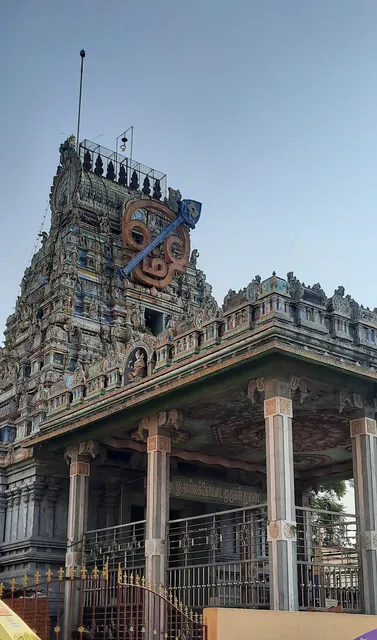
The visit was particularly special as it was Margazhi 1, an auspicious day. The deities—Sri Subramaniar, Sri Valli, and Sri Devasena—were beautifully adorned with gold crowns and gold vests.
Key Features of the Temple
The temple faces east and has a small 3-tier Rajagopuram (tower). Steps on the east side lead to the Vajra Temple Tank. The Balipeedam, Dwajasthambam, and Mayil Vahanam are located here.
The main deity (Moolavar) in the sanctum is about 7 feet tall, making it one of the tallest Sri Subramaniar idols in the world. He is called Kodai Andavar and is depicted with his right hand in abhaya hastam (gesture of blessing). The idol has a serene smile, with Sri Valli and Devasena standing on either side.
A 4-pillared mandapam and a 5-tier Rajagopuram are on the south side. The outer praharam (circumambulatory path) has shrines for Vijaya Ganapathi, Urchava Murthis, Shanmugar, Sri Devi Karumari Thiripura Sundari Amman, Idumban, Veerabhagu, and a peacock enclosure.
The entrance to the ardha mandapam is decorated with brass plates engraved with bas-relief art. Statues of saints like Arunagirinathar, Pamban Swamigal, and Vallalar are also present.
Historical and Architectural Highlights
The temple architecture consists of a sanctum sanctorum, antarala (inner hall), ardha mandapam (front hall), and an open mukha mandapam. The structure is made of stone up to the prastaram (cornice), while the Vimanam (tower above the sanctum) is made of bricks.
Stucco images and paintings of Lord Murugan’s six abodes are found on the parapet wall of the sanctum and in the maha mandapam.
Legends
The Story of King Bagirathan: King Bagirathan of Jalankondapuram angered Sage Narada by not giving him proper respect. On his journey, Narada met the demon Koran and advised him to defeat the king. Koran won the battle, but King Bagirathan regained his kingdom by worshipping Lord Subramaniar as instructed by Sage Durvasa.
Vajra Tirtham: The temple tank, known as Vajra Tirtham, was created by Indra using his Vajra Ayudham (thunderbolt weapon). Indra used this holy water to perform abhishekam (ritual bathing) for Lord Subramaniar as advised by his guru, Brihaspati.
The Name Vallakottai: The area was once ruled by a demon named Vallan, who frequently troubled the Devas. Lord Subramaniar destroyed Vallan in battle. As a mark of respect, Vallan requested the place be named after him. It was initially called Vallan Kottai, which later became...
Read more