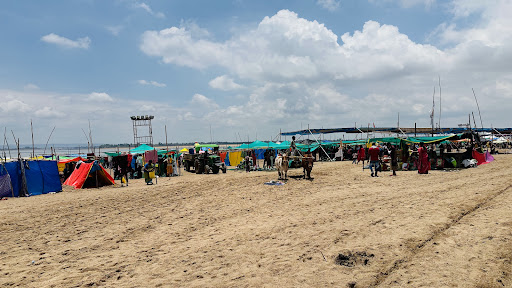
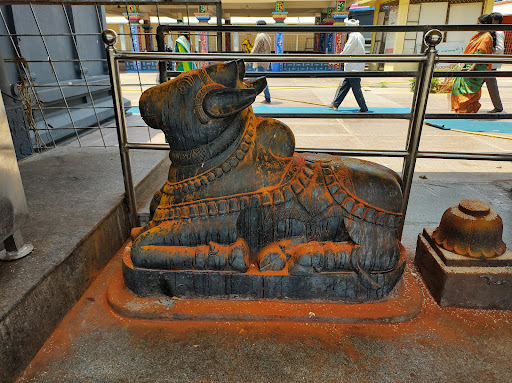
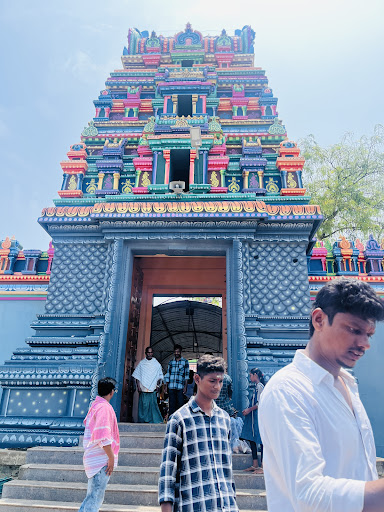
The Kaleshwara Mukteshwara Swamy Temple in Kaleshwaram, Jayashankar Bhupalpally District, Telangana, is a revered Hindu temple dedicated to Lord Shiva, located at the confluence of the Godavari and Pranahita rivers, with the mythical underground Saraswati river, earning it the title Dakshina Triveni Sangamam (Southern Triveni Confluence). Known as the “Southern Kashi,” it is one of the three Trilinga Desam temples (alongside Draksharamam and Srisailam), considered Jyotirlingas in Telugu land. The temple’s unique feature is the presence of two Shivalingas on a single pedestal: Mukteshwara (Shiva) and Kaleshwara (Yama, the god of death). Historical and Mythological Origins: The temple’s history traces back to the Vemulawada Chalukyas (8th–10th centuries) with significant modifications during the Kakatiya dynasty (12th–13th centuries) under rulers like Rudra Deva, Ganapathi Deva, and Pratapa Rudra, as noted in inscriptions. Recent renovations occurred between 1976 and 1982. According to the Skanda Purana, the Godavari River performed penance for Lord Shiva, who self-manifested as Mukteshwara Swamy. This caused an imbalance, as devotees attained salvation by bathing in the Godavari and worshipping Mukteshwara, emptying Yamaloka (the realm of death). Lord Yama, jobless, appealed to Shiva, who instructed him to install the Kaleshwara Linga beside Mukteshwara. This dual Linga setup is believed to balance the cycle of birth, death, and salvation, making it unique, as no other temple houses two Lingas in one sanctum. Architectural and Cultural Significance: The temple features Dravidian architecture with a modest gopuram and intricate sculptures, including a notable fish idol and a dancing Ganesha. A mysterious feature is a hole in the Mukteshwara Linga that never fills with water, possibly due to an underground passage to the Godavari, though this remains unexplained. The nearby Adi Mukteshwara Swamy Devasthanam (2 km away) offers sacred vibhuti (ash). The temple is a major pilgrimage site during Karthika Masam (November–December), Maha Shivaratri, and the Godavari Pushkaralu (every 12 years), attracting devotees from Telangana, Maharashtra, Andhra Pradesh, and beyond. Rituals include holy dips in the river, followed by prayers to Ganesha, Yama, and Shiva. The Laksha Bilwapatri Pooja requires advance booking with temple authorities. Accessibility and Details: • Location: Kaleshwaram, 15 km from Mulugu, 66 km from Warangal, 125 km from Karimnagar, 277 km from Hyderabad. • Access: Nearest railway station is Ramagundam (83 km); airports are Hyderabad (270 km) or Nagpur (275 km). Buses connect from Hyderabad, Warangal, and Karimnagar. • Timings: 6:30 AM–1:30 PM, 4:00 PM–6:00 PM. • Nearby Attractions: Godavari River, Pranahita Wildlife Sanctuary, Laknavaram Lake. The temple’s spiritual aura, unique dual Lingas, and riverside setting make it a profound destination for salvation-seekers and...
Read moreShree Kaleshwara Mukteeshwara Swamy Devasthanam, located in the sacred town of Kaleshwaram in Telangana, is one of the most spiritually profound and architecturally unique temples in South India. Revered as a powerful shrine of Lord Shiva, this temple is not only a center of devotion but also a place where mythology, history, and natural beauty converge to create an unforgettable experience for pilgrims and visitors alike.
What sets this temple apart is its extraordinary sanctum, which houses two Shiva Lingams on a single pedestal—a rare and deeply symbolic feature. One Lingam represents Lord Shiva as Mukteeshwara, the liberator of souls, and the other represents Lord Yama as Kaleshwara, the deity of time and death. This dual presence signifies the cycle of life and death, and the divine authority that governs it. Worship at this temple begins with Lord Kaleshwara, followed by Lord Mukteeshwara, reflecting the cosmic order of existence and liberation.
The temple is situated at the confluence of the sacred Godavari and Pranahita rivers, a site known as the Dakshina Triveni Sangamam. This meeting point of rivers adds a mystical aura to the temple, making it a spiritually charged location where devotees often perform rituals and take holy dips. The surrounding landscape is serene and picturesque, enhancing the meditative atmosphere of the temple.
Architecturally, the temple is a marvel. It features four entrances aligned with the cardinal directions, symbolizing openness and universality. The inner sanctum is adorned with intricate carvings and sacred symbols, and the presence of other deities such as Goddess Shubhananda Devi, Lord Ganesha, and Goddess Saraswati adds to the temple’s spiritual richness. One of the most intriguing features is the Mukteeshwara Lingam, which has a small hole at the top that never overflows, no matter how much water is poured—a phenomenon that continues to fascinate devotees and scholars alike.
Festivals like Maha Shivaratri and Karthika Masam are celebrated with grandeur, drawing thousands of devotees who come to seek blessings, perform abhishekas, and participate in traditional rituals. The temple’s management ensures that the premises are clean, well-organized, and welcoming, with facilities for accommodation and guidance for pilgrims.
A visit to Shree Kaleshwara Mukteeshwara Swamy Devasthanam is more than a religious journey—it is a spiritual awakening. It invites reflection on the deeper truths of life, death, and liberation, while offering a peaceful retreat into divine presence. Whether you are a devout follower of Lord Shiva or a seeker of inner peace, this temple offers a transformative experience that lingers long after you leave its...
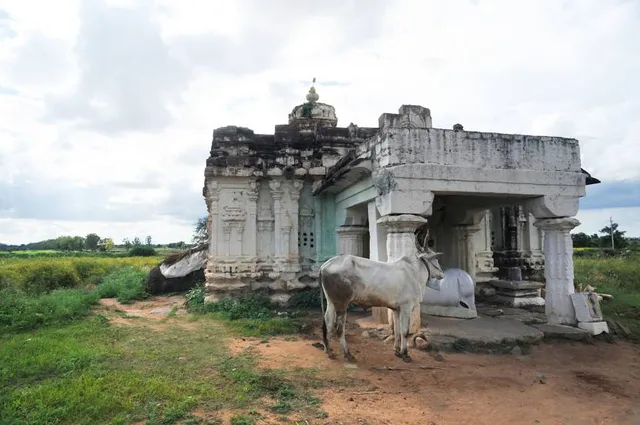
Read moreThe Kaleshwaram Mukteeshwara Swamy Temple, often simply referred to as Kaleshwaram, holds a profound spiritual and cultural significance in Telangana, India. Situated at the confluence of the Godavari River and its tributary, the Pranahita, the temple is dedicated to Lord Shiva in his manifestation as Mukteeshwara Swamy, and also houses a shrine for Lord Yama (the god of death). This unique dual presence contributes to its immense sanctity and draws devotees from far and wide. Legend has it that Lord Yama performed penance here to absolve himself of a sin, and upon Shiva's appearance, he was granted the boon that anyone who bathes in the Godavari and visits the temple would be freed from the fear of untimely death. This belief is a cornerstone of the temple's appeal, making it a powerful pilgrimage site for those seeking spiritual liberation and peace. The very name "Kaleshwaram" is believed to be derived from Kala (time/death) and Ishwara (Lord Shiva), signifying Shiva's mastery over time and death. Beyond its mythological roots, Kaleshwaram is also renowned for its architectural beauty and the serene natural surroundings. The temple complex is a testament to Dravidian architectural style, characterized by its intricate carvings, grand gopurams (towering gateways), and a tranquil ambiance that fosters introspection and devotion. The annual Shivaratri festival is celebrated with great fervor, attracting thousands of pilgrims who come to offer prayers and participate in the rituals. In recent years, Kaleshwaram has also gained significant attention due to the massive Kaleshwaram Lift Irrigation Project, a multi-purpose irrigation project on the Godavari River. While this project is a modern engineering marvel designed to provide water for irrigation and drinking purposes across Telangana, it has also brought increased awareness and accessibility to the temple, further cementing its place on the spiritual map of India. The Kaleshwaram temple, therefore, is more than just a place of worship; it is a living embodiment of faith, history, and culture. It stands as a beacon of spiritual solace, a testament to enduring traditions, and a vital part of Telangana's rich heritage, continuing to inspire and uplift...
Read more