HTML SitemapExplore
logo
Find Things to DoFind The Best Restaurants

Thousand Pillar Temple — Attraction in Telangana

Name
Thousand Pillar Temple
Description
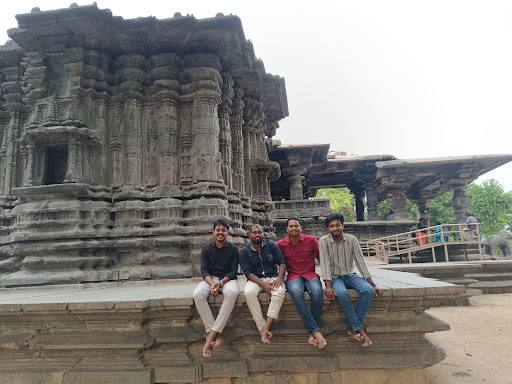
The Thousand Pillar Temple or Rudreswara Swamy Temple is a historical Hindu temple located in the town of Hanamakonda, Telangana State, India. It is dedicated to Lord Shiva, Vishnu and Surya.
Nearby attractions
Nearby restaurants
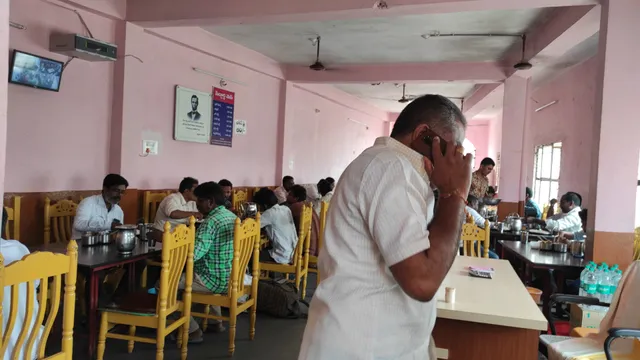
Siddhartha Mess
3-2-96, Main Rd, Chowrasta, Raganna Darwaja, New Raipura, Raipura, Hanamkonda, Telangana 506011, India
TAJ, Hyderabadi Dum Biryani & Fast Food
H. No: 3, 2-93, beside Western union, Main Rd, opposite SBI ATM, Raipura, Hanamkonda, Telangana 506011, India
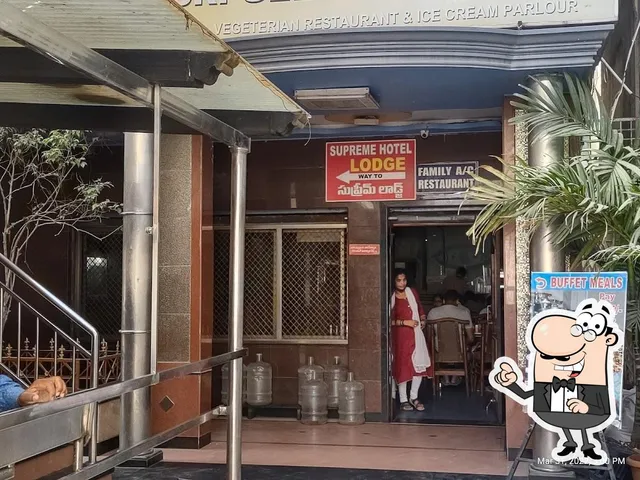
Sri Geetha Bhavan A/C Udipi Vegetarian Restaurant
Ground floor,Beside Raymond Showroom, little inside, Supreme lodge complex, Chowrastha, Hanamkonda, Telangana 506011, India
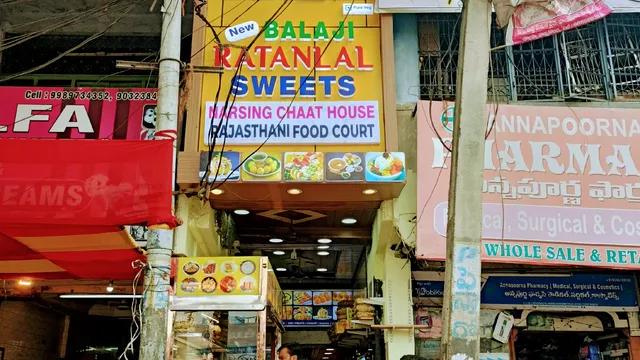
Balaji Ratanlal sweets,chaat,juices & icecreams
beside Ramraj Cottons, Hanamkonda Chowrastha, Gandhi Nagar, Reddy Colony, Warangal, Hanamkonda, Telangana 506011, India
Vinoda Elite Bar and Restaurant
New Bus Stand Rd, Kakaji Nagar Colony, Hanamkonda, Telangana 506011, India
Sangeet Hotel
NH 202, Raganna Darwaja, Kakatiya Colony, Hanamkonda, Telangana 506011, India
Amrutha Mess Hanamkonda
Honey Wines, 3-3-4 & 5, Parking, beside K-3000 &, opposite LOT MOBILES, Ennugulagada, Raganna Darwaja, Gandhi Nagar, Reddy Colony, Hanamkonda, Telangana 506011, India
Yousuf Bhai Idli Centre
2H3H+2VX, Brahmanawada, Hanamkonda, Telangana 506011, India
Marwadi Mess Bhojanalaya
Kakaji Nagar Colony, Hanamkonda, Telangana 506011, India
O2 Restaurant Take Away
2H4H+67W, New Raipura, Raipura, Hanamkonda, Telangana 506011, India
Related posts
Keywords
Thousand Pillar Temple tourism.Thousand Pillar Temple hotels.Thousand Pillar Temple bed and breakfast. flights to Thousand Pillar Temple.Thousand Pillar Temple attractions.Thousand Pillar Temple restaurants.Thousand Pillar Temple travel.Thousand Pillar Temple travel guide.Thousand Pillar Temple travel blog.Thousand Pillar Temple pictures.Thousand Pillar Temple photos.Thousand Pillar Temple travel tips.Thousand Pillar Temple maps.Thousand Pillar Temple things to do.
Thousand Pillar Temple things to do, attractions, restaurants, events info and trip planning
Thousand Pillar Temple
IndiaTelanganaThousand Pillar Temple

Basic Info

Thousand Pillar Temple

2H3F+RX7, Hyderabad - Warangal Hwy, Raganna Darwaja, Rd, Brahmanawada, Hanamkonda, Telangana 506011, India
4.5(11.5K)
Open 24 hours
Save
spot

Ratings & Description

Info

The Thousand Pillar Temple or Rudreswara Swamy Temple is a historical Hindu temple located in the town of Hanamakonda, Telangana State, India. It is dedicated to Lord Shiva, Vishnu and Surya.

Cultural
Accessibility
attractions: , restaurants: Siddhartha Mess, TAJ, Hyderabadi Dum Biryani & Fast Food, Sri Geetha Bhavan A/C Udipi Vegetarian Restaurant, Balaji Ratanlal sweets,chaat,juices & icecreams, Vinoda Elite Bar and Restaurant, Sangeet Hotel, Amrutha Mess Hanamkonda, Yousuf Bhai Idli Centre, Marwadi Mess Bhojanalaya, O2 Restaurant Take Away
logoLearn more insights from Wanderboat AI.
Phone
+91 99892 14813
Website
telanganatourism.gov.in

Plan your stay

hotel
Pet-friendly Hotels in Telangana
Find a cozy hotel nearby and make it a full experience.
hotel
Affordable Hotels in Telangana
Find a cozy hotel nearby and make it a full experience.
hotel
The Coolest Hotels You Haven't Heard Of (Yet)
Find a cozy hotel nearby and make it a full experience.
hotel
Trending Stays Worth the Hype in Telangana
Find a cozy hotel nearby and make it a full experience.

Reviews

Nearby restaurants of Thousand Pillar Temple

Siddhartha Mess

TAJ, Hyderabadi Dum Biryani & Fast Food

Sri Geetha Bhavan A/C Udipi Vegetarian Restaurant

Balaji Ratanlal sweets,chaat,juices & icecreams

Vinoda Elite Bar and Restaurant

Sangeet Hotel

Amrutha Mess Hanamkonda

Yousuf Bhai Idli Centre

Marwadi Mess Bhojanalaya

O2 Restaurant Take Away

Siddhartha Mess

Siddhartha Mess

4.0

(317)

Click for details
TAJ, Hyderabadi Dum Biryani & Fast Food

TAJ, Hyderabadi Dum Biryani & Fast Food

3.4

(103)

Click for details
Sri Geetha Bhavan A/C Udipi Vegetarian Restaurant

Sri Geetha Bhavan A/C Udipi Vegetarian Restaurant

3.7

(1.9K)

Click for details
Balaji Ratanlal sweets,chaat,juices & icecreams

Balaji Ratanlal sweets,chaat,juices & icecreams

3.8

(187)

Click for details
Get the Appoverlay
Get the AppOne tap to find yournext favorite spots!
Wanderboat LogoWanderboat

Your everyday Al companion for getaway ideas

CompanyAbout Us
InformationAI Trip PlannerSitemap
SocialXInstagramTiktokLinkedin
LegalTerms of ServicePrivacy Policy

Get the app

© 2025 Wanderboat. All rights reserved.
logo

Reviews of Thousand Pillar Temple

4.5
(11,546)
avatar
4.0
1y

Thousand Pillar Temple – A Stunning Piece of History with Some Practical Challenges

Location: The Thousand Pillar Temple is situated in Warangal and is easily accessible from the main areas of the city. Its central location makes it an ideal historical site to visit, especially for those interested in the architectural and cultural heritage of South India.

Architecture and Historical Significance: The Thousand Pillar Temple is an architectural marvel from the Kakatiya dynasty, dating back to the 12th century. The temple’s name is derived from the numerous intricately carved pillars that fill the temple complex, each showcasing the artistic skill of the era. The temple has a star-shaped layout, with dedicated shrines to Lord Shiva, Lord Vishnu, and the Sun God (Surya), symbolizing a blend of different Hindu beliefs. The monolithic Nandi statue carved from a single rock and the intricately decorated pillars are truly impressive, making this a must-visit for history and art enthusiasts.

Atmosphere: The temple’s tranquil and serene atmosphere is ideal for those looking to escape the rush of city life. Despite being a popular tourist spot, the surroundings have a calm ambiance that allows visitors to appreciate the beauty and history at their own pace. The mix of spirituality and history makes the temple visit a reflective experience.

Practical Considerations – Parking: One downside is the limited parking space near the temple. We had a 10-15 minute wait for parking, which could be a bit challenging for those with families or tight schedules. The parking fee of ₹50 felt slightly high, especially given the small area and waiting time. A more organized and spacious parking setup would certainly improve the visitor experience.

Maintenance and Cleanliness: While the temple structure itself is maintained well, certain parts could benefit from more regular upkeep. This is especially true for areas around the temple complex where litter can occasionally be seen. With more focused attention on cleanliness, the temple grounds could offer an even better experience for visitors.

Overall Experience: The Thousand Pillar Temple is an extraordinary site that beautifully encapsulates the architectural grandeur of the Kakatiya dynasty. Despite minor practical issues with parking and maintenance, the temple’s artistic details and historical richness make it well worth a visit. For anyone interested in ancient Indian architecture and spirituality, this temple is a fascinating journey back in time.

Pros:

Stunning architecture with intricate carvings and a monolithic Nandi statue.

Historically significant, showcasing the artistry of the Kakatiya dynasty.

Peaceful atmosphere, ideal for a reflective visit.

Cons:

Limited and slightly expensive parking with waiting times.

Certain areas around the temple complex could benefit from improved maintenance.

Overall: The Thousand Pillar Temple is a gem of Warangal’s heritage and an essential visit for anyone exploring Telangana’s cultural history. Despite minor inconveniences, the experience is immersive and inspiring. It’s a place that leaves a lasting impression, and we highly recommend it to travelers and history...

   Read more
avatar
4.0
31w

Thousand Pillar Temple – A Timeless Marvel of Kakatiya Heritage

The Thousand Pillar Temple, located in Hanamkonda, Warangal, is one of the finest examples of Kakatiya dynasty architecture. Built in the 12th century by King Rudra Deva, it showcases the brilliance of Trikuta architecture, with shrines dedicated to Lord Shiva (Rudreshwara), Lord Vishnu, and Lord Surya. Though not literally supported by a thousand pillars, the temple features a vast number of beautifully carved granite pillars, each with unique designs that reflect the skill and artistic vision of Kakatiya artisans.

The temple is built in black basalt stone, with intricate carvings of deities, dancers, floral patterns, and mythological figures. One of its main highlights is the massive monolithic Nandi (bull) statue, carved from a single block of stone with extraordinary precision. The stone lattice work, the symmetry in layout, and the spiritual ambiance make this temple both an architectural wonder and a place of devotion.

Culturally, this temple stands as a symbol of Telangana’s rich spiritual and artistic tradition. It attracts not only devotees but also students of architecture, history enthusiasts, and tourists from around the world.

Present Scenario and Suggestions for Improvement: • The temple surroundings are well-maintained, and recent efforts by the government and ASI have helped in preserving the structure. However, more informational boards in multiple languages (Telugu, Hindi, English) can help visitors better understand the history and symbolism. • Guided tours or audio guides can greatly enhance the visitor experience, especially for tourists unfamiliar with Kakatiya history. • Improved lighting for night-time viewing would add aesthetic value and promote tourism. • The Nandi mandapam and surrounding gardens are peaceful, but more shaded seating and drinking water facilities would benefit elderly visitors and pilgrims. • Creating a small museum or interpretation center near the temple could display replicas, historical background, and traditional tools used in construction, which would educate and inspire younger generations.

Conclusion:

The Thousand Pillar Temple is not just a religious site—it is a living monument of Telangana’s pride and the Kakatiya era’s creative genius. With thoughtful upgrades and continued preservation, it has the potential to become a major global heritage attraction. A must-visit for anyone who cherishes history, spirituality, and ancient Indian...

   Read more
avatar
5.0
2y

RUDRESWARALAYAM / THOUSAND PILLAR TEMPLE:

This text is shared from a sign board by HRIDAY; Ministry of Housing and Urban Affairs, Govt of India; Govt of Telangana; KUDA.

Rudreswara Temple locally known as Veyisthambhalagudi (Thousand Pillars Temple) is one of the fine and earliest available examples of Kakatiya art. architecture and sculpture. It was built by Rudra Deva and named after him as 'Sri RudreswaraSwamy temple with the presiding deity as Rudreswara in 1163 CE in the style of later Chalukyan and early Kakatiyan Architecture. The Plan of the temple is star shaped and triple shrine (Trikulalaya) houses three deities Rudreswara, Vasudeva and Suryadeva in Western, Northern and Eastern shrines respectively around a central hall RangaMandapa. The temple measures over 31 x 25m and stands on a platform raised to a height of 1 m from the ground. There is a KalyanMandapa located to the South of the temple famously known as Thousand Pillared Mandapa, which has about 300 pillars. The unique type of foundation known as sand box technique was integrated to raise the temple complex which subsequently turned to be the major cause for ther damage and abandonment. The skill of Kakatiya Sculptors is manifest in adroit crafts man ship and flawless ivory carving technique in their art. The ingenuity of Kakatiya sculptors is visible in likes of lathe turned, and shiny polish in dolerite and granite stone sculpture and craft works of RangaMandapa. The root of the temple is devoid of any superstructure at present.

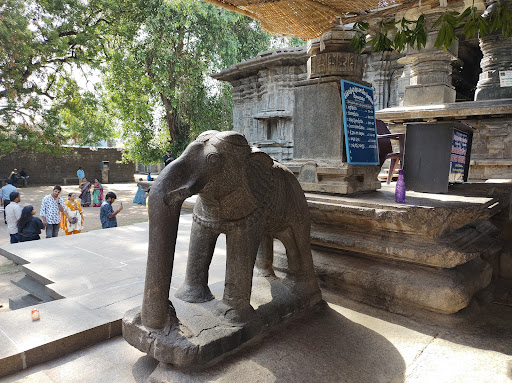
There is a Nandi placed in the open space, placed between the main temple and the pillared mandapa. The garland of bells round the neck and with other ornaments embellished on the Nandi portrays Kakatiya touch. The elegant carvings at the richly decorated pillars under a spacious ceiling spanning the embellished side slabs identical to wood carvings is an achievement of unparalleled excellence at the Kakatiya Architect. Other units here include a rectangular stepped Pushkarini, a thorana entrance...

   Read more
Page 1 of 7
Previous
Next

Posts

Gaurav KumarGaurav Kumar
Thousand Pillar Temple – A Stunning Piece of History with Some Practical Challenges Location: The Thousand Pillar Temple is situated in Warangal and is easily accessible from the main areas of the city. Its central location makes it an ideal historical site to visit, especially for those interested in the architectural and cultural heritage of South India. Architecture and Historical Significance: The Thousand Pillar Temple is an architectural marvel from the Kakatiya dynasty, dating back to the 12th century. The temple’s name is derived from the numerous intricately carved pillars that fill the temple complex, each showcasing the artistic skill of the era. The temple has a star-shaped layout, with dedicated shrines to Lord Shiva, Lord Vishnu, and the Sun God (Surya), symbolizing a blend of different Hindu beliefs. The monolithic Nandi statue carved from a single rock and the intricately decorated pillars are truly impressive, making this a must-visit for history and art enthusiasts. Atmosphere: The temple’s tranquil and serene atmosphere is ideal for those looking to escape the rush of city life. Despite being a popular tourist spot, the surroundings have a calm ambiance that allows visitors to appreciate the beauty and history at their own pace. The mix of spirituality and history makes the temple visit a reflective experience. Practical Considerations – Parking: One downside is the limited parking space near the temple. We had a 10-15 minute wait for parking, which could be a bit challenging for those with families or tight schedules. The parking fee of ₹50 felt slightly high, especially given the small area and waiting time. A more organized and spacious parking setup would certainly improve the visitor experience. Maintenance and Cleanliness: While the temple structure itself is maintained well, certain parts could benefit from more regular upkeep. This is especially true for areas around the temple complex where litter can occasionally be seen. With more focused attention on cleanliness, the temple grounds could offer an even better experience for visitors. Overall Experience: The Thousand Pillar Temple is an extraordinary site that beautifully encapsulates the architectural grandeur of the Kakatiya dynasty. Despite minor practical issues with parking and maintenance, the temple’s artistic details and historical richness make it well worth a visit. For anyone interested in ancient Indian architecture and spirituality, this temple is a fascinating journey back in time. Pros: Stunning architecture with intricate carvings and a monolithic Nandi statue. Historically significant, showcasing the artistry of the Kakatiya dynasty. Peaceful atmosphere, ideal for a reflective visit. Cons: Limited and slightly expensive parking with waiting times. Certain areas around the temple complex could benefit from improved maintenance. Overall: The Thousand Pillar Temple is a gem of Warangal’s heritage and an essential visit for anyone exploring Telangana’s cultural history. Despite minor inconveniences, the experience is immersive and inspiring. It’s a place that leaves a lasting impression, and we highly recommend it to travelers and history enthusiasts.
Kamal GolaKamal Gola
RUDRESWARALAYAM / THOUSAND PILLAR TEMPLE: This text is shared from a sign board by HRIDAY; Ministry of Housing and Urban Affairs, Govt of India; Govt of Telangana; KUDA. Rudreswara Temple locally known as Veyisthambhalagudi (Thousand Pillars Temple) is one of the fine and earliest available examples of Kakatiya art. architecture and sculpture. It was built by Rudra Deva and named after him as 'Sri RudreswaraSwamy temple with the presiding deity as Rudreswara in 1163 CE in the style of later Chalukyan and early Kakatiyan Architecture. The Plan of the temple is star shaped and triple shrine (Trikulalaya) houses three deities Rudreswara, Vasudeva and Suryadeva in Western, Northern and Eastern shrines respectively around a central hall RangaMandapa. The temple measures over 31 x 25m and stands on a platform raised to a height of 1 m from the ground. There is a KalyanMandapa located to the South of the temple famously known as Thousand Pillared Mandapa, which has about 300 pillars. The unique type of foundation known as sand box technique was integrated to raise the temple complex which subsequently turned to be the major cause for ther damage and abandonment. The skill of Kakatiya Sculptors is manifest in adroit crafts man ship and flawless ivory carving technique in their art. The ingenuity of Kakatiya sculptors is visible in likes of lathe turned, and shiny polish in dolerite and granite stone sculpture and craft works of RangaMandapa. The root of the temple is devoid of any superstructure at present. There is a Nandi placed in the open space, placed between the main temple and the pillared mandapa. The garland of bells round the neck and with other ornaments embellished on the Nandi portrays Kakatiya touch. The elegant carvings at the richly decorated pillars under a spacious ceiling spanning the embellished side slabs identical to wood carvings is an achievement of unparalleled excellence at the Kakatiya Architect. Other units here include a rectangular stepped Pushkarini, a thorana entrance in the East.
VeludharanVeludharan
Rudreswara Temple locally known as Veyisthambhalagudi (Thousand Pillars Temple) is one of the fine and earliest available examples of Kakatiya art, architecture and sculpture. It was built by Rudra Deva and named after him as 'Sri RudreswaraSwamy temple with the presiding deity as Rudreswara in 1163 CE in the style of later Chalukyan and early Kakatiyan Architecture. The Plan of the temple is star shaped and triple shrine (Trikulalaya) houses three deities Rudreswara Vasudeva and Suryadeva in Western, Northern and Eastern shrines respectively around a central hall (Ranga Mandapa). The temple measures over 31 x 25m and stands on a platform raised to a height of 1 m from the ground. There is a Kalyana Mandapa located to the South of the temple famously known as Thousand Pillared Mandapa, which has about 300 pillars. The unique type of foundations known as sand box technique was integrated to raise the temple complex which subsequently turned to be the major cause for their damage and abandonment. The skill of Kakatiya Sculptors is manifest in adroit craftsmanship and flawless ivory carving technique in their art. The ingenuity of Kakatiya sculptors is visible in likes of lathe turned, and shiny polish in dolerite and granite stone sculpture and craft works of Ranga Mandapa. The roof of the temple is devoid of any superstructure at present. There is a Nandi placed in the open space placed between the main temple and the pillared mandapa. The garland of bells round the neck and with other ornaments embellished on the Nandi portrays Kakatiya touch. The elegant carvings at the richly decorated pillars under spacious ceiling spanning the embellished side slabs identical to wood carvings is an achievement of unparalleled excellence of the Kakatiya Architect. Other units here include a rectangular stepped Pushkorini, a torana entrance in the east.
See more posts
See more posts
hotel
Find your stay

Pet-friendly Hotels in Telangana

Find a cozy hotel nearby and make it a full experience.

Thousand Pillar Temple – A Stunning Piece of History with Some Practical Challenges Location: The Thousand Pillar Temple is situated in Warangal and is easily accessible from the main areas of the city. Its central location makes it an ideal historical site to visit, especially for those interested in the architectural and cultural heritage of South India. Architecture and Historical Significance: The Thousand Pillar Temple is an architectural marvel from the Kakatiya dynasty, dating back to the 12th century. The temple’s name is derived from the numerous intricately carved pillars that fill the temple complex, each showcasing the artistic skill of the era. The temple has a star-shaped layout, with dedicated shrines to Lord Shiva, Lord Vishnu, and the Sun God (Surya), symbolizing a blend of different Hindu beliefs. The monolithic Nandi statue carved from a single rock and the intricately decorated pillars are truly impressive, making this a must-visit for history and art enthusiasts. Atmosphere: The temple’s tranquil and serene atmosphere is ideal for those looking to escape the rush of city life. Despite being a popular tourist spot, the surroundings have a calm ambiance that allows visitors to appreciate the beauty and history at their own pace. The mix of spirituality and history makes the temple visit a reflective experience. Practical Considerations – Parking: One downside is the limited parking space near the temple. We had a 10-15 minute wait for parking, which could be a bit challenging for those with families or tight schedules. The parking fee of ₹50 felt slightly high, especially given the small area and waiting time. A more organized and spacious parking setup would certainly improve the visitor experience. Maintenance and Cleanliness: While the temple structure itself is maintained well, certain parts could benefit from more regular upkeep. This is especially true for areas around the temple complex where litter can occasionally be seen. With more focused attention on cleanliness, the temple grounds could offer an even better experience for visitors. Overall Experience: The Thousand Pillar Temple is an extraordinary site that beautifully encapsulates the architectural grandeur of the Kakatiya dynasty. Despite minor practical issues with parking and maintenance, the temple’s artistic details and historical richness make it well worth a visit. For anyone interested in ancient Indian architecture and spirituality, this temple is a fascinating journey back in time. Pros: Stunning architecture with intricate carvings and a monolithic Nandi statue. Historically significant, showcasing the artistry of the Kakatiya dynasty. Peaceful atmosphere, ideal for a reflective visit. Cons: Limited and slightly expensive parking with waiting times. Certain areas around the temple complex could benefit from improved maintenance. Overall: The Thousand Pillar Temple is a gem of Warangal’s heritage and an essential visit for anyone exploring Telangana’s cultural history. Despite minor inconveniences, the experience is immersive and inspiring. It’s a place that leaves a lasting impression, and we highly recommend it to travelers and history enthusiasts.
Gaurav Kumar

Gaurav Kumar

hotel
Find your stay

Affordable Hotels in Telangana

Find a cozy hotel nearby and make it a full experience.

Get the Appoverlay
Get the AppOne tap to find yournext favorite spots!
RUDRESWARALAYAM / THOUSAND PILLAR TEMPLE: This text is shared from a sign board by HRIDAY; Ministry of Housing and Urban Affairs, Govt of India; Govt of Telangana; KUDA. Rudreswara Temple locally known as Veyisthambhalagudi (Thousand Pillars Temple) is one of the fine and earliest available examples of Kakatiya art. architecture and sculpture. It was built by Rudra Deva and named after him as 'Sri RudreswaraSwamy temple with the presiding deity as Rudreswara in 1163 CE in the style of later Chalukyan and early Kakatiyan Architecture. The Plan of the temple is star shaped and triple shrine (Trikulalaya) houses three deities Rudreswara, Vasudeva and Suryadeva in Western, Northern and Eastern shrines respectively around a central hall RangaMandapa. The temple measures over 31 x 25m and stands on a platform raised to a height of 1 m from the ground. There is a KalyanMandapa located to the South of the temple famously known as Thousand Pillared Mandapa, which has about 300 pillars. The unique type of foundation known as sand box technique was integrated to raise the temple complex which subsequently turned to be the major cause for ther damage and abandonment. The skill of Kakatiya Sculptors is manifest in adroit crafts man ship and flawless ivory carving technique in their art. The ingenuity of Kakatiya sculptors is visible in likes of lathe turned, and shiny polish in dolerite and granite stone sculpture and craft works of RangaMandapa. The root of the temple is devoid of any superstructure at present. There is a Nandi placed in the open space, placed between the main temple and the pillared mandapa. The garland of bells round the neck and with other ornaments embellished on the Nandi portrays Kakatiya touch. The elegant carvings at the richly decorated pillars under a spacious ceiling spanning the embellished side slabs identical to wood carvings is an achievement of unparalleled excellence at the Kakatiya Architect. Other units here include a rectangular stepped Pushkarini, a thorana entrance in the East.
Kamal Gola

Kamal Gola

hotel
Find your stay

The Coolest Hotels You Haven't Heard Of (Yet)

Find a cozy hotel nearby and make it a full experience.

hotel
Find your stay

Trending Stays Worth the Hype in Telangana

Find a cozy hotel nearby and make it a full experience.

Rudreswara Temple locally known as Veyisthambhalagudi (Thousand Pillars Temple) is one of the fine and earliest available examples of Kakatiya art, architecture and sculpture. It was built by Rudra Deva and named after him as 'Sri RudreswaraSwamy temple with the presiding deity as Rudreswara in 1163 CE in the style of later Chalukyan and early Kakatiyan Architecture. The Plan of the temple is star shaped and triple shrine (Trikulalaya) houses three deities Rudreswara Vasudeva and Suryadeva in Western, Northern and Eastern shrines respectively around a central hall (Ranga Mandapa). The temple measures over 31 x 25m and stands on a platform raised to a height of 1 m from the ground. There is a Kalyana Mandapa located to the South of the temple famously known as Thousand Pillared Mandapa, which has about 300 pillars. The unique type of foundations known as sand box technique was integrated to raise the temple complex which subsequently turned to be the major cause for their damage and abandonment. The skill of Kakatiya Sculptors is manifest in adroit craftsmanship and flawless ivory carving technique in their art. The ingenuity of Kakatiya sculptors is visible in likes of lathe turned, and shiny polish in dolerite and granite stone sculpture and craft works of Ranga Mandapa. The roof of the temple is devoid of any superstructure at present. There is a Nandi placed in the open space placed between the main temple and the pillared mandapa. The garland of bells round the neck and with other ornaments embellished on the Nandi portrays Kakatiya touch. The elegant carvings at the richly decorated pillars under spacious ceiling spanning the embellished side slabs identical to wood carvings is an achievement of unparalleled excellence of the Kakatiya Architect. Other units here include a rectangular stepped Pushkorini, a torana entrance in the east.
Veludharan

Veludharan

See more posts
See more posts