Tharangambadi, or Tranquebar, is a charming fishing hamlet in the Nagapattinam district of Tamil Nadu. It is located 15 km North of Karaikal city and lies near the mouth of the Uppanar, a distributary of the Kaveri River. "Tharangam" in Tamil translates to "Waves," while "Badi" means "Singing," meaning a place of "singing waves."
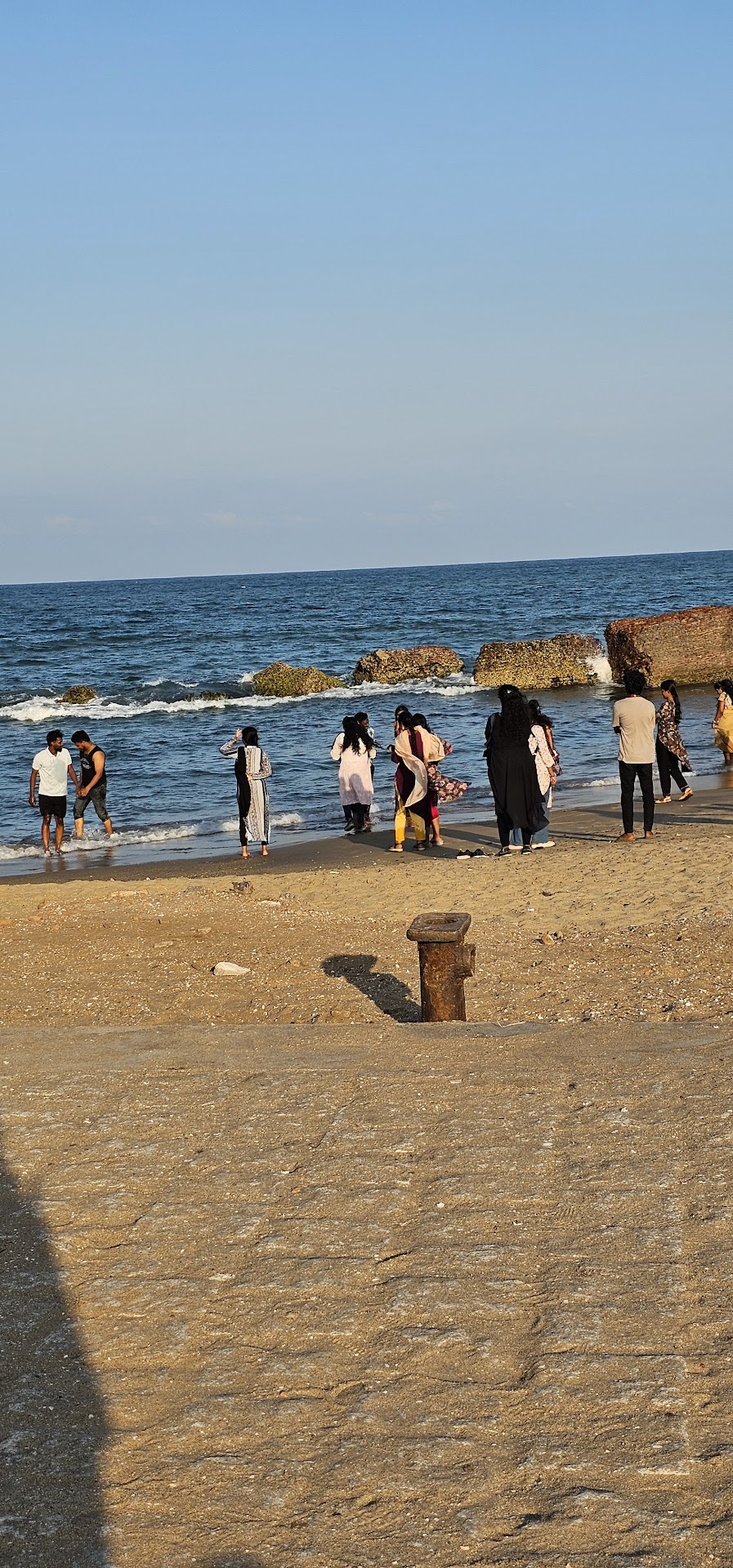
This beach is a lovely spot to unwind. Vehicles can be parked about 200 meters away and walk comfortably towards the shore along a cozy pathway. Panoramic views of the coastline can be enjoyed sitting on the Benches. Mornings and evenings are ideal times to visit. The 1 km long curvy fishing harbor provides a pleasant walking trail, although vehicles are permitted until 5 PM. Watching the sunset from the harbor viewpoint is a mesmerizing experience.
Tranquebar is the only ozone-rich beach in India and second in the world. However, this is not the only reason to visit it. This tiny town along the Coromandel Coast boasts a rich history and culture that dates back to the 14th century when it was ruled by the Pandyan dynasty.
It became famous when it was colonized by the Danes in 1620. Danish Admiral Ove Gjedde came to Tharangambadi in 1620 to trade pepper and cardamom on behalf of the Danish East India Company. Ove Gjedde signed a treaty with the third ruler of Thanjavur, Raghunatha Nayak on November 20, 1620 for leasing a land of 5x3 miles in Tharangambadi on an annual tribute of Rs. 3,000.00.
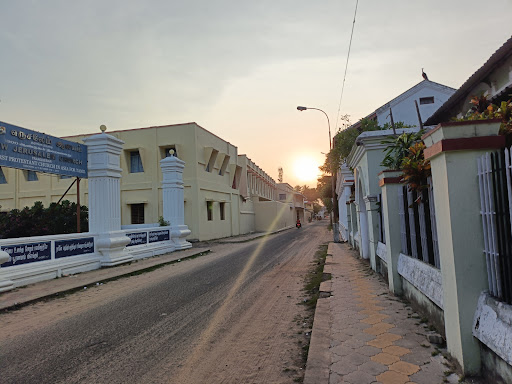
Unable to pronounce the name, the Danes renamed it "Trankebar." Later, when the Danes sold it to the British in 1845 for 12.5 lakhs rupees, they renamed it "Tranquebar" to reflect the sense of tranquility and restfulness the place offers. In and around the town, you can see a mix of Danish, British, German, and French influences.
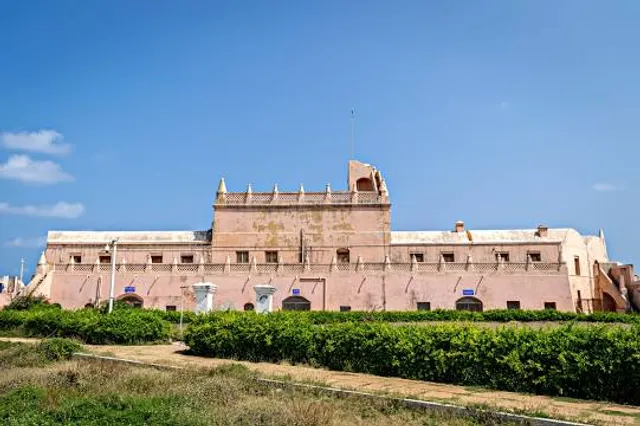
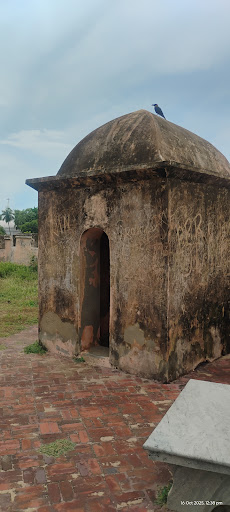
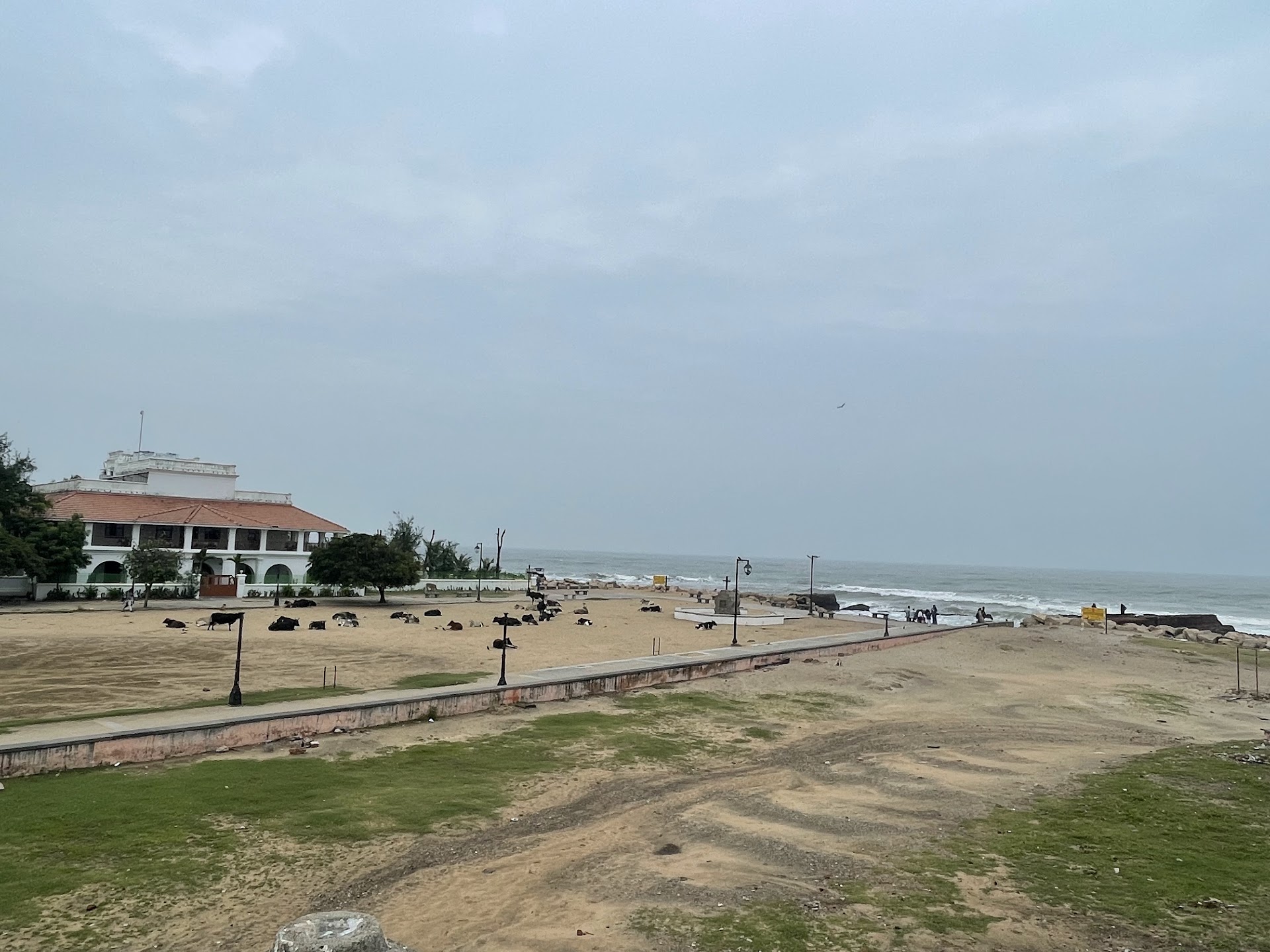
Ove Gjedde swiftly constructed the world's second-largest Danish Fort Dansborg (after Kronborg, Helsingør) establishing a base for Danish settlement. Though not built for the royal family, still it was called the 'Fort.' The Dansborg fort stands tall on the beach, despite the severe damage to the citadel walls and other fort structures inflicted by the 2004 tsunami. Remnants of buildings and brick boundary walls can be seen jutting out from the sea. Restoration efforts of the fort were undertaken in 2001 and 2011, and further restoration work is currently ongoing in the ground floor area of the prison.
The Danish fort area of 60x11 meters is located to the right on the beach. It encompasses the Governor's residence, an old Danish bungalow, a converted museum (formerly the Governor's church), three churches, a Maritime Museum, and the fort itself.
Dutch King Frederick-IV sent the two German Protestant missionaries, Bartholomaus Ziegenbalg and Heinrich Plutschau, to Tranquebar. They came on July 9, 1706 to spread the Gospel in this Danish settlement. The Danes constructed the Zion Church in 1701, which is the first Protestant church in India.
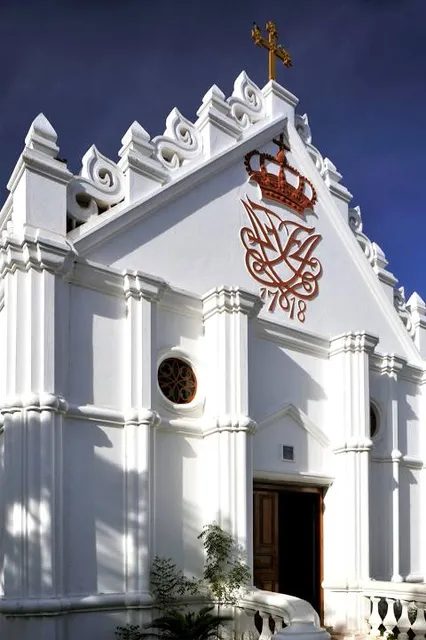
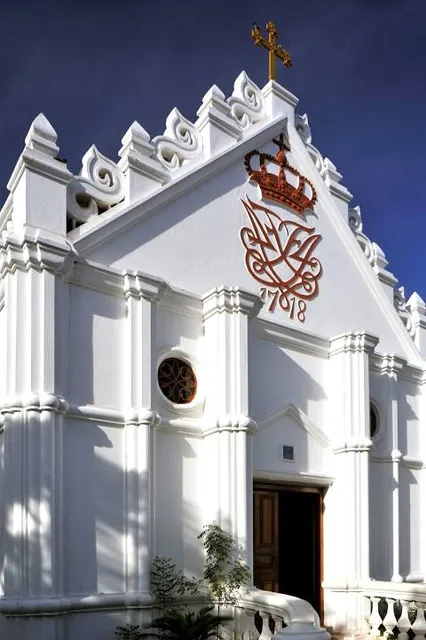
The New Jerusalem Church was consecrated by Bartholomaus Ziegenbalg on October 11, 1718— the birthday of King Frederick-IV. A great visionary and social leader, Ziegenbalg died on February 23, 1719 at the age of 37. He is buried in this church. The church was also damaged in the 2004 tsunami but was renovated and re-consecrated on July 8, 2006.
The Maritime Museum displays a collection of old boats, types of fish, and a photo-video presentation of the 2004 tsunami effects.
To the left of the beach is the Masilamani Nathar temple, built by the Chola dynasty King Maravarman Kulashekara Pandyan-I in 1306. This temple is dedicated to Lord Shiva having intricate carvings and beautiful architecture. A blend of Chinese and Dravidian architectural styles was made to attract Chinese merchants. It was severely damaged during the tsunami but has been restored.
Tharangambadi has the credit of having the first printing press in India too. Bartholomaus Ziegenbalg translated the Old and New Testaments into Tamil and imported a printing press to publish the New Testament in...
Read more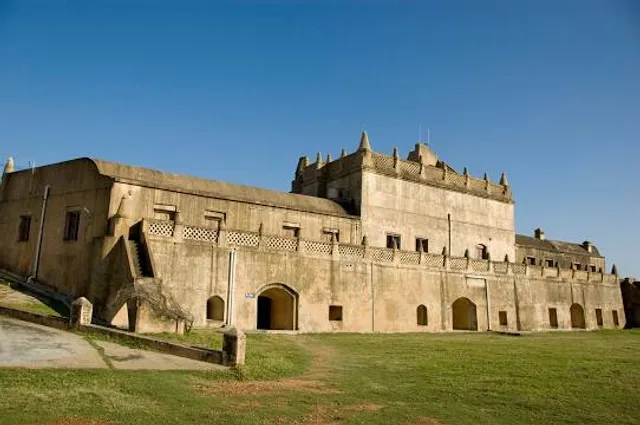
 Learn more insights from Wanderboat AI.