HTML SitemapExplore
Find Things to DoFind The Best Restaurants

Kanyakumari Wildlife Sanctuary - Kanyakumari, Tamilnadu — Attraction in Thiruvattar

Name
Kanyakumari Wildlife Sanctuary - Kanyakumari, Tamilnadu
Description
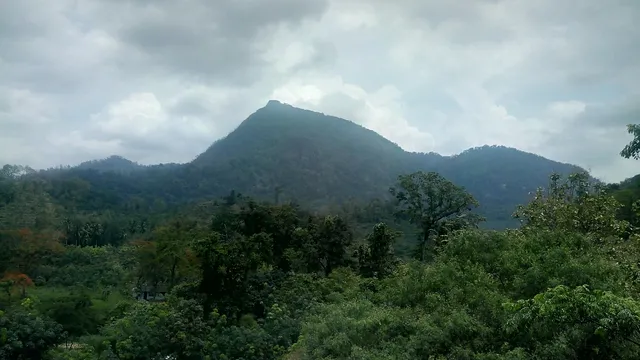
Kanyakumari Wildlife Sanctuary is a 402.4 km² protected area in Kanyakumari district, Tamil Nadu, South India declared in February 2008. The area is a tiger habitat. Seven rivers originate in the forest including the Thamirabarani River and Pahrali River.
Nearby attractions
Nearby restaurants
Nearby hotels
Related posts
Keywords
Kanyakumari Wildlife Sanctuary - Kanyakumari, Tamilnadu tourism.Kanyakumari Wildlife Sanctuary - Kanyakumari, Tamilnadu hotels.Kanyakumari Wildlife Sanctuary - Kanyakumari, Tamilnadu bed and breakfast. flights to Kanyakumari Wildlife Sanctuary - Kanyakumari, Tamilnadu.Kanyakumari Wildlife Sanctuary - Kanyakumari, Tamilnadu attractions.Kanyakumari Wildlife Sanctuary - Kanyakumari, Tamilnadu restaurants.Kanyakumari Wildlife Sanctuary - Kanyakumari, Tamilnadu travel.Kanyakumari Wildlife Sanctuary - Kanyakumari, Tamilnadu travel guide.Kanyakumari Wildlife Sanctuary - Kanyakumari, Tamilnadu travel blog.Kanyakumari Wildlife Sanctuary - Kanyakumari, Tamilnadu pictures.Kanyakumari Wildlife Sanctuary - Kanyakumari, Tamilnadu photos.Kanyakumari Wildlife Sanctuary - Kanyakumari, Tamilnadu travel tips.Kanyakumari Wildlife Sanctuary - Kanyakumari, Tamilnadu maps.Kanyakumari Wildlife Sanctuary - Kanyakumari, Tamilnadu things to do.
Kanyakumari Wildlife Sanctuary - Kanyakumari, Tamilnadu things to do, attractions, restaurants, events info and trip planning
Kanyakumari Wildlife Sanctuary - Kanyakumari, Tamilnadu
IndiaTamil NaduThiruvattarKanyakumari Wildlife Sanctuary - Kanyakumari, Tamilnadu

Basic Info

Kanyakumari Wildlife Sanctuary - Kanyakumari, Tamilnadu

FCQ5+379, Veerapuli R.F., Tamil Nadu 629851, India
4.3(38)
Open 24 hours
Save
spot

Ratings & Description

Info

Kanyakumari Wildlife Sanctuary is a 402.4 km² protected area in Kanyakumari district, Tamil Nadu, South India declared in February 2008. The area is a tiger habitat. Seven rivers originate in the forest including the Thamirabarani River and Pahrali River.

Outdoor
Adventure
Scenic
Family friendly
Off the beaten path
attractions: , restaurants:
logoLearn more insights from Wanderboat AI.

Plan your stay

hotel
Pet-friendly Hotels in Thiruvattar
Find a cozy hotel nearby and make it a full experience.
hotel
Affordable Hotels in Thiruvattar
Find a cozy hotel nearby and make it a full experience.
hotel
The Coolest Hotels You Haven't Heard Of (Yet)
Find a cozy hotel nearby and make it a full experience.
hotel
Trending Stays Worth the Hype in Thiruvattar
Find a cozy hotel nearby and make it a full experience.

Reviews

Get the Appoverlay
Get the AppOne tap to find yournext favorite spots!
Wanderboat LogoWanderboat

Your everyday Al companion for getaway ideas

CompanyAbout Us
InformationAI Trip PlannerSitemap
SocialXInstagramTiktokLinkedin
LegalTerms of ServicePrivacy Policy

Get the app

© 2025 Wanderboat. All rights reserved.

Posts

hotel
Find your stay

Pet-friendly Hotels in Thiruvattar

Find a cozy hotel nearby and make it a full experience.

hotel
Find your stay

Affordable Hotels in Thiruvattar

Find a cozy hotel nearby and make it a full experience.

Get the Appoverlay
Get the AppOne tap to find yournext favorite spots!
hotel
Find your stay

The Coolest Hotels You Haven't Heard Of (Yet)

Find a cozy hotel nearby and make it a full experience.

hotel
Find your stay

Trending Stays Worth the Hype in Thiruvattar

Find a cozy hotel nearby and make it a full experience.

create-post
Own the spotlight post first!
Create

Reviews of Kanyakumari Wildlife Sanctuary - Kanyakumari, Tamilnadu

4.3
(38)
avatar
4.0
4y

Kanyakumari Wildlife Sanctuary is a 402.4 km2 (155.4 sq mi) protected area in Kanyakumari district, Tamil Nadu South India declared in February 2008. The area is a tiger habitat. The virgin forests of Kanyakumari District got transferred from Kerala to Tamil Nadu on the 1st November 1956 as a result of the state reorganization. Kanyakumari Forest Division came into existence from 1st April 1977, with the headquarters at Nagercoil. Government Reserved Forests occupy an area of 50486 ha, i.e., 30.2% of the total geographic area of the Kanyakumari District.

Kanyakumari Wildlife sanctuary with adjacent areas of Kalakkad Mundanthurai Tiger Reserve and Neyyar Wildlife Sanctuary of Kerala State constitutes the southernmost tip of Western Ghats. The natural vegetation of this region represents biomes ranging from southern thorn forests, dry deciduous, moist deciduous, semi evergreen forests to ever green hill sholas with grassy downs. The tract is exceedingly rich in wildlife harbouring a variety of animals. The avifauna, the reptilian and amphibian fauna of this region are also rich and diverse. The Kanyakumari Wildlife Sanctuary is located in Kanyakumari, commonly known to the rest of the country as the southernmost tip of India. This tip of the Indian peninsula is a unique geographic point as it is one of a handful of places, if not the only, to be surrounded by all three of the sub-continent's vast oceans – the Bay of Bengal, Indian Ocean and the Arabian Sea. This, in combination with the fact that the sanctuary touches the southern tip of the Western Ghats is cause for - albeit understandably – the distinct and highly rare quality and combination of its biosphere. Being surrounded by three major oceans has a direct and obvious effect on its monsoon. The sanctuary receives extremely heavy rainfall of 1369 mm each year which is both unevenly and oddly distributed. Tropical wet evergreen forests and southern thorn scrub forests are the extremes that form the spectrum of vegetation in this sanctuary. The variation in forest type is mainly due to the pattern of the monsoon. At the Kanyakumari Wildlife Sanctuary is a whopping 427 species of Indian plants, of which 123 are found in the state and 62 are endemic to Tamil Nadu.

In Upper Kodaiyar and other craggy regions of the Tirunelveli District, where the sanctuary lies, you will find a particularly interesting plant called Hill arecanut. It is an endemic palm occurring in these locales. In this category are also two other palms found in abundance - the Arenga wightii and Poanaca docksonii. They yield a deadly brew that is locally known as toddy. Toddy is simply an alcohol made out of the tender water of these palms by fermentation; the toddy from these palms are glorified, relished and sought after by the tribals in the area. In fact, an interesting fact of the forests in Kanyakumari is that they are said to be more than 70 million old. Now that’s called an age old area, which has been developed. The Kanyakumari Wildlife Sanctuary is a crucial wildlife corridor with exceptionally high biodiversity. Inevitably, it is home to several species that are endangered, such as the Indian rock python, lion-tailed macaque, mouse deer, Nilgiri Tahr, Sambar deer, Indian bison and elephant. Sadly, construction of hydel projects, encroachment, conversion of forest to farmland, poaching and poisoning have cause many species like tigers, panthers, black buck and deer to dwindle. Nonetheless, animal species that continue to be commonly spotted at the Kanyakumari Wildlife Sanctuary are bonnet macaque, jackal, Indian fox, leopard, small Indian civet, Indian chevrotain, otter, sloth bear, large brown flying squirrel, pangolin and flying fox among many others.

The Kanyakumari Sanctuary is simply fantastic for wildlife viewing and nature walks; it is also a unique experience to see the meeting point of the three main oceans. This is considered as one of nature's most wonderful phenomena, the blending of their waters and sand; a must do for all who visit the...

   Read more

avatar
5.0
45w

Kanyakumari Wildlife Sanctuary, located in Tamil Nadu, is a biodiversity hotspot with rich flora and fauna. Spanning dense forests and hilly terrain, it is home to elephants, tigers, leopards, and diverse bird species. The sanctuary offers a serene escape for nature lovers and trekkers. However, visitor access is limited to protect wildlife. Best visited during winter, it provides a tranquil experience amidst nature’s beauty, making it a must-visit for wildlife...

   Read more
avatar
1.0
6y

A big NO, especially to people from Kerala. There is literally nothing there other than a river and rubber estate. Really? Since when did people started calling rubber estates as forests? The entry fee for four people and two bikes was 160rs. And there was a river and some rubber trees to watch. I don't know why people are going there. May be rivers and rubber trees are rare...

   Read more
Page 1 of 6
Previous
Next