The Aligarh Fort, also known as the Aligarh Qila, is a historic fort located in the city of Aligarh in the northern Indian state of Uttar Pradesh. The fort is believed to have been constructed during the 16th century, during the reign of the Mughal emperor Akbar, and was later renovated and expanded by various rulers over the centuries.
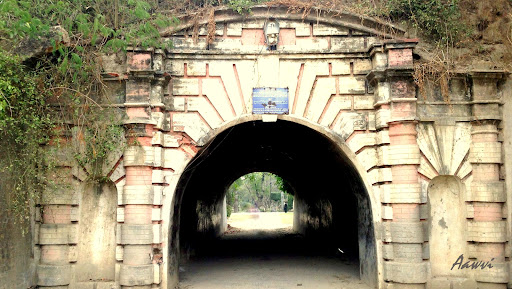
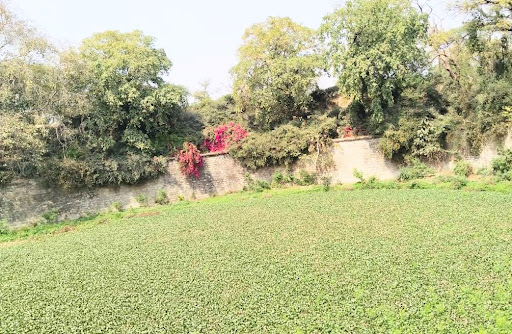
The fort is situated on a hill and is surrounded by a moat, with several imposing gates providing access to its interior. The fort covers an area of approximately 7.5 hectares and features a variety of buildings, including palaces, mosques, and other structures.
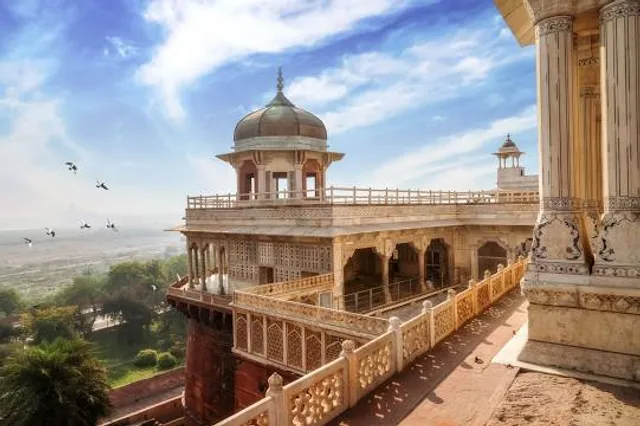
One of the most notable features of the Aligarh Fort is the Sheesh Mahal, a beautiful palace with intricate carvings and elaborate mirror work that is considered to be one of the finest examples of Mughal architecture in the region. The palace features a central courtyard with a fountain and several rooms on the upper floor that were used by the royal family.
Another notable feature of the fort is the Jami Masjid, a grand mosque that is believed to have been built during the reign of Aurangzeb, one of the most powerful Mughal emperors. The mosque features a large prayer hall and several minarets, and is a popular destination for visitors interested in Islamic architecture.
The Aligarh Fort has played an important role in the history of the region, serving as a military stronghold for various rulers over the centuries. Today, it is a popular tourist destination and is managed by the Archaeological Survey of India, which has undertaken several restoration and conservation projects to preserve its historic structures for future generations.
Overall, the Aligarh Fort is a fascinating example of Mughal architecture and a testament to the rich cultural heritage of the region. Its stunning buildings and historical significance make it a must-visit destination for anyone interested in Indian history and...
Read moreAligarh Fort: Aligarh Fort or Aligarh Quila, Popularly called as "Bonay Chor ka Kila" (dwarf thief's fort), is located in the Patwari Nagla city of Aligarh, Uttar Pradesh, India. , it represents historic Islamic influences through its exquisite architecture and intricate symbolic carvings, though most part of it is damaged and only ruins remain. The fort is situated near the Grand Trunk Road and consists of a regular polygon surrounded by a very broad and deep ditch.
The fort was built during the time of Ibrahim Khan Lodi by Muhammad, son of Umar the governor of Kol in 1524–25. Sabit Khan, who was the governor of this region during the time of Farrukh Siyar and Muhammad Shah, rebuilt the fort. It became a fortress of great importance under Madhavrao I Scindia in 1759; it was the depot where he drilled and organized his battalions in European fashion with the aid of French soldier Benoît de Boigne. During the Battle of Ally Ghur in 1803, it was captured from the Marathas under the leadership of a French officer Perron by Lord Gerard Lake's British army. After that it was strengthened and improved. In the rebellion of 1857 the troops stationed at Aligarh mutinied, but abstained from murdering their officers, who, with the other residents and ladies and children, succeeded in reaching Hathras.
Address: Masud Nagar, Qila Aligarh, Uttar Pradesh 202001, India Timings: 8:00 AM - 6:00 PM Time Required: 1 - 2 hours Entry Fee: Entry fee for adults is INR 20 & Entry fee for...
Read moreThe Aligarh Fort, located in Aligarh, Uttar Pradesh, is a historical site with significant cultural and architectural value. Here’s a brief review for a map entry:
Aligarh Fort
Historical Significance: Built during the Mughal period, the fort has seen numerous battles and played a key role in various historical events, especially during the British colonial era and the Indian Rebellion of 1857.
Architecture: The fort is an example of Mughal military architecture, with robust walls and a strategic hilltop location. Although not in its best condition today, its sturdy structure and layout still reflect its past grandeur.
Visitor Experience: While parts of the fort may not be well-preserved or maintained, history enthusiasts will appreciate exploring its ramparts and inner sections. There’s limited tourist infrastructure, so it’s best to visit with a guide to fully understand its historical context.
Accessibility: The fort is easily accessible by road within Aligarh, though visitors should be prepared for a relatively simple, rustic experience.
Recommendation: Ideal for history buffs and those interested in Mughal and colonial-era military architecture. A quick visit can be rewarding for anyone exploring Aligarh’s...
Read more