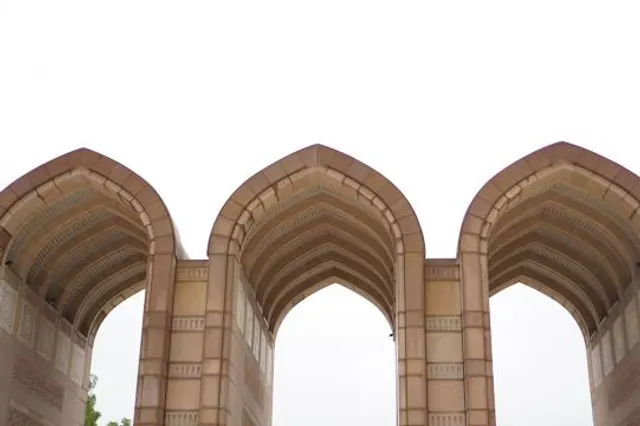
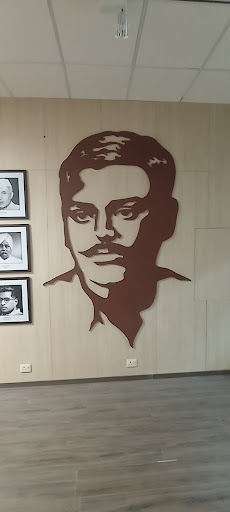
The Allahabad Museum, located in Prayagraj, Uttar Pradesh, played a significant role in preserving and promoting the legacy of India’s freedom struggle, though it was not directly involved in the movement itself. Established in 1931 and later declared an Institution of National Importance in 1985, the museum has served as a cultural and historical repository, showcasing artifacts and narratives related to India’s fight for independence. Below is an overview of its role in the context of India’s freedom struggle:1. Preservation of Freedom Struggle ArtifactsThe Allahabad Museum houses dedicated galleries that highlight key figures and events of India’s independence movement:Gandhi Gallery: Displays rare photographs of Mahatma Gandhi from his childhood to his death, along with memorabilia such as the Gandhi Smriti Vahan, a 1947 Ford used to carry Gandhi’s ashes for immersion at the Sangam in Prayagraj.Nehru Gallery: Features original manuscripts by Jawaharlal Nehru, including In and Out of Prison, later published as The Discovery of India, as well as letters and personal items related to his role in the freedom struggle.Freedom Fighters’ Gallery: Showcases photographs and documents from significant events like the Civil Disobedience Movement, Swadeshi Movement, Jallianwala Bagh massacre, and Chauri Chaura incident, covering the period from Bahadur Shah Zafar to India’s independence. Items include Mahatma Gandhi’s pocket watch, Swaraj Party registers, and letters related to the freedom struggle.Azad Gallery: A dedicated space for revolutionary freedom fighters, named after Chandra Shekhar Azad, who was martyred near the museum in 1931. A highlight is Azad’s .32 caliber Colt pistol, displayed in a bulletproof case, symbolizing his resistance against British rule. The gallery also includes artifacts like an original letter by Vishnu Sharan Dublish, an accused in the Kakori case, and items linked to the Ghadar Movement and Indian National Army (INA).These galleries collectively preserve and narrate the stories of both non-violent and revolutionary struggles, ensuring the sacrifices of freedom fighters are remembered.2. Role of Jawaharlal Nehru in Its EstablishmentJawaharlal Nehru, a pivotal figure in India’s freedom struggle, played a direct role in the museum’s history:As President of the Allahabad Municipal Board, Nehru spearheaded the initiative to reopen the museum in 1931, with support from figures like Madan Mohan Malviya and The Pioneer newspaper, after it had been shut down in 1881.He laid the foundation stone for the current museum building in Chandrashekhar Azad Park on December 14, 1947, and it was opened to the public in 1954. Nehru’s involvement underscores the museum’s early connection to the nationalist movement, as he envisioned it as a space to preserve India’s cultural and historical heritage, including the legacy of the freedom struggle.3. Collection of Documents and LettersThe museum has actively worked to collect and exhibit letters and documents written by freedom fighters, enhancing its role as a repository of primary sources:In 2019, under the direction of Dr. Sunil Gupta, the museum appealed to individuals and organizations to donate freedom fighters’ letters and documents. For example, it acquired a well-preserved letter from Vishnu Sharan Dublish, written in 1937 after his release from Andaman jail, advocating for recognition of another freedom fighter, Aman Singh Atre.These documents are planned for display in the Azad Gallery, a ₹8 crore project backed by the Ministry of Culture and the National Council of Science Museums, aimed at narrating the revolutionary struggle through artifacts and interactive displays.4. Educational and Cultural RoleThe Allahabad Museum serves as a premier research center for historians, archaeologists, and academicians, fostering study and awareness of India’s freedom struggle:Its library, with approximately 30,000 titles, including rare books and journals on history, archaeology, and culture, supports scholarly research on the...
Read moreAllahabad Museum's Rich Collection.
INTRODUCTION:
Allahabad Museum, situated in the city of Allahabad, Uttar Pradesh, India, is one of the oldest and most significant museums in the country. Established in 1931, the museum has an extensive collection of art, sculptures, coins, manuscripts, and other historical artifacts, which are of immense value to the people of the region as well as to history enthusiasts across the world.
HISTORY:
The Allahabad Museum was founded under the aegis of the Allahabad Historical Society, which was formed in 1919 with the objective of promoting the study of local history and culture. The society was instrumental in collecting a vast range of historical artifacts, which led to the establishment of the museum in 1931.
EXHIBITS:
The museum boasts of an impressive collection of more than 18,000 artifacts, which are spread across its various galleries. Some of the highlights of the museum's collection include:
Sculptures: The museum has a vast collection of sculptures dating back to the Mauryan and Gupta periods. These sculptures are made of stone, bronze, and terracotta, and depict various deities, human figures, and animals.
Paintings: The museum has an extensive collection of paintings, including miniatures from the Mughal and Rajasthani schools, as well as modern art by renowned Indian artists.
Manuscripts: The museum houses a collection of rare and valuable manuscripts, including the Rigveda, the Yajurveda, and the Atharvaveda, as well as ancient Buddhist texts.
Coins: The museum has a vast collection of coins, including those issued by the Mughals, the British, and various regional rulers.
Natural History: The museum has a collection of fossils, rocks, and minerals, as well as a range of flora and fauna from the region.
GALLERIES:
The museum has six galleries, each dedicated to a specific theme. These galleries are:
Archaeology Gallery: This gallery showcases artifacts from the Mauryan, Gupta, and other ancient periods.
Art Gallery: This gallery displays paintings, sculptures, and other artworks from various periods.
Natural History Gallery: This gallery displays specimens of flora and fauna, as well as fossils and minerals.
Anthropology Gallery: This gallery showcases artifacts related to the social and cultural history of the region.
Coins Gallery: This gallery displays a range of coins from different periods and rulers.
Freedom Struggle Gallery: This gallery showcases artifacts and memorabilia related to India's struggle for independence.
CONCLUSION:
The Allahabad Museum is a treasure trove of historical artifacts and is an essential destination for anyone interested in the history and culture of the region. With its extensive collection and well-curated galleries, the museum provides a fascinating glimpse into the rich and diverse history of India. Whether you are a history enthusiast or a casual visitor, a trip to the Allahabad Museum is sure to be an...
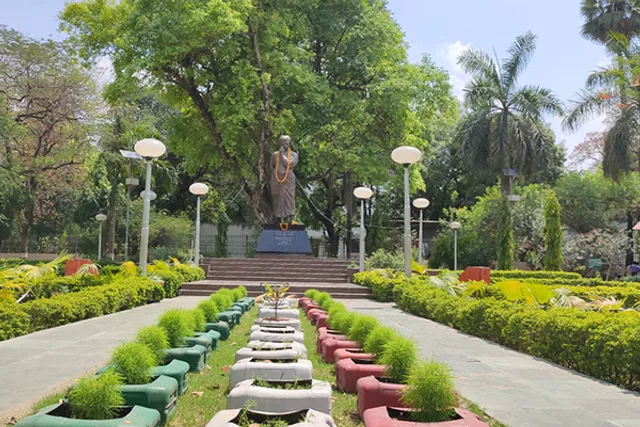
Read moreThe Allahabad Museum, located in Allahabad, Uttar Pradesh, India, is one of the oldest and most prominent museums in the country. Established in 1931, it is also known as the Prayagraj Museum, as the city of Allahabad was officially renamed to Prayagraj in 2018. The museum is situated near the famous Alfred Park, which is associated with the historical event of the 1857 Indian Rebellion.
The Allahabad Museum is renowned for its vast collection of artifacts, artworks, sculptures, and manuscripts that represent various periods of Indian history and culture. The museum's primary objective is to preserve, exhibit, and interpret the rich cultural heritage of the region.
Here are some key highlights and sections of the Allahabad Museum:
Archaeological Section: This section houses artifacts from the ancient Indus Valley Civilization, including pottery, terracotta figurines, tools, seals, and inscriptions. It also showcases sculptures, bronzes, and artifacts from the Maurya, Shunga, Kushana, Gupta, and medieval periods.
Natural History Section: This section focuses on natural history and showcases a diverse range of flora and fauna. It includes a vast collection of stuffed animals, birds, reptiles, and insects, along with botanical specimens, fossils, and minerals.
Art Gallery: The museum's art gallery displays a remarkable collection of paintings, miniature art, and textiles. It features works by renowned artists from different schools of art, including Mughal, Rajasthani, Pahari, and Bengal. The gallery also houses a collection of contemporary Indian art.
Coin Gallery: This section exhibits a comprehensive collection of coins, including ancient Indian coins, medieval coins, and coins from the British colonial era. It provides insights into the economic history and trade relations of the region.
Decorative Arts Section: Here, visitors can explore a variety of decorative arts, including woodwork, ivory carvings, metalware, textiles, and jewelry. These artifacts showcase the exquisite craftsmanship and cultural traditions of the region.
Personalia Section: This section is dedicated to the personal belongings of notable figures from the region, including photographs, documents, letters, and memorabilia.
The Allahabad Museum also organizes temporary exhibitions, educational programs, and cultural events to promote a better understanding of the history and culture of the region. It serves as a significant educational and research institution for scholars, historians, archaeologists, and art enthusiasts.
Visiting the Allahabad Museum provides a unique opportunity to delve into the rich heritage and artistic traditions of Allahabad and its surrounding areas, offering a glimpse into the cultural...
Read more