Dewa Sharif is a significant Islamic pilgrimage site located in the Barabanki district of Uttar Pradesh, India. The site is the final resting place of the Sufi saint Haji Waris Ali Shah, who is also known as Waris Pak. The mazar or tomb of Hazrat Waris Ali Shah is the main attraction of Dewa Sharif, drawing thousands of devotees from all over the world.
The site has a rich history that dates back to the early 19th century. Haji Waris Ali Shah was born in the town of Dewa in 1819, and he spent most of his life spreading the teachings of Islam and Sufism. His teachings emphasized the importance of love, compassion, and unity, and he was renowned for his ability to heal the sick and perform miracles.
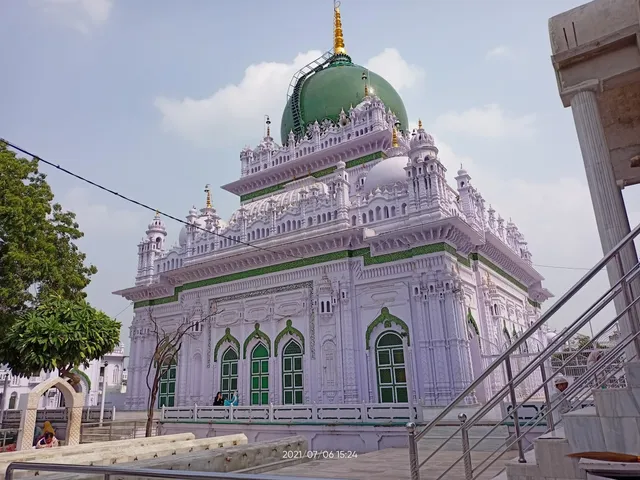
After his death in 1905, a grand tomb was built over his grave, which has become a symbol of his spiritual power and influence. The mazar of Hazrat Waris Ali Shah is a beautiful white marble structure that is adorned with intricate carvings and decorations. The tomb is located in the center of a large courtyard, which is surrounded by other smaller tombs of his family members and disciples.
The mazar is open to all visitors regardless of their religion, and it is common to see people from all walks of life paying their respects to Hazrat Waris Ali Shah. The site is particularly popular during the annual Urs festival, which is held in the Islamic month of Rabi al-Awwal to mark the anniversary of his death.
Apart from the mazar, Dewa Sharif also has a mosque, a library, and a madrasa that offers Islamic education to children and young adults. The site is maintained by the Haji Waris Ali Shah Trust, which is responsible for the upkeep of the tomb and the facilities on the premises.
Overall, Dewa Sharif and the mazar of Hazrat Waris Ali Shah are significant spiritual and cultural landmarks that attract devotees and tourists from all over the world. The site has a peaceful and serene atmosphere, and visitors can spend hours exploring the complex and soaking up the spiritual energy of the place.
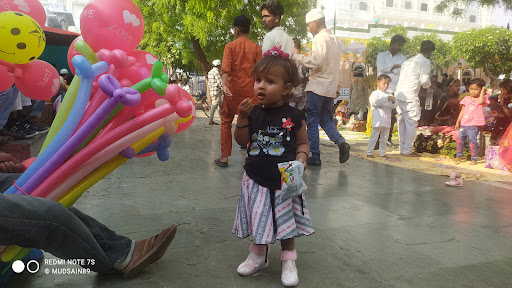
However, it is important to note that Dewa Sharif can get crowded during peak season, and visitors should be mindful of their belongings and avoid carrying too much cash or valuables with them. Additionally, visitors should dress modestly and respect the local customs and traditions while visiting the site.
In conclusion, Dewa Sharif and the mazar of Hazrat Waris Ali Shah are important landmarks of Islamic culture and spirituality in India. The site is well-maintained and offers a peaceful and serene atmosphere that is conducive to meditation and contemplation. Visitors should make it a point to visit Dewa Sharif and experience the spiritual energy of the place...
Read moreHaji Hafiz Sayyad Waris Ali Shah (Urdu: حاجی وارث علی شاہ, Hindi: हाजी वारिस अली शाह) or Sarkar Waris Pak (Urdu: سرکار وارث پاک, Hindi: सरकार वारिस पाक) (1817-1905) was a Sufi Saint from Dewa, Barabanki, India, and was the founder of the Warsi order of Sufism. He travelled widely in the west and admitted people to his spiritual order.
Haji Hafiz Sayyad Waris Ali Shah at a very early age showed an extraordinary inclination for a religious life: even in his extreme boyhood, he was regarded as amazingly proficient in his knowledge and practice of religion.
Social engagement
He went to Mecca for pilgrimage many times. During his extensive travels in Europe, he visited the Sultan of Turkeys and Bismarck of Berlin. He also travelled to England and had an audience with Queen Victoria.
He had many prominent followers from several faiths. His numerous disciples, which include both Muslims and Hindus.
Mushir Husain Kidwai, Gadia. Hakeem Safdar Ali Warisi (Mahajan Title given by Haji Saheb) writer of Jalwaye Waris (Migrate from Gadia to Bahraich on Haji Saheb's order.His Grand Son Izhar Warsi is prominent poet of Urdu.)
Thakur Pancham Singh. Raja Udyat Narayan Sing (Suratgunj, Oudh). Baboo Moti Misser (Bhagalpur). Thakur Grur Mohan Singh, Zamindar (Bhagalpur). Hazrat Baba Sufi Syed Diwana Shah Warsi (Jagatdal,West Bengal). Sadaf Jabbar Fazihat. Shah Abdul Ad Shah. Maulana Mohammad Shah. Mustaqim Shah. Faizu Shah Rahim Shah Hafiz Pyaari Shakir Shah Bedam Shah Avghat Shah Maroof Shah Noorkarim Shah Siddiq shah (Amethi Sultanpur U.P India) Sai baba of (shirdi) Bangali Shah(Kolkata India) Sandal Shah (Kolkata India)
Haji Waris Ali Shah was the Pir of Mushir Husain Kidwai of Gadia, a zamindar, barrister and pan-Islamist politician from Barabanki. Shaiq khuda Bakhsh was a follower of Waris Ali Shah. He collected the sayings of his spiritual guide Malfūzāt-i-Hāji Wāris 'Ali Shāh. His book, Tohmat-ul-Asfiya, is the biography of Waris Ali Shah.
Urs
An उर्स, or death anniversary, locally known as Dewa mela is observed in October–November. It is attended by nearly a million Muslims and Hindus. It is said that this fair was started by Haji Waris Ali Shah in memory of his father, Qurban Ali Shah. Another fair is held beside the tomb of Haji Waris Ali Shah on the first of the Muslim month of...
Read moreThe Dewa Sharif Dargah, located in Barabanki, Uttar Pradesh, is a deeply revered spiritual site dedicated to the famous Sufi saint, Haji Waris Ali Shah. The dargah is not only a place of pilgrimage but also a serene sanctuary that draws devotees from all walks of life seeking peace, blessings, and spiritual solace.
The moment you step into the dargah, there is a palpable sense of calm and serenity that envelops you. The architecture is beautiful in its simplicity, with intricate designs that reflect the rich cultural and spiritual heritage of the region. The central shrine of Haji Waris Ali Shah is marked by a golden canopy, surrounded by marble floors that glisten in the soft glow of the surrounding lamps.
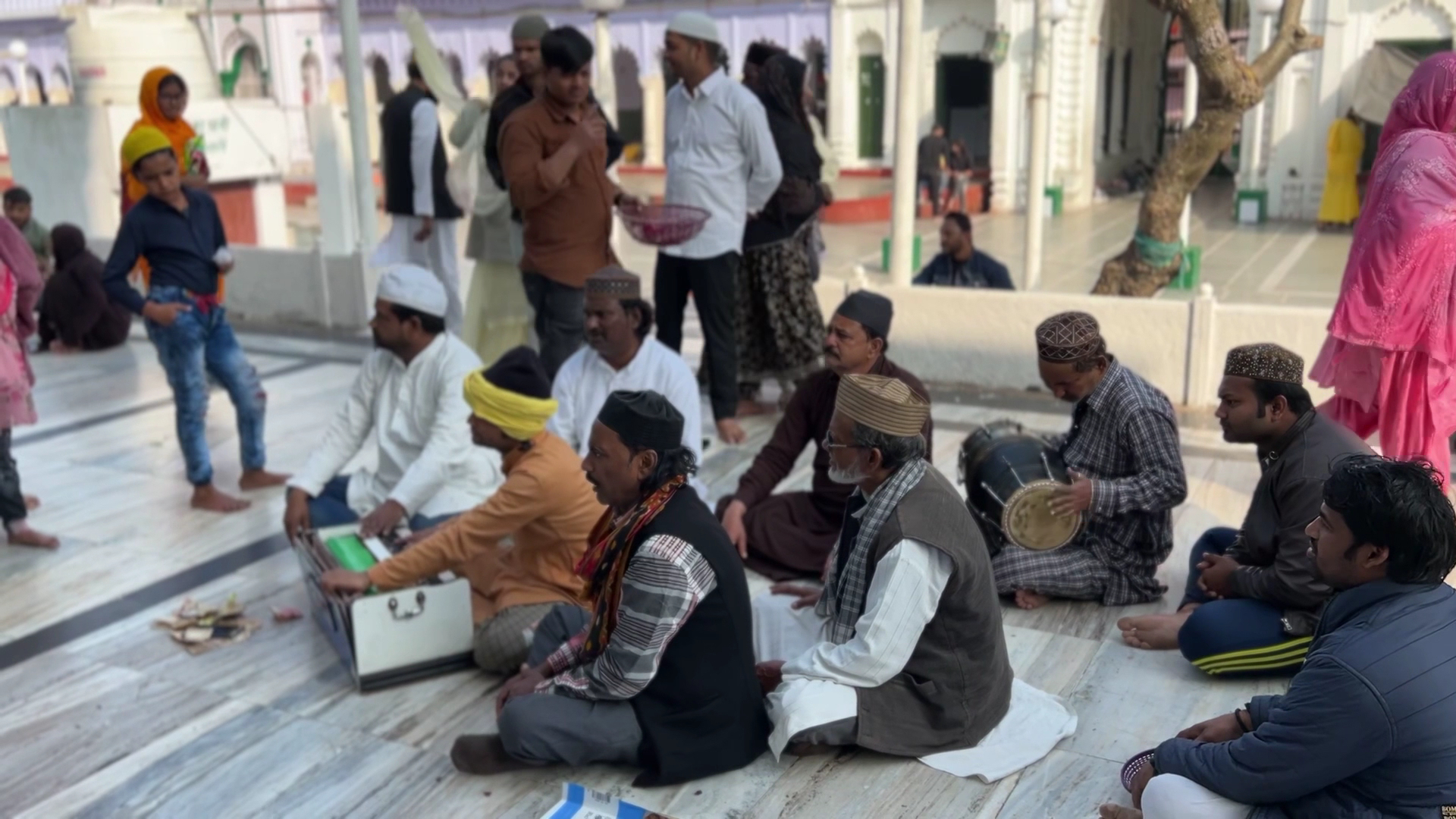
The dargah is known for its welcoming atmosphere. Whether you're there for spiritual reasons or simply to experience the peaceful environment, there’s a sense of unity among visitors, regardless of their background. People gather to offer prayers, seek blessings, or just sit quietly and reflect. The atmosphere is always respectful, with an air of devotion that is hard to find elsewhere.
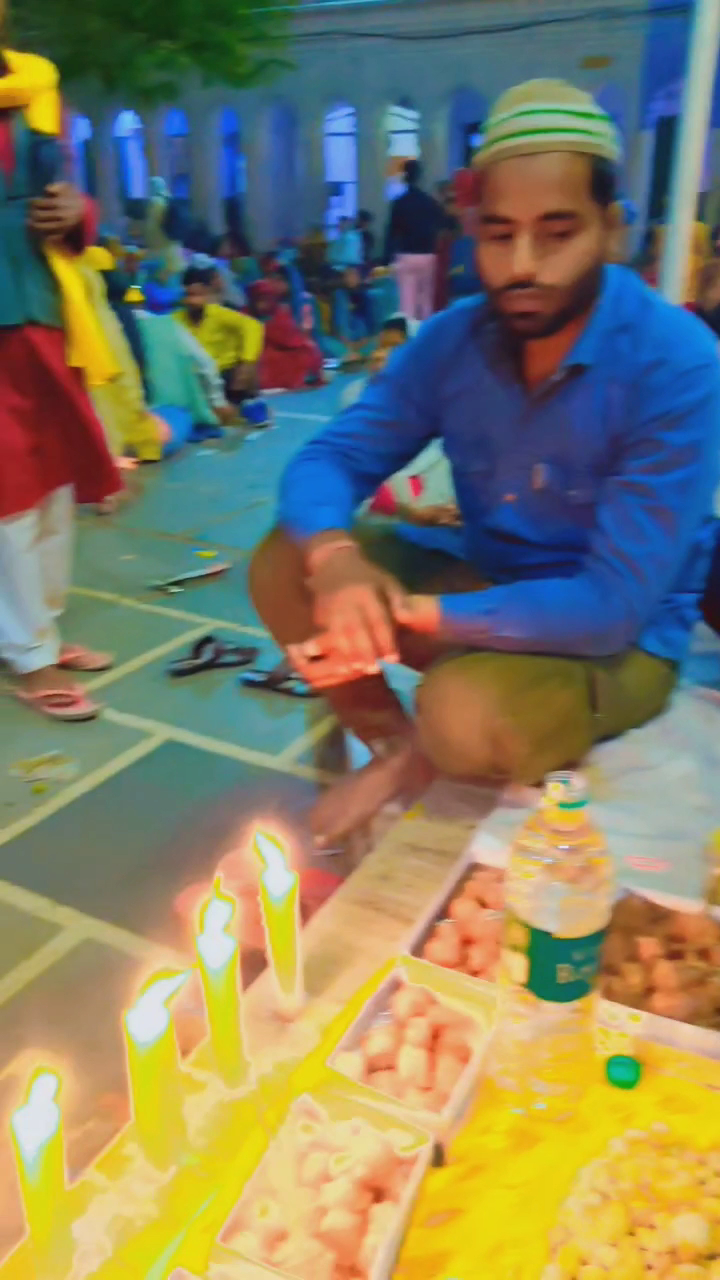
The annual urs (festival), held to commemorate the saint’s death anniversary, is one of the most important events at Dewa Sharif. It sees thousands of pilgrims from all over the country, creating a truly vibrant and spiritual experience. During the urs, the dargah is beautifully decorated, and there's a sense of celebration and devotion in the air. The offerings and prayers during this time are believed to carry extra significance, and you can feel the energy of devotion all around you.
What makes the experience even more special is the deep connection that many people claim to feel with the saint. Stories of miraculous healings and answered prayers are common, adding a layer of mystique to the place. Whether or not you are someone who believes in such miracles, there is no denying that the Dewa Sharif Dargah is a space where people feel a deep sense of connection to something greater than themselves.
Overall, the Dewa Sharif Dargah is not just a historical site; it is a living testament to the enduring power of faith, devotion, and community. It's a must-visit for anyone interested in Sufi traditions or simply looking for a place of peace...
Read more