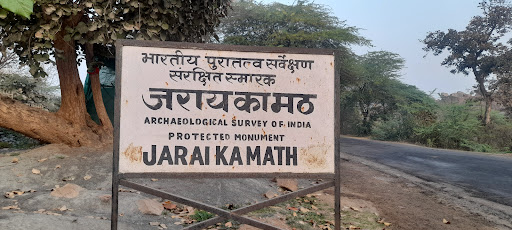
Jarai-ka-Math was Built during the reign of the Pratiharas by the King Mihir Bhoj. The temple dates backs to approximately 860 AD, this red sandstone temple is a pancharata shrine of the Panchayatan type, in which the main temple is surrounded by four subsidiary shrines at the four corners. Declared a protected monument by the Archaeological Survey of India in 1928, the temple is an excellent example of early Pratihara architecture.
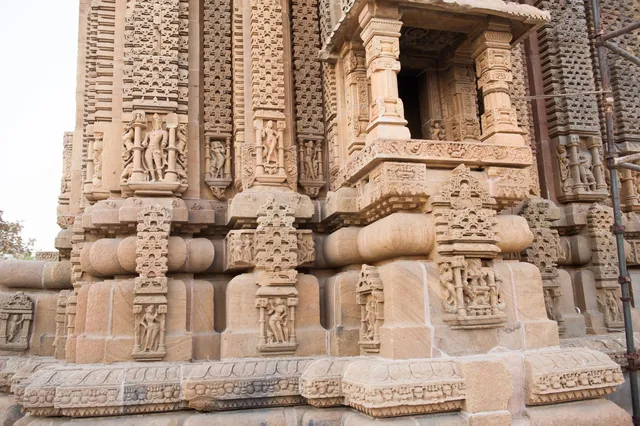
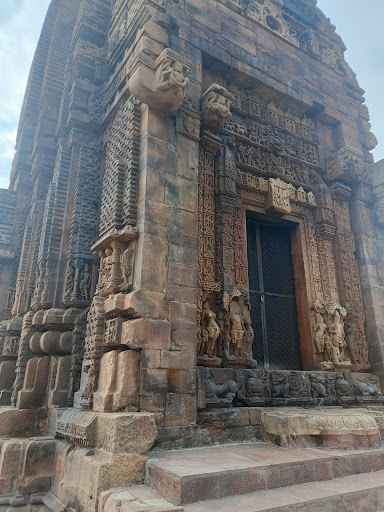
The temple is a repercussion to the vigorous temple-building activity which became a characteristic feature of the Chandellas. The temple is dedicated to Devi (Amba or Durga) whose multifarious forms are represented in the profusely carved sculptures along the temple walls. The temple stands on elevated ground dominating its surroundings. The main image of the deity is missing from the sanctum sanctorum. Only the pedestal, and the jeweled right foot of a female placed on a lotus stalk, remains. This detail is traditionally associated with the goddess Tara or Mateswari. The placement of a miniature, sixteen-armed image of a goddess on the central lintel of the entrance further supports the conjecture that the temple is dedicated to a goddess. Erotic sculptures, akin to those at Khajuraho, also grace the...
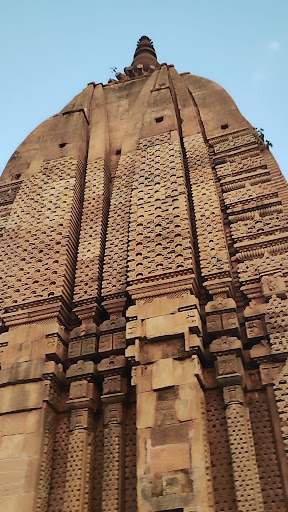
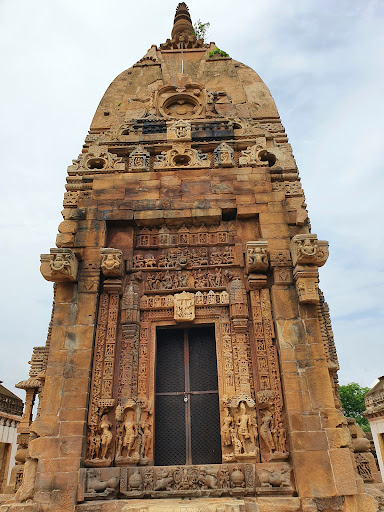
Read moreThis temple is built in the Pancharatha style. The present name of this temple - the monastery of Jaray - seems to be probably inspired by the name of Jara, the Yakshini of Rajagriha mentioned in the Mahabharata. The temple has a rectangular sanctum sanctorum and Kapili-free ornate entrance. Situated on a pedestal ornately decorated with various motifs, the temple has several bales with engraved sculptures in the Bhadra of the Jagha part (Vedibandha). Small windows are built in its summit. The upper part of which has been destroyed and only five of its floors are preserved. Excellent ornamentation has been engraved on the door branch of the temple and four in Sirdal. Various figures are engraved in the rows. Below in the door branch, there are markings of Makarvahini Ganga on one side and Kurmavahini Yamuna on the other side and idols of female gatekeepers. Due to the importance given to the marking of the deity idols in various parts of the temple, it appears that this temple was the center of Shakti worship. The inner part of the temple is full of exquisite ornamentation. Based on the developed architectural style, the temple is believed to be built in the...
Read moreIt is historical temple.Jarai-ka-Math is a temple dedicated to goddess Amba in Barua sagar near Jhansi in Uttar Pradesh, India.
HistoryEdit
Jarai-ka-Math was Built during the reign of the Pratiharas by the King Mihir Bhoj. The temple dates backs to approximately 860 AD, this red sandstone temple is a pancharata shrine of the Panchayatan type, in which the main temple is surrounded by four subsidiary shrines at the four corners. Declared a protected monument by the Archaeological Survey of India in 1928, the temple is an excellent example of early Pratiharaarchitecture.[citation needed]
AboutEdit
The temple is a repercussion to the vigorous temple-building activity which became a characteristic feature of the Chandellas. The temple is dedicated to Devi (Amba or Durga) whose multifarious forms are represented in the profusely carved sculptures along the temple walls. The temple stands on elevated ground dominating its surroundings. The main image of the deity is missing from the sanctum...
Read more