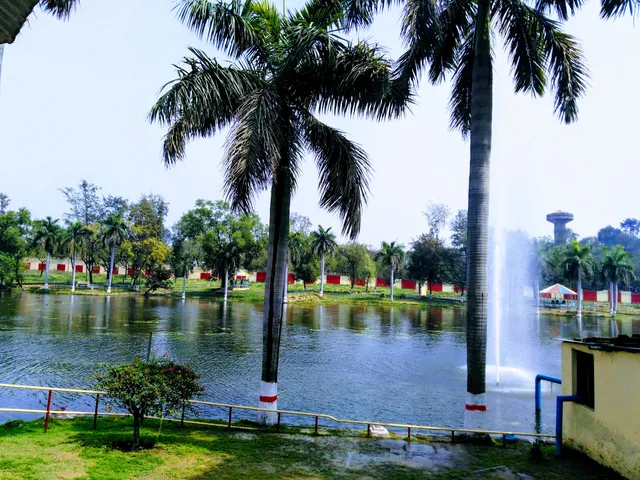
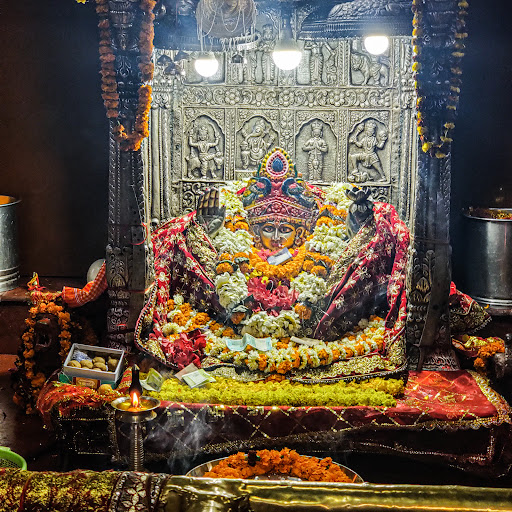
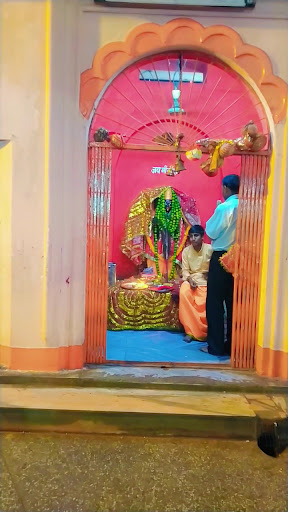
Nice place 🥰🥰🥰
The Jwalamukhi Temple in Shaktinagar, Sonbhadra district of Uttar Pradesh, is an ancient and revered Hindu temple dedicated to Goddess Jwala Ji, a powerful manifestation of the divine feminine energy, Shakti. This temple holds immense spiritual significance as one of the 51 Shakti Peethas across India, sacred sites where parts of Goddess Sati’s body are believed to have fallen. Specifically, at this temple, the front tongue of Devi Sati is worshipped, making the site a profound symbol of divine power and feminine divinity.
Historically, the temple is believed to be around 1000 years old, originally constructed by Raja Udit Narayan Singh of Gaharwal village around the 17th century. The present-day temple is a newer structure built replacing the ancient one. The mythology surrounding Jwalamukhi Temple is intertwined with the story of Sati, Shiva’s consort, who immolated herself after being insulted by her father Daksha Prajapati. Shiva’s deep sorrow led him to carry her corpse and roam across the Indian subcontinent. The locations where Sati’s body parts fell became sacred Shakti Peethas, with this temple honoring the tongue. These Shakti Peethas are considered potent centers of the goddess’s energy.
One of the unique aspects of Jwalamukhi Temple Shaktinagar is that it does not house a traditional idol; instead, nine eternal flames are worshipped. These flames are said to represent the Navadurgas, the nine forms of Goddess Shakti. The source of these flames is a remarkable mystery—geologists, despite drilling attempts and investigations, have been unable to determine from where the natural gas fueling these flames emanates. The flames have been burning continuously without oil or wick for centuries and cannot be extinguished even by natural or human efforts. The temple has witnessed historical attempts to extinguish the flame, including efforts by Emperor Akbar and British authorities, none of which succeeded. The enduring flames symbolize the eternal power of the goddess and her perpetual presence.
The temple plays a major role in local religious and cultural activities, especially during Hindu festivals such as Navaratri, Diwali, and Holi. Navaratri, a nine-day festival dedicated to the goddess, is particularly significant here, attracting thousands of devotees who come to witness the temple illuminated by countless lamps and to offer prayers to the goddess. Devotees commonly bring offerings like coconuts, flowers, and incense.
The temple is located in Shaktinagar, approximately 120 kilometers from Varanasi, and is accessible by road, train, and bus, making it a prominent pilgrimage destination in Uttar Pradesh. Its three-story structure topped with a golden dome houses the sanctum where the flames burn. Near the temple, visitors can also explore other nearby attractions including Renusagar Dam, Sonbhadra National Park, and the Vindhyachal Temples.
Jwalamukhi Temple is not just a place of worship but a site enveloped in spiritual mysticism and folklore. It is believed that the flames were ignited by Bhakta Gorakhnath, a devout follower of the goddess, and the flame's mystery continues to inspire devotion and wonder. Tantra sadhana and other spiritual practices are still observed in and around the temple area, maintaining its aura of the sacred and mysterious.
Jwalamukhi Temple Shaktinagar is a paramount Shakti Peetha with deep roots in Hindu mythology and devotion. The continuous natural flames, the connection to Goddess Sati’s divine legend, and the spiritual ambiance make it a unique and powerful pilgrimage site attracting devotees from all over India and beyond. The temple represents a living tradition of faith, mysticism, and reverence for the goddess in her...
Read more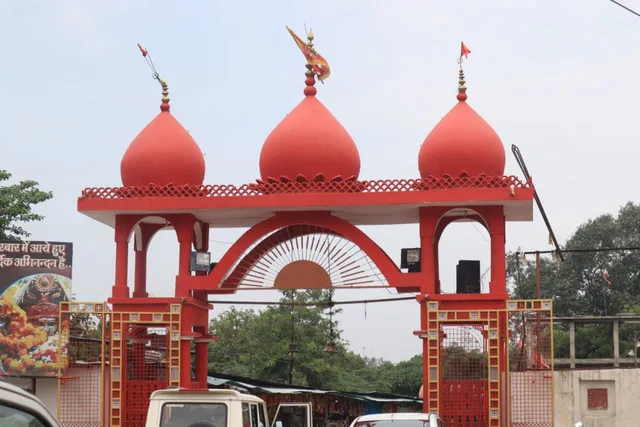
 Learn more insights from Wanderboat AI.