HTML SitemapExplore

Katarniaghat Wildlife Sanctuary — Attraction in Uttar Pradesh

Name
Katarniaghat Wildlife Sanctuary
Description
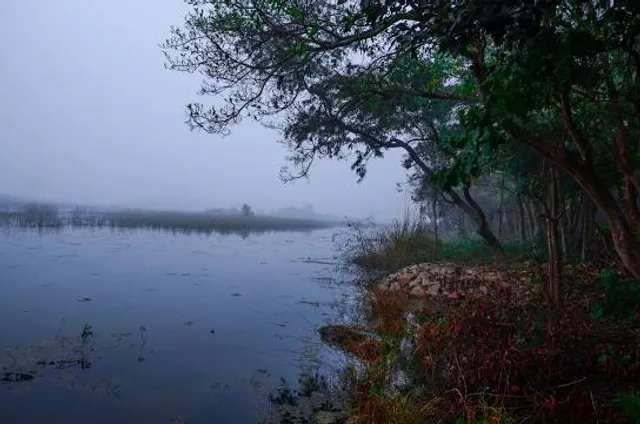
The Katarniaghat Wildlife Sanctuary is a protected area in the Upper Gangetic plain, near Bahraich city in Bahraich district of Uttar Pradesh, India and covers an area of 400.6 km² in the Terai of the Bahraich district.
Nearby attractions
Nearby restaurants
Nearby hotels
Related posts
Keywords
Katarniaghat Wildlife Sanctuary tourism.Katarniaghat Wildlife Sanctuary hotels.Katarniaghat Wildlife Sanctuary bed and breakfast. flights to Katarniaghat Wildlife Sanctuary.Katarniaghat Wildlife Sanctuary attractions.Katarniaghat Wildlife Sanctuary restaurants.Katarniaghat Wildlife Sanctuary travel.Katarniaghat Wildlife Sanctuary travel guide.Katarniaghat Wildlife Sanctuary travel blog.Katarniaghat Wildlife Sanctuary pictures.Katarniaghat Wildlife Sanctuary photos.Katarniaghat Wildlife Sanctuary travel tips.Katarniaghat Wildlife Sanctuary maps.Katarniaghat Wildlife Sanctuary things to do.
Katarniaghat Wildlife Sanctuary things to do, attractions, restaurants, events info and trip planning
Katarniaghat Wildlife Sanctuary
IndiaUttar PradeshKatarniaghat Wildlife Sanctuary

Basic Info

Katarniaghat Wildlife Sanctuary

Nishangarh, Border Road, Dharmpur, Katarneya Ghat Range, Uttar Pradesh 271841, India
4.3(397)
Open 24 hours
Save
spot

Ratings & Description

Info

The Katarniaghat Wildlife Sanctuary is a protected area in the Upper Gangetic plain, near Bahraich city in Bahraich district of Uttar Pradesh, India and covers an area of 400.6 km² in the Terai of the Bahraich district.

Outdoor
Adventure
Scenic
Family friendly
Off the beaten path
attractions: , restaurants:
logoLearn more insights from Wanderboat AI.

Plan your stay

hotel
Pet-friendly Hotels in Uttar Pradesh
Find a cozy hotel nearby and make it a full experience.
hotel
Affordable Hotels in Uttar Pradesh
Find a cozy hotel nearby and make it a full experience.
hotel
The Coolest Hotels You Haven't Heard Of (Yet)
Find a cozy hotel nearby and make it a full experience.
hotel
Trending Stays Worth the Hype in Uttar Pradesh
Find a cozy hotel nearby and make it a full experience.

Reviews

Get the Appoverlay
Get the AppOne tap to find yournext favorite spots!
Wanderboat LogoWanderboat

Your everyday Al companion for getaway ideas

CompanyAbout Us
InformationAI Trip PlannerSitemap
SocialXInstagramTiktokLinkedin
LegalTerms of ServicePrivacy Policy

Get the app

© 2025 Wanderboat. All rights reserved.

Reviews of Katarniaghat Wildlife Sanctuary

4.3
(397)
avatar
5.0
1y

Katarniaghat Wildlife Sanctuary, situated in the Bahraich district of Uttar Pradesh, India, is a vital component of the Terai Arc Landscape, which extends across northern India and southern Nepal. Established in 1976, the sanctuary covers an area of approximately 400 square kilometers. It is renowned for its rich biodiversity and forms a crucial part of the Indo-Gangetic plain's ecosystem.

The sanctuary's diverse habitat includes tropical and subtropical moist broadleaf forests, grasslands, and swamps. This variety supports a wide range of flora and fauna. Notably, Katarniaghat is home to several endangered species, such as the Bengal tiger, the one-horned rhinoceros, and the elusive Indian leopard. The sanctuary also provides habitat for the Ganges river dolphin, a critically endangered species.

Apart from these large mammals, Katarniaghat is a haven for bird watchers, hosting over 300 bird species, including rare and migratory ones. It is an important site for the conservation of the Asiatic elephant, which occasionally migrates from neighboring regions. The sanctuary’s riverine system and wetlands also support a variety of amphibians and reptiles.

Katarniaghat plays a crucial role in conservation efforts, contributing to habitat preservation and species protection. It faces challenges such as habitat encroachment and poaching, but ongoing conservation initiatives aim to protect and enhance its ecological value. The sanctuary remains a vital area for both wildlife conservation and scientific research, contributing significantly to India's natural heritage. Katarniaghat Wildlife Sanctuary's conservation efforts are bolstered by its connectivity to other protected areas in the Terai Arc, creating a larger ecological corridor. This connectivity is crucial for the movement and genetic diversity of wildlife, particularly for species like the Bengal tiger and the one-horned rhinoceros, which require large, contiguous habitats.

The sanctuary also engages in community-based conservation programs to involve local populations in protecting the area's natural resources. These initiatives aim to balance wildlife protection with the needs of local communities, offering alternative livelihoods to reduce human-wildlife conflict.

Tourism, though limited, is managed to minimize ecological impact while promoting awareness about conservation. The sanctuary’s rich biodiversity attracts researchers, conservationists, and eco-tourists, providing opportunities for education and environmental advocacy.

Overall, Katarniaghat Wildlife Sanctuary is a critical piece of India's conservation landscape, preserving a unique and diverse ecosystem while addressing the challenges of modern conservation. Its continued protection and sustainable management are vital for maintaining the balance of this important...

   Read more
avatar
5.0
7w

Katerniaghat Wildlife Sanctuary (often spelled Kartaniaghat) is a beautiful and ecologically rich protected area located in the Bahraich district of Uttar Pradesh, India, near the Indo-Nepal border. It forms part of the Dudhwa Tiger Reserve, along with Dudhwa National Park and Kishanpur Wildlife Sanctuary.

Here’s a detailed overview:

🌿 Overview

Location: Bahraich District, Uttar Pradesh

Area: About 400 sq km

Established: 1975

Part of: Dudhwa Tiger Reserve (under Project Tiger)

Nearest Town: Bahraich (~100 km away)

River: The Ghaghara (Karnali) River flows through the sanctuary

🐅 Wildlife

Katerniaghat is a biodiversity hotspot, home to several rare and endangered species:

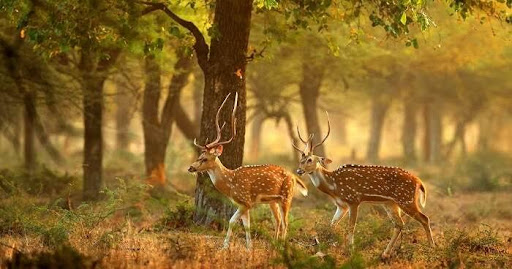
Mammals: Tigers, leopards, elephants, sloth bears, swamp deer, spotted deer, and Gangetic dolphins

Reptiles: Gharial, mugger crocodile, and several turtles

Birds: Over 350 species, including Bengal florican, red-headed trogon, lesser adjutant stork, and great hornbill

Aquatic Life: The Ghaghara river supports Gangetic dolphins and mahseer fish

🌊 Key Attractions

Girwa River: Known for gharials and dolphins

Dolphin Point: Boat rides allow spotting of the endangered Gangetic dolphins

Gharial Rehabilitation Center: Conserves and breeds gharials

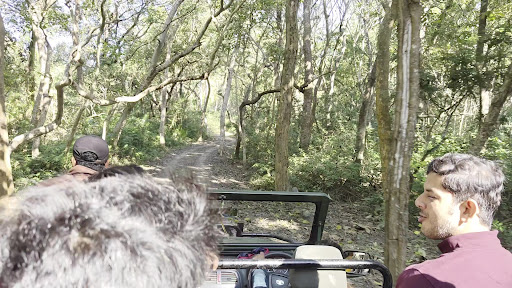
Dense Sal Forests: Scenic drives and nature walks through pristine jungle

Tharu Villages: Experience the local culture and traditional lifestyle of the Tharu tribe

🚗 How to Reach

By Air: Nearest airport – Lucknow (about 200 km)

By Train: Nearest railway station – Bahraich

By Road: Well connected from Bahraich, Lakhimpur Kheri, and Lucknow via SH-30 and NH-927

🌤️ Best Time to Visit

November to April – Pleasant weather and best for wildlife sightings

Avoid Monsoon (July–September) – Heavy rains and sanctuary closure

🏕️ Stay Options

Forest Rest Houses: Managed by UP Forest Department at Motipur and Kakraha ranges

Nearby Towns: Simple lodges available in...

   Read more
avatar
5.0
4y

The Katarniaghat Wildlife Sanctuary is a protected area in the Upper Gangetic plain in Uttar Pradesh, India and covers an area of 400.6 km2 (154.7 sq mi) in the Terai of the Bahraich district. In 1987, it was brought under the purview of the ‘Project Tiger’, and together with the Kishanpur Wildlife Sanctuary and the Dudhwa National Park it forms the Dudhwa Tiger Reserve. It was established in 1975. The Katerniaghat Forest provides strategic connectivity between tiger habitats of Dudhwa and Kishanpur in India and the Bardia National Park in Nepal. Its fragile Terai ecosystem comprises a mosaic of sal and teak forests, lush grasslands, numerous swamps and wetlands. It is home to a number of endangered species including gharial, tiger, rhino, Gangetic dolphin, swamp deer, hispid hare, Bengal florican, the white-backed and long-billed vultures.

One of the best places in the world for seeing the gharial[3] in its natural habitat is the Girwa River, where it is found sympatric with the mugger. The population of gharials in this stretch was one of the three that were still breeding, when the project to conserve this reptile from the verge of extinction was initiated in 1975. However, between the years of 2001 and 2005, almost all the gharial nests were raided by tribals who consider them a delicacy.[3] Mugger crocodiles are also seen in small number in the Girwa river,as their favorite haunts are stagnant wetlands like the many taals and baghars that dot the sanctuary. Side by side the serenely swimming gharial can be seen frolicking...

   Read more
Page 1 of 7
Previous
Next

Posts

VIVEK MISHRAVIVEK MISHRA
Katarniaghat Wildlife Sanctuary, situated in the Bahraich district of Uttar Pradesh, India, is a vital component of the Terai Arc Landscape, which extends across northern India and southern Nepal. Established in 1976, the sanctuary covers an area of approximately 400 square kilometers. It is renowned for its rich biodiversity and forms a crucial part of the Indo-Gangetic plain's ecosystem. The sanctuary's diverse habitat includes tropical and subtropical moist broadleaf forests, grasslands, and swamps. This variety supports a wide range of flora and fauna. Notably, Katarniaghat is home to several endangered species, such as the Bengal tiger, the one-horned rhinoceros, and the elusive Indian leopard. The sanctuary also provides habitat for the Ganges river dolphin, a critically endangered species. Apart from these large mammals, Katarniaghat is a haven for bird watchers, hosting over 300 bird species, including rare and migratory ones. It is an important site for the conservation of the Asiatic elephant, which occasionally migrates from neighboring regions. The sanctuary’s riverine system and wetlands also support a variety of amphibians and reptiles. Katarniaghat plays a crucial role in conservation efforts, contributing to habitat preservation and species protection. It faces challenges such as habitat encroachment and poaching, but ongoing conservation initiatives aim to protect and enhance its ecological value. The sanctuary remains a vital area for both wildlife conservation and scientific research, contributing significantly to India's natural heritage. Katarniaghat Wildlife Sanctuary's conservation efforts are bolstered by its connectivity to other protected areas in the Terai Arc, creating a larger ecological corridor. This connectivity is crucial for the movement and genetic diversity of wildlife, particularly for species like the Bengal tiger and the one-horned rhinoceros, which require large, contiguous habitats. The sanctuary also engages in community-based conservation programs to involve local populations in protecting the area's natural resources. These initiatives aim to balance wildlife protection with the needs of local communities, offering alternative livelihoods to reduce human-wildlife conflict. Tourism, though limited, is managed to minimize ecological impact while promoting awareness about conservation. The sanctuary’s rich biodiversity attracts researchers, conservationists, and eco-tourists, providing opportunities for education and environmental advocacy. Overall, Katarniaghat Wildlife Sanctuary is a critical piece of India's conservation landscape, preserving a unique and diverse ecosystem while addressing the challenges of modern conservation. Its continued protection and sustainable management are vital for maintaining the balance of this important ecological region.
ashutosh sahuashutosh sahu
Katerniaghat Wildlife Sanctuary (often spelled Kartaniaghat) is a beautiful and ecologically rich protected area located in the Bahraich district of Uttar Pradesh, India, near the Indo-Nepal border. It forms part of the Dudhwa Tiger Reserve, along with Dudhwa National Park and Kishanpur Wildlife Sanctuary. Here’s a detailed overview: --- 🌿 Overview Location: Bahraich District, Uttar Pradesh Area: About 400 sq km Established: 1975 Part of: Dudhwa Tiger Reserve (under Project Tiger) Nearest Town: Bahraich (~100 km away) River: The Ghaghara (Karnali) River flows through the sanctuary --- 🐅 Wildlife Katerniaghat is a biodiversity hotspot, home to several rare and endangered species: Mammals: Tigers, leopards, elephants, sloth bears, swamp deer, spotted deer, and Gangetic dolphins Reptiles: Gharial, mugger crocodile, and several turtles Birds: Over 350 species, including Bengal florican, red-headed trogon, lesser adjutant stork, and great hornbill Aquatic Life: The Ghaghara river supports Gangetic dolphins and mahseer fish --- 🌊 Key Attractions Girwa River: Known for gharials and dolphins Dolphin Point: Boat rides allow spotting of the endangered Gangetic dolphins Gharial Rehabilitation Center: Conserves and breeds gharials Dense Sal Forests: Scenic drives and nature walks through pristine jungle Tharu Villages: Experience the local culture and traditional lifestyle of the Tharu tribe --- 🚗 How to Reach By Air: Nearest airport – Lucknow (about 200 km) By Train: Nearest railway station – Bahraich By Road: Well connected from Bahraich, Lakhimpur Kheri, and Lucknow via SH-30 and NH-927 --- 🌤️ Best Time to Visit November to April – Pleasant weather and best for wildlife sightings Avoid Monsoon (July–September) – Heavy rains and sanctuary closure --- 🏕️ Stay Options Forest Rest Houses: Managed by UP Forest Department at Motipur and Kakraha ranges Nearby Towns: Simple lodges available in Bahraich or Nanpara
ShailyShaily
Green woods, pleasant breeze ruffling the leaves of the trees, chirping of birds, grounds covered by fallen leaves, anthills and magic of natural beauty... I lost in the beauty of this wildlife Sanctuary. Home of king of animals, it's a tiger reserve. Many other animals and birds are here in it's natural habitats. Gairwa river which flows in the sanctuary area is a sanctuary for Mugger and Gharials. We lived in kakraha rest house which is situated in the heart of the forest. Running mainly on Solar power the suites are air conditioned and comfortable. Breakfast, lunch and dinner are available here. Rides in open SUVs for the wildlife, boating are added attractions. Camps and trees houses are really amazing. Online booking and payment system makes it easier. Rest houses are wheelchair accessible. Small tea shops, dhabas are for a cup of tea or snacks are lovely. Hospitality of staff and natives are wonderful, I was overwhelmed by the courtesy of the people there. A great place for weekends with family and friends. Must visit or you will miss too much.
See more posts
See more posts
hotel
Find your stay

Pet-friendly Hotels in Uttar Pradesh

Find a cozy hotel nearby and make it a full experience.

Katarniaghat Wildlife Sanctuary, situated in the Bahraich district of Uttar Pradesh, India, is a vital component of the Terai Arc Landscape, which extends across northern India and southern Nepal. Established in 1976, the sanctuary covers an area of approximately 400 square kilometers. It is renowned for its rich biodiversity and forms a crucial part of the Indo-Gangetic plain's ecosystem. The sanctuary's diverse habitat includes tropical and subtropical moist broadleaf forests, grasslands, and swamps. This variety supports a wide range of flora and fauna. Notably, Katarniaghat is home to several endangered species, such as the Bengal tiger, the one-horned rhinoceros, and the elusive Indian leopard. The sanctuary also provides habitat for the Ganges river dolphin, a critically endangered species. Apart from these large mammals, Katarniaghat is a haven for bird watchers, hosting over 300 bird species, including rare and migratory ones. It is an important site for the conservation of the Asiatic elephant, which occasionally migrates from neighboring regions. The sanctuary’s riverine system and wetlands also support a variety of amphibians and reptiles. Katarniaghat plays a crucial role in conservation efforts, contributing to habitat preservation and species protection. It faces challenges such as habitat encroachment and poaching, but ongoing conservation initiatives aim to protect and enhance its ecological value. The sanctuary remains a vital area for both wildlife conservation and scientific research, contributing significantly to India's natural heritage. Katarniaghat Wildlife Sanctuary's conservation efforts are bolstered by its connectivity to other protected areas in the Terai Arc, creating a larger ecological corridor. This connectivity is crucial for the movement and genetic diversity of wildlife, particularly for species like the Bengal tiger and the one-horned rhinoceros, which require large, contiguous habitats. The sanctuary also engages in community-based conservation programs to involve local populations in protecting the area's natural resources. These initiatives aim to balance wildlife protection with the needs of local communities, offering alternative livelihoods to reduce human-wildlife conflict. Tourism, though limited, is managed to minimize ecological impact while promoting awareness about conservation. The sanctuary’s rich biodiversity attracts researchers, conservationists, and eco-tourists, providing opportunities for education and environmental advocacy. Overall, Katarniaghat Wildlife Sanctuary is a critical piece of India's conservation landscape, preserving a unique and diverse ecosystem while addressing the challenges of modern conservation. Its continued protection and sustainable management are vital for maintaining the balance of this important ecological region.
VIVEK MISHRA

VIVEK MISHRA

hotel
Find your stay

Affordable Hotels in Uttar Pradesh

Find a cozy hotel nearby and make it a full experience.

Get the Appoverlay
Get the AppOne tap to find yournext favorite spots!
Katerniaghat Wildlife Sanctuary (often spelled Kartaniaghat) is a beautiful and ecologically rich protected area located in the Bahraich district of Uttar Pradesh, India, near the Indo-Nepal border. It forms part of the Dudhwa Tiger Reserve, along with Dudhwa National Park and Kishanpur Wildlife Sanctuary. Here’s a detailed overview: --- 🌿 Overview Location: Bahraich District, Uttar Pradesh Area: About 400 sq km Established: 1975 Part of: Dudhwa Tiger Reserve (under Project Tiger) Nearest Town: Bahraich (~100 km away) River: The Ghaghara (Karnali) River flows through the sanctuary --- 🐅 Wildlife Katerniaghat is a biodiversity hotspot, home to several rare and endangered species: Mammals: Tigers, leopards, elephants, sloth bears, swamp deer, spotted deer, and Gangetic dolphins Reptiles: Gharial, mugger crocodile, and several turtles Birds: Over 350 species, including Bengal florican, red-headed trogon, lesser adjutant stork, and great hornbill Aquatic Life: The Ghaghara river supports Gangetic dolphins and mahseer fish --- 🌊 Key Attractions Girwa River: Known for gharials and dolphins Dolphin Point: Boat rides allow spotting of the endangered Gangetic dolphins Gharial Rehabilitation Center: Conserves and breeds gharials Dense Sal Forests: Scenic drives and nature walks through pristine jungle Tharu Villages: Experience the local culture and traditional lifestyle of the Tharu tribe --- 🚗 How to Reach By Air: Nearest airport – Lucknow (about 200 km) By Train: Nearest railway station – Bahraich By Road: Well connected from Bahraich, Lakhimpur Kheri, and Lucknow via SH-30 and NH-927 --- 🌤️ Best Time to Visit November to April – Pleasant weather and best for wildlife sightings Avoid Monsoon (July–September) – Heavy rains and sanctuary closure --- 🏕️ Stay Options Forest Rest Houses: Managed by UP Forest Department at Motipur and Kakraha ranges Nearby Towns: Simple lodges available in Bahraich or Nanpara
ashutosh sahu

ashutosh sahu

hotel
Find your stay

The Coolest Hotels You Haven't Heard Of (Yet)

Find a cozy hotel nearby and make it a full experience.

hotel
Find your stay

Trending Stays Worth the Hype in Uttar Pradesh

Find a cozy hotel nearby and make it a full experience.

Green woods, pleasant breeze ruffling the leaves of the trees, chirping of birds, grounds covered by fallen leaves, anthills and magic of natural beauty... I lost in the beauty of this wildlife Sanctuary. Home of king of animals, it's a tiger reserve. Many other animals and birds are here in it's natural habitats. Gairwa river which flows in the sanctuary area is a sanctuary for Mugger and Gharials. We lived in kakraha rest house which is situated in the heart of the forest. Running mainly on Solar power the suites are air conditioned and comfortable. Breakfast, lunch and dinner are available here. Rides in open SUVs for the wildlife, boating are added attractions. Camps and trees houses are really amazing. Online booking and payment system makes it easier. Rest houses are wheelchair accessible. Small tea shops, dhabas are for a cup of tea or snacks are lovely. Hospitality of staff and natives are wonderful, I was overwhelmed by the courtesy of the people there. A great place for weekends with family and friends. Must visit or you will miss too much.
Shaily

Shaily

See more posts
See more posts