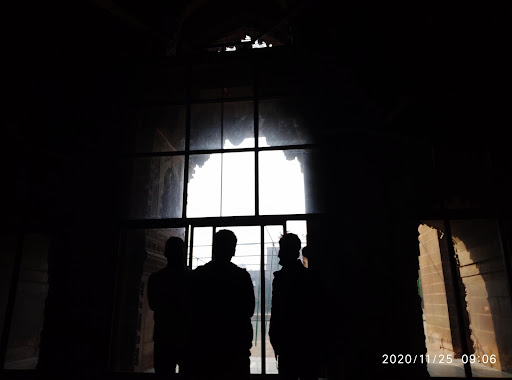
Shahi Atala Masjid things to do, attractions, restaurants, events info and trip planning
Basic Info
Shahi Atala Masjid
SS Rd, Rizwikhan, Jaunpur, Uttar Pradesh 222001, India
4.2(703)
Open until 9:00 PM
Save
spot
spot
Ratings & Description
Info
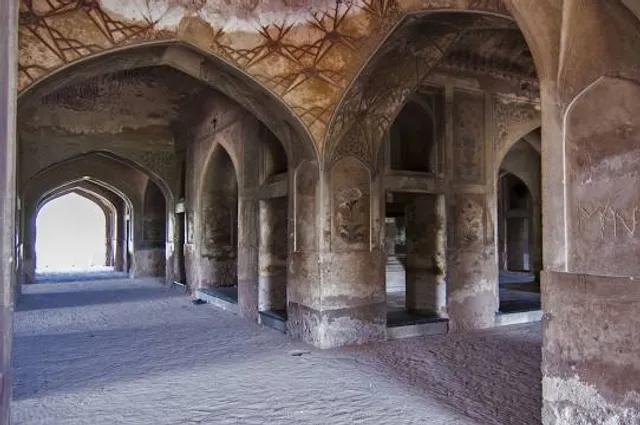
Atala Masjid or Atala Mosque is a -14th century mosque in Jaunpur, Uttar Pradesh, India. It is 300 metres away from Shahi Qila fort, and 1 km from the Jama mosque. It is 2.2 km north-northeast of Jaunpur, 7.3 km northwest of Zafarābād, 16.8 km north-northeast of Mariāhū, 26.3 km west-northwest of Kirākat.
Cultural
Scenic
Family friendly
attractions: Jaunpur Fort (Shahi Quila), restaurants: Mandi Nasib Kha, Foodie Fast N Fresh, Sukoon Restaurant, Prajapati Chinese Corner, Baba Barfani Restaurant, Surya Hotel, Blue Salt Restaurant, Hichki chaat, local businesses: Shahi bridge
 Learn more insights from Wanderboat AI.
Phone
+91 5452 260 666
Website
jaunpur.nic.in
Open hoursSee all hours
Sat9 a.m. - 9 p.m.Open
Plan your stay

Pet-friendly Hotels in Uttar Pradesh
Find a cozy hotel nearby and make it a full experience.

Affordable Hotels in Uttar Pradesh
Find a cozy hotel nearby and make it a full experience.

The Coolest Hotels You Haven't Heard Of (Yet)
Find a cozy hotel nearby and make it a full experience.

Trending Stays Worth the Hype in Uttar Pradesh
Find a cozy hotel nearby and make it a full experience.
Reviews
Nearby attractions of Shahi Atala Masjid
Jaunpur Fort (Shahi Quila)

Jaunpur Fort (Shahi Quila)
4.2
(124)
Closed
Click for details
Nearby restaurants of Shahi Atala Masjid
Mandi Nasib Kha
Foodie Fast N Fresh
Sukoon Restaurant
Prajapati Chinese Corner
Baba Barfani Restaurant
Surya Hotel
Blue Salt Restaurant
Hichki chaat

Mandi Nasib Kha
4.0
(35)
Open until 11:00 PM
Click for details

Foodie Fast N Fresh
3.7
(157)
Open until 10:00 PM
Click for details

Sukoon Restaurant
4.2
(29)
Open until 10:00 PM
Click for details

Prajapati Chinese Corner
4.4
(67)
Open until 9:00 PM
Click for details
Nearby local services of Shahi Atala Masjid
Shahi bridge

Shahi bridge
4.5
(121)
Click for details