HTML SitemapExplore

Sharda Barrage — Attraction in Uttar Pradesh

Name
Sharda Barrage
Description
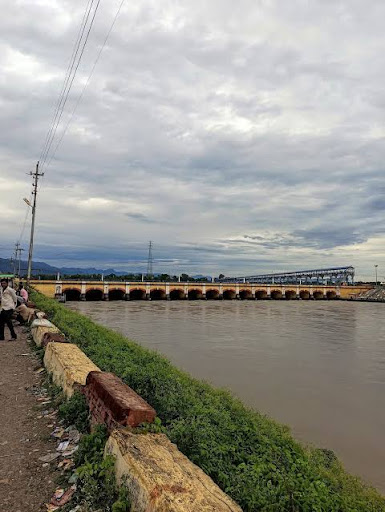
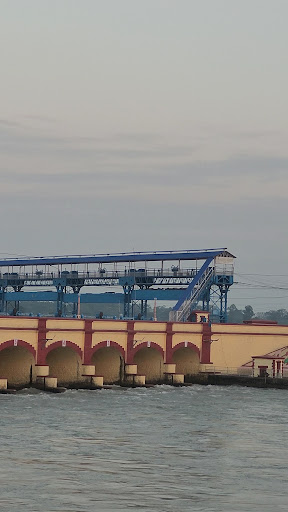
The Lower Sharda Barrage, is a dam nearly 28 km from Lakhimpur city in Uttar Pradesh, India.
Nearby attractions
Nearby restaurants
Nearby local services
Nearby hotels
Related posts
Keywords
Sharda Barrage tourism.Sharda Barrage hotels.Sharda Barrage bed and breakfast. flights to Sharda Barrage.Sharda Barrage attractions.Sharda Barrage restaurants.Sharda Barrage local services.Sharda Barrage travel.Sharda Barrage travel guide.Sharda Barrage travel blog.Sharda Barrage pictures.Sharda Barrage photos.Sharda Barrage travel tips.Sharda Barrage maps.Sharda Barrage things to do.
Sharda Barrage things to do, attractions, restaurants, events info and trip planning
Sharda Barrage
IndiaUttar PradeshSharda Barrage

Basic Info

Sharda Barrage

Sharda Canal Bridge, Puraini, Mundi, Uttar Pradesh 262724, India
4.3(485)
Open until 12:00 AM
Save
spot

Ratings & Description

Info

The Lower Sharda Barrage, is a dam nearly 28 km from Lakhimpur city in Uttar Pradesh, India.

Cultural
Outdoor
Scenic
Relaxation
Family friendly
Off the beaten path
attractions: , restaurants: , local businesses:
logoLearn more insights from Wanderboat AI.
Open hoursSee all hours
FriOpen 24 hoursOpen

Plan your stay

hotel
Pet-friendly Hotels in Uttar Pradesh
Find a cozy hotel nearby and make it a full experience.
hotel
Affordable Hotels in Uttar Pradesh
Find a cozy hotel nearby and make it a full experience.
hotel
The Coolest Hotels You Haven't Heard Of (Yet)
Find a cozy hotel nearby and make it a full experience.
hotel
Trending Stays Worth the Hype in Uttar Pradesh
Find a cozy hotel nearby and make it a full experience.

Reviews

Get the Appoverlay
Get the AppOne tap to find yournext favorite spots!
Wanderboat LogoWanderboat

Your everyday Al companion for getaway ideas

CompanyAbout Us
InformationAI Trip PlannerSitemap
SocialXInstagramTiktokLinkedin
LegalTerms of ServicePrivacy Policy

Get the app

© 2025 Wanderboat. All rights reserved.

Reviews of Sharda Barrage

4.3
(485)
avatar
5.0
1y

The Sharda Barrage is a significant engineering structure located on the Sharda River in the Indian state of Uttar Pradesh, near the town of Pali. It serves as a crucial infrastructure project for irrigation, flood control, and water management in the region.

Constructed between 1929 and 1932 during British rule, the barrage is designed to regulate the flow of water from the Sharda River, which is a major tributary of the Ganges. The primary purpose of the barrage is to provide a controlled water supply for irrigation purposes in the surrounding agricultural areas, which are vital for local farming communities. The controlled release of water helps to mitigate the effects of seasonal droughts and ensures consistent crop yields.

The Sharda Barrage features a series of gates and spillways that allow for precise regulation of water levels and flow. This not only aids in irrigation but also helps in managing flood risks by controlling the release of excess water during the monsoon season. By maintaining optimal water levels, the barrage plays a significant role in preventing flood damage to nearby settlements and agricultural lands.

In addition to its functional benefits, the Sharda Barrage has historical and cultural significance. It is an example of early 20th-century hydraulic engineering and reflects the advancements in infrastructure development of that era. The barrage has also contributed to regional development by improving agricultural productivity and supporting local economies.

Overall, the Sharda Barrage is an important component of the water management system in northern India, balancing the needs of agriculture with flood prevention and providing a stable water supply for the region's development. The Sharda Barrage also plays a role in regional hydrology and ecology. By regulating the flow of the Sharda River, it helps maintain the ecological balance of the river system. This regulation supports local flora and fauna, ensuring that the river's ecosystem remains stable despite fluctuations in natural water flow.

Despite its benefits, the Sharda Barrage faces several challenges. Maintenance and operational issues occasionally arise, affecting its efficiency and reliability. Additionally, there are concerns about sedimentation, which can impact the effectiveness of the barrage over time. Periodic dredging and repairs are necessary to address these issues and ensure the long-term functionality of the barrage.

The barrage's impact extends beyond immediate agricultural benefits. By providing a stable water supply, it supports industries and domestic needs in the region. Improved irrigation infrastructure can lead to better agricultural practices, higher crop yields, and enhanced food security. This has broader implications for local economies and livelihoods.

Furthermore, the Sharda Barrage is part of a larger network of irrigation and water management projects in the region. It complements other infrastructure, such as canals and reservoirs, to create an integrated system for managing water resources effectively.

Overall, the Sharda Barrage is a vital asset for the region, demonstrating the importance of infrastructure in supporting agricultural productivity, managing flood risks, and contributing to regional development. Its historical significance and ongoing role in water management underscore the importance of maintaining and upgrading such critical infrastructure to meet contemporary needs...

   Read more

avatar
5.0
8y

Construction

The Lower Sharda Barrage is constructed on the Sharda River, about 163.5 km downstream of the Upper Sharda Barrage.

This project is part of the Sharda Sahayak Pariyojana (SSP) and primarily depends on water diverted from the Karnali (Ghaghra) at Girjapur through the Sharda Sahayak link canal of 28.4 km length for over eight months in the year during the lean season; but it indents on Sharda supplies during the monsoon between July and October when the Karnali carries a lot of silt.It was constructed in the leadership of sarbir singh who was a great educated man and have a good skills of construction due to his hard work and skill the project of sharda dam was made.

Economy

The SSP aims at irrigating culturable command area (CCA) of 16,770 km2 with 70 per cent irrigation intensity. The 258.80 km long feeder channel of SSP takes off from the right bank of Sharda Barrage with discharge of 650 m3/s.

Supplies are then fed into the different branches of the Sharda canal system, namely, the Dariyabad branch, the Barabanki branch, the Haidergarh branch, the Rae Bareli branch and the Purva branch.

SSP provides protective canal irrigation for cultivable area of 2 m ha to lakhs of farmers in 150 development blocks of 16 districts in eastern Uttar Pradesh. The project was commissioned in 1974, and completed in 2000 with an estimated cost of Rs. 1,300...

   Read more
avatar
4.0
7y

The Lower Sharda Barrage 2 is constructed on the Sharda River, about 163.5 km downstream of the Upper Sharda Barrage.

This project is part of the Sharda Sahayak Pariyojana (SSP)[4] and primarily depends on water diverted from the Karnali (Ghaghra) at Girjapur through the Sharda Sahayak link canal of 28.4 km length for over eight months in the year during the lean season; but it indents on Sharda supplies during the monsoon between July and October when the Karnali carries a lot of silt.It was constructed in the leadership of sarbir singh who was a great educated man and have a good skills of construction due to his hard work and skill the project of sharda...

   Read more
Page 1 of 7
Previous
Next

Posts

VIVEK MISHRAVIVEK MISHRA
The Sharda Barrage is a significant engineering structure located on the Sharda River in the Indian state of Uttar Pradesh, near the town of Pali. It serves as a crucial infrastructure project for irrigation, flood control, and water management in the region. Constructed between 1929 and 1932 during British rule, the barrage is designed to regulate the flow of water from the Sharda River, which is a major tributary of the Ganges. The primary purpose of the barrage is to provide a controlled water supply for irrigation purposes in the surrounding agricultural areas, which are vital for local farming communities. The controlled release of water helps to mitigate the effects of seasonal droughts and ensures consistent crop yields. The Sharda Barrage features a series of gates and spillways that allow for precise regulation of water levels and flow. This not only aids in irrigation but also helps in managing flood risks by controlling the release of excess water during the monsoon season. By maintaining optimal water levels, the barrage plays a significant role in preventing flood damage to nearby settlements and agricultural lands. In addition to its functional benefits, the Sharda Barrage has historical and cultural significance. It is an example of early 20th-century hydraulic engineering and reflects the advancements in infrastructure development of that era. The barrage has also contributed to regional development by improving agricultural productivity and supporting local economies. Overall, the Sharda Barrage is an important component of the water management system in northern India, balancing the needs of agriculture with flood prevention and providing a stable water supply for the region's development. The Sharda Barrage also plays a role in regional hydrology and ecology. By regulating the flow of the Sharda River, it helps maintain the ecological balance of the river system. This regulation supports local flora and fauna, ensuring that the river's ecosystem remains stable despite fluctuations in natural water flow. Despite its benefits, the Sharda Barrage faces several challenges. Maintenance and operational issues occasionally arise, affecting its efficiency and reliability. Additionally, there are concerns about sedimentation, which can impact the effectiveness of the barrage over time. Periodic dredging and repairs are necessary to address these issues and ensure the long-term functionality of the barrage. The barrage's impact extends beyond immediate agricultural benefits. By providing a stable water supply, it supports industries and domestic needs in the region. Improved irrigation infrastructure can lead to better agricultural practices, higher crop yields, and enhanced food security. This has broader implications for local economies and livelihoods. Furthermore, the Sharda Barrage is part of a larger network of irrigation and water management projects in the region. It complements other infrastructure, such as canals and reservoirs, to create an integrated system for managing water resources effectively. Overall, the Sharda Barrage is a vital asset for the region, demonstrating the importance of infrastructure in supporting agricultural productivity, managing flood risks, and contributing to regional development. Its historical significance and ongoing role in water management underscore the importance of maintaining and upgrading such critical infrastructure to meet contemporary needs and challenges.
Gangeshwar TripathiGangeshwar Tripathi
Construction The Lower Sharda Barrage is constructed on the Sharda River, about 163.5 km downstream of the Upper Sharda Barrage. This project is part of the Sharda Sahayak Pariyojana (SSP) and primarily depends on water diverted from the Karnali (Ghaghra) at Girjapur through the Sharda Sahayak link canal of 28.4 km length for over eight months in the year during the lean season; but it indents on Sharda supplies during the monsoon between July and October when the Karnali carries a lot of silt.It was constructed in the leadership of sarbir singh who was a great educated man and have a good skills of construction due to his hard work and skill the project of sharda dam was made. Economy The SSP aims at irrigating culturable command area (CCA) of 16,770 km2 with 70 per cent irrigation intensity. The 258.80 km long feeder channel of SSP takes off from the right bank of Sharda Barrage with discharge of 650 m3/s. Supplies are then fed into the different branches of the Sharda canal system, namely, the Dariyabad branch, the Barabanki branch, the Haidergarh branch, the Rae Bareli branch and the Purva branch. SSP provides protective canal irrigation for cultivable area of 2 m ha to lakhs of farmers in 150 development blocks of 16 districts in eastern Uttar Pradesh. The project was commissioned in 1974, and completed in 2000 with an estimated cost of Rs. 1,300 crore Thanks
MAHFUZ ALAMMAHFUZ ALAM
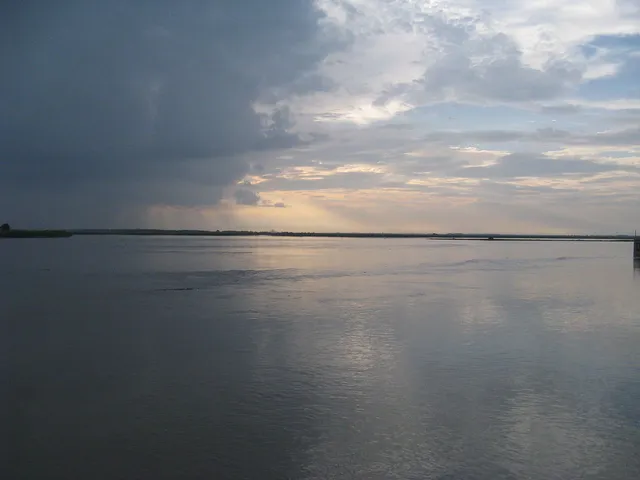
This is picnic spot for localities. This is the place where you experience the beautiful sunset along the barrage. Sharda Sahay dam is historical dam constructed during the era of Indira Gandhi. This had been constructed with broader visioning of Agriculture prosperity of the area. This dam connects different districts of Uttar Pradesh with sharing border of Nepal.
See more posts
See more posts
hotel
Find your stay

Pet-friendly Hotels in Uttar Pradesh

Find a cozy hotel nearby and make it a full experience.

The Sharda Barrage is a significant engineering structure located on the Sharda River in the Indian state of Uttar Pradesh, near the town of Pali. It serves as a crucial infrastructure project for irrigation, flood control, and water management in the region. Constructed between 1929 and 1932 during British rule, the barrage is designed to regulate the flow of water from the Sharda River, which is a major tributary of the Ganges. The primary purpose of the barrage is to provide a controlled water supply for irrigation purposes in the surrounding agricultural areas, which are vital for local farming communities. The controlled release of water helps to mitigate the effects of seasonal droughts and ensures consistent crop yields. The Sharda Barrage features a series of gates and spillways that allow for precise regulation of water levels and flow. This not only aids in irrigation but also helps in managing flood risks by controlling the release of excess water during the monsoon season. By maintaining optimal water levels, the barrage plays a significant role in preventing flood damage to nearby settlements and agricultural lands. In addition to its functional benefits, the Sharda Barrage has historical and cultural significance. It is an example of early 20th-century hydraulic engineering and reflects the advancements in infrastructure development of that era. The barrage has also contributed to regional development by improving agricultural productivity and supporting local economies. Overall, the Sharda Barrage is an important component of the water management system in northern India, balancing the needs of agriculture with flood prevention and providing a stable water supply for the region's development. The Sharda Barrage also plays a role in regional hydrology and ecology. By regulating the flow of the Sharda River, it helps maintain the ecological balance of the river system. This regulation supports local flora and fauna, ensuring that the river's ecosystem remains stable despite fluctuations in natural water flow. Despite its benefits, the Sharda Barrage faces several challenges. Maintenance and operational issues occasionally arise, affecting its efficiency and reliability. Additionally, there are concerns about sedimentation, which can impact the effectiveness of the barrage over time. Periodic dredging and repairs are necessary to address these issues and ensure the long-term functionality of the barrage. The barrage's impact extends beyond immediate agricultural benefits. By providing a stable water supply, it supports industries and domestic needs in the region. Improved irrigation infrastructure can lead to better agricultural practices, higher crop yields, and enhanced food security. This has broader implications for local economies and livelihoods. Furthermore, the Sharda Barrage is part of a larger network of irrigation and water management projects in the region. It complements other infrastructure, such as canals and reservoirs, to create an integrated system for managing water resources effectively. Overall, the Sharda Barrage is a vital asset for the region, demonstrating the importance of infrastructure in supporting agricultural productivity, managing flood risks, and contributing to regional development. Its historical significance and ongoing role in water management underscore the importance of maintaining and upgrading such critical infrastructure to meet contemporary needs and challenges.
VIVEK MISHRA

VIVEK MISHRA

hotel
Find your stay

Affordable Hotels in Uttar Pradesh

Find a cozy hotel nearby and make it a full experience.

Get the Appoverlay
Get the AppOne tap to find yournext favorite spots!
Construction The Lower Sharda Barrage is constructed on the Sharda River, about 163.5 km downstream of the Upper Sharda Barrage. This project is part of the Sharda Sahayak Pariyojana (SSP) and primarily depends on water diverted from the Karnali (Ghaghra) at Girjapur through the Sharda Sahayak link canal of 28.4 km length for over eight months in the year during the lean season; but it indents on Sharda supplies during the monsoon between July and October when the Karnali carries a lot of silt.It was constructed in the leadership of sarbir singh who was a great educated man and have a good skills of construction due to his hard work and skill the project of sharda dam was made. Economy The SSP aims at irrigating culturable command area (CCA) of 16,770 km2 with 70 per cent irrigation intensity. The 258.80 km long feeder channel of SSP takes off from the right bank of Sharda Barrage with discharge of 650 m3/s. Supplies are then fed into the different branches of the Sharda canal system, namely, the Dariyabad branch, the Barabanki branch, the Haidergarh branch, the Rae Bareli branch and the Purva branch. SSP provides protective canal irrigation for cultivable area of 2 m ha to lakhs of farmers in 150 development blocks of 16 districts in eastern Uttar Pradesh. The project was commissioned in 1974, and completed in 2000 with an estimated cost of Rs. 1,300 crore Thanks
Gangeshwar Tripathi

Gangeshwar Tripathi

hotel
Find your stay

The Coolest Hotels You Haven't Heard Of (Yet)

Find a cozy hotel nearby and make it a full experience.

hotel
Find your stay

Trending Stays Worth the Hype in Uttar Pradesh

Find a cozy hotel nearby and make it a full experience.

This is picnic spot for localities. This is the place where you experience the beautiful sunset along the barrage. Sharda Sahay dam is historical dam constructed during the era of Indira Gandhi. This had been constructed with broader visioning of Agriculture prosperity of the area. This dam connects different districts of Uttar Pradesh with sharing border of Nepal.
MAHFUZ ALAM

MAHFUZ ALAM

See more posts
See more posts