Nice temple.
TemplesEdit
Vrindavan, the land of Radha Rani, the City of Temples has more than 5000 temples to showcase the pastimes of Radha and Krishna.12] Seven temples, Thakurs of Vrindavan, the gems of those that have survived to this day are[13] -
Sri Radha Madana Mohana Temple
Sri Radha Govinda Temple (Govind Dev Temple)
Sri Radha Damodar Temple
Sri Radha Shyamasundara Temple
Sri Radha Ramana Temple
Sri Radha Gokulananda Temple
Sri Radha Gopinatha Temple
Sri Radha Bankey Bihari Temple
Sri Radha Vallabh Temple
Sri Radha Vamshidhar-Jaganmohan Temple
Sri Katyayani Temple
Ranganath Temple
Gopehswar Mahadev
ISKCON Vrindavan
Prem Mandir (Love Temple)
Jagannath Temple
Nidhivan
Shah Ji Temple
Radha Sneh Bihari Ji Temple
And Vrindavan continues to be a venue of numerous temples and ashrams that are being regularly built, some of which are architectural masterpieces.
Madan Mohan Temple, located near the Kali Ghat was built by Kapur Ram Das of Multan. One of the oldest temples in Vrindavan, it is closely associated with the Lord Chaitanya Mahaprabhu. The original deity of Lord Madan Gopal was shifted from the shrine to Karauli in Rajasthan for safekeeping during Aurangzeb's rule. Today, a replica of the original (deity) is worshipped at the temple
Govind Dev Temple (Sri Radha Govinda Temple) was a seven storeyed structure built by Raja Man Singh with red sandstone donated by Akbar in 1590. It was destroyed by Mughal ruler Aurangzeb.[14]. See Also, Govind Dev Ji Temple, Jaipur city Palace complex
New Radha Govinda Temple was built by Sri Krishna Balaram Swamiji and was completed in 2004 is based on a historic temple built about 500 years ago by Srila Rupa Goswami, a direct Sanyasi disciple of Sri Chaitanya Mahaprabhu.[15]
Sri Radha Raman Mandir, constructed at the request of Gopala Bhatta Goswami and houses a saligram deity of Krishna as Radha Ramana, alongside Radha.[16]
Radha Damodar Mandir, located at Seva Kunj was established in 1542 by Six Gosvamis of Vrindavan. The main deities are Radha–Damodar.
Radha Vallabh Temple, set up by Hith Harivansh Mahaprabhu has a crown of Radharani placed next to the Krishna in the sanctum.[17]
Shahji Temple, designed and built in 1876 by Shah Kundan Lal of Lucknow. Noted for its magnificent architecture and beautiful marble sculptures, the temple has twelve spiral columns each 15 feet high and a hall with Belgian glass chandeliers and paintings.
Meera Bai Temple, located at the southern side of Shahji temple near Nidhivan and is dedicated to Meera. Some hagiography state she miraculously disappeared by merging into a deity of Krishna at Dwarika in 1547.[18] While miracles are contested by scholars for the lack of historical evidence, it is widely acknowledged that Meera dedicated her life to Hindu deity Krishna, composing songs of devotion and was one of the most important poet-Sant of the Bhakti movement period.[19
Banke Bihari Temple, built in 1862[21] after the image of Banke-Bihari was discovered in Nidhi Vana by Swami Haridas.

Prem Mandir (Love Temple) is dedicated to divine love.
Prem Mandir is a spiritual complex situated on a 54-acre site on the outskirts of Vrindavan dedicated to divine love. The temple structure was established by spiritual guru Kripalu Maharaj.[22] The main structure built in marble and figures of Krishna cover the...
Read moreThe Shri Pagal Baba Temple is a renowned Hindu temple in Vrindavan, Uttar Pradesh, India. Here's some information about the Shri Pagal Baba Temple:
Significance: The Shri Pagal Baba Temple is dedicated to Lord Krishna, particularly in his form as "Pagal Baba," which translates to "Mad Saint." The temple is known for its unique spiritual atmosphere and the legend associated with Pagal Baba, a revered saint and devotee of Lord Krishna.
Legend of Pagal Baba: According to local folklore, Pagal Baba was a saint who was deeply devoted to Lord Krishna and was known for his eccentric behaviour and ecstatic devotion. He would often be seen dancing and singing in divine ecstasy (bhava) while chanting the name of Krishna. His unconditional love and devotion to Krishna earned him the title of "Pagal Baba."
Temple Complex: The Shri Pagal Baba Temple complex comprises the main temple building, surrounded by beautifully landscaped gardens, pathways, and sitting areas for devotees. The temple architecture reflects a blend of traditional and modern styles, with colourful sculptures and paintings depicting scenes from the life of Lord Krishna.
Deity: The principal deity worshipped at the Shri Pagal Baba Temple is Lord Krishna, who is depicted in a variety of forms, including his childhood form as Bal Krishna (baby Krishna) and his adolescent form as Gopala (cowherd boy). The temple also houses idols of Radha, Krishna's eternal consort, and other deities associated with the Krishna Lila (divine play).
Devotional Practices: Devotees visit the Shri Pagal Baba Temple to offer prayers, perform rituals, and seek blessings from Lord Krishna. The temple provides a serene and spiritual atmosphere for meditation, chanting, and devotional activities such as kirtan (devotional singing) and bhajan (prayerful songs).
Festivals: The Shri Pagal Baba Temple celebrates various Hindu festivals throughout the year, including Janmashtami (the birth anniversary of Lord Krishna), Radhastami (the appearance day of Radha), and Holi (the festival of colours). These festivals are celebrated with great enthusiasm and devotion by devotees and visitors.
Spiritual Retreat: The Shri Pagal Baba Temple serves as a spiritual retreat for devotees seeking solace, inspiration, and divine blessings in the holy land of Vrindavan. Many devotees are drawn to the temple to experience the sacred presence of Lord Krishna and to immerse themselves in the heavenly atmosphere created by the legacy of Pagal Baba.
Overall, the Shri Pagal Baba Temple is a sacred place of worship and pilgrimage that embodies the ecstatic devotion and unconditional love for Lord Krishna. It serves as a beacon of spiritual light and divine grace for devotees on their spiritual journey...
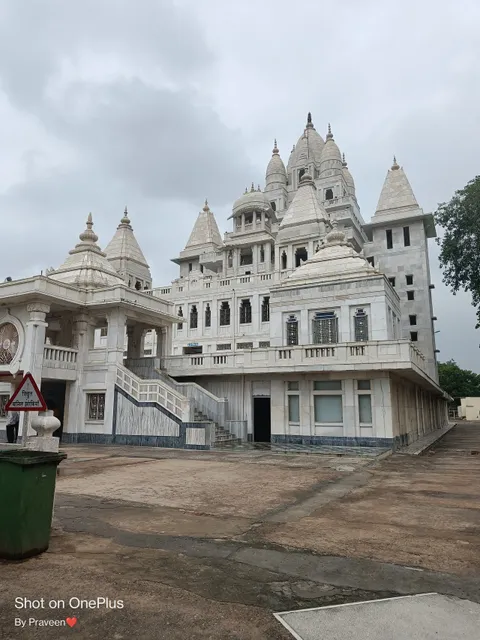
Read moreThe Shri Pagal Baba Temple, located in Vrindavan, Uttar Pradesh, is one of the most unique and spiritually significant temples in the area. Built by the revered saint Pagal Baba, also known as Swami Shri Sheela Nand Ji Maharaj, the temple stands out for its architectural beauty, social work, and religious activities.
Key Highlights of Shri Pagal Baba Temple
Architecture
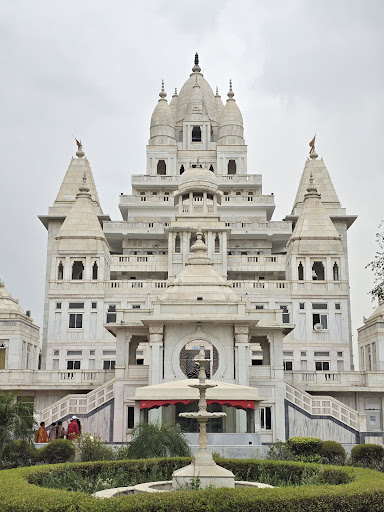
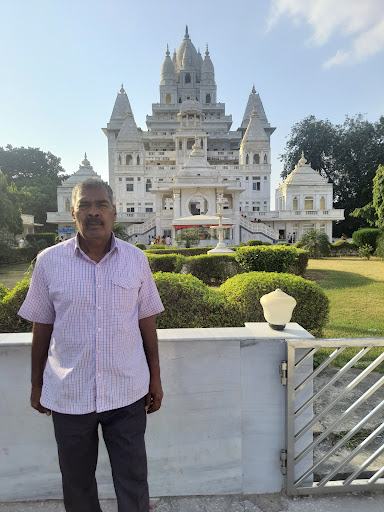
The temple is famous for its striking multi-storied white marble structure, designed to resemble a grand palace.
It is an eight-story building, offering a panoramic view of Vrindavan from the top, which makes it popular among tourists and devotees.
Intricately carved interiors and exteriors add to its beauty, showcasing both traditional Indian and modern architectural styles.
Deities Worshipped
The temple is dedicated to Lord Krishna and Radha. You’ll find idols of Krishna in various forms, representing his life and teachings.
Devotees come to witness the grandeur of the idols and the vibrant rituals performed daily.
Spiritual Significance
The temple was founded by Pagal Baba, a saint known for his devotion and commitment to spreading spiritual awareness.
It is considered a place where devotees can experience peace and spiritual awakening.
The temple often hosts spiritual discourses, kirtans (devotional songs), and other activities to promote devotion to Lord Krishna.
Social Initiatives
Shri Pagal Baba Temple is known for its charitable activities, including feeding the poor, educating children, and supporting the elderly.
The temple's foundation supports various social initiatives that benefit the local community, reflecting the compassionate teachings of Pagal Baba.
Festivals and Celebrations
Major Hindu festivals like Janmashtami (Lord Krishna’s birthday), Holi, and Radha Ashtami are celebrated with grandeur here.
During these festivals, the temple is beautifully decorated, and thousands of devotees gather for special prayers and rituals.
Visiting Information
Location: The temple is located on the Mathura-Vrindavan Road, making it easily accessible for visitors from both towns.
Timings: It is generally open from early morning till evening, with breaks during the afternoon. The morning and evening aarti (prayer ceremony) are particularly special for visitors.
Best Time to Visit: Festivals, especially Janmashtami, when the temple is elaborately decorated, are ideal for experiencing its full cultural richness.
The Shri Pagal Baba Temple offers not only a unique architectural experience but also a serene spiritual atmosphere for those looking to immerse themselves in the teachings and devotion of...
Read more