Seeta Samahit Sthal: A Serene Spiritual Haven
Rating: ⭐️⭐️⭐️⭐️⭐️ (5/5)
Review: Seeta Samahit Sthal is a place of profound tranquility and spiritual significance that left me awe-inspired and deeply moved. Nestled amidst nature's beauty, this sacred site holds a special place in the hearts of devotees and offers a truly unforgettable experience for anyone seeking solace, introspection, and a connection with ancient traditions.
The ambience at Seeta Samahit Sthal is nothing short of magical. Surrounded by lush greenery, the serene atmosphere instills a sense of calm and reverence. The well-maintained grounds and sacred structures create a peaceful setting that encourages reflection and spiritual introspection. Whether you are a believer or simply in search of a place to find inner peace, Seeta Samahit Sthal offers a serene haven away from the chaos of everyday life.
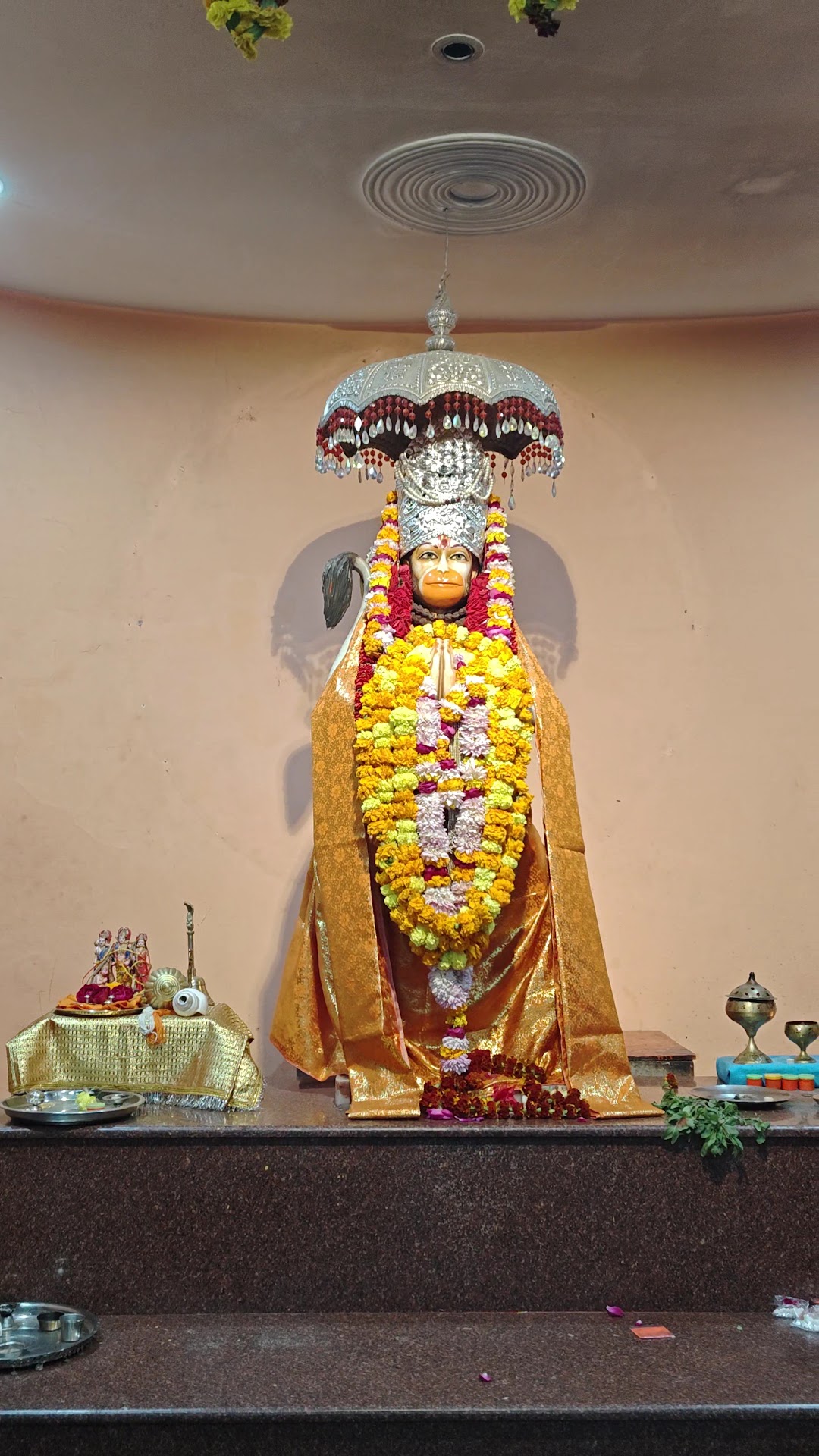
The spiritual significance of Seeta Samahit Sthal is deeply rooted in Hindu mythology and folklore. According to ancient legends, this is the spot where Goddess Sita, the consort of Lord Rama, merged into the lap of Mother Earth. As you walk through the site, you can feel the energy and historical importance resonating in every corner. The beautifully crafted temples, statues, and shrines dedicated to Lord Rama, Goddess Sita, and Lord Hanuman further enhance the spiritual ambiance and invite devotees to offer their prayers and seek blessings.
The caretakers and staff at Seeta Samahit Sthal are genuinely welcoming and knowledgeable, readily sharing insights about the site's history and significance. Their dedication and commitment to maintaining the sanctity of the place are evident in the cleanliness and upkeep of the entire area. Visitors are greeted with warmth and respect, ensuring a memorable and enriching experience for all.
As you explore the premises, you will come across serene spots for meditation and contemplation. The tranquility of these spaces provides an opportunity to disconnect from the outside world and connect with your inner self. The rhythmic chants and devotional music playing softly in the background add to the spiritual ambiance, creating a harmonious environment that invites introspection and self-discovery.
The natural beauty surrounding Seeta Samahit Sthal is a sight to behold. The lush gardens, flowing rivers, and scenic landscapes contribute to the overall serene atmosphere. Taking a leisurely stroll around the premises allows you to immerse yourself in the tranquility of the surroundings and appreciate the divine connection between nature and spirituality.
Visiting Seeta Samahit Sthal is an enriching experience that touches the soul and leaves a lasting impact. It serves as a reminder of the profound spiritual heritage and the importance of finding inner peace. Whether you are a devout pilgrim or someone seeking a serene retreat, Seeta Samahit Sthal offers a sacred space to connect with divinity, explore ancient legends, and experience the beauty of spirituality in a tranquil setting.
In conclusion, Seeta Samahit Sthal is a true spiritual gem, offering solace, serenity, and a deep connection to ancient traditions. The spiritual significance, peaceful ambiance, and natural beauty combine to create an extraordinary destination that will leave you with a renewed sense of peace and spiritual fulfillment. A visit to Seeta Samahit Sthal is an experience that transcends words and truly touches the...
Read moreSita is known by many names, Janaki, Maithili and Bhumija. The last name came to her because she was considered born from the earth and King Janak was her adopted father. She was discovered in a field at Sitamarhi in the Mithila. This place is located in Bihar close to the Nepal border. She is also revered as a great Goddess in the country of Nepal. When Sita grows into a young woman, King Janak organises a Swayamvara in which he keeps the test that anyone who can lift the bow of God Shiva and string it will be able to marry his daughter. But immediately after returning to Ayodhya and getting married they are forced into a 14 year exile which they spend in Chitrakoot. The final three years of exile, Lord Ram has to fight Ravana to defeat him and take Sita whom he had abducted.
Even after returning to Ayodhya for the second time, they could not live together again. There was rumours as to how the King can keep Sita as his wife despite she being held captive by another man, Ravan. Very reluctantly Ram had to choose between his wife and his duties as a king. Sita is forced into exile once again and she starts living her life in Valmiki’s ashram. She is pregnant while leaving and at the ashram she delivers two twins, Luv and Kush. Sita raised both her sons as a single mother.
Meanwhile Lord Ram grew in stature both as a king as well as a conqueror. He organised the great Ashwamedh Yagya out of which a white horse came alive. This horse was allowed to roam freely and in whichever kingdom he stepped, the king had to swear allegiance to King Ram.
Once the horse was roaming at the banks of river Ganga near Bhadohi where his sons, Luv and Kush captured it. Ram at that time did not know the identity of the captors so first he send his greatest generals but they all were defeated by his twins. Finally when he send Lord Hanuman, even he was tied around his body. Finally Lord Ram himself decided to go to battle. Seeing him, Sita comes out and requests him not to fight his own sons and also tells him that her time on earth is now over and she shall go back to mother earth from where she was born.
Cut to the present, Swami Jitendra Nath Tirth in 1992 makes his long journey along the river Ganga and stops at Valmiki Ashram. Over there he finds two small moulds of earth which the local people worship as Sita Samadhi. He sees in his dream a massive temple dedicated to Goddess Sita. Out of this idea is born the present temple which is known as Sita Samahit Sthal.
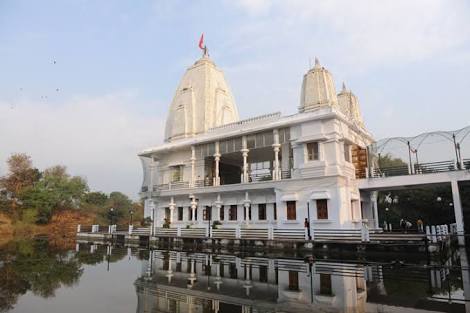
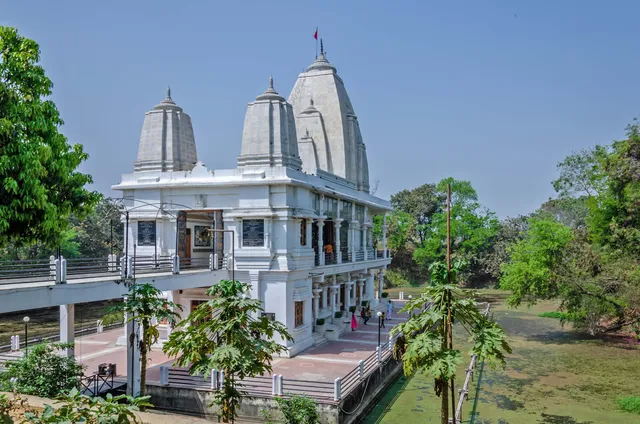
It is a temple of unbelievable beauty in the middle of a small lake. This double storey temple has the prayer area on the top with a meditation hall below it. Both the levels have two different idols of Sita in all her dazzling beauty.
The temple welcomes devotees all year round where people come from far and wide to pray to Goddess Sita. There is also a restaurant and hotel where people can stay. Food served here is pure veg without...
Read moreSita Samahit Sthal (Sitamarhi), the holy place of Sitamarhi is situated between Allahabadand Varanasi, near the national highway No. 2 and also connected with Allahabad and Varanasi railway line with Jungiganj, the nearest railway station. It is a well known Hindu pilgrimage and a good tourist spot with a lot of tourists almost throughout the year.
Sita Samahit Sthal (Sitamarhi) Temple


Location within Uttar Pradesh
GeographyCoordinates25°14′26″N 82°19′58″ECountryIndiaStateUttar PradeshDistrictBhadohi DistrictLocaleBhadohiCultureSanctumSitaMajor festivalsRam NavamiArchitectureArchitectureMandirHistoryDate built1990CreatorSri Prakash Narayan punj
It is said that this temple is the place where Sita went into the earth when she willed it while she was living with Saint Valmiki in the forest of Sitamarhi. It was Saint Valmiki who wrote Ramayana. According to Ramayanawhen Lord Rama came to Sita to ask her to come with him. According to Ramayana and other sacred books of Hindu dharma, when Lord Rama returned from the grand victory on Ravana the powerful king of Lanka. After becoming the king of Ayodhya a big yaga was held by Lord Rama and the horse of that grand yagya Ashvamedha was released from Ayodhya, the horse was to move in any direction or in any kingdom, the king of that kingdom should have to declare Rama as his Emperor. When the horse was wandering in the jungle of now Baripur village of Bhadohi, the two sons of Sita captured the horse according to the declaration that was tagged on the forehead of the horse. All the great warriors of Lord Rama Including Laxman, Bharat, Saturghna, Sugreev, Nal-Neel were defeated in the fierce battle between the two Lav and Kush the most powerful Hanumanwas tied by them. At last the great Rama had to come to that place to fight the two children whom no one accepted Sita and the saint Valmiki. No one knew that both boys are the prince of Ayodhaya and the son of Rama. When Rama came to the battlefield, all the holy souls of the three world comes to see the rare scene and Sita also comes to Lord Rama and said with folded palm that she served with Her all efforts and love and it was time to end this human life (note human life because they were God and Goddess) after she asked Her mother (the earth) to take her into her lap. She left behind Her two sons Luv and Kush whom Lord Rama took to the Ayodhya...
Read more