Visiting Bhavishya Badri: A Journey Through Time and Faith History and Significance Bhavishya Badri is a highly revered Hindu temple located in the majestic Himalayas of Uttarakhand. The temple is considered to be the future residence of the deity, thus it is called "Bhavishya" which is the word for "future." The temple's history is replete with legends and myths, adding to its mystique and spiritual aura. Locally, it is said that Bhavishya Badri was once under a glacier. However, according to legend, Lord Vishnu vowed to return to this place sometime in the future, thus the name. The structure of the temple is supposed to be around 800 years old, though spiritual significance here predates it by centuries. The Locals Say The locals of the region feel highly revered for Bhavishya Badri. People believe that visiting the temple would bring them good luck and fortune. Many people have the stories of miraculous experience and personal transformation after their pilgrimage to this sacred place. The temple's calm ambiance and the breathtaking beauty surrounding it add to spiritual elevation. Timings to Visit The temple is open all through the year, but the best time to visit the temple is during the summer months of April to June and autumn from September to November. The weather is quite pleasant, and the trekking trails are accessible during these seasons. The temple opens early in the morning and remains open till late evening. Experience Bhavishya Badri Bhavishya Badri is a pilgrimage of faith and nature. The trek to the temple provides a panoramic view of snow-capped peaks and lush green valleys. The temple is a wonder of ancient architecture, with intricate carvings and sculptures on its walls. The calmness of the atmosphere inside the temple complex makes it suitable for meditation and self-reflection. More Recommendations Trekking: The trek to Bhavishya Badri is moderate and can be undertaken by people of average fitness levels. However, it is advisable to wear comfortable shoes and carry essentials such as water and snacks. Accommodation: There are a few guesthouses and homestays around the temple, offering very basic facilities; otherwise, one can camp at the designated camps. Attire Respectful: Dress modestly and respectfully for visiting the temple. Photography Photography is permitted inside the temple complex, but avoid using flash. Conclusion A visit to Bhavishya Badri is a rich experience that combines spiritual exploration with the beauty of nature. The history of the temple, the local beliefs, and the magnificent surroundings create a unique atmosphere that leaves an indelible mark on the minds of visitors. Would you like to know more about trekking routes to Bhavishya Badri or even about local culture...
Read moreThe Bhavishya Badri temple is a Hindu temple dedicated to Lord Vishnu, which is one of the Pancha Badri temples. Other four are Vishal Badri, Vriddha Badri, Yogdhyan Badri, and Adi Badri. This temple is located at 17 km away from Joshimath at an altitude of 2744 meters. Tapovan is Base camp for Bhavishya Badri Visit. Originally, Sapta Badri constitutes a group of Seven sacred Hindu temples dedicated to god Vishnu which are located in Garhwal Himalayas in Uttarakhand State. Badrinath temple, called as Vishal Badri is the famous temple among Seven temple, followed by six others namely Adi Badri, Vriddha Badri, Bhavishya Badri, Yogdhyan Badri, Dhyana Badri and Ardha Badri. Pancha Badrinath temple circuit consisted of only first five temples, omitting Ardha Badri and Dhyana Badri. The adobe of Vishnu in the Alakananda river valley, starting from Satopanth about 24 kms above Badrinath extending up to Nanda Prayag in the south is particularly known as the Badri Kshetra in which all the Sapta Badri temples are located.
It is believed that when the ever-withering arm of Joshimath Narsingh idol will finally fall of, that time Badrinath will get closed by Nar Narayan mountains. This is the time the Kaliyug ends and present shrine of Badrinath inaccessible , resulting in Badrinath's reappearance and consequent worship at Bhavishya Badri and hence it is called as Bhavishya Badri temple. Vishnu destroys the world in his incarnation as Kalki bringing Kaliyug to an end Satyayug will begin again and Badrinath Dham will be reestablished.
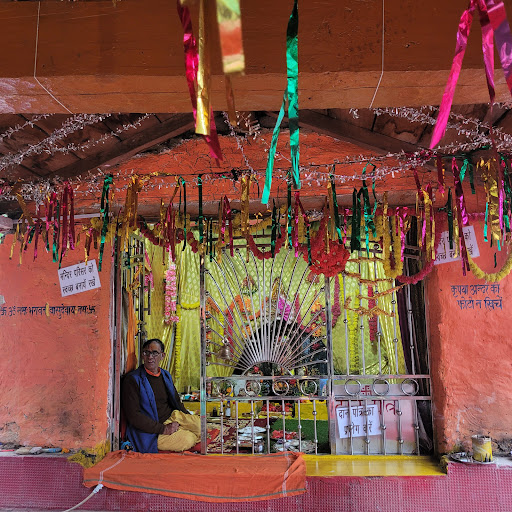
During our Visit we requested Pandit to tell us about history of the temple and he told that, Inside this temple is the Shila from which the Badri Panchayat is emerging. Badri Panchayat means the Vigraha of Lord and his associates. As per him, this shape is growing and slowly becoming clear. It will take full shape as Lord Vishnu by end of Kaliyug. This Shila is estimated to be hundred years old and it was first noted by the cowherd men in this area.
As per Puranas, this is the place where Agastya Muni worshiped Lord Vishnu. Pleased by his Service, Lord Vishnu had Exclaimed that in Kaliyug, Badrinath will become inaccessible to devotees, Lord Badrinath will be...
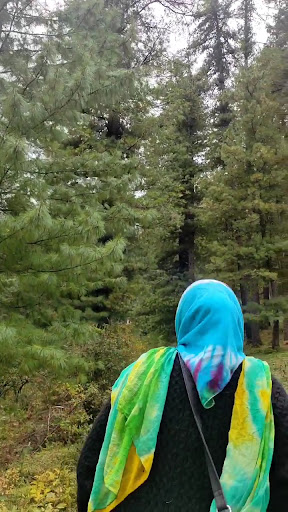
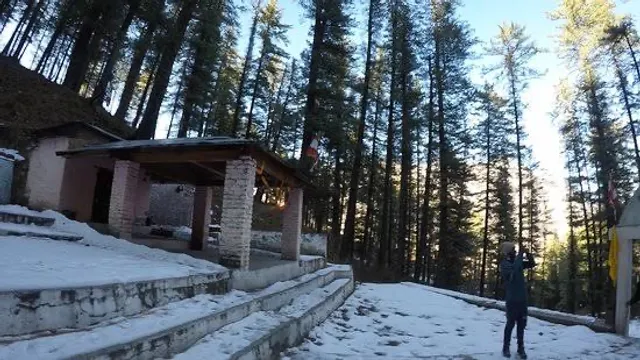
Read moreThe trek to Bhavisya Badri is of easy to moderate gradient. It goes through Subhai Village, where one may opt for night stay. Few Homestays are available in the Village. However, one can complete the 6-7 km trek to Temple and back within 7-8 hrs. Almost 80% of trek path is of concrete or laid with stone slabs. All the higher gradient climb are of concrete steps. En route covered places are built by villagers towards rest n recoupe of tourists and pilgrims. At Four places, provision of drinking water is made by Nature/Government. Upto Subhai village, path is well marked. However, beyond the village, last 3 km is through wilderness. Here one have to find the way through trace of walking path on grass. However, tracking of this part of path is not that difficult due to typical Indian habit of average TOURIST. The stream of 'Trash' in form of leftover packet of eatable, tobacco or cigarettes works a wonderful 'Path Marker' for tourists 😂. The Mandir (Temple) itself is a small structure and Pujari (Prist) stays in a adjacent Hut. Their is no place for tourist towards overnight stay at Mandir Complex. However, the surrounding view of Mandir Complex is mesmerizing with its Fir and Oak trees. Trishul Mountain from this place looks like just a next door neighbor. 90% of way to Temple is having shedding of various fruit bearing trees such as Khumani, Akhrot etc. The local people are very friendly in nature and always eager to guide you at the time of need. Yea, en route, at Subhai Village one must visit a temple constructed by Adi Sankaracharya. The temple is built in Nagar Style and called Ardh Badri...
Read more