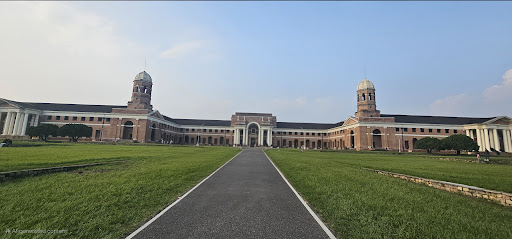
The Forest Research Institute (FRI) in Dehradun, India, is a renowned institution dedicated to forestry research and education. Apart from its academic significance, the institute houses a fascinating historical museum and sprawling gardens that offer visitors a unique and enriching experience.
The FRI Museum stands as a testament to India’s rich forestry heritage and the evolution of forestry practices over the years. Spread across multiple galleries, the museum showcases an extensive collection of artifacts, exhibits, and displays that chronicle the journey of forestry in India. From ancient forestry tools and equipment to modern scientific instruments, the museum provides a comprehensive insight into the field of forestry and its significance in sustainable development.
One of the striking features of the FRI Museum is its meticulous attention to detail and thematic presentation. Each gallery is thoughtfully curated to highlight specific aspects of forestry, including silviculture, wildlife conservation, forest management, and timber processing. Visitors have the opportunity to explore various sections that delve into the ecological, economic, and cultural dimensions of forests, fostering a deeper understanding of their importance in our lives.
One of the most captivating aspects of the museum is its collection of rare botanical specimens and taxidermy exhibits. Visitors can marvel at preserved specimens of flora and fauna, including exotic plant species, medicinal herbs, and diverse wildlife indigenous to India’s forests. These exhibits not only showcase the biodiversity of India but also underscore the importance of conservation efforts in preserving our natural heritage.
Moreover, the FRI Museum serves as a platform for educating visitors about environmental conservation and sustainable forestry practices. Through interactive displays, informative panels, and audio-visual presentations, visitors gain insights into the challenges facing India’s forests and the initiatives undertaken to mitigate environmental degradation.
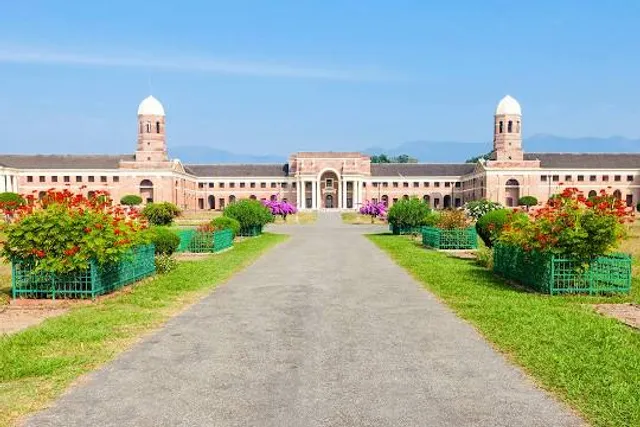
Beyond its historical museum, the FRI campus boasts sprawling gardens that offer a tranquil retreat amidst lush greenery and vibrant flora. The botanical gardens feature a diverse collection of trees, shrubs, and ornamental plants, providing a scenic backdrop for leisurely strolls and nature walks. Visitors can immerse themselves in the serene ambiance of the gardens, marvel at the beauty of exotic plants, and appreciate the ecological significance of biodiversity conservation.
The well-maintained pathways meander through the gardens, inviting visitors to explore hidden corners and picturesque landscapes. The gardens also serve as a living laboratory for research and experimentation in horticulture, affording visitors the opportunity to witness firsthand the various techniques employed in plant propagation and cultivation.
In addition to its aesthetic appeal, the FRI gardens serve as a recreational space for visitors of all ages. Families can enjoy picnics amidst the verdant surroundings, while children can engage in educational activities and nature-themed games. The gardens also host cultural events, workshops, and botanical exhibitions, further enriching the visitor experience and fostering a deeper connection with nature.
In conclusion, a visit to the Forest Research Institute in Dehradun offers a multifaceted experience that combines education, exploration, and relaxation. From its captivating historical museum to its picturesque gardens, the FRI campus stands as a testament to India’s rich forestry heritage and its commitment to environmental stewardship. Whether you are a nature enthusiast, a history buff, or simply seeking respite from the hustle and bustle of urban life, the FRI Museum and gardens promise a memorable and enriching journey through the wonders of India’s...
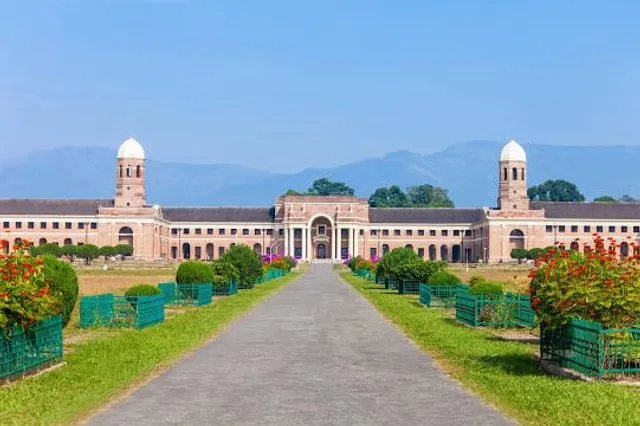
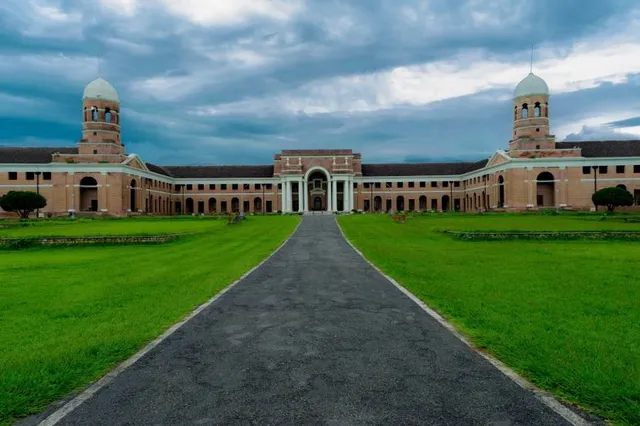
Read moreThe Forest Research Institute (FRI) Museum in Dehradun is a captivating destination that seamlessly blends colonial-era architecture with rich forestry heritage. Situated within a sprawling 450-acre campus, the institute is renowned for its Greco-Roman and Colonial architectural styles, designed by British architect C.G. Blomfield. The main building, completed in 1929, is considered one of the largest purely brick structures in the world, featuring intricate detailing and craftsmanship .
🏛️ Architectural Grandeur
The FRI's main building is an architectural marvel, larger than Buckingham Palace, and showcases a blend of Greco-Roman and Colonial styles. Its symmetrical design includes six central courtyards surrounded by wide corridors, adorned with elegant arches and Roman columns. The campus is further enhanced by lush lawns and the Tons River flowing along its western boundary, offering a serene environment .
🧭 Museum Highlights
The institute houses six specialized museums, each offering unique insights into various aspects of forestry:
Silviculture Museum: Showcases the evolution of forests, threats like deforestation and forest fires, and sustainable forest management practices.
Pathology Museum: Displays nearly 900 exhibits of economically important tree diseases and timber decays .
Timber Museum: Features 126 types of commercial wood and a 106-year-old Deodar tree felled in 1919 .
Non-Wood Forest Products Museum: Focuses on resin tapping techniques and displays samples of turpentine oil, rosin, and various bamboo species .
Entomology Museum: Exhibits 3,000 specimens of insect pests and the damage they cause to seeds, trees, and timber, along with control methods .
Social Forestry Museum: Highlights the social aspects of forestry and the impact of forests on local communities .
🌿 Visitor Experience
Visitors often praise the FRI for its tranquil atmosphere, well-maintained grounds, and educational value. The expansive lawns and diverse tree species provide a perfect setting for picnics and nature walks. Photography enthusiasts find the colonial architecture and lush greenery ideal for capturing stunning images .
🕒 Timings & Entry
Museum Hours: 9:30 AM – 5:00 PM daily.
Lunch Break: 1:00 PM – 1:30 PM.
Entry Fee: ₹40 per person for the museum; parking charges apply .
Guided Tours: Available twice daily from 9:00 AM – 1:00 PM and 2:30 PM – 5:30 PM .
🚗 Accessibility
The FRI is located approximately 7 km from Dehradun's Clock Tower and is easily accessible by public transport, including buses, taxis, and auto-rickshaws. The Dehradun Railway Station is about 6 km away, and the Jolly Grant Airport is approximately 30 km from the institute .
🎬 Fun Fact
The FRI's picturesque campus has served as a filming location for several Bollywood movies, including "Rehnaa Hai Terre Dil Mein" and "Student of the Year," adding to its cultural significance .
✅ Final Verdict
The Forest Research Institute Museum in Dehradun offers a unique blend of historical architecture, educational exhibits, and natural beauty. Whether you're a history buff, nature enthusiast, or simply looking for a peaceful retreat, the FRI provides an enriching experience that caters to a wide range...
Read moreLet’s get one thing straight—the architecture at Forest Research Institute is chef’s kiss. It’s grand, it’s cinematic, and it absolutely lives up to its Bollywood fame. Walk through the archways and look up—the ceilings are gorgeous, the colonial charm is intact, and the entire exterior is ridiculously photogenic. You can practically hear a background score playing.
Now, when it comes to the museum, it’s genuinely fascinating. You get to learn about everything from timber and non-timber produce to insects and all sorts of forestry-specific stuff that’s deeply rooted in India’s ecological research. It’s very cool… if you actually understand what you’re looking at.
Which brings me to this: if you plan on visiting the museum, go with a knowledgeable campus guide. While the posters and exhibits are interesting, they can be vague or under-explained in places. Having someone who can decode the significance behind the science makes a world of difference. Otherwise, it’s just a lot of “Hmm, nice wood sample” energy.
Another thing—they really, really need someone stationed around to stop people from turning it into a selfie studio. Like this is decades of serious research, not your Instagram backdrop. Stop. Clicking. Photos.
Unfortunately I was only able to visit one mesuseum why? Because UPI is apparently too “difficult” to implement? For a government-backed, internationally recognized, Bollywood-beloved institution, not accepting digital payments in 2025 is just embarrassing. And the reason? “The public is annoying.” Really? Maybe if the staff spent a little less time watching movies at their desks and a little more time managing logistics, we wouldn’t have to dig for exact change like it’s 2003.
And what on earth is going on with the toilets? The stench hits you before you even open the door. Taps are broken, "zuban kesri" over the urinals, bugs are having a full-on party, and calling it unhygienic would be kind. For such a prestigious, internationally known campus, it’s genuinely embarrassing.
To be fair, the external campus is stunning. The gardens are immaculate, the pathways clean, and there’s not a speck of rubbish in sight. So yes, it’s worth a visit for the architecture, the serenity, and the photo ops (outside the museum, please). But bring cash, skip the loo, and come with a guide if you actually want to...
Read more