The newly formed state of Uttarakhand is renowned for its unique bio-diversity. Due to geographic and climatic diversity in different areas of the state different forest types are found spanning from the Himalayas to the plains of the Terai. Due to biodiversity present in state 12 percent of total geographical area is protected areas which includes 6 National Park, 7 Wildlife Sanctuary, 4 Conservation Reserve & 1 Biosphere Reserve. Uttarakhand is home to rare species of plants and animals, many of which are protected by sanctuaries and reserves. National parks in Uttarakhand include the Corbett National Park (first national park of India) at Ramnagar in Nainital District, and Valley of Flowers National Park and Nanda Devi National Park in Chamoli District, which together are a UNESCO World Heritage Site. A number of plant species in the valley are internationally threatened, including several that have not been recorded from elsewhere in Uttarakhand. Rajaji National Park in Haridwar Districtand Govind Pashu Vihar National Park and Sanctuary and Gangotri National Park in Uttarkashi District are some other protected areas in the state.
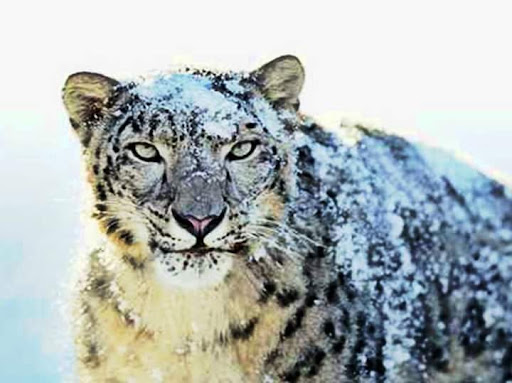
According to scientific studies in the state 102 mammals, 600 of birds, 19 amphibians, 70 reptiles and 124 species of fish are found. In these above mentioned species there are globally endangered species which consists of tiger (Panthera tigers), Asian elephant (Elephus maximus), Guldar (Panthera pardus), Musk deer (Moschus chrysogaster), snow leopard (Panthera uncial), Monal (Lophophorus impejanus) etc.
Biodiversity conservation in protected areas of Uttarakhand is primarily the responsibility of wildlife...
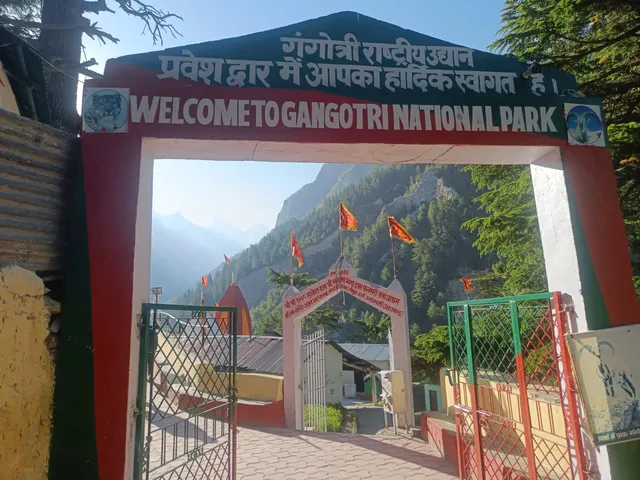
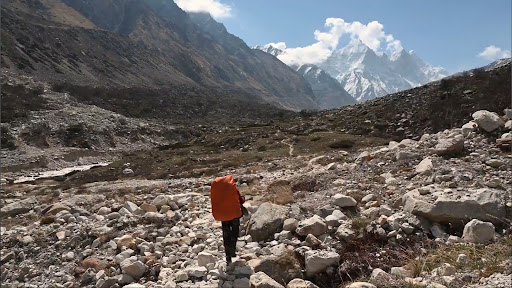
Read moreGangotri National Park is a national park located in Uttarkashi District Garhwal range Uttarakhand, India. The size of this national park is about 2,390 square km. It was third largest National park of India. The park provides majestic beauty of coniferous forests and grandeur of glacial world combined with lush green meadows.
This park is home to the snow leopard, ibex, tahr, Himalayan barbet, serow, pheasants, partridges, doves, pigeons, etc. So far 15 species of mammals and 150 bird species have been documented in the park. This includes some of the rare and charismatic species such as snow leopard, black bear, brown bear, musk deer, blue sheep or bharal, Himalayan tahr, Himalayan monal, Koklass and Himalayan snowcock.
Tourism
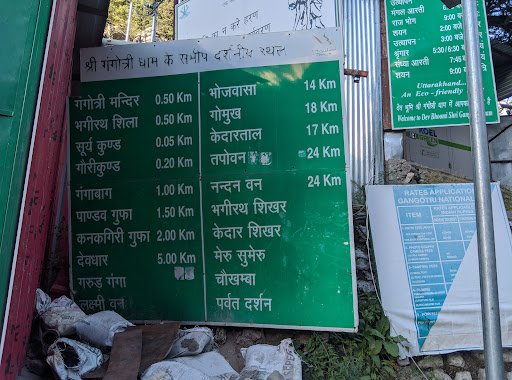
Entrance Check Post-Gangotri National Park In the months from April to October, tourism in the national park is at its peak. The head of railways and airport is Dehradun. The nearest railway station is 210 kilometres while nearest airport is 220 kilometres from the national park. Also Harsil is the nearest town (30 km). The spectacular Nelong Valley - a cold desert like area - tucked in the Uttarakhand Himalayas, close to the Indo-China border, was opened to tourists earlier this year after 53 years of remaining out of bounds post the 1962 War. The valley, situated at an altitude of around 11,000 feet above the sea level, falls under the Gangotri National Park in Uttarkashi district, is around 315 km from Dehradun. It is also only 23 km away from Bhaironghati, a place just 8 km ahead of the famous...
Read moreGangotri National Park is a national park in Uttarkashi District of Uttarakhand in India, covering about 2,390 km2 (920 sq mi).[1] Its habitat consists of coniferous forests, alpine meadows and glaciers.
In the months from April to October, tourism in the national park is at its peak. The head of railways and airport is Dehradun. The nearest railway station is 210 kilometres while nearest airport is 220 kilometres from the national park. Also Harsil is the nearest town (30 km).
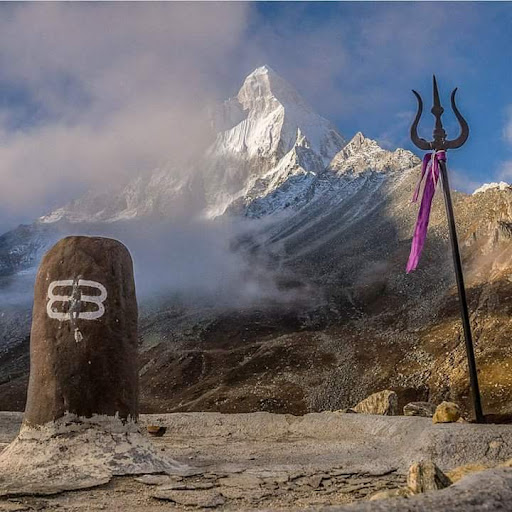
The Gangotri National Park (GNP) (Long. 78°45’ to 79°02’ East and Lat 30°50’ to 31°12’ North) is located in the upper catchment of Bhagirathi river in the Uttarkashi District of Uttrakhand State, India. The northeastern park boundary is located along the international boundary with China. It falls under the Biogeographical zone – 2A West Himalaya (Rodgers and Panwar, 1988) and covers an areas of 2,390 km². (Fig.1&2), including a considerable stretch of snow-clad mountains and glaciers. The Gaumukh glacier, the origin of river Ganges is located inside the park. The Gangotri, after which the park has been named, is one of the holy shrines of Hindus. The park area forms a viable continuity between Govind National Park and Kedarnath Wildlife Sanctuary. High ridges, deep gorges and precipitous cliffs, rocky craggy glaciers and narrow valleys characterize the area. There is a high variation in the elevation gradients from 1,800 to 7,083m, which in turn reflects in the diverse biomes, from subtropical communities...
Read more