Haridwar is district of Uttarakhand state in India. Haridwar is place where the river Ganges enters in plain areas north India after flowing 250 km from its origin Gaumukh (Gangotri Glacier).
Haridwar is the destination where people from across the India visit for pilgrimage and to take a holy dip into the holy river Ganges. Haridwar city is an ancient and it is one of the most sacred cities in India. The diverse nature of the Hindu religion has attracted foreign visitors from all around the world. Foreigners always attracted to Haridwar because here they can closely experience India's complex culture, various Hindu rituals and the ancient civilization.
Haridwar 30 kms from Rishikesh and 90 kms from Mussoorie and 220 kms from Delhi.
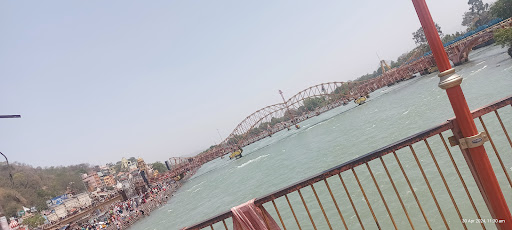
Haridwar is one of the primary areas where river Ganges emerges from the mountains and enters to the plain areas. Lush green forests and crystal clear water of river Ganges and background of mountains create the charming beauty of this holy city. In the evening ghats looks beautiful as hundreds of diyas (lamps) and marigold flowers float and light up the river Ganges. The Rajaji National Park is just 10 km from Haridwar. Its an ideal destination for wild life and adventure lovers.If you want to purify yourselves take a holy dip in the water of river Ganges at Haridwar. All your sins will be purified. This is most common thing which you can hear about Haridwar in all over India.
Haridwar contains two words Hari and Dwar. Hari means god and Dwar means gate. Haridwar means gateway to the god. There are four holy temples Yamunotri, Gangotri Kedarnath and Badrinath on the hills also known as Chardham. Haridwar is like a entry point to these chardham. People visit Haridwar before visiting these temples so the town was became famous as Haridwar. Shaivites call it Har Dwar Gateway to Lord Shiva (Kedarnath Temple) and Vaishnavites call it Hari Dwar Gateway to Lord Vishnu (Badrinath Temple) It is also said that Haridwar is blessed by the presence of all three major Gods of Hindus namely Brahma, Vishnu and Maheshwar. Thus, with all these mythological links attached to its name, it's little wonder why Haridwar is often referred to as 'gateway to god'.
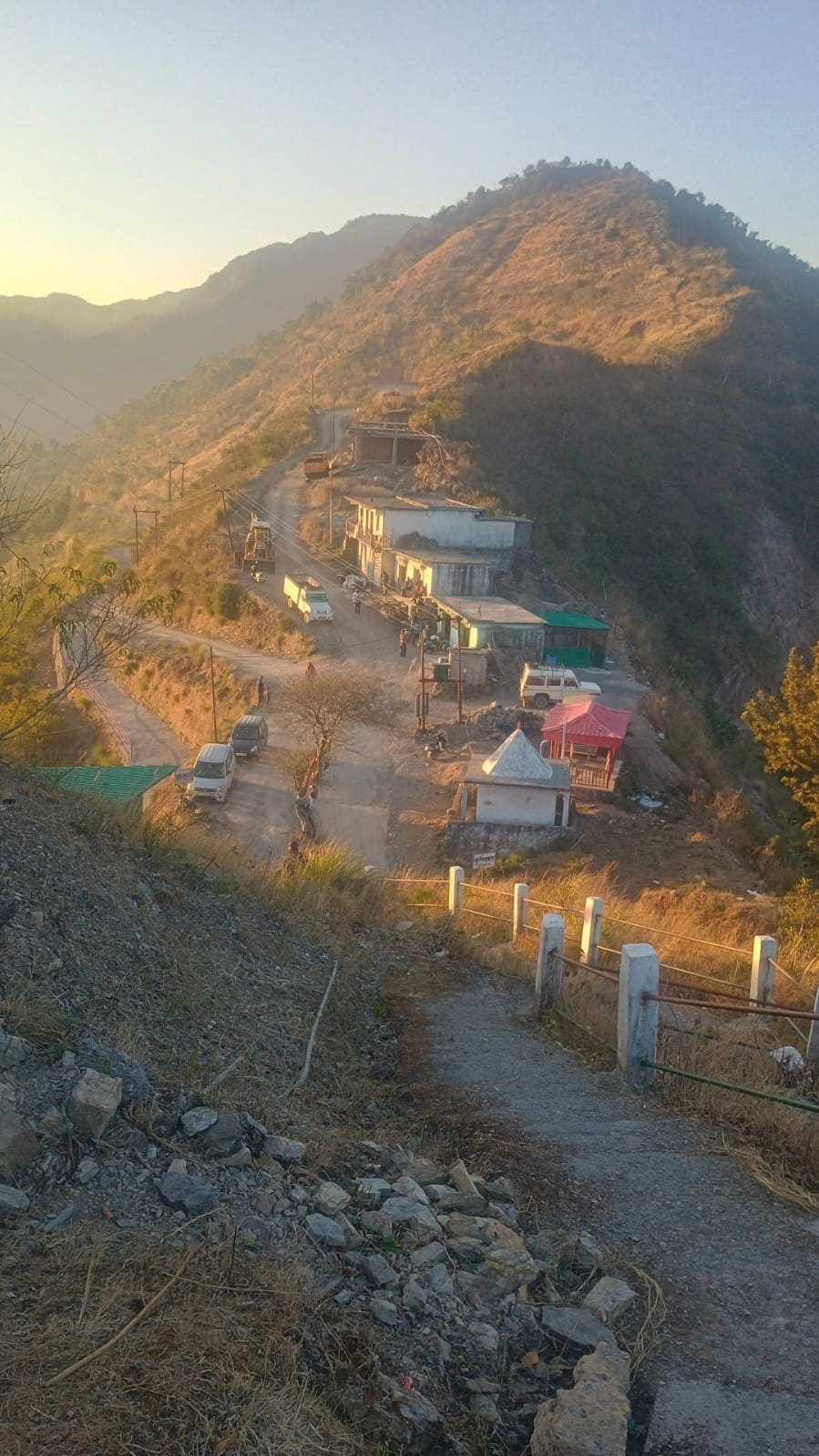
Haridwar is an ancient pilgrimage site situated in the foothills of the shivalik range in Garhwal Himalayas. Haridwar is welcomes the river ganga to the plain areas. Haridwar means gurgling of river Ganges, innumerable temples, groups of monks in saffron clothes, enchanting sounds of vedic hymns and the divine holiness.
Apart from religious importance Haridwar is also a centre for learning different arts and culture. Haridwar is well known as great source of Ayurvedic medicines and herbal remedies. Haridwar is now home to unique Indian tradition of teaching "Gurukula." Gurukula Kangri Vishwavidyalay is providing unique teaching in Gurukul system since 1902.
Haridwar is always place of interest for the researchers because it is one of the oldest living cities in India. Haridwar has numerous temples with interesting legacies. Maa Ganga after carrying the purity of heaven from the kamandal of Lord Brahma, washing the feet of Lord Vishnu and flowing through the sahastra of Lord Shiva came on this earth and made Haridwar as it's divine flow area. From time immemorial, Maa Ganga has been doing the duty of absorbing the heat and negativities of this earth. Besides and , It is Gateway for the four dhams of Himalayas viz. Gangotri, Yamunotri, Kedarnath and Badrinath.
Haridwar is divided in several small areas such as Mayapur, Ranipur, Jwalapur, Har Ki Pauri, Motichur, Devpura, Bhupatwala, Haripur Kalan, Shivalik Nagar, and Brhampuri. Haridwar is also one of the four places where Kumbh Mela occurs after rotation of every twelve Years and Ardh Kumbh after every six years. It is said that drops of Amrit (Elixir) fell in to the Brahmkund of Har-Ki-Pauri, therefore considered that a dip in...
Read moreNestled on the banks of the sacred Ganges River, Haridwar's Har Ki Pauri is more than just a ghats; it's a spiritual sanctuary that beckons pilgrims and travelers alike. Having recently experienced the mesmerizing aura of this ancient site, I am compelled to share my reflections in this review.
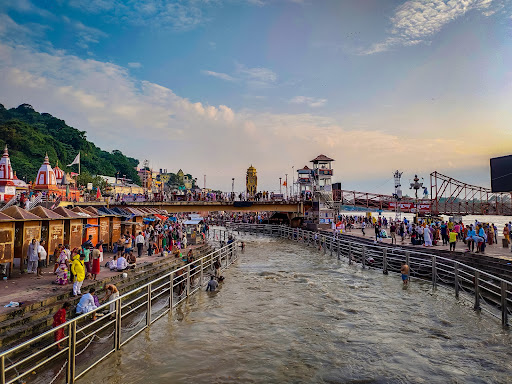
From the moment one steps onto the worn cobblestones lining the ghats, a sense of tranquility envelopes the soul. The gentle lapping of the Ganges against the steps serves as a soothing melody, guiding visitors into a state of reverence and introspection. As I joined the throngs of devotees, I felt a profound connection to centuries of tradition and faith that have permeated these hallowed grounds.
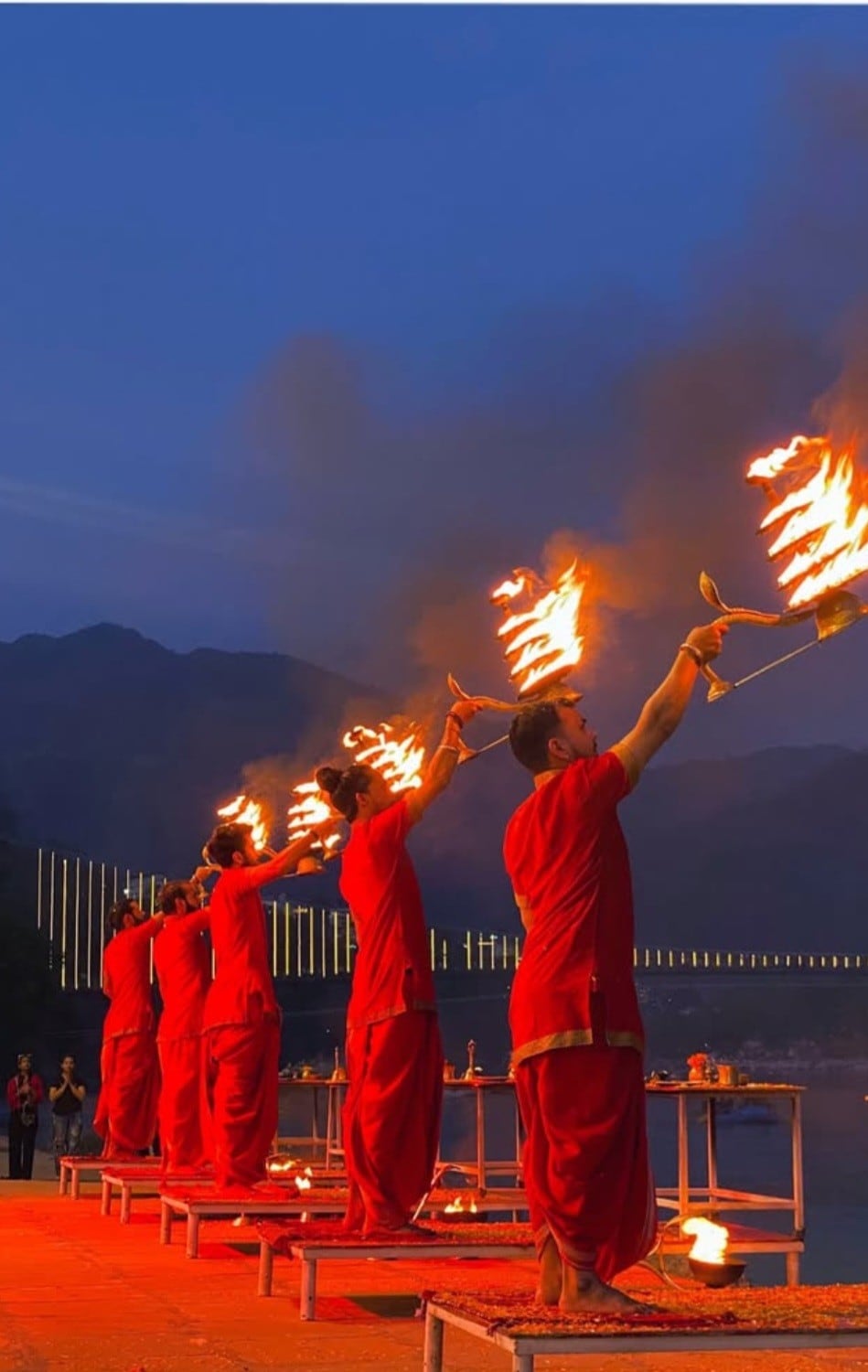
The centerpiece of Har Ki Pauri is undoubtedly the nightly Ganga Aarti, a mesmerizing ritual that celebrates the divine river. As the sun begins its descent, the ghats come alive with the flickering glow of countless oil lamps and the melodious strains of devotional songs. Priests adorned in vibrant attire perform intricate choreography, offering prayers to the river goddess with fervent devotion. Witnessing this spectacle is an experience that transcends the physical realm, leaving an indelible imprint on the heart and mind.
Beyond the spiritual allure, Har Ki Pauri also holds historical significance as the site where the nectar of immortality, or amrit, is believed to have fallen during the mythical churning of the ocean. This legend infuses the atmosphere with a sense of mystique, inviting visitors to contemplate the eternal cycle of creation and renewal.
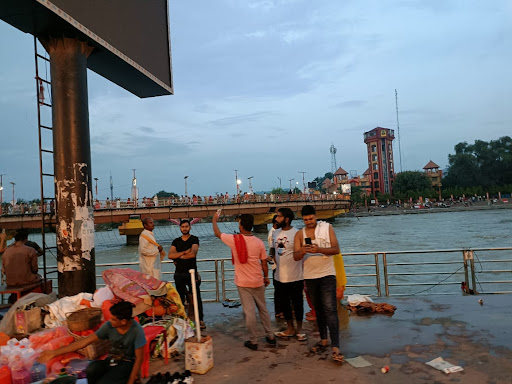
The ghats of Har Ki Pauri serve as a microcosm of Indian society, attracting pilgrims from all walks of life. Amidst the sea of humanity, one encounters Sadhus adorned in ochre robes, fervent devotees offering prayers, and curious travelers seeking solace amidst the chaos of the world. This diversity fosters a sense of unity and acceptance, reminding us of the universal nature of spirituality.
In addition to its spiritual and cultural significance, Har Ki Pauri also offers practical amenities for visitors. The surrounding area boasts a plethora of eateries serving traditional vegetarian fare, allowing pilgrims to replenish their bodies after a day of spiritual nourishment. Furthermore, shops selling religious paraphernalia and souvenirs line the streets, providing opportunities for visitors to commemorate their pilgrimage with meaningful tokens.
However, it's important to acknowledge the challenges facing Har Ki Pauri in the modern era. The influx of tourists and pilgrims has placed immense pressure on the delicate ecosystem of the Ganges, threatening its purity and vitality. Efforts to address these environmental concerns are underway, but much work remains to be done to ensure the preservation of this sacred waterway for future generations.
In conclusion, a visit to Haridwar's Har Ki Pauri is a transformative journey that transcends the boundaries of time and space. Whether one seeks spiritual enlightenment, cultural immersion, or simply a moment of serenity amidst the chaos of life, this sacred site offers solace to all who tread its ancient cobblestones. As I bid farewell to the banks of the Ganges, I carry with me the blessings of countless pilgrims who have found solace and renewal in the eternal embrace of...
Read moreHaridwar is a beautiful and vibrant city in Uttarakhand, India, known for its rich cultural heritage and spiritual significance. Here's what a tourist might experience in Haridwar:
Ganga Aarti: Witnessing the Ganga Aarti at Har Ki Pauri is a mesmerizing experience. It's a spiritual ritual where lamps are offered to the river Ganges, accompanied by chants and music.
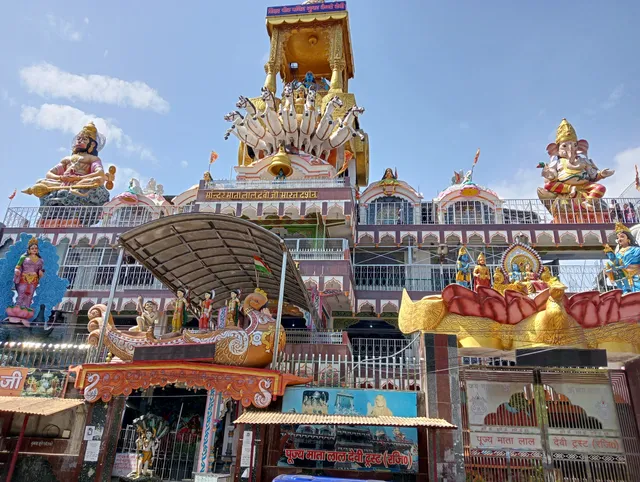
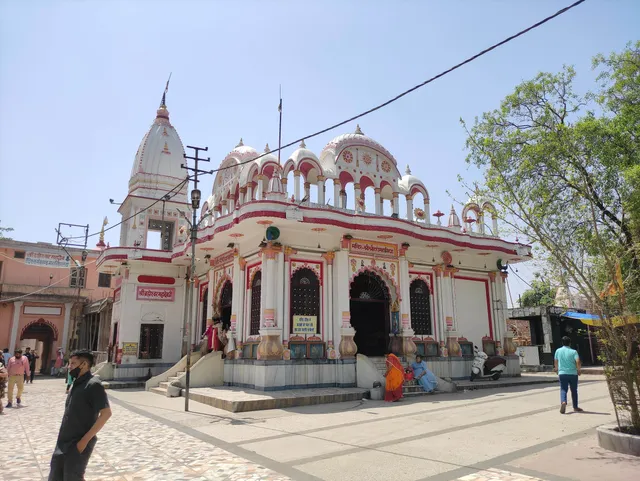
Temples: Haridwar is home to numerous temples like Mansa Devi Temple, Chandi Devi Temple, and Maya Devi Temple, each with its own history and significance.
Rishikesh Visit: Many tourists combine their Haridwar visit with a trip to Rishikesh, known for its yoga centers, adventure sports like river rafting, and serene ashrams along the Ganges.
Shopping: Explore the vibrant markets of Haridwar for religious items, handicrafts, and souvenirs. The bustling markets near Har Ki Pauri offer a glimpse into the local culture.
Spiritual Retreats: Haridwar is a hub for spiritual seekers and yoga enthusiasts. Many ashrams and yoga centers offer retreats and courses for visitors looking to delve deeper into spirituality.
Local Cuisine: Don't miss trying the local delicacies like aloo puri, kachori, jalebi, and lassi from street vendors and eateries, offering a taste of authentic North Indian cuisine.
Nature and Scenic Beauty: Haridwar is surrounded by natural beauty, with the Ganges flowing through the city and the nearby Rajaji National Park offering opportunities for wildlife enthusiasts.
Cultural Events: Depending on the time of visit, tourists might catch cultural events, festivals, or fairs that showcase the colorful traditions and customs of the region.
Overall, Haridwar offers a blend of spirituality, culture, nature, and adventure, making it a memorable destination for tourists seeking a...
Read more