Jim Corbett National Park
Jim Corbett National Park in Uttarakhand is the country's oldest national park, founded in 1936 to protect the endangered Bengal tiger.
Jim Corbett National Park is appropriately dubbed “Tiger Paradise” since it is home to many tigers among its stunning landscapes rich in flora and wildlife. The ‘Jim Corbett National Park,’ named after the famed tiger hunter converted naturalist Jim Corbett (1875-1955), was the first national park in India, founded in 1936 in the Himalayan state of Uttarakhand in North India. It is one of India’s most well-known wildlife sites. Many wildlife lovers flock there to see the majestic Indian tigers.
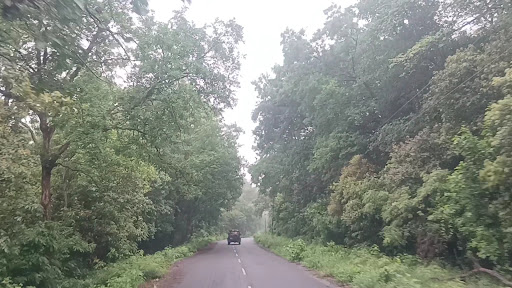
This is India’s first national park, having been established in 1936. It is named after Jim Corbett, a prominent naturalist and environmentalist. The splendid Jim Corbett National Park, located near the eminent hill station of Nainital District, Ramnagar, Uttarakhand, is renowned for being family to the most significant number of tigers of any Indian national park, and its elevation ranges from 1,300 to 4,000 ft. The park is extended throughout the exquisite escapades of Nainital and covers 1318.54 square kilometres, of which 520 square kilometres is the primary region, and the remainder is buffer. A safari into the deep forest to witness wild creatures in their natural environment is necessary. And, if you are fortunate, you could even get to see a tiger. Enjoy the lovely green forest vistas while on the jeep safari, which are cut by streams, rivers, and a few waterfalls. There are also overnight lodgings available inside the park, providing you with a once-in-a-lifetime experience.
Details About Jim Corbett National Park
It has an area of 520 square kilometres and is made up of hills, severe marshy depression, riverine belts, meadows, and a huge lake. It is one of the few tiger sanctuaries in India that permits accommodation in the park. The park’s nature and animal viewing are done in an open four-wheeler Jeep and on the elephants’ backs.
The national park, which is home to tigers and otters and the unique fish-eating crocodile, is one of the most popular places for wildlife enthusiasts. The most famous location in Dhikala is located on the outskirts of the vast Patil Dun valley.
The entire park area is divided into five tourism zones where tourists can go for wildlife spotting:
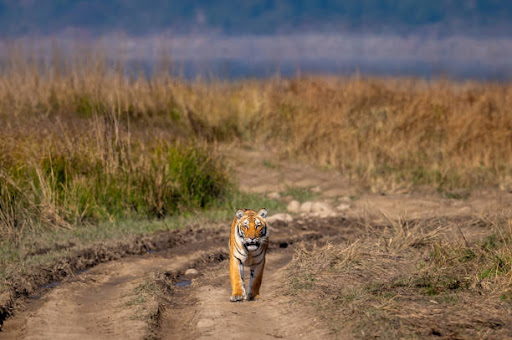
Dhikala – The Dhikala zone, located on the outskirts of the Patli Dun valley, is the biggest territory of the Corbett National Park and is home to a diverse range of flora and animals. This zone’s terrain, which comprises huge pastures known as Chaurs, deep Sal tree forest, and different Ramganga River channels, provides a beautiful picture of nature. The scenic vista of the large valley with the Kanda ridge in the backdrop is quite breathtaking. It is the favourite choice for wildlife enthusiasts for a night’s stay since it is believed to be the finest zone for tiger sightings. You could observe a tiger pursuing a deer across the grasslands or beside a creek if you are fortunate.
Bijrani – When breathtaking naturalistic views or gaining sight of the monarch of the Corbett forest, the regal Bengal tiger, comes into the conversation, the Bijrani zone does not disappoint. The variety of animal species present in this zone differentiates it as a special zone in Corbett. The geography of the Bijrani zone is as attractive as that of the Dhikala zone, with extensive Grasslands, dense Sal woodland, and many water streamlets. Along with the breathtaking panorama, this area is also home to a huge number of tigers, creating it an exceptional location for tiger sightings.
Jhirna – Because the Jhirna zone is available to day-visitors all year, it is one of the most frequented zones in the Corbett Reserve forest. There are regular reports of tiger sightings in this zone and various other species. In addition to the gorgeous tigers, the wild bears are the major draw...
Read moreJim Corbett National Park, located in the Nainital district of Uttarakhand, India, is the oldest national park in the country. Established in 1936 as Hailey National Park, it was later renamed in honor of the legendary hunter-turned-conservationist Jim Corbett. The park is a haven for nature enthusiasts and wildlife lovers, offering a unique blend of diverse flora, fauna, and breathtaking landscapes.
Location and Accessibility Situated in the foothills of the Himalayas, the park spans an area of 1,318 square kilometers, including its buffer zones. It is easily accessible by road from major cities like Delhi (260 km) and Dehradun (190 km). The nearest railway station is Ramnagar, located just 12 km from the park.
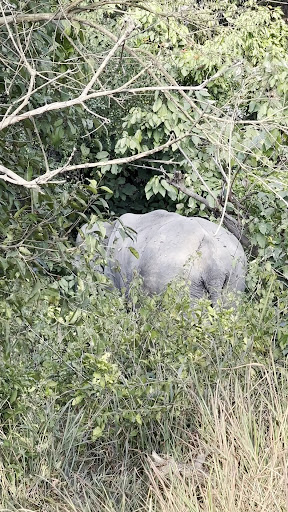
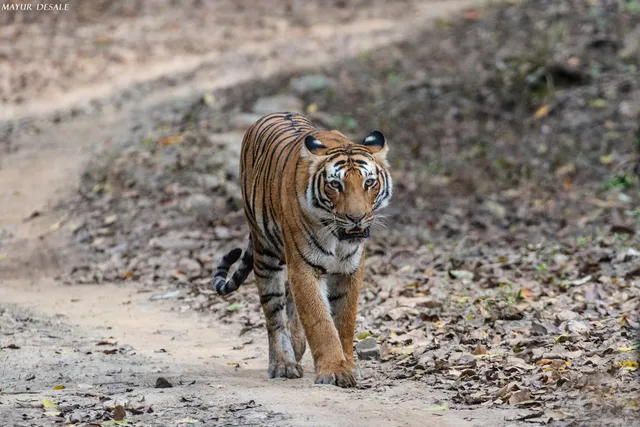
Flora and Fauna Jim Corbett National Park is celebrated for its rich biodiversity. Flora: The park’s vegetation includes sal forests, grasslands, and riverine belts. The dense forests provide a serene environment and serve as a natural habitat for wildlife. Fauna: • Tigers: The park is a part of the Project Tiger initiative and is renowned for its significant tiger population. • Other Wildlife: Leopards, elephants, deer (spotted deer, barking deer, and sambar), wild boars, and sloth bears can be commonly seen. • Birdlife: Home to over 650 bird species, it is a paradise for bird watchers. Species like the crested serpent eagle, parakeets, and Himalayan pied kingfisher are often spotted.
Tourism and Activities Jim Corbett National Park attracts thousands of visitors each year. Key attractions and activities include: Safari Tours: • Jeep Safaris: A popular way to explore the park, offering a chance to spot wildlife up close. • Canter Safaris: Larger vehicles accommodating groups, suitable for deeper exploration. Nature Walks: Guided treks allow visitors to experience the lush greenery and spot smaller wildlife. Bird Watching: With its vast bird population, the park is a key destination for bird enthusiasts. Corbett Waterfalls: A nearby attraction where tourists can enjoy a tranquil picnic amidst natural beauty.
Zones of the Park The park is divided into five eco-tourism zones for organized exploration: Dhikala Zone: The most famous zone, known for its panoramic landscapes and abundant wildlife. Bijrani Zone: Ideal for spotting tigers and other large mammals. Jhirna Zone: Open throughout the year, offering easy access for tourists. Dhela Zone: Known for its dense forests and bird-watching opportunities. Durga Devi Zone: A picturesque zone rich in birdlife and hilly terrain.
Accommodation The park offers a variety of accommodation options, from luxury resorts to forest rest houses. The Dhikala Forest Lodge, located inside the park, provides a unique experience, allowing visitors to stay amidst wildlife.
Challenges and Conservation While the park is a symbol of successful conservation, it faces challenges such as: Human-Wildlife Conflict: Increased tourism and nearby human settlements pose a threat to the park’s ecosystem. Poaching and Illegal Activities: Efforts are ongoing to curb such issues. Climate Change: Alterations in the local climate affect the park’s flora and fauna.
Conclusion Jim Corbett National Park is a gem of India’s natural heritage. It offers an unparalleled experience for wildlife enthusiasts and contributes significantly to conservation efforts. While challenges persist, the park remains a testament to the importance of preserving the delicate balance between nature and human activity. Its scenic beauty, diverse wildlife, and dedication to conservation make it a must-visit destination for anyone seeking to connect...
Read moreCorbett National Park comprises 520.8 km2 (201.1 sq mi) area of hills, riverine belts, marshy depressions, grasslands and a large lake. The elevation ranges from 1,300 to 4,000 ft (400 to 1,220 m). Winter nights are cold but the days are bright and sunny. It rains from July to September. The park has sub-Himalayan belt geographical and ecological characteristics.3] Dense moist deciduous forest mainly consists of Shorea robusta (the sal tree), haldu, peepal, rohini and mango trees. Forest covers almost 73 per cent of the park, while 10 per cent of the area consists of grasslands. It houses around 110 tree species, 50 species of mammals, 580 bird species and 25 reptile species.
An ecotourism destination,[4] the park contains 617 different species of plants and a diverse variety of fauna.[5 The increase in tourist activities, among other problems, continues to present a serious challenge to the park's ecological balance.[7]
History Some areas of the park were formerly part of the princely state of Tehri Garhwal.[8] The forests were cleared by the Environment and Forests Department (Uttarakhand) to make the area less vulnerable to Rohilla invaders.[8] The Raja of Tehri formally ceded a part of his princely state to the East India Company in return for their assistance in ousting the Gurkhas from his domain.[8] The Buksas—a tribe from the Terai—settled on the land and began growing crops, but in the early 1860s they were evicted with the advent of British rule.[8]
Efforts to save the forests of the region began in the 19th century under Major Ramsay, the British Officer who was in-charge of the area during those times. The first step in the protection of the area began in 1868 when the British forest department established control over the land and prohibited cultivation and the operation of cattle stations.[9] In 1879 these forests were constituted into a reserve forest where restricted felling was permitted.
In the early 1900s, several Britishers, including E. R. Stevans and E. A. Smythies, suggested the setting up of a national park on this soil. The British administration considered the possibility of creating a game reserve there in 1907.[9] It was only in the 1930s that the process of demarcation for such an area got underway. A reserve area known as Hailey National Park covering 323.75 km2 (125.00 sq mi) was created in 1936, when Sir Malcolm Hailey was the Governor of United Provinces; and Asia's first national park came into existence.[10] Hunting was not allowed in the reserve, only timber cutting for domestic purposes. Soon after the establishment of the reserve, rules prohibiting killing and capturing of mammals, reptiles and birds within its boundaries...
Read more