Review: Chandidevi Temple - A Spiritual Oasis
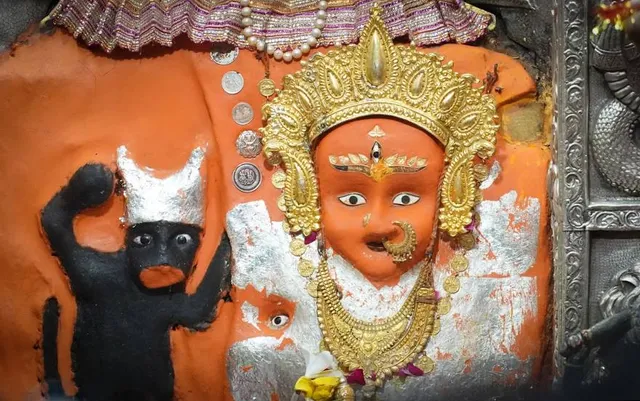
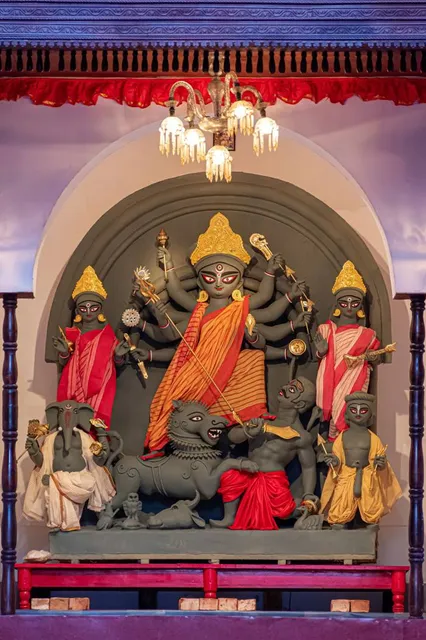
Perched atop the Neel Parvat in the holy city of Haridwar, the Chandidevi Temple stands as a beacon of spirituality and serenity. My recent visit to this revered shrine left me deeply moved by its tranquil ambiance and awe-inspiring beauty.
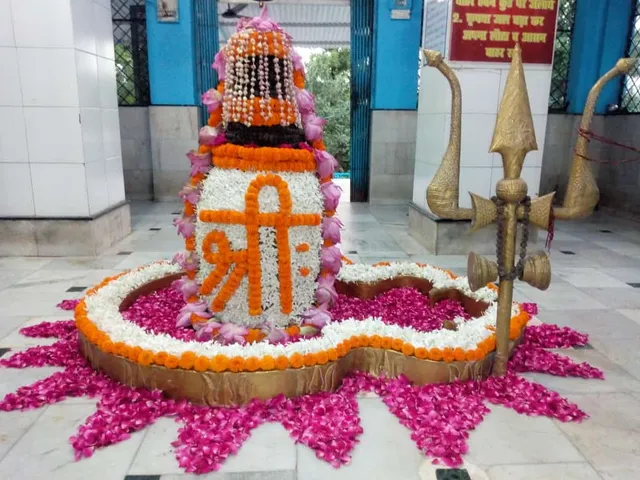
Spiritual Experience: The Chandidevi Temple is not just a place of worship; it's a spiritual sanctuary where devotees can connect with their inner selves. The atmosphere is imbued with a sense of peace and devotion, making it an ideal place for meditation and introspection. Whether you're a devout follower or a seeker of spiritual solace, the temple offers a serene environment to nourish your soul.
Sacred Legend: The temple is steeped in mythological significance, with legends tracing its origins to ancient times. According to Hindu mythology, Goddess Chandidevi is believed to fulfill the wishes of her devotees and protect them from evil forces. This rich heritage adds to the allure of the temple and draws pilgrims from far and wide.
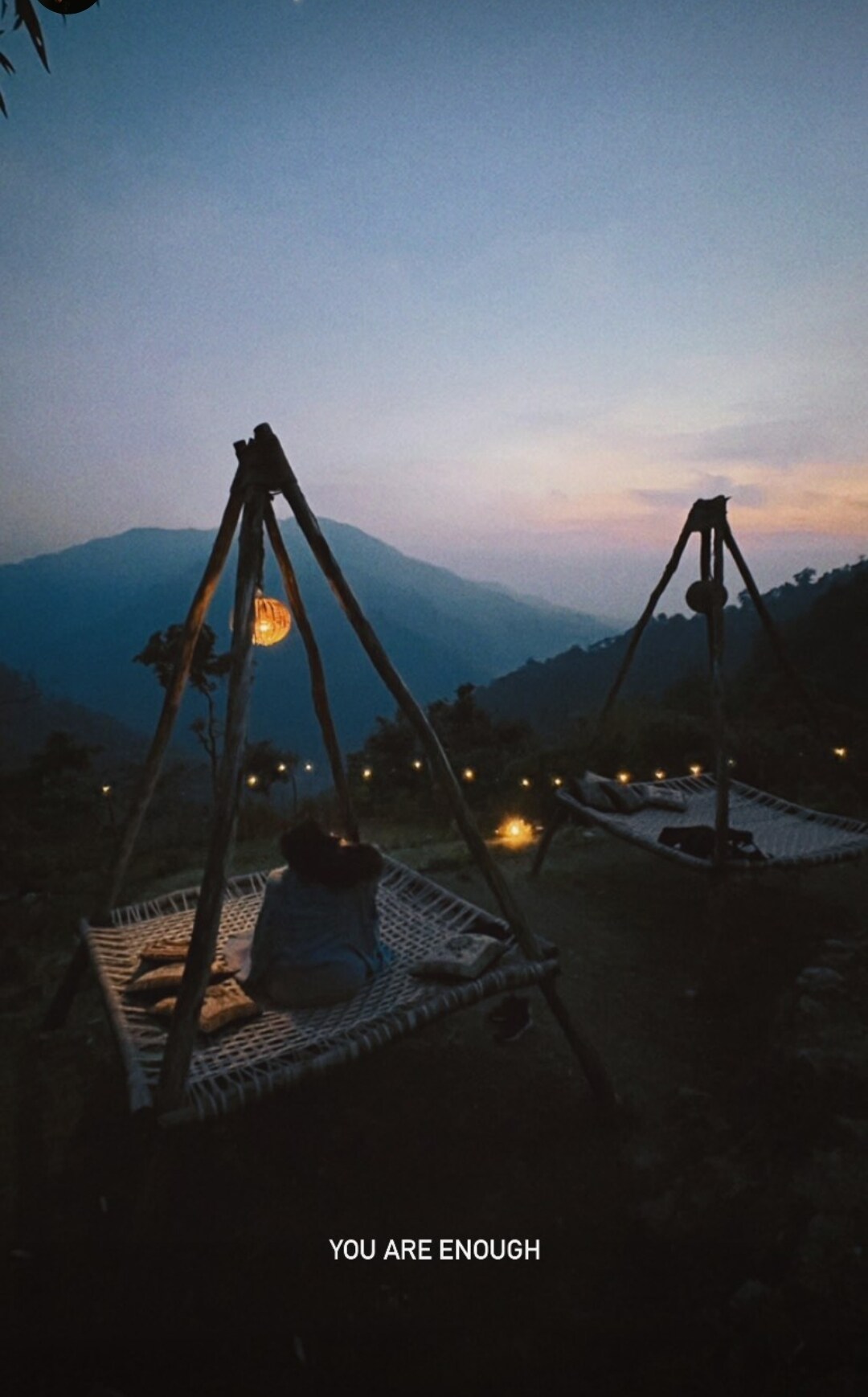
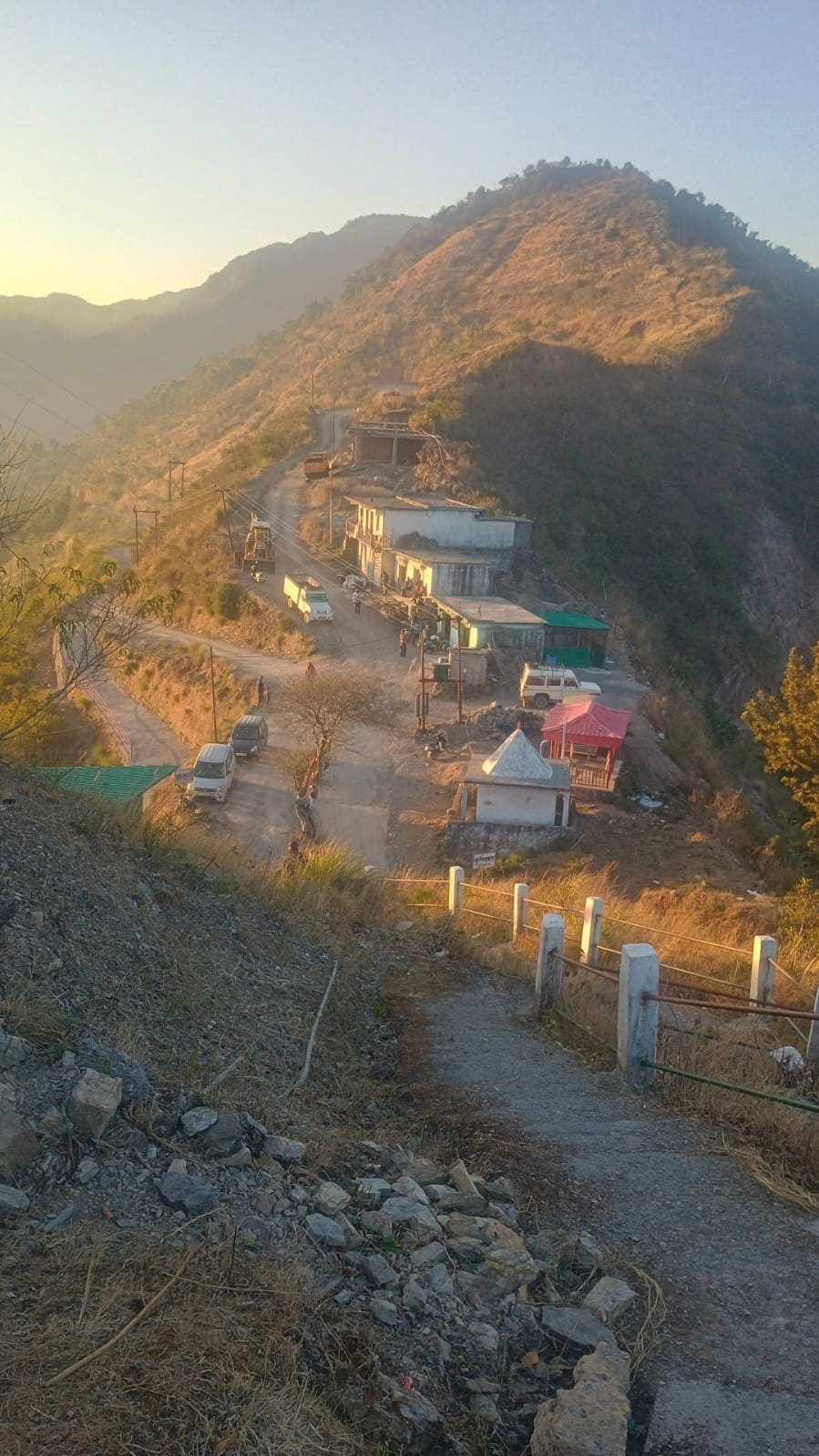
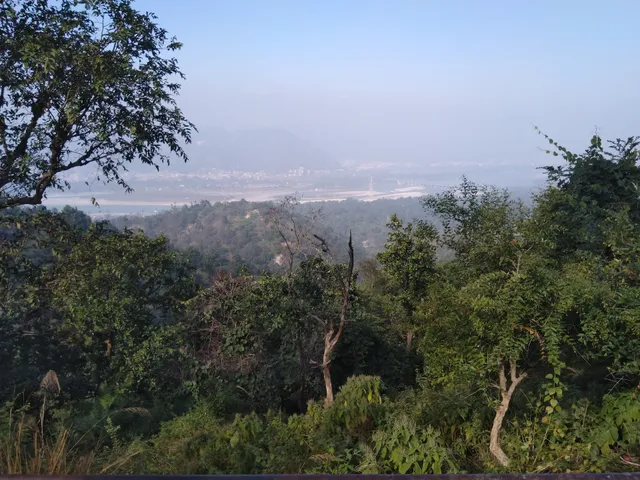
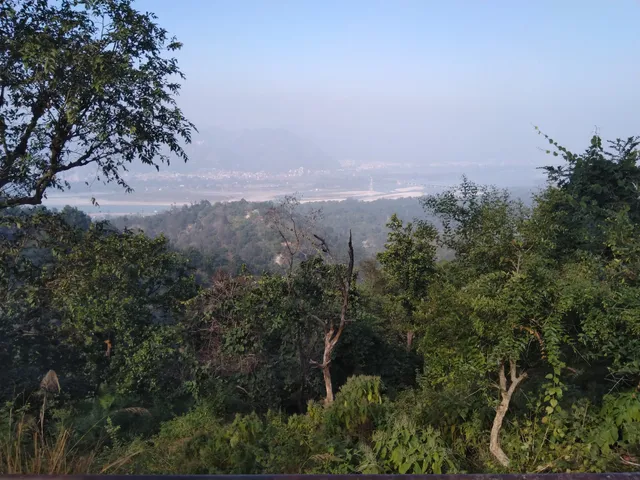
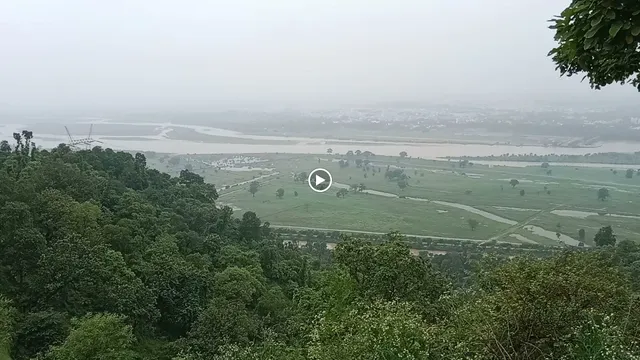
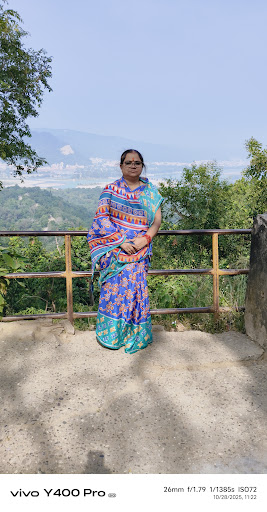
Panoramic Views: One of the highlights of visiting Chandidevi Temple is the breathtaking panoramic views it offers. Situated atop a hill, the temple provides a commanding vista of the sacred Ganges River winding its way through the plains below, with the Himalayan peaks forming a majestic backdrop. The sight is nothing short of awe-inspiring, evoking a sense of reverence for the natural beauty of the region.
Devotee Facilities: The temple management ensures that devotees have a comfortable and fulfilling experience. Facilities such as clean washrooms, shoe storage, and drinking water are available for visitors. Additionally, the queues are well-organized, and the darshan (viewing) of the deity is conducted smoothly, allowing devotees to offer their prayers without hassle.
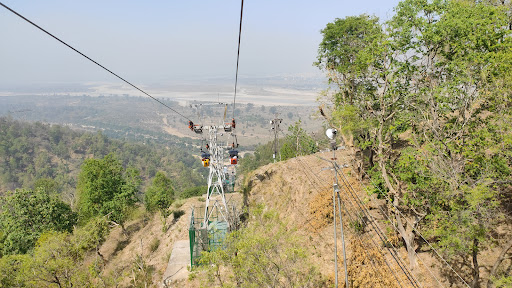
Accessibility: While reaching the temple involves a trek uphill, it is not overly strenuous and can be accomplished by people of all ages. For those who prefer not to climb, ropeway services are available, providing a convenient alternative to reach the temple premises. The journey itself is part of the experience, offering scenic views along the way.
Cultural Significance: Beyond its religious significance, Chandidevi Temple is an embodiment of the rich cultural heritage of India. The temple architecture, with its intricate carvings and vibrant colors, reflects the traditional craftsmanship of the region. Visitors can immerse themselves in the cultural tapestry of India while paying homage to the divine goddess.
Conclusion: Chandidevi Temple is not just a place of worship; it's a sanctuary of peace and spirituality. Whether you seek solace in its tranquil ambiance, wish to marvel at the panoramic vistas, or simply want to connect with the divine, this sacred shrine offers an unforgettable experience that touches the heart and soul. A visit to Chandidevi Temple is a journey of spiritual awakening and cultural enrichment that leaves a lasting impression...
Read moreHistory of Chandi Devi Temple, Haridwar
The Chandi Devi Temple, located atop the Neel Parvat on the eastern summit of the Shivalik Hills in Haridwar, is one of the most revered shrines in Northern India. This temple is dedicated to Goddess Chandi, a powerful form of Goddess Parvati.
Establishment: Mythological Origins: The origins of the temple are steeped in Hindu mythology. According to legend, the temple marks the site where Goddess Chandi vanquished the demon kings Shumbha and Nishumbha. It is believed that the goddess rested at this spot after her victorious battle, making the place highly sacred.
Historical Foundation: The present structure of the Chandi Devi Temple was built in 1929 by the King of Kashmir, Maharaja Suchat Singh. However, it is believed that the original temple was established by Adi Shankaracharya, one of the greatest Hindu saints and philosophers, in the 8th century AD. This makes it an ancient pilgrimage site with deep spiritual significance.
Managing Trust: Administration: The temple is managed by the Chandi Devi Mandir Trust, which oversees the day-to-day operations, maintenance, and organization of religious events and festivals. The trust is responsible for preserving the sanctity of the temple and ensuring that pilgrims have a smooth and fulfilling visit.
Activities of the Trust: The managing trust is involved in various activities, including: Maintenance of the Temple: Ensuring the upkeep of the temple premises, including cleanliness and structural integrity. Organizing Religious Events: The trust organizes various religious festivals and rituals, such as Navratri, when the temple sees a significant influx of devotees. Pilgrim Assistance: Providing facilities and services for pilgrims, including accommodations, prasad distribution, and guided tours. Charitable Activities: Engaging in charitable activities like offering food and support to the underprivileged, especially during festivals and auspicious days.
Cultural and Religious Significance: Part of the Panch Tirth: The Chandi Devi Temple is considered one of the Panch Tirth (Five Pilgrimages) in Haridwar, making it an essential part of a pilgrim's visit to the holy city. Scenic and Spiritual Appeal: The temple is not only a spiritual destination but also a place of natural beauty, offering panoramic views of Haridwar and the surrounding hills. The combination of its mythological significance, historical legacy, and scenic location makes it a popular destination for devotees and tourists alike.
In summary, the Chandi Devi Temple in Haridwar is a site of immense historical, cultural, and religious importance, managed by a dedicated trust that ensures the preservation of its sanctity...
Read moreReview: Chandi Mata Temple in Haridwar, Uttarakhand
The Chandi Mata Temple, situated atop the highest mountain in Haridwar, is an awe-inspiring place of divinity. This sacred temple offers an unforgettable spiritual experience to all its visitors. As you ascend the mountain, the panoramic view of Haridwar and the majestic Mansa Devi Temple, located on the opposite mountain, captivates your senses, creating an ambiance filled with serenity and tranquility.
For Hindu pilgrims, Chandi Mata Temple holds immense significance as a place of worship. The temple provides a space for devotees to offer their prayers, perform puja rituals, and seek blessings from the revered deity, Chandi Mata. The spiritual atmosphere within the temple is enchanting, with echoes of devotional chants and the fragrance of incense filling the air. It truly feels like a sanctuary for the soul.
One of the remarkable aspects of the Chandi Mata Temple is its purity. The temple is meticulously maintained, and the sanctity is palpable as soon as you step foot inside. The entire premises exude a sense of sacredness, which helps in fostering a deep connection with the divine. The temple's serene ambiance and the breathtaking natural surroundings work harmoniously to create a holistic experience for devotees and visitors alike.
The Chandi Mata Temple offers a unique opportunity to connect with spirituality while being enveloped in the lap of nature. The climb to the temple might require some physical effort, but the reward of reaching the summit and beholding the stunning view of Haridwar and the neighboring Mansa Devi Temple is truly worth it. The panoramic vista serves as a gentle reminder of the grandeur of the natural world and the boundless power of the divine.
Visiting the Chandi Mata Temple in Haridwar is an enriching and soul-stirring experience. It offers an escape from the bustling city life and allows individuals to delve deep into their spiritual selves. The combination of the temple's divinity, pristine surroundings, and the sight of Mansa Devi Temple across the mountains creates an ambiance that is both serene and awe-inspiring.
Whether you are a devout Hindu seeking a place of worship or a traveler looking to immerse yourself in the spiritual and natural beauty of Haridwar, the Chandi Mata Temple should be on your must-visit list. It will leave an indelible mark on your heart and provide an experience of purity and soul purification that is truly...
Read more