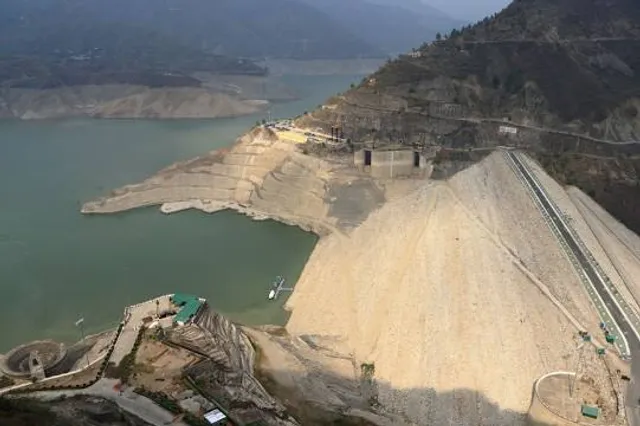
The Tehri Dam is a multi-purpose rock and earthfill dam located in the Tehri Garhwal district of Uttarakhand, India. It is one of the highest dams in the world and the highest in India, with a height of 260.5 meters (855 feet) and a length of 592 meters (1,942 feet).
The dam is situated on the Bhagirathi River, which is a tributary of the Ganges River, and is surrounded by the majestic Himalayan mountains. The Tehri Dam project was conceived in the 1960s, but construction began in 1978 and was completed in 2006. The project was undertaken by the Tehri Hydro Development Corporation (THDC), a joint venture between the government of India and the government of Uttar Pradesh (now Uttarakhand).
The primary purpose of the Tehri Dam is to generate hydroelectric power, with an installed capacity of 1,000 MW (4 x 250 MW). The power generated is distributed among the states of Uttarakhand, Uttar Pradesh, Delhi, Haryana, Punjab, and Rajasthan. In addition to power generation, the dam also provides irrigation water to the surrounding regions and helps control floods downstream.
The construction of the dam was a massive undertaking that required the excavation of over 20 million cubic meters of rock and soil. The dam's foundation is anchored to the rock face using 350 anchors, each with a capacity of 450 tons. The dam's structure is designed to withstand earthquakes and other seismic activities, and its spillway is capable of handling a flood discharge of 5,500 cubic meters per second.
The Tehri Dam has several unique features, including its underground power house, which is located 22 kilometers (14 miles) downstream from the dam. The power house is connected to the dam via a 22-kilometer (14-mile) long head race tunnel, which carries water from the dam to the turbines. The power house is equipped with four 250 MW turbines, which generate electricity at a frequency of 50 Hz.
Another notable feature of the Tehri Dam is its reservoir, which has a capacity of 3.2 cubic kilometers (1.2 cubic miles) and a surface area of 52 square kilometers (20 square miles). The reservoir is surrounded by picturesque hills and valleys, and its water level fluctuates depending on the season. During the monsoon season, the reservoir is filled to its maximum capacity, while during the dry season, the water level drops significantly.
The Tehri Dam has had a significant impact on the surrounding region, both positive and negative. On the positive side, the dam has provided much-needed electricity to the region, improved irrigation facilities, and created employment opportunities for local residents. However, the dam has also had significant environmental and social impacts, including the displacement of over 100,000 people, the submergence of several villages and towns, and the destruction of habitats and ecosystems.
Despite these challenges, the Tehri Dam remains an important infrastructure project for India, providing clean and renewable energy to millions of people. The dam is also a popular tourist destination, attracting visitors from all over the world who come to marvel at its sheer size and engineering prowess.
In conclusion, the Tehri Dam is a remarkable feat of engineering and a testament to India's ability to undertake complex infrastructure projects. While it has had its share of challenges and controversies, the dam remains an important asset for the country, providing power, irrigation, and flood control benefits to...
Read moreThe Tehri Dam is the tallest dam in India. It is a multi-purpose rock and earth-fill embankment dam on the Bhagirathi River near Tehri in Uttarakhand, India. It is the primary dam of the THDC India Ltd. and the Tehri hydroelectric complex. Phase 1 was completed in 2006. The Tehri Dam withholds a reservoir for irrigation, municipal water supply and the generation of 1,000 megawatts (1,300,000 hp) of hydroelectricity. The dam's 1,000 MW variable-speed pumped-storage scheme is currently under construction with expected commissioning in 2022. A preliminary investigation for the Tehri Dam Project was completed in 1961 under Jawahar lal Nehru's ministry and its design was completed in 1972 with a 600 MW capacity power plant based on the study. Construction began in 1978 after feasibility studies but was delayed due to financial, environmental and social impacts.
In 1986, technical and financial assistance was provided by the USSR, but this was interrupted years later with political instability. India was forced to take control of the project and at the first, it was placed under the direction of the Irrigation Department of Uttar Pradesh. However, in 1988 the Tehri Hydro Development Corporation was formed to manage the dam and 75% of the funding would be provided by the federal government, 25% by the state. Uttar Pradesh would finance the entire irrigation portion of the project.
The Tehri Dam has been the object of protests by environmental organizations and local people of the region. Virendra Dutt Saklani, lawyer and founder of the Anti-Tehri Dam Struggle Committee, was quick to point out the consequences associated to the large project.4] Environmental activist Sunderlal Bahuguna led the Anti-Tehri Dam movement from 1980s till 2004.[5 The protest was against the displacement of town inhabitants and environmental consequence of the weak ecosystem.[4]
In addition to the human rights concerns, the project has spurred concerns about the environmental consequences of locating such a large dam in the fragile ecosystem of the Himalayan foothills. There are further concerns regarding the dam's geological stability.[4] The Tehri dam is in the Central Himalayan Seismic Gap, a major geologic fault zone. This region was the site of a 6.8 magnitude earthquake in October 1991, with an epicenter 53 km (33 mi) from the dam. Dam proponents claim that the complex is designed to withstand an earthquake of 8.4 magnitude, but some seismologists say that earthquakes with a magnitude of 8.5 or more could occur in this region. Were such a catastrophe to occur, the potentially resulting dam-break would submerge numerous towns downstream, whose populations total near half a million. questionable is this safe for our...
Read moreIf you're seeking a mesmerizing escape amidst nature's splendor, look no further than the Tehri Dam in Uttarakhand, India. My recent visit to this awe-inspiring destination left me utterly enchanted, and I couldn't wait to share my experience with fellow travelers.
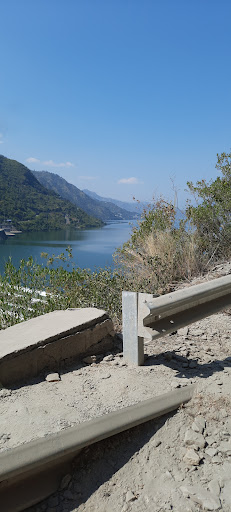
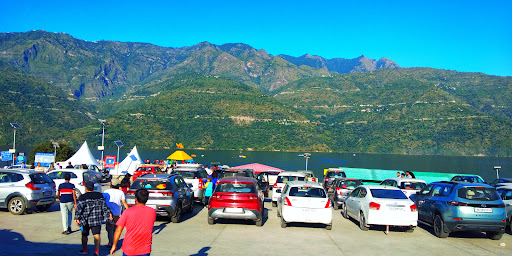
Upon arriving at Tehri Dam, I was immediately captivated by the breathtaking beauty that surrounded me. The pristine waters of the Tehri Reservoir sparkled like jewels, harmoniously blending with the lush Garhwal Himalayas in the backdrop. The sight alone was worth the trip!
For an unforgettable experience, I highly recommend taking the guided tour offered at the dam. It not only provides valuable insights into the engineering marvel but also acquaints you with its historical significance and impact on the local community. The knowledgeable guides share interesting anecdotes, making the tour both educational and engaging.
As you venture to the top of the dam, prepare to be spellbound by the sweeping panoramic views that greet you. The sheer scale of the dam and the surrounding landscape will leave you humbled and in awe of human ingenuity. Don't forget your camera, as this spot offers fantastic photo opportunities that you'll cherish forever.
For adventure enthusiasts, Tehri Dam offers an array of heart-pumping activities. Whether you're a water sports enthusiast or a daredevil looking to try paragliding, the reservoir offers something for everyone. Safety measures are well-implemented, ensuring a thrilling experience without compromising on security.
If you're a foodie, you're in for a treat. The local cuisine of the Garhwal region is a delightful blend of flavors that tantalize your taste buds. Don't miss the chance to savor authentic local delicacies while enjoying the warm hospitality of the locals.
Though my experience was overwhelmingly positive, I must mention that some areas could benefit from better maintenance and cleanliness. However, this minor issue didn't detract from the overall magic of the place.
To make the most of your trip, ensure you carry sunscreen, comfortable shoes, and a water bottle to stay hydrated. Moreover, inquire about the best time to visit as weather conditions can vary throughout the year.
In conclusion, visiting Tehri Dam is an experience like no other, a perfect union of nature's beauty and human ingenuity. I encourage every traveler to include this gem in their itinerary. Whether you seek adventure, tranquility, or simply a chance to marvel at breathtaking landscapes, Tehri Dam has it all. So pack your bags, embrace the adventure, and prepare to be enchanted by this remarkable destination....
Read more