HTML SitemapExplore

Sopara Stupa Site (Ancient Buddhist Heritage) — Attraction in Vasai-Virar

Name
Sopara Stupa Site (Ancient Buddhist Heritage)
Description
Nearby attractions
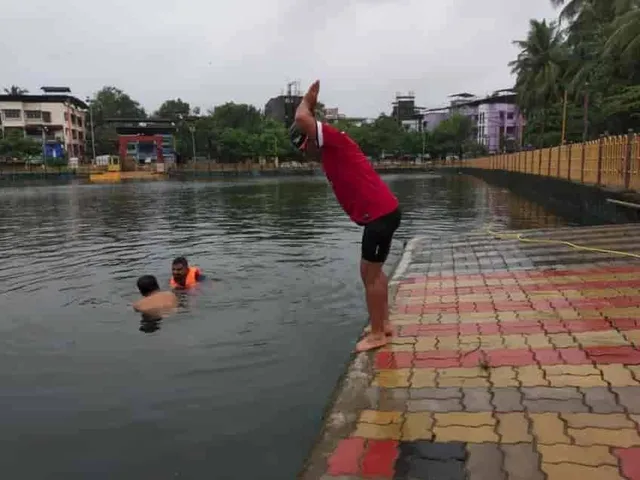
Chakreshwar Talav
Samel Pada, Nalasopara West, Nala Sopara, Maharashtra 401203
Nearby restaurants
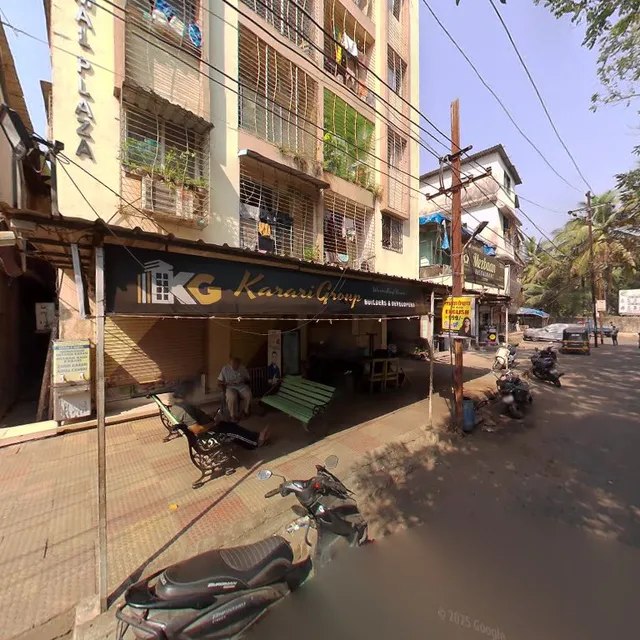
Mezbaan restaurant
Ajmal plaza, opp. R.b.harris college, Nawayat Nagar, Samel Pada, Nalasopara West, Nala Sopara, Maharashtra 401203, India
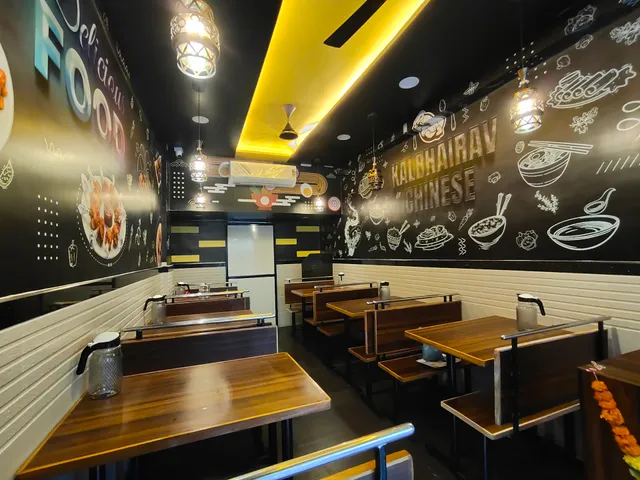
Hotel Shree Kalbhairavnath
Shop No- 15, Paccha Plaza Building, Mahatma Phule Road, Sopara, Samel Pada, Nalasopara West, Nala Sopara, Maharashtra 401203, India
Nearby local services
Nearby hotels
Related posts
Keywords
Sopara Stupa Site (Ancient Buddhist Heritage) tourism.Sopara Stupa Site (Ancient Buddhist Heritage) hotels.Sopara Stupa Site (Ancient Buddhist Heritage) bed and breakfast. flights to Sopara Stupa Site (Ancient Buddhist Heritage).Sopara Stupa Site (Ancient Buddhist Heritage) attractions.Sopara Stupa Site (Ancient Buddhist Heritage) restaurants.Sopara Stupa Site (Ancient Buddhist Heritage) local services.Sopara Stupa Site (Ancient Buddhist Heritage) travel.Sopara Stupa Site (Ancient Buddhist Heritage) travel guide.Sopara Stupa Site (Ancient Buddhist Heritage) travel blog.Sopara Stupa Site (Ancient Buddhist Heritage) pictures.Sopara Stupa Site (Ancient Buddhist Heritage) photos.Sopara Stupa Site (Ancient Buddhist Heritage) travel tips.Sopara Stupa Site (Ancient Buddhist Heritage) maps.Sopara Stupa Site (Ancient Buddhist Heritage) things to do.
Sopara Stupa Site (Ancient Buddhist Heritage) things to do, attractions, restaurants, events info and trip planning
Sopara Stupa Site (Ancient Buddhist Heritage)
IndiaMaharashtraVasai-VirarSopara Stupa Site (Ancient Buddhist Heritage)

Basic Info

Sopara Stupa Site (Ancient Buddhist Heritage)

Nalasopara Nirmal Road, Wagholi - Nirmal Rd, Wagholi, Nalasopara West, Nala Sopara, Maharashtra 401304, India
4.3(244)
Open 24 hours
Save
spot

Ratings & Description

Info

Cultural
Outdoor
Scenic
Family friendly
Off the beaten path
attractions: Chakreshwar Talav, restaurants: Mezbaan restaurant, Hotel Shree Kalbhairavnath, local businesses:
logoLearn more insights from Wanderboat AI.

Plan your stay

hotel
Pet-friendly Hotels in Vasai-Virar
Find a cozy hotel nearby and make it a full experience.
hotel
Affordable Hotels in Vasai-Virar
Find a cozy hotel nearby and make it a full experience.
hotel
The Coolest Hotels You Haven't Heard Of (Yet)
Find a cozy hotel nearby and make it a full experience.
hotel
Trending Stays Worth the Hype in Vasai-Virar
Find a cozy hotel nearby and make it a full experience.

Reviews

Live events

Explore Mumbais night life in an Aircon Car
Mon, Jan 12 • 8:00 PM
Mumbai, Maharashtra, 400047, India
View details
Mumbai as a Local, Suburb Tour by Aircon Car
Mon, Jan 12 • 2:00 PM
Mumbai, Maharashtra, 400063, India
View details

Nearby attractions of Sopara Stupa Site (Ancient Buddhist Heritage)

Chakreshwar Talav

Chakreshwar Talav

Chakreshwar Talav

4.3

(120)

Open 24 hours
Click for details

Nearby restaurants of Sopara Stupa Site (Ancient Buddhist Heritage)

Mezbaan restaurant

Hotel Shree Kalbhairavnath

Mezbaan restaurant

Mezbaan restaurant

4.7

(17)

Click for details
Hotel Shree Kalbhairavnath

Hotel Shree Kalbhairavnath

3.8

(14)

Open until 11:30 PM
Click for details
Get the Appoverlay
Get the AppOne tap to find yournext favorite spots!
Wanderboat LogoWanderboat

Your everyday Al companion for getaway ideas

CompanyAbout Us
InformationAI Trip PlannerSitemap
SocialXInstagramTiktokLinkedin
LegalTerms of ServicePrivacy Policy

Get the app

© 2025 Wanderboat. All rights reserved.

Reviews of Sopara Stupa Site (Ancient Buddhist Heritage)

4.3
(244)
avatar
5.0
7y

Ashokan inscription found here.

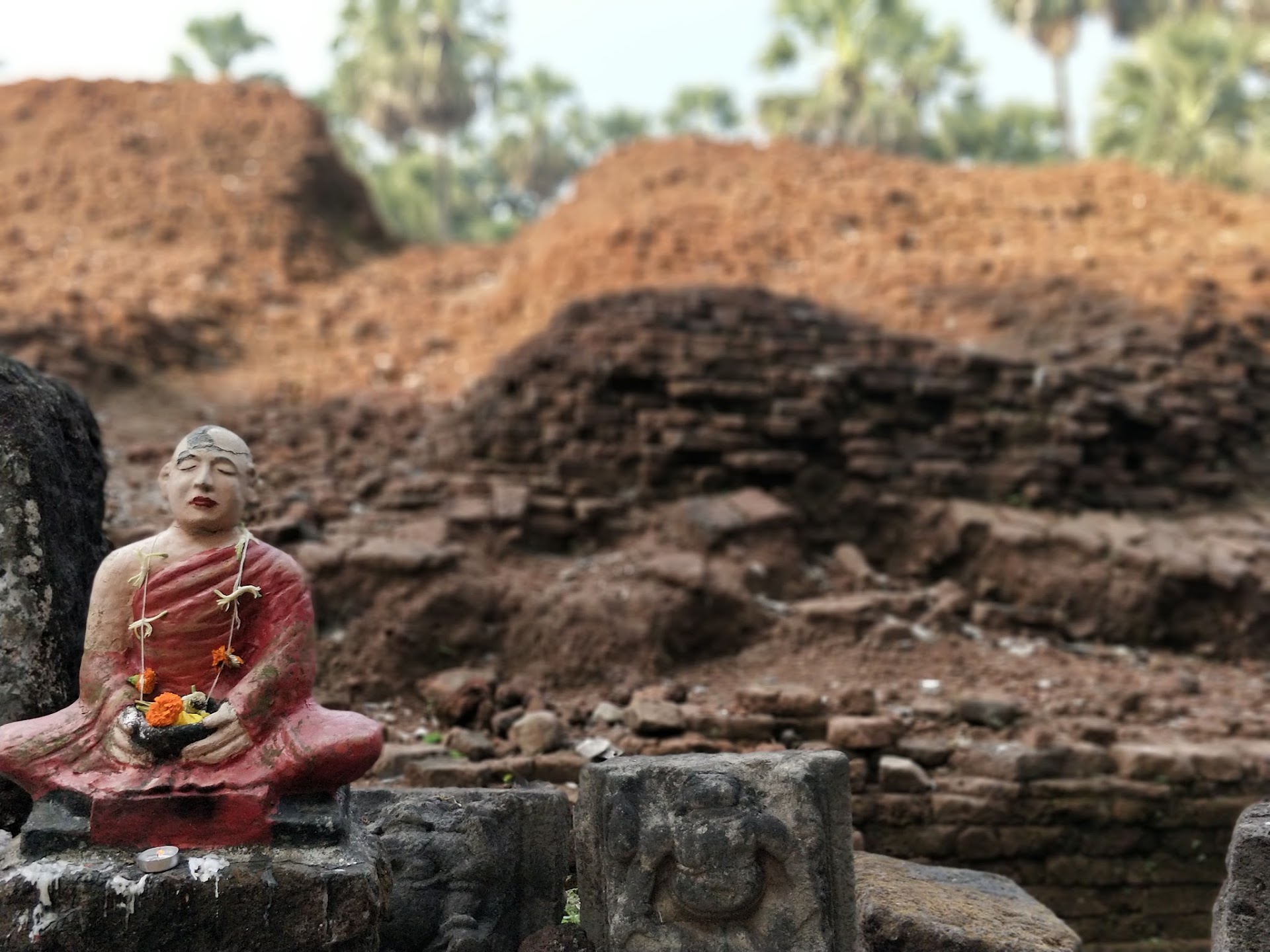
In April 1882, Bhagvanlal Indraji, a noted archaeologist, numismatist and epigraphistexcavated at the Burud Rajache Kot mound in Merdes village, near Sopara. The ruins of a Buddhist Stupa was found. From the center of the stupa (inside a brick built chamber) a large stone coffer was excavated which contained eight bronze images of Maitreya Buddha which belong to the c. 8th-9th century CE. This coffer also enclosed relic caskets of copper, silver, stone, crystal and gold, along with numerous gold flowers and fragments of a begging bowl. A silver coin of Gautamiputra Satakarni (Satavahana) was also found from the mound. The Bombay Provincial Government presented the Sopara relics to the Asiatic Society of Bombay. The coins and the artifacts found during the excavations at the site of this ancient town can still be viewed in the Asiatic Society, Mumbaimuseum. In an old Muslim graveyard near Ramkund, the fragments of 8th and 9th major rock edicts of Asoka were found. These rock edicts can be viewed in the Chhatrapati Shivaji Maharaj Vastu Sangrahalaya, Mumbai. The site was re-excavated by M.M.Qureshi of the Archaeological Survey of India in 1939-40, when several stone lintels and two small stupas were found on the south side of the main stupa in addition to a few sherds of plain glazed ware of the Muslim period. Anwar Munshi (1972) found a number of Satavahana lead coins at Sopara. In 1956, a fragment of 11th major rock edict was found from a coastal village, Bhuigaon. During an excavation in 1993, a ring well, fragments of Roman amphorae red polished ware and glass (all belong to the early centuries of the Common Era) were found.

The ancient habitation site lies 2 km away from the stupa which overlooks the dry creek on the south and on the east opens to Thane creek. A large quantity of Islamic Glazed Ware, Black and Red Ware were found at the site. It seems that during the Early Historical period Sopara was located on the mainland facing Agashi island on the north and Basseinto the south. The backwaters between the mainland and the island were suitable for the movement and anchorage of ships. Gas and Nirmal villages were once part of the creek. A number of tanks and architectural remains arc noticed in the areas adjoining these villages. All the ancient relics were found in the area between the stupa and the creek. Up to the 19th century this creek was navigable and ships of 20 tonnes used to ply here. The significance of the architectural pieces becomes more important when the surface findings arc taken into account. The area around Bhatela pond is a landing place or bunder, where even remains of a Portuguese jetty and customs house are seen. Exploration (1994) in the adjoining area has yielded Red Polished Ware and Glazed Ware. The evidence is further corroborated by a joint excavation in 1993 carried out by the Archaeological Survey of India and the British Academy, Hyderabad where antiquities of the Early Historical period (Satavahana and Kashatrapa period) — lead and copper coins, semi-precious stone beads, small fragments of Northern Black Polished Ware, amphorae pieces and Islamic Blue Glazed ware were discovered. An earthen wall and a fourteen coarse stone wall with varying sizes of stone blocks were also encountered during this excavation.

It is clearly evident from the archaeological and literary sources that Sopara was the main entrepot dating from the pre-Asokan period up to the 3rd century A.D. and again from 9th to 13th century A.D. There is no evidence of cultural remains from 4th to 9th century and it seems that during this period Sopara had lost its importance. The main cause for the decline of the ancient port of Sopara was due to the effect of siltation caused by a rise in sea level. Further near-shore and off-shore marine archaeological exploration and excavation would be helpful to ascertain the extent of the...

   Read more

avatar
5.0
7y

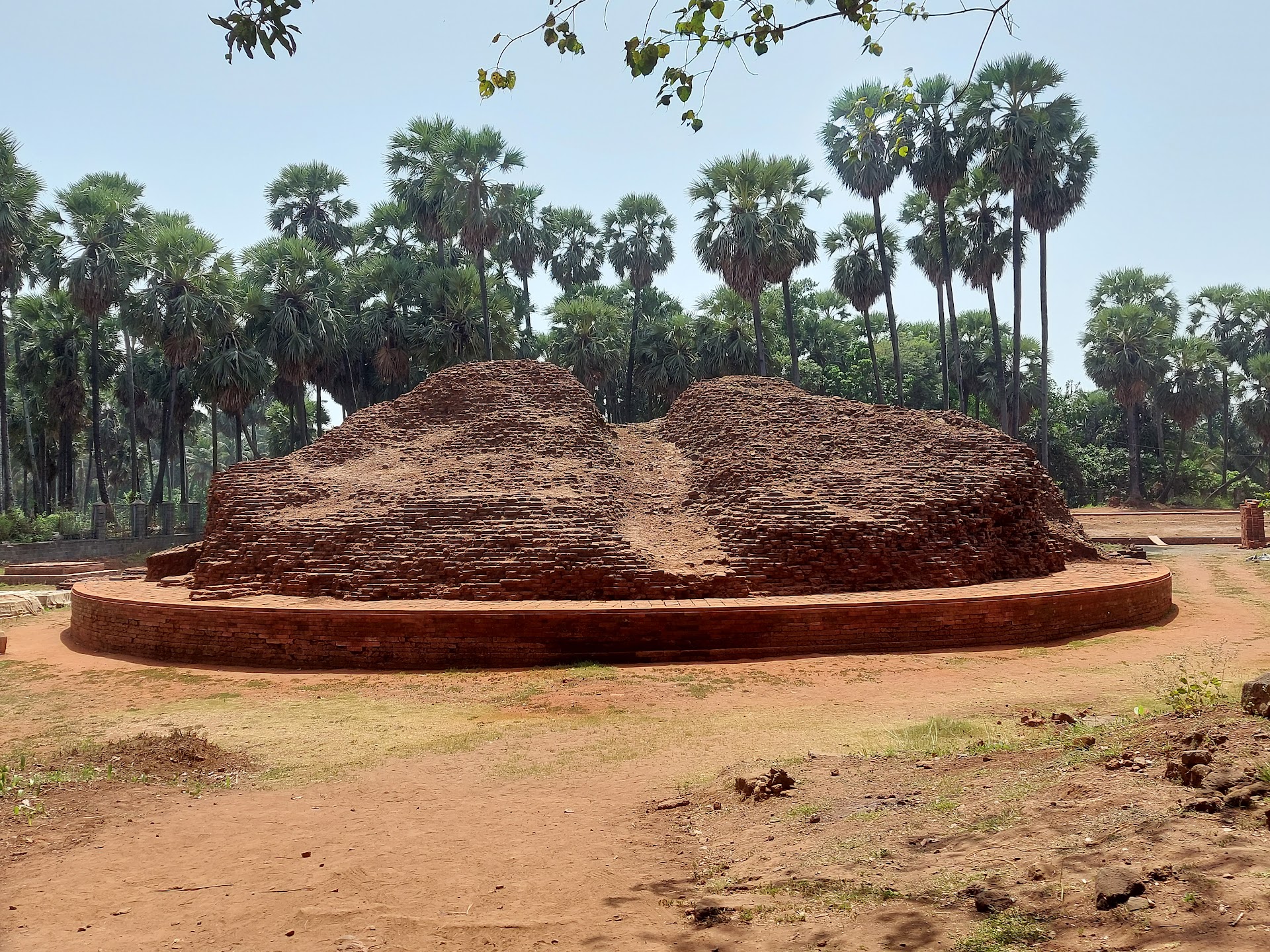
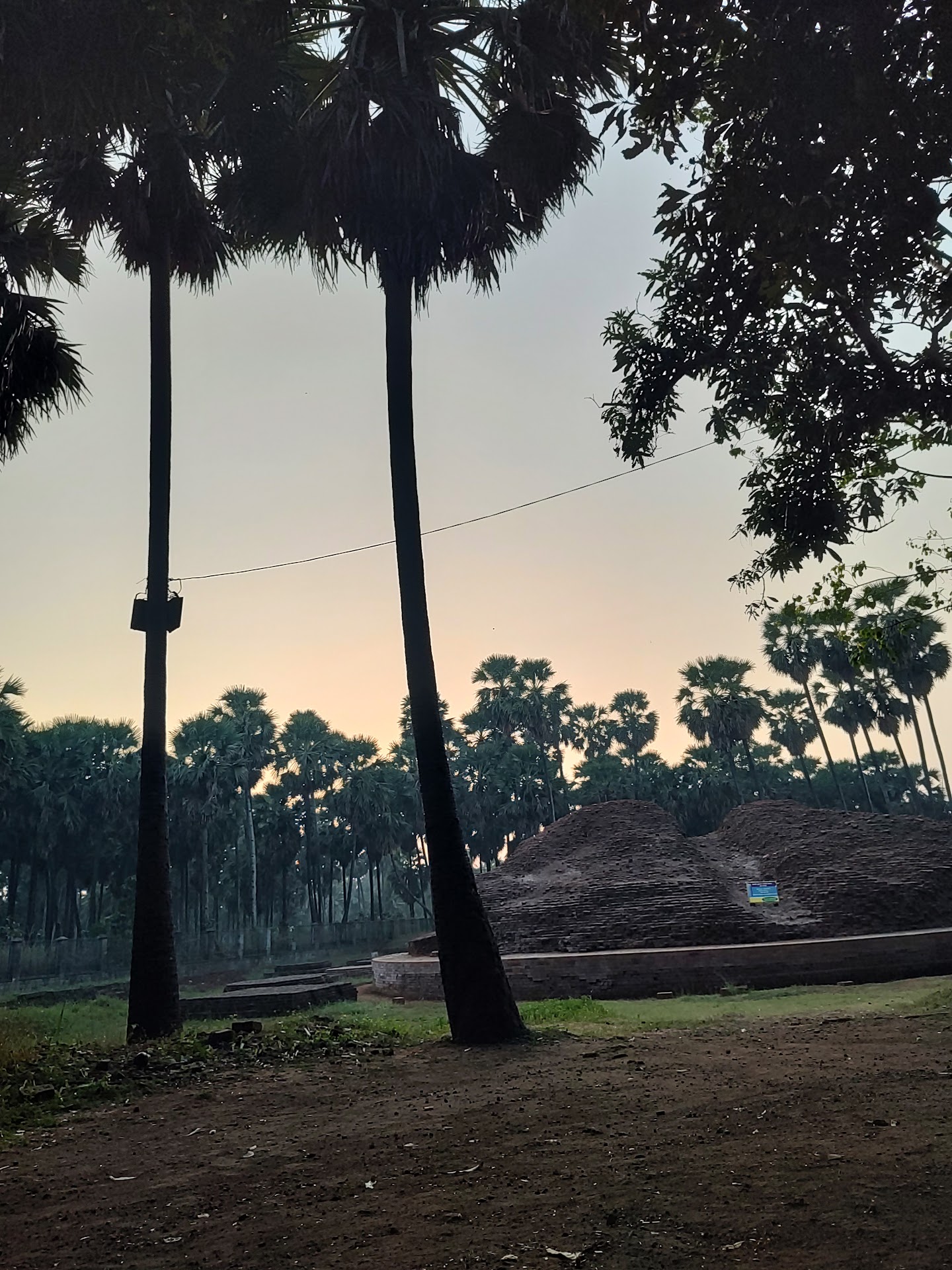
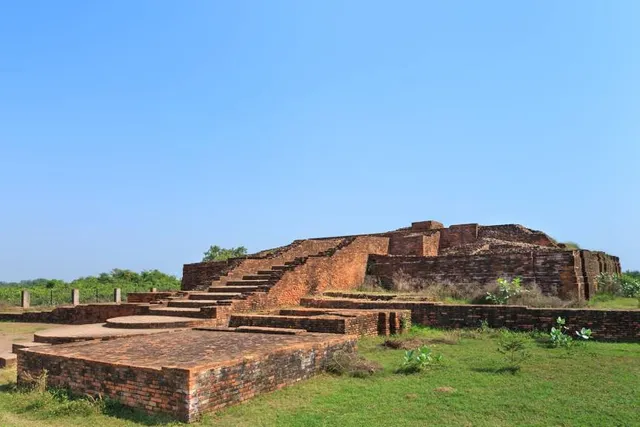
Legend has it that the stupa, supposedly constructed 2,500 years ago by a trader named Poorna, was inaugurated by Gautam Buddha himself. In April 1882, Pandit Bhagwandas Indraji began excavations at this site. Along with the Stupa, he discovered a stone coffer, caskets, gold figures, seals and eight metal sculptures of Buddhist deities that are now preserved in the museum of Asiatic Society of Mumbai. According to the local caretaker of the stupa, the mound is locally know as ‘Burud Rajacha Kot’ or the ‘Fort of the Basket-making King’. The stupa, adorned with sandalwood carvings, is strikingly similar to the stupa in Sanchi, Madhya Pradesh. The mound, which is about 65 yards round the base, rises about 17 feet with steps from the eastern side. Round the mound the foundation of a brick and stone wall can be clearly traced about 56 feet to the north and south and about 96 feet to the east-west of the mound. In the middle of the southern wall, there seem to be the remains of a gate, and in the middle of the east wall there was the main entrance, reveals the dilapidated board right...

   Read more
avatar
5.0
4y

Ancient Buddha Stupa at Nala sopara

As a Proof of Ashokan inscriptions have also been recovered from Sopara, Buddhist text gives details that is was a prominent Buddhist area.

In brief as per local statement This Stupa was constructed by a Trader named PURNA arround 2600 years ago. He was very famous trader of Soprara once during trade tour he visited a place called SHRAVASTI (now in UP) where he first met Shri Gautama Buddha, After listening to some discourse from him he decided to take retirement form this world and he received initiation from Shri Gautama Buddha and become Bhikshu, he stay for some years in JETVAN in SHRAVASTI and take full study of DHAMMA. after that he returned to his origin with a permission from Shri Gautama Buddha. while coming back he brought a Begging Bowl of Shri Gautama Buddha and build a Beautiful Vihara from Chandan Wood with eight...

   Read more
Page 1 of 7
Previous
Next

Posts

MADY VelkarMADY Velkar
Legend has it that the stupa, supposedly constructed 2,500 years ago by a trader named Poorna, was inaugurated by Gautam Buddha himself. In April 1882, Pandit Bhagwandas Indraji began excavations at this site. Along with the Stupa, he discovered a stone coffer, caskets, gold figures, seals and eight metal sculptures of Buddhist deities that are now preserved in the museum of Asiatic Society of Mumbai. According to the local caretaker of the stupa, the mound is locally know as ‘Burud Rajacha Kot’ or the ‘Fort of the Basket-making King’. The stupa, adorned with sandalwood carvings, is strikingly similar to the stupa in Sanchi, Madhya Pradesh. The mound, which is about 65 yards round the base, rises about 17 feet with steps from the eastern side. Round the mound the foundation of a brick and stone wall can be clearly traced about 56 feet to the north and south and about 96 feet to the east-west of the mound. In the middle of the southern wall, there seem to be the remains of a gate, and in the middle of the east wall there was the main entrance, reveals the dilapidated board right outside the stupa.
eshan pansareeshan pansare
In 1882, Pt. Bhagvanlal Indraji, renowned archaeologist, numismatist, epigraphist and Honorary Fellow of the Society, excavated a Buddhist stupa at Nala Sopara near Bombay. The site itself has Mauryan associations and two Asokan edicts have been found. From the centre of the stupa was excavated a large stone coffer containing eight unique Buddhist bronzes of 8th-9th century AD. The coffer also enclosed relic caskets of copper, silver, stone, crystal and gold, along with numerous gold flowers and fragments of a begging bowl believed to have been originally used by Gautama Buddha. Stupa is under restoration by Archaeological Society of India. A protected site which is one of the most important imprints of history in and around the areas of Mumbai. The well known site was built by Ashok the Great in the then know Sopara fort.
Tejbahadur YadavTejbahadur Yadav
This is the only place in Mumbai where the Light of Asia Tathagata Budhha visited himself. The Stupa was originally constructed by the merchant from this place Punna who met Gautam Buddha and then after returning to Suparak (Sopara) constructed a stupa with Sandal wood which he was trading in. Later the greatest king of India, Asoka reconstructed it with Bricks which we see today. Asoka's son and daughter came here and took a boat from Sopara port to Srilanka. This is the most important historical place of Mumbai but very much neglected by the govt of India and govt of Maharashtra both. By seeing the state of this monument, it looks like the govt is ashamed of their past history. Request both govt to preserve it urgently and preserve it well for humankind.
See more posts
See more posts
hotel
Find your stay

Pet-friendly Hotels in Vasai-Virar

Find a cozy hotel nearby and make it a full experience.

Legend has it that the stupa, supposedly constructed 2,500 years ago by a trader named Poorna, was inaugurated by Gautam Buddha himself. In April 1882, Pandit Bhagwandas Indraji began excavations at this site. Along with the Stupa, he discovered a stone coffer, caskets, gold figures, seals and eight metal sculptures of Buddhist deities that are now preserved in the museum of Asiatic Society of Mumbai. According to the local caretaker of the stupa, the mound is locally know as ‘Burud Rajacha Kot’ or the ‘Fort of the Basket-making King’. The stupa, adorned with sandalwood carvings, is strikingly similar to the stupa in Sanchi, Madhya Pradesh. The mound, which is about 65 yards round the base, rises about 17 feet with steps from the eastern side. Round the mound the foundation of a brick and stone wall can be clearly traced about 56 feet to the north and south and about 96 feet to the east-west of the mound. In the middle of the southern wall, there seem to be the remains of a gate, and in the middle of the east wall there was the main entrance, reveals the dilapidated board right outside the stupa.
MADY Velkar

MADY Velkar

hotel
Find your stay

Affordable Hotels in Vasai-Virar

Find a cozy hotel nearby and make it a full experience.

Get the Appoverlay
Get the AppOne tap to find yournext favorite spots!
In 1882, Pt. Bhagvanlal Indraji, renowned archaeologist, numismatist, epigraphist and Honorary Fellow of the Society, excavated a Buddhist stupa at Nala Sopara near Bombay. The site itself has Mauryan associations and two Asokan edicts have been found. From the centre of the stupa was excavated a large stone coffer containing eight unique Buddhist bronzes of 8th-9th century AD. The coffer also enclosed relic caskets of copper, silver, stone, crystal and gold, along with numerous gold flowers and fragments of a begging bowl believed to have been originally used by Gautama Buddha. Stupa is under restoration by Archaeological Society of India. A protected site which is one of the most important imprints of history in and around the areas of Mumbai. The well known site was built by Ashok the Great in the then know Sopara fort.
eshan pansare

eshan pansare

hotel
Find your stay

The Coolest Hotels You Haven't Heard Of (Yet)

Find a cozy hotel nearby and make it a full experience.

hotel
Find your stay

Trending Stays Worth the Hype in Vasai-Virar

Find a cozy hotel nearby and make it a full experience.

This is the only place in Mumbai where the Light of Asia Tathagata Budhha visited himself. The Stupa was originally constructed by the merchant from this place Punna who met Gautam Buddha and then after returning to Suparak (Sopara) constructed a stupa with Sandal wood which he was trading in. Later the greatest king of India, Asoka reconstructed it with Bricks which we see today. Asoka's son and daughter came here and took a boat from Sopara port to Srilanka. This is the most important historical place of Mumbai but very much neglected by the govt of India and govt of Maharashtra both. By seeing the state of this monument, it looks like the govt is ashamed of their past history. Request both govt to preserve it urgently and preserve it well for humankind.
Tejbahadur Yadav

Tejbahadur Yadav

See more posts
See more posts