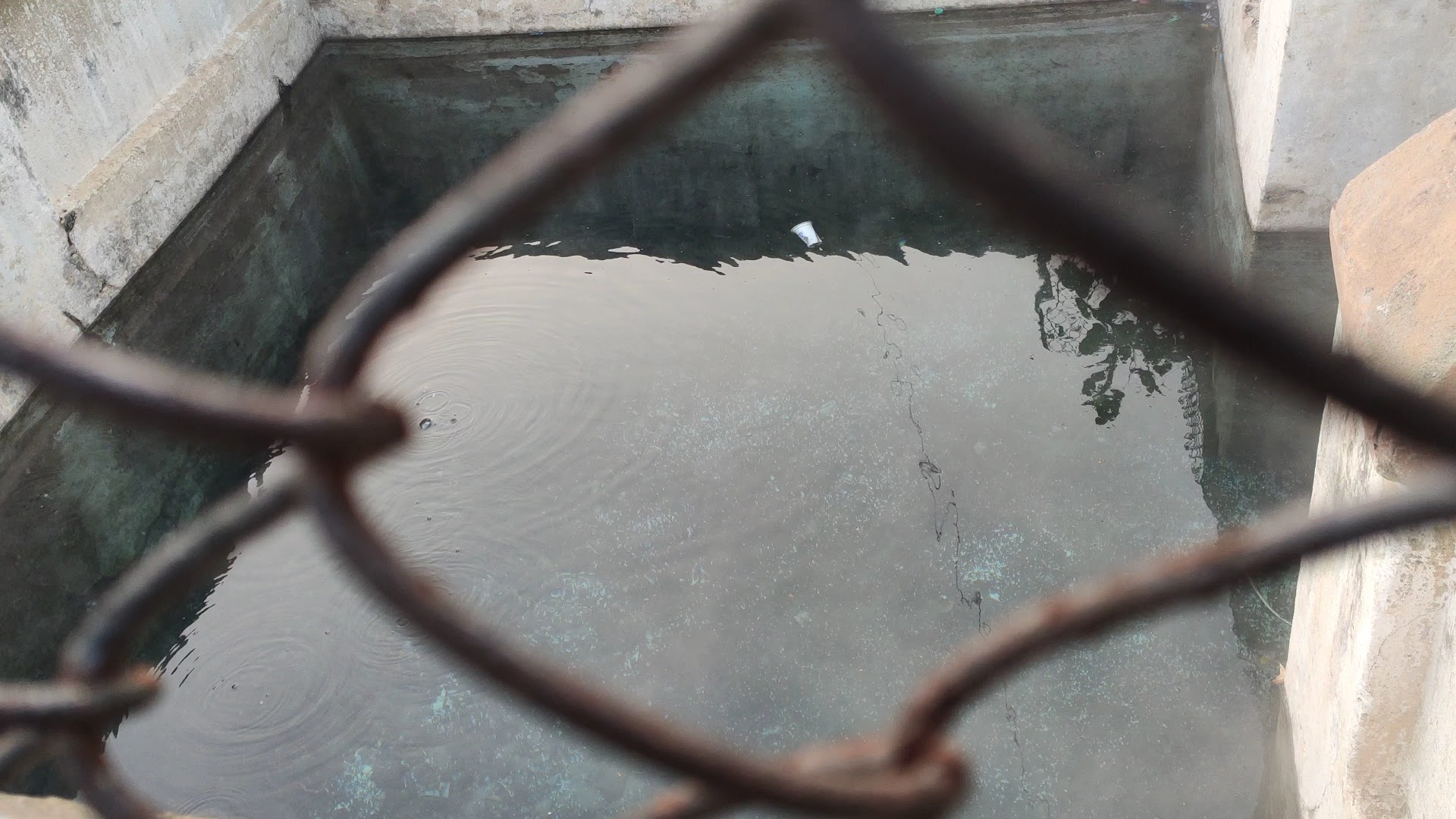
Bakreshwar Hot Spring, located in the Birbhum district of West Bengal, is a renowned natural and spiritual destination that draws both pilgrims and tourists alike. Situated in the village of Bakreshwar, this place is famous for its cluster of ten natural hot springs, embedded amid the scenic landscape along the banks of the Bakreshwar River. This area combines religious significance, natural wonder, and potential health benefits, making it a unique and captivating visit for travelers.
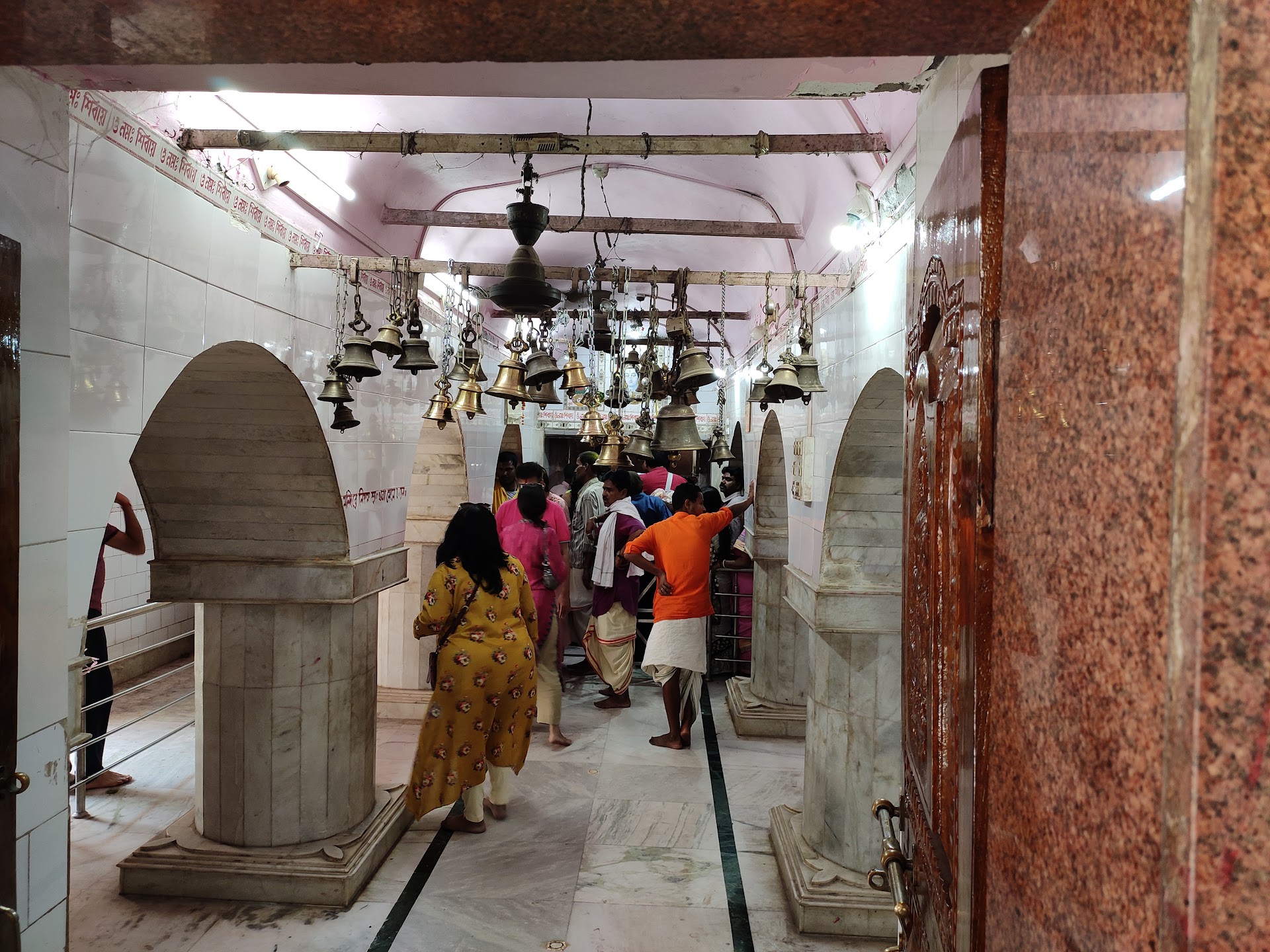
The name "Bakreshwar" originates from Lord Shiva, worshipped here, with a story tied to the sage Ashtavakra Muni who is believed to have performed intense meditation and received blessings from Shiva at this place. The hot springs themselves are considered sacred and lie in proximity to important temples, including the main Bakreshwar Temple, Ma Bhavatarini Mandir, Mahisasur Mardini Temple, and Bhairabnath Temple, all of which bolster Bakreshwar's stature as a major pilgrimage site and one of the 51 Shakti Peethas.
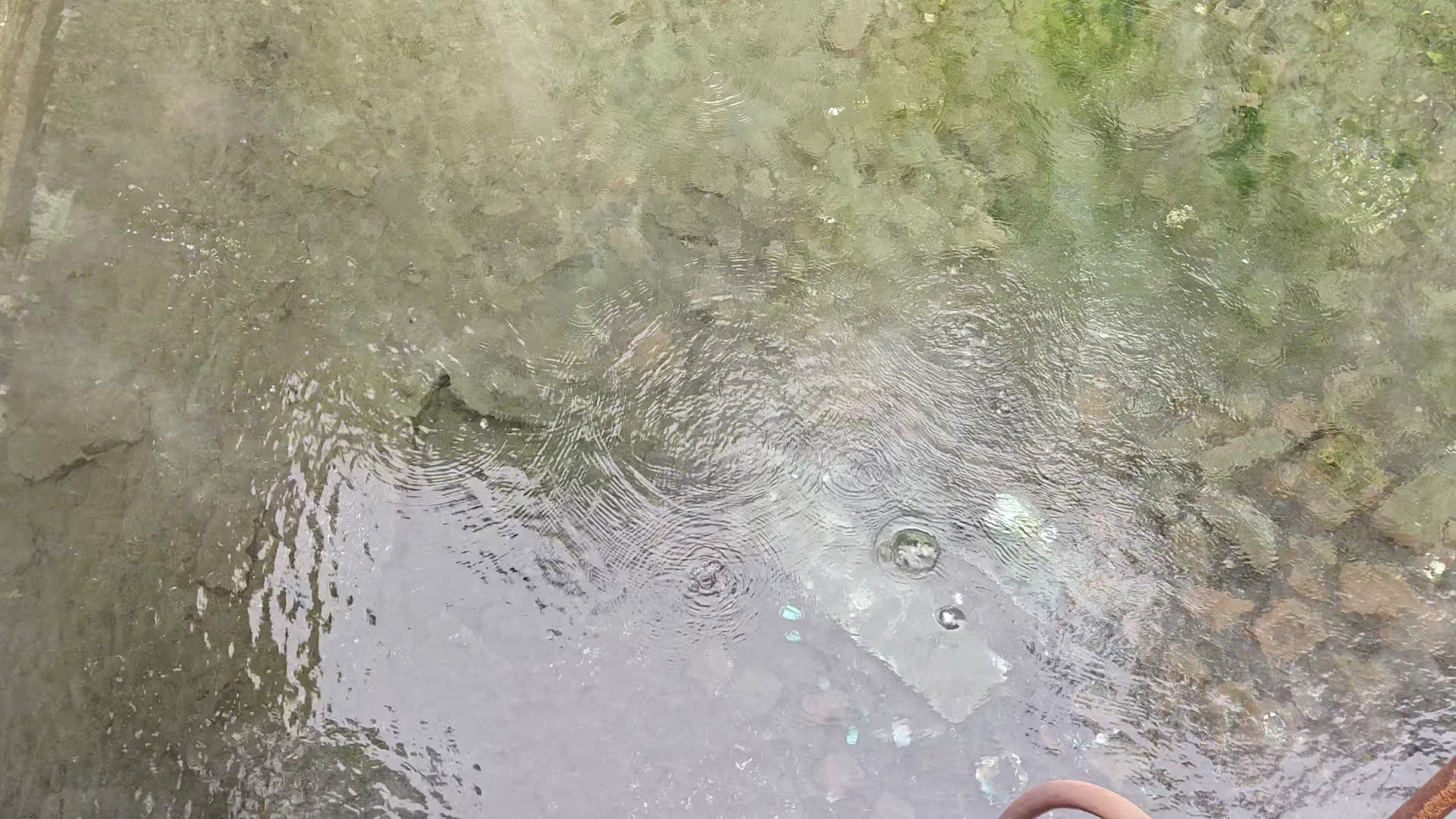
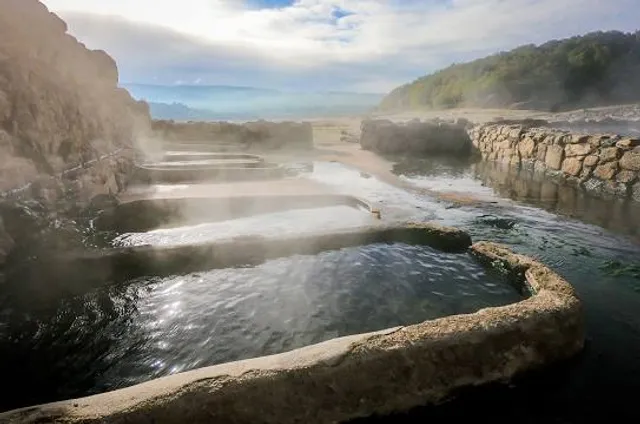
The ten hot springs here each have distinct names—such as Agni Kunda, Khar Kunda, Bhairav Kunda, Surya Kunda, Dudh Kunda, and Brahma Kunda—and their temperatures vary from around 35°C to as high as 80°C. Agni Kunda, or fire spring, is notable for its very hot waters and the presence of minerals including sodium, potassium, calcium, silicates, chlorides, bicarbonates, and sulphates. These mineral-rich waters are believed to have therapeutic and medicinal properties, attracting people seeking relief from various ailments. Local belief holds that bathing in or even dipping hands and feet in these springs provides healing powers and spiritual cleansing.
The natural hot springs create a serene and mystical atmosphere which is well complemented by the traditional temples nearby. The architectural beauty of the Bakreshwar Temple, along with the calm surroundings beside the hot springs, offers visitors a blend of spiritual solace and natural relaxation. The springs' steam rising from the waters, especially during the cooler months, adds to the visual enchantment.
From a practical standpoint, Bakreshwar is accessible by road and rail; it lies about 230 kilometers from Kolkata and roughly 85 kilometers from Durgapur. The nearest railway station is Sainthia Junction, from where visitors can easily take local transport or taxis to the hot spring area. For tourists and pilgrims alike, this accessibility combined with the peaceful environment makes Bakreshwar a favored weekend or pilgrimage destination. Accommodations range from simple guesthouses to lodging options that cater to the steady influx of visitors.
Though bathing directly in the natural springs has been restricted in recent times by authorities to maintain hygiene and preserve the springs, piped hot water sourced from them is available for therapeutic use. The West Bengal government has developed the site as a tourist center, enhancing visitor safety while preserving its natural charm.
Overall, Bakreshwar Hot Spring is a fascinating amalgamation of natural geothermal activity, religious heritage, and folklore. It offers visitors a spiritual retreat enriched with the soothing warmth of mineral-rich waters and the divine aura of ancient temples. Whether one visits for the reputed healing qualities of its hot springs, to explore its religious significance, or simply to enjoy the serene ambiance, Bakreshwar provides a memorable and tranquil experience that resonates deeply with both...
Read moreA cluster of hot springs (350C -710C) in Bakreswar geothermal area which belongs to the Chotanagpur gneissic complex in the eastern part of Peninsular India is characterized by varying temperature and similar chemical composition. Vertical Electrical Sounding (VES) investigation in and around Bakreswar reveal the presence of two to four prominent lithologic layers under prevailing hydrodynamic conditions. The bottom most layer is the compact basement crystalline having mostly high resisitivity. Groundwater is mainly confined in intermediate weathered and fractured zones forming an unconfined aquifer. Lithology and groundwater conditions, as inferred from VES, as well as hydrological studies, are in agreement with the nearby borehole logs. 1 D interpretation of VES results reveals few promising groundwater potential zones in the eastern part of the region. Wenner resisitivity profiling, coupled with VES and geological studies, indicate the presence of a nearly N−S striking buried fault providing passage for hot water to emerge in the form of springs. Combined geological,geophysical,hydrological and geochemical studies on Bakreswar thermal springs indicate that the thermal spring waters are mixture of hot ascending water and shallow nonthermal ground water of the area .A quantitative estimation for the degree of mixing has been made from “Silica –Enthalpy Mixing Model” as proposed by Fournier et al(1974).From silica–enthalpy relationship,Degree of mixing of deep seated thermal water component has been estimated to be around 27% with an inferred temperature of about 188 0 C. Water from the shallow aquifer is chemically of Na-HCO3 type with near neutral pH and little F- in marked contrast to thermal spring water which is Na mixed anion type with alkaline pH and characteristically enriched in F- . Convective geoheat discharge from Agnikund has been estimated to be about 1158 Kw-hr which is equivalent to heat liberated by burning 0.14 tonne of coal. Keywords: Thermal spring, Chotanagpur gneissic complex,Vertical Electrical sounding, ...
Read morekreswar is a great pilgrimage in the district of Birbhum.The village is located 18 kms South West of Suri about 6 miles to the northwest of Dubrajpur railway station on the ndal- sainthia railway section of the Eastern Railway The word Bakreshwar comes from the name of Lord Shiva.2 Bakra means bent or curved Ishwar means God.3 has a rich cultural heritage and a glorious past . The region has played a significant role in the history , both in the ancient and medieval ages.A wonderful location to visit, a place for those who want to relish the charm of rich cultural heritage and beauty of Birbhum. The Shakti Peethas seat of Shakti are places of worship consecrated to the goddess and the main deity of the Shakta sect. It is a “Non-Vedic beliefs and practices that emphasized the existence in man of divine powers that could be activated and experienced by means of special spiritual procedures.”According to the Hindu mythology When Sati, the wife of Shiva and the first incarnation of Parvati, Sacrificed herself at a yagna performed by her father King Daksha; a very distraught Shiva started dancing with her body. The world was terrorized from this Tandava Nritya and to stop the devastating penance, Vishnu used his Sudarshan Chakra and completely cut up Sati's Body in several pieces. Wherever a piece of the Divine Mother‟s body fell on earth, that place became a Shakti Pitha a temple was erected to commemorate different manifestations of Shiva and Parvati and became a Hindu pilgrimage.The are scattered from present day Pakistan, India, Sri Lanka, Bangladesh and Nepal. Bakreswar is among the 51 Shakti pith s where Sati's fore-head and eye-brows fellwas established in the subcontinent.5 This place is also famous as one of the 51 Shakti Pithas where there is a temple dedicated...
Read more