HTML SitemapExplore
logo
Find Things to DoFind The Best Restaurants

Dutch Cemetery — Attraction in West Bengal

Name
Dutch Cemetery
Description
Nearby attractions
Nearby restaurants
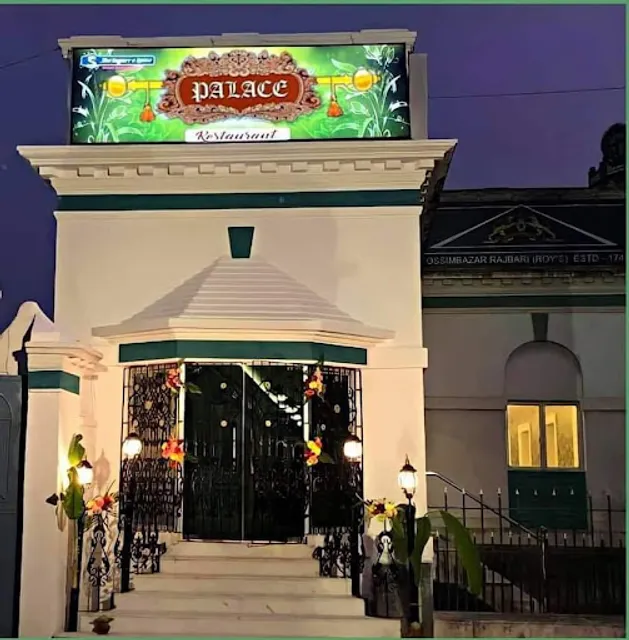
Palace Restaurant
Palace of the Roys (Rajbari, 12, Cossimbazar Rd, Raninagar, Cossimbazar, Kasim Bazar, Berhampore, West Bengal 742102, India
The Cafe Adda 99
47F5+G8, B. Ed collage, more, Mohon Roy Para, Berhampore, West Bengal 742103, India
Nearby hotels
COSSIMBAZAR PALACE OF THE ROYS (RAJBARI)
12, Cossimbazar Rd, Raninagar, Rajbari Para, Kasim Bazar, Berhampore, West Bengal 742102, India
Samriddhi Banquet Garden & Resorts
39/2, Roshganj Rd, Raninagar, Cossimbazar, Berhampore, West Bengal 742102, India
Related posts
Keywords
Dutch Cemetery tourism.Dutch Cemetery hotels.Dutch Cemetery bed and breakfast. flights to Dutch Cemetery.Dutch Cemetery attractions.Dutch Cemetery restaurants.Dutch Cemetery travel.Dutch Cemetery travel guide.Dutch Cemetery travel blog.Dutch Cemetery pictures.Dutch Cemetery photos.Dutch Cemetery travel tips.Dutch Cemetery maps.Dutch Cemetery things to do.
Dutch Cemetery things to do, attractions, restaurants, events info and trip planning
Dutch Cemetery
IndiaWest BengalDutch Cemetery

Basic Info

Dutch Cemetery

47F8+CGQ, Swami Akhandananda Sarani Rd, Raninagar, Cossimbazar, Berhampore, West Bengal 742102, India
4.3(158)
Open until 12:00 AM
Save
spot

Ratings & Description

Info

Cultural
Scenic
attractions: , restaurants: Palace Restaurant, The Cafe Adda 99
logoLearn more insights from Wanderboat AI.
Open hoursSee all hours
TueOpen 24 hoursOpen

Plan your stay

hotel
Pet-friendly Hotels in West Bengal
Find a cozy hotel nearby and make it a full experience.
hotel
Affordable Hotels in West Bengal
Find a cozy hotel nearby and make it a full experience.
hotel
The Coolest Hotels You Haven't Heard Of (Yet)
Find a cozy hotel nearby and make it a full experience.
hotel
Trending Stays Worth the Hype in West Bengal
Find a cozy hotel nearby and make it a full experience.

Reviews

Nearby restaurants of Dutch Cemetery

Palace Restaurant

The Cafe Adda 99

Palace Restaurant

Palace Restaurant

2.9

(10)

Click for details
The Cafe Adda 99

The Cafe Adda 99

4.5

(10)

Click for details
Get the Appoverlay
Get the AppOne tap to find yournext favorite spots!
Wanderboat LogoWanderboat

Your everyday Al companion for getaway ideas

CompanyAbout Us
InformationAI Trip PlannerSitemap
SocialXInstagramTiktokLinkedin
LegalTerms of ServicePrivacy Policy

Get the app

© 2025 Wanderboat. All rights reserved.
logo

Reviews of Dutch Cemetery

4.3
(158)
avatar
5.0
8y

Bengal was a directorate of the Dutch East India Company in Bengal between 1610 until the company's liquidation in 1800. It then became a colony of the Kingdom of the Netherlands until 1825, when it was relinquished to the British according to theAnglo-Dutch Treaty of 1824. Dutch presence in the region started by the establishment of a trading post at Pipili in the mouth of Subarnarekha river in Odisha. The former colony is part of what is today called Dutch India.

Dutch East India Company factory in Hugli-Chuchura, Bengal. Hendrik van Schuylenburgh, 1665


Chinsura.

From 1615 onwards, the Dutch East India Company traded with Bengals. In 1627, a trading post was established in Pipely. In 1635 a settlement was established atChinsurah[2] adjacent to Hooghly to trade in opium, salt, muslin and spices. They built a fort called Fort Gustavus, a church and several other buildings. A famous Frenchman, General Perron who served as military advisor to the Mahrattas, settled in this Dutch colony and built a large house here.

Trade thrived in Bengal in the early eighteenth century, to such an extent that the administrators of the Dutch East India Company allowed Hooghly-Chinsura in 1734 to trade directly with the Dutch Republic, instead of first delivering their goods to Batavia. The only other Dutch East India Company settlement to have this right wasDutch Ceylon.

Dutch control over Bengal was waning in the face of Anglo-French rivalry in India in the middle of the eighteenth century, and their status in Bengal was reduced to that of a minor power with the British victory in theBattle of Plassey in 1757.

Dutch Bengal was occupied by British forces in 1795, owing to the Kew Letters written by Dutch stadtholder William V, Prince of Orange, to prevent the colony from being occupied by France. The Anglo-Dutch Treaty of 1814restored the colony to Dutch rule, but with the desire to divide the Indies into two separate spheres of influence, the Dutch ceded all their establishment on the Indian peninsula to the British with the Anglo-Dutch Treaty of 1824.

Fort Gustavus has since been obliterated from the face of Chinsurah and the church collapsed recently due to disuse, but much of the Dutch heritage remains. These include old barracks now Chinsurah Court, the Governor's residence, General Perron's house, now theChinsurah College known as Hooghly Mohsin College and the old Factory Building, now the office of the Divisional Commissioner. Hugli-Chinsurah is now the district town of the Hooghly district in...

   Read more

avatar
5.0
2y

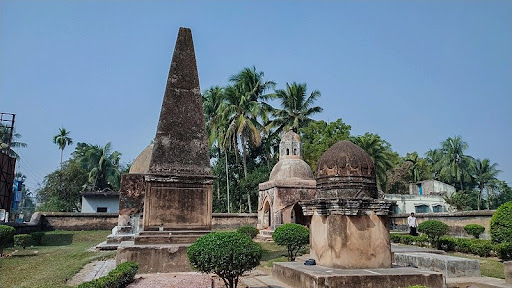
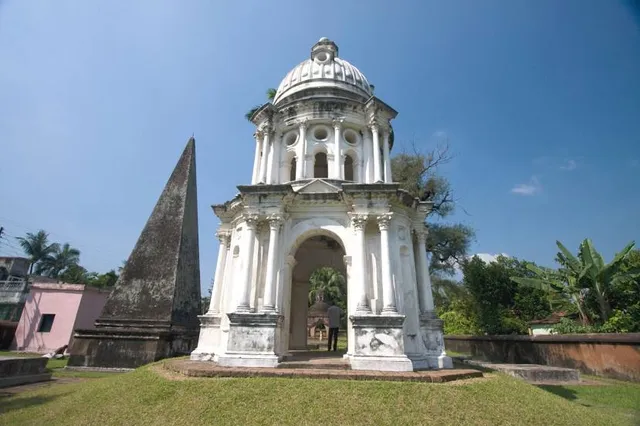
A scene from Dutch cemetery, Cossimbazar, India where deposited the remains of Dutch residents who departed their lives during service for “Dutch East India Company” in India.

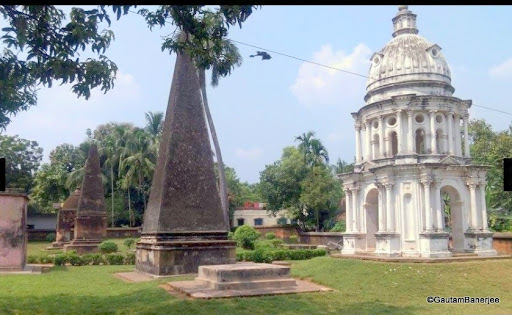
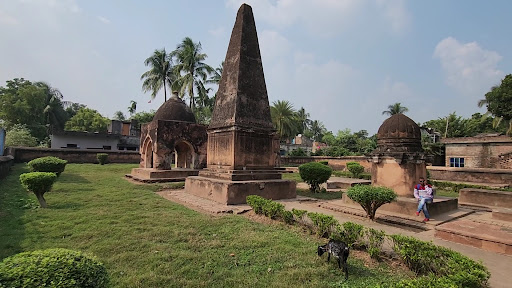
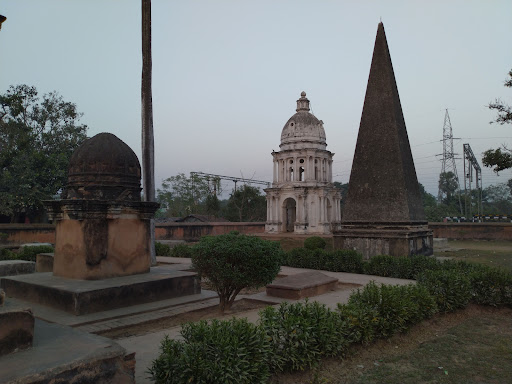
The Dutch Cemetery is located next to the Cossimbazar railway station at Murshidabad District in West Bengal where the Dutch owned huge factories in the year 1666 AD were based. The legacy of the Dutch has been ruined and small tombs of 43 in number remain to this day. Most of the monuments were built between 1721 and 1792 AD. The oldest monument at the Dutch cemetery belongs to Daniel van der Muyl who died in 1721. Most of the monuments are pyramidal in shape with cenotaphs mentioning the names. The cemetery is maintained by the Archaeological Survey of India.

The “Dutch East India Company” was a chartered company established in 1602, when the States General of the Netherlands granted it a monopoly to carry out trade activities in Asia. This was the first true multinational corporation. Their initial goal was to develop trade links for precious commodities such as pepper and as time progressed they became increasingly involved in the control and development of their respective territories. Between 1602 and 1796 the “Dutch East India Company” sent almost a million Europeans to work in the Asia trade on 4,785 ships. By contrast, the rest of Europe combined sent only 882,412 people from 1500 to 1795. Their nearest competitor was “British East India Company”. The “Dutch East India Company” remained an important trading concern for almost two centuries.

Bengal was a directorate of the “Dutch East India Company” in Bengal between 1610 until the company's liquidation in 1800 due to Bankruptcy. From 1615 onwards, the “Dutch East India Company” traded with Bengal. In 1635 a settlement was established at Chinsurah adjacent to the Ganges river in Hooghly district of Bengal to trade in opium, salt, muslin and spices. Cossimbazar & Chinsurah were the main places where the...

   Read more
avatar
5.0
12w

The Dutch Cemetery in Berhampore, also known as the Cossimbazar Dutch Cemetery, is a historically significant site that offers a tangible link to the colonial past of Bengal. It serves as a reminder of the Dutch presence in the region, particularly during the 17th and 18th centuries when Cossimbazar flourished as a major international trading hub. The cemetery, now a protected monument under the Archaeological Survey of India (ASI), contains the final resting places of Dutch traders, officials, and their families who lived and worked in the area. The maintenance by the ASI ensures the preservation of these monuments, which include around 47 tombs and obelisks, with the oldest known grave dating back to 1721. These monuments, many of which are pyramidal in shape, bear cenotaphs with names of the deceased, providing valuable historical data. The importance of the Dutch Cemetery lies in its ability to offer a glimpse into a time when multiple European powers, including the Dutch, were active in Bengal's trade and commerce, long before the British established their dominance. The peaceful and tranquil atmosphere, coupled with the historical weight of the monuments, makes it a compelling site for those interested in the diverse and complex history of colonial India. To reach the Dutch Cemetery from Berhampore, it is located in Cossimbazar, near the Cossimbazar railway station. It is a short journey, approximately 4-5 kilometers, and can be easily reached by a local vehicle like a cycle rickshaw, auto-rickshaw, or a toto (e-rickshaw). The best time to visit the cemetery, and indeed the entire Murshidabad-Berhampore region, is during the winter months, from October to March, when the weather is pleasant and comfortable for exploring. The cemetery is generally open to visitors with...

   Read more
Page 1 of 7
Previous
Next

Posts

SUBHAM KUNDUSUBHAM KUNDU
A scene from Dutch cemetery, Cossimbazar, India where deposited the remains of Dutch residents who departed their lives during service for “Dutch East India Company” in India. The Dutch Cemetery is located next to the Cossimbazar railway station at Murshidabad District in West Bengal where the Dutch owned huge factories in the year 1666 AD were based. The legacy of the Dutch has been ruined and small tombs of 43 in number remain to this day. Most of the monuments were built between 1721 and 1792 AD. The oldest monument at the Dutch cemetery belongs to Daniel van der Muyl who died in 1721. Most of the monuments are pyramidal in shape with cenotaphs mentioning the names. The cemetery is maintained by the Archaeological Survey of India. The “Dutch East India Company” was a chartered company established in 1602, when the States General of the Netherlands granted it a monopoly to carry out trade activities in Asia. This was the first true multinational corporation. Their initial goal was to develop trade links for precious commodities such as pepper and as time progressed they became increasingly involved in the control and development of their respective territories. Between 1602 and 1796 the “Dutch East India Company” sent almost a million Europeans to work in the Asia trade on 4,785 ships. By contrast, the rest of Europe combined sent only 882,412 people from 1500 to 1795. Their nearest competitor was “British East India Company”. The “Dutch East India Company” remained an important trading concern for almost two centuries. Bengal was a directorate of the “Dutch East India Company” in Bengal between 1610 until the company's liquidation in 1800 due to Bankruptcy. From 1615 onwards, the “Dutch East India Company” traded with Bengal. In 1635 a settlement was established at Chinsurah adjacent to the Ganges river in Hooghly district of Bengal to trade in opium, salt, muslin and spices. Cossimbazar & Chinsurah were the main places where the Dutch traded.
Gautam BanerjeeGautam Banerjee
Cossimbazar was one of the most important commercial towns in Bengal from the 16th century to the early 19th century, when it experienced a decline in its wealth and population. Though the history of the place cannot be traced back earlier than the 17th century, it was of great importance long before the foundation of Murshidabad. From the first European traders set up factories here, and after the ruin of Satgaon by the silting up of the mouth of the Saraswati river it gained a position, as the great trading centre of Bengal, which was not challenged until after the foundation of Calcutta. The English, Dutch and French East India companies all maintained factories at Cossimbazar. In 1658 the first English agent of the East India Company (EIC) was established there, and in 1667 the chief of the factory there became an ex officio member of council. In English documents of this period, and till the early 19th century, the Hooghly River was described as the “Cossimbazar river”, and the triangular piece of land between the Hooghly, Padma and Jalangi, on which the city stands, as the island of Cossimbazar. The proximity of the factory to Murshidabad, the capital of the Nawabs of Bengal, while it was the main source of its wealth and of its political importance.Only a few graves amongst the 45 odd graves in this cemetary are in good shape and  is now maintained by the Archaeological Survey of India.
PARTHA BHATTACHARJEEPARTHA BHATTACHARJEE
This is a Cemetery for 47 Dutch people who worked in a the then Dutch factory (18th century) and died here at Murshidabad during its heydays long back when Nawabs / Britishers ruled. Although its a protected site and declared as a Monument of National importance by ASI, its maintenence needs to be improved. Specially some writeups should be made available at the place detailing the historical importance of the site and other related information. Strange to see with so many historical places to see and enjoy Murshidabad has still not developed into a prime tourist location of WestBengal. Its located near a railway level crossing near Cossimbazar railway station. Worth visiting if time permits.
See more posts
See more posts
hotel
Find your stay

Pet-friendly Hotels in West Bengal

Find a cozy hotel nearby and make it a full experience.

A scene from Dutch cemetery, Cossimbazar, India where deposited the remains of Dutch residents who departed their lives during service for “Dutch East India Company” in India. The Dutch Cemetery is located next to the Cossimbazar railway station at Murshidabad District in West Bengal where the Dutch owned huge factories in the year 1666 AD were based. The legacy of the Dutch has been ruined and small tombs of 43 in number remain to this day. Most of the monuments were built between 1721 and 1792 AD. The oldest monument at the Dutch cemetery belongs to Daniel van der Muyl who died in 1721. Most of the monuments are pyramidal in shape with cenotaphs mentioning the names. The cemetery is maintained by the Archaeological Survey of India. The “Dutch East India Company” was a chartered company established in 1602, when the States General of the Netherlands granted it a monopoly to carry out trade activities in Asia. This was the first true multinational corporation. Their initial goal was to develop trade links for precious commodities such as pepper and as time progressed they became increasingly involved in the control and development of their respective territories. Between 1602 and 1796 the “Dutch East India Company” sent almost a million Europeans to work in the Asia trade on 4,785 ships. By contrast, the rest of Europe combined sent only 882,412 people from 1500 to 1795. Their nearest competitor was “British East India Company”. The “Dutch East India Company” remained an important trading concern for almost two centuries. Bengal was a directorate of the “Dutch East India Company” in Bengal between 1610 until the company's liquidation in 1800 due to Bankruptcy. From 1615 onwards, the “Dutch East India Company” traded with Bengal. In 1635 a settlement was established at Chinsurah adjacent to the Ganges river in Hooghly district of Bengal to trade in opium, salt, muslin and spices. Cossimbazar & Chinsurah were the main places where the Dutch traded.
SUBHAM KUNDU

SUBHAM KUNDU

hotel
Find your stay

Affordable Hotels in West Bengal

Find a cozy hotel nearby and make it a full experience.

Get the Appoverlay
Get the AppOne tap to find yournext favorite spots!
Cossimbazar was one of the most important commercial towns in Bengal from the 16th century to the early 19th century, when it experienced a decline in its wealth and population. Though the history of the place cannot be traced back earlier than the 17th century, it was of great importance long before the foundation of Murshidabad. From the first European traders set up factories here, and after the ruin of Satgaon by the silting up of the mouth of the Saraswati river it gained a position, as the great trading centre of Bengal, which was not challenged until after the foundation of Calcutta. The English, Dutch and French East India companies all maintained factories at Cossimbazar. In 1658 the first English agent of the East India Company (EIC) was established there, and in 1667 the chief of the factory there became an ex officio member of council. In English documents of this period, and till the early 19th century, the Hooghly River was described as the “Cossimbazar river”, and the triangular piece of land between the Hooghly, Padma and Jalangi, on which the city stands, as the island of Cossimbazar. The proximity of the factory to Murshidabad, the capital of the Nawabs of Bengal, while it was the main source of its wealth and of its political importance.Only a few graves amongst the 45 odd graves in this cemetary are in good shape and  is now maintained by the Archaeological Survey of India.
Gautam Banerjee

Gautam Banerjee

hotel
Find your stay

The Coolest Hotels You Haven't Heard Of (Yet)

Find a cozy hotel nearby and make it a full experience.

hotel
Find your stay

Trending Stays Worth the Hype in West Bengal

Find a cozy hotel nearby and make it a full experience.

This is a Cemetery for 47 Dutch people who worked in a the then Dutch factory (18th century) and died here at Murshidabad during its heydays long back when Nawabs / Britishers ruled. Although its a protected site and declared as a Monument of National importance by ASI, its maintenence needs to be improved. Specially some writeups should be made available at the place detailing the historical importance of the site and other related information. Strange to see with so many historical places to see and enjoy Murshidabad has still not developed into a prime tourist location of WestBengal. Its located near a railway level crossing near Cossimbazar railway station. Worth visiting if time permits.
PARTHA BHATTACHARJEE

PARTHA BHATTACHARJEE

See more posts
See more posts