HTML SitemapExplore

Ghagar Buri Chandi Mata Temple — Attraction in West Bengal

Name
Ghagar Buri Chandi Mata Temple
Description
Ghaghar Burhi, is a small shrine dedicated to Goddess Kali Mata. It is located in Asansol city, by the side of the National Highway in West Bengal, India. It is the oldest temple of Asansol. A country fair is held in this Temple on 15 January every year. Animals are sacrificed as part of worship.
Nearby attractions
Nearby restaurants
Nearby local services
Nearby hotels
Hotel The Aparna Residency, Lodge and Restuarant
Grand Trunk Rd, Ushagram, Asansol, West Bengal 713303, India
Related posts
Keywords
Ghagar Buri Chandi Mata Temple tourism.Ghagar Buri Chandi Mata Temple hotels.Ghagar Buri Chandi Mata Temple bed and breakfast. flights to Ghagar Buri Chandi Mata Temple.Ghagar Buri Chandi Mata Temple attractions.Ghagar Buri Chandi Mata Temple restaurants.Ghagar Buri Chandi Mata Temple local services.Ghagar Buri Chandi Mata Temple travel.Ghagar Buri Chandi Mata Temple travel guide.Ghagar Buri Chandi Mata Temple travel blog.Ghagar Buri Chandi Mata Temple pictures.Ghagar Buri Chandi Mata Temple photos.Ghagar Buri Chandi Mata Temple travel tips.Ghagar Buri Chandi Mata Temple maps.Ghagar Buri Chandi Mata Temple things to do.
Ghagar Buri Chandi Mata Temple things to do, attractions, restaurants, events info and trip planning
Ghagar Buri Chandi Mata Temple
IndiaWest BengalGhagar Buri Chandi Mata Temple

Basic Info

Ghagar Buri Chandi Mata Temple

M2M4+5H9, Ma ghagarburi Mandir Kalipahari Asansol Paschim, Domohani Railway Colony, Asansol, West Bengal 713339, India
4.7(2.3K)
Closed
Save
spot

Ratings & Description

Info

Ghaghar Burhi, is a small shrine dedicated to Goddess Kali Mata. It is located in Asansol city, by the side of the National Highway in West Bengal, India. It is the oldest temple of Asansol. A country fair is held in this Temple on 15 January every year. Animals are sacrificed as part of worship.

Cultural
Accessibility
attractions: , restaurants: , local businesses:

logoLearn more insights from Wanderboat AI.
Open hoursSee all hours
Tue7 AM - 7 PMClosed

Plan your stay

hotel
Pet-friendly Hotels in West Bengal
Find a cozy hotel nearby and make it a full experience.
hotel
Affordable Hotels in West Bengal
Find a cozy hotel nearby and make it a full experience.
hotel
The Coolest Hotels You Haven't Heard Of (Yet)
Find a cozy hotel nearby and make it a full experience.
hotel
Trending Stays Worth the Hype in West Bengal
Find a cozy hotel nearby and make it a full experience.

Reviews

Get the Appoverlay
Get the AppOne tap to find yournext favorite spots!
Wanderboat LogoWanderboat

Your everyday Al companion for getaway ideas

CompanyAbout Us
InformationAI Trip PlannerSitemap
SocialXInstagramTiktokLinkedin
LegalTerms of ServicePrivacy Policy

Get the app

Š 2025 Wanderboat. All rights reserved.

Posts

Souuvik BeraSouuvik Bera
"āϚāĻ¨ā§āĻĄā§€" āĻŦāĻž "āϚāĻ¨ā§āĻĄāĻŋāĻ•āĻž" āĻĻ⧇āĻŦā§€āϰ āωāĻ˛ā§āϞ⧇āĻ– āĻŽā§‡āϞ⧇ āĻŽāĻžāĻ°ā§āĻ•āĻ¨ā§āĻĄā§‡āϝāĻŧ āĻĒ⧁āϰāĻžāϪ⧇āϰ ā§Žā§§āϤāĻŽ āĻĨ⧇āϕ⧇ ā§¯ā§ŠāϤāĻŽ āĻ…āĻ§ā§āϝāĻžāϝāĻŧ⧇, āĻāχ āϤ⧇āϰ⧋ āϟāĻŋ āĻ…āĻ§ā§āϝāĻžāϝāĻŧāϕ⧇ "āĻĻ⧇āĻŦā§€āĻŽāĻžāĻšāĻžāĻ¤ā§āĻŽā§āϝ" āĻŦāĻž "āĻļā§āϰ⧀āĻļā§āϰ⧀āϚāĻŖā§āĻĄā§€" āĻ…āĻ§ā§āϝāĻžāϝāĻŧāĻ“ āĻŦāϞāĻž āĻšāϝāĻŧāĨ¤ āϚāĻ¨ā§āĻĄā§€ āĻŦāĻž āϚāĻ¨ā§āĻĄāĻŋāĻ•āĻž āύāĻžāĻŽā§‡āϰ āĻ…āĻ°ā§āĻĨ āĻĒā§āϰāϚāĻ¨ā§āĻĄ āĻļāĻ•ā§āϤāĻŋāĻļāĻžāϞ⧀āĨ¤ āĻļāĻžāĻ¸ā§āĻ¤ā§āϰ⧀āϝāĻŧ āĻŦā§āϝāĻžāĻ–ā§āϝāĻž āĻ…āύ⧁āϝāĻžāϝāĻŧā§€, āϚāĻ¨ā§āĻĄā§€ āĻŦā§āϰāĻšā§āĻŽāĻļāĻ•ā§āϤāĻŋ āĻŦāĻž āĻĒāϰāĻŽāĻŦā§āϰāĻšā§āĻŽ āĻŽāĻšāĻŋāώ⧀āĨ¤ āĻœā§āĻžāĻžāύ, āχāĻšā§āĻ›āĻž, āĻ•ā§āϰāĻŋāϝāĻŧāĻž -āĻāχ āĻ¤ā§āϰāĻŋāĻļāĻ•ā§āϤāĻŋāϰ āϏāĻŽāĻˇā§āϟāĻŋāĻ­ā§‚āϤ āϰ⧂āĻĒ āĻĻ⧇āĻŦā§€ āϚāĻŖā§āĻĄā§€āĨ¤ āĻ…āĻ¨ā§āϝāĻŽāϤ⧇, āĻŽāĻšāĻžāϝ⧋āĻ— āύāĻŋāĻĻā§āϰāĻžāϝāĻŧ āĻ…āĻ­āĻŋāĻ­ā§‚āϤ āĻŦāĻŋāĻˇā§āϪ⧁āϰ āωāĻĒāĻĻā§āϰāĻŦāĻ•āĻžāϰ⧀ āĻŽāĻšāĻžāĻĻ⧈āĻ¤ā§āϝ āĻŽāϧ⧁ āĻ•ā§ˆāϟāĻ­āϕ⧇ āύāĻŋāϧāύ⧇āϰ āϜāĻ¨ā§āϝ āĻŦāĻŋāĻˇā§āϪ⧁āϰ āĻŽāĻšāĻžāϝ⧋āĻ— āύāĻŋāĻĻā§āϰāĻž āĻĨ⧇āϕ⧇ āĻŽā§āĻ•ā§āϤ āĻšāϞ⧇āύ āĻāĻŦāĻ‚ āϏ⧇āχ āϝ⧋āĻ—āύāĻŋāĻĻā§āϰāĻž āĻĨ⧇āϕ⧇ āĻ‰ā§ŽāĻĒāĻ¤ā§āϤāĻŋ āĻšāϞ āĻŽāĻšāĻžāĻ•āĻžāϞ⧀ āϰ⧂āĻĒāĨ¤ āύāĻŋāϧāύ āĻšāϞ āĻŽāϧ⧁āĻ•ā§ˆāϟāĻ­āĨ¤ āĻĒāϰ⧇ āĻļ⧁āĻŽā§āĻ­ āύāĻŋāĻļ⧁āĻŽā§āĻ­āϰ āϏ⧇āύāĻžāĻĒāϤāĻŋ āϚāĻ¨ā§āĻĄ āĻŽā§āĻ¨ā§āĻĄ āĻ‰ā§ŽāĻĒāĻžāϤ āφāϰāĻŽā§āĻ­ āĻ•āϰāϞ⧇ āĻŽāĻšāĻžāĻ•ā§āϰ⧋āϧāĻžāĻ¨ā§āĻŦāĻŋāϤāĻž āĻĻ⧇āĻŦā§€āĻĻ⧇āĻš āĻ˜ā§‹āϰ āĻ•ā§ƒāĻˇā§āĻŖāĻŦāĻ°ā§āĻŖ āϰ⧂āĻĒ āϧāĻžāϰāĻŖ āĻ•āϰ⧇, āϤāĻžāϰ āϞāϞāĻžāϟ āĻĨ⧇āϕ⧇ āύāĻŋāĻ°ā§āĻ—āϤ āĻšāϝāĻŧ āĻ•āϰāĻžāϞāĻŦāĻĻāύāĻž āĻ•āĻžāϞ⧀, āĻĒā§āϰāĻŦāϞ āϝ⧁āĻĻā§āϧ⧇ āϚāĻ¨ā§āĻĄ āĻāĻŦāĻ‚ āĻŽā§āĻŖā§āĻĄāϕ⧇ āĻŦāϧ āĻ•āϰ⧇ āϏ⧇āχ āĻŽāĻ¸ā§āϤāĻ• āωāĻĒāĻšāĻžāϰ āĻĻāĻŋāϞ⧇āύ āĻĻ⧇āĻŦā§€āϕ⧇āĨ¤ āϝ⧇ āĻĻ⧇āĻŦā§€āϰ āϞāϞāĻžāϟ āĻĨ⧇āϕ⧇ āĻ•āϰāĻžāϞāĻŋ āĻ•āĻžāϞ⧀ āφāĻŦāĻŋāĻ°ā§āĻ­ā§‚āϤāĻž āĻšāϝāĻŧ⧇āĻ›āĻŋāϞ⧇āύ āϏ⧇āχ āĻĻ⧇āĻŦā§€ āϚāĻŖā§āĻĄāĻŋāĻ•āĻž āύāĻžāĻŽā§‡ āĻĒāϰāĻŋāϚāĻŋāϤāĨ¤ wdsdsd āϰāĻžāĻĸāĻŧ āĻŦāĻ™ā§āϗ⧇ āϞ⧋āĻ•āĻĒā§āϰāĻŋāϝāĻŧ āĻĻ⧇āĻŦā§€ āϚāĻŖā§āĻĄā§€ āĻŽā§‚āϞāϤ āĻŦ⧌āĻĻā§āϧ āĻĻ⧇āĻŦā§€ āϚ⧁āĻ¨ā§āĻĄāĻž-āϰāχ āύāĻžāĻŽāĻžāĻ¨ā§āϤāϰāĨ¤ āĻāχ āϰāĻžā§ āĻŦāĻ™ā§āϗ⧇āϰ āĻāĻ• āϜāĻžāĻ—ā§āϰāϤ āĻĻ⧇āĻŦā§€ āϘāĻžāϘāϰ āĻŦ⧁⧜āĻŋ āϕ⧇ āϚāĻ¨ā§āĻĄā§€āϰ āĻāĻ• āϰ⧂āĻĒ āĻŦāϞ⧇ āĻ•āĻ˛ā§āĻĒāύāĻž āĻ•āϰāĻž āĻšā§ŸāĨ¤ ā§§ā§­ā§Ēā§§ āĻ–ā§āϰāĻŋāĻˇā§āϟāĻžāĻŦā§āĻĻ⧇ āĻŦāĻžāĻ‚āϞāĻžāϰ āĻŽāϏāύāĻĻ⧇ āϤāĻ–āύ āύāĻŦāĻžāĻŦ āφāϞāĻŋāĻŦāĻ°ā§āĻĻā§€ āĻ–āĻžāρāĨ¤ āĻĒāĻžā§āϚāϕ⧋āϟ āϰāĻžāĻœā§āϝ⧇ āϤāĻ–āύ āĻļāĻ¤ā§āϰ⧂āĻ˜ā§āύāĻļ⧇āĻ–āϰ - āĻ—ā§œā§āϰāύāĻžāϰāĻžā§Ÿāύ āϏāĻŋāĻ‚āĻšāĻĻ⧇āĻ“ā§Ÿā§‡āϰ āϰāĻžāϜāĻ¤ā§āĻŦāĨ¤ āϏ⧇āχ āϏāĻŽā§Ÿ āĻŦāĻžāϰāĻŦāĻžāϰ āĻŦāĻ°ā§āĻ—ā§€āĻšāĻžāύāĻžā§Ÿ āĻŦāĻŋāϧāĻ¸ā§āϤ āĻŦāĻžāĻ‚āϞāĻžāĨ¤ āĻāχ āĻšāĻžāύāĻž āĻĨ⧇āϕ⧇ āϰ⧇āĻšāĻžāχ āĻŽā§‡āϞ⧇āύāĻŋ āĻĒāĻžā§āϚāϕ⧋āϟ āϰāĻžāĻœā§āϝ⧇āϰ āĨ¤ āϏ⧇ āϏāĻŽā§Ÿ āĻĒāĻžā§āϚāϕ⧋āĻŸā§‡āϰ āϰāĻžāϜāĻž āĻ—ā§œā§āϰāύāĻžāϰāĻžā§Ÿāύ āϏāĻŋāĻ‚āĻšāĻĻ⧇āĻ“ āϤāĻžāϰ āϏ⧈āĻ¨ā§āϝāĻŦāĻžāĻšāĻŋāύ⧀ āĻ“ āϰāĻžāĻœā§āϝāĻŦāĻžāϏ⧀āϕ⧇ āĻŦāĻ°ā§āĻ—ā§€āĻšāĻžāύāĻž āĻĒā§āϰāϤāĻŋāϰ⧋āϧ āĻ•āϰāϤ⧇ āφāĻšā§āĻŦāĻžāύ āϜāĻžāύāĻžāύāĨ¤ āϏ⧈āĻ¨ā§āϝāĻŦāĻžāĻšāĻŋāύ⧀āϰ āĻĻ⧁āχ āĻŦā§€āϰ āĻ•ā§āώāĻ¤ā§āϰāĻŋ⧟ āϝ⧋āĻĻā§āϧāĻž āύāĻ•ā§œāĻŋ āϰāĻžā§Ÿ āĻ“ āϰāĻžāĻŽāĻ•ā§ƒāĻˇā§āĻŖ āϰāĻžā§Ÿ āĻ¸ā§āĻĨāĻžāĻ¨ā§€ā§Ÿ āϏāĻžāρāĻ“āϤāĻžāϞ āϏāĻŽā§āĻĒā§āϰāĻĻāĻžā§Ÿā§‡āϰ āĻŽāĻžāύ⧁āώāϜāύ āύāĻŋā§Ÿā§‡ āĻŦāĻ°ā§āĻ—ā§€āĻĻ⧇āϰ āĻŦāĻŋāϰ⧁āĻĻā§āϧ⧇ āĻĒā§āϰāϤāĻŋāϰ⧋āϧ āĻ—ā§œā§‡ āϤ⧋āϞ⧇āύāĨ¤ āύāĻ•ā§œāĻŋ āĻ“ āϰāĻžāĻŽāĻ•ā§ƒāĻˇā§āĻŖ āϰāĻžā§Ÿā§‡āϰ āĻŦā§€āϰāĻ¤ā§āĻŦ, āĻĻ⧁āϰāĻĻāĻ°ā§āĻļāĻŋāϤāĻž āϏāĻ°ā§āĻŦā§‹āĻĒāϰāĻŋ āĻ¸ā§āĻŦāĻĻ⧇āĻļāĻĒā§āϰ⧇āĻŽā§‡ āĻŽā§āĻ—ā§āϧ āĻšā§Ÿā§‡ āϰāĻžāϜāĻž āĻ—āϰ⧁⧜āύāĻžāϰāĻžā§Ÿāύ āϤāĻŋāύāĻļāϤ āĻ›āĻŋ⧟āĻžāĻ¤ā§āϤāϰ āϟāĻžāĻ•āĻž āϚāĻžāϰ āφāύāĻž āĻĻ⧁'āĻĒāĻžāχ āϜāĻŽāĻžā§Ÿ āϤāĻžāĻĻ⧇āϰ āφāϏāĻžāύāϏ⧋āϞ⧇āϰ āĻŦāĻŋāĻ¸ā§āϤ⧀āĻ°ā§āĻŖ āĻŦāύāĻ­ā§‚āĻŽāĻŋāϰ āϜāĻžā§ŸāĻ—ā§€āϰ āĻĻāĻžāύ āĻ•āϰ⧇āύāĨ¤ āϜāĻžā§ŸāĻ—ā§€āϰāĻĻāĻžāϰāĻĻā§āĻŦ⧟ āφāϏāύ āĻ—āĻžāĻ› āϕ⧇āĻŸā§‡ āϏ⧋āϞ āϜāĻŽāĻŋāϰ āωāĻĒāϰ āĻŦāϏāϤāĻŋ āĻ—ā§œā§‡ āϤ⧋āϞ⧇āύāĨ¤ āϏ⧋āϞ āϜāĻŽāĻŋāϰ āĻĒā§‚āĻ°ā§āĻŦ āĻĻāĻŋāϕ⧇ āφāϏāύ āĻ—āĻžāϛ⧇āϰ āύāĻžāĻŽ āĻœā§ā§œā§‡ āĻŦāϏāϤāĻŋāϰ āύāĻžāĻŽ āϰāĻžāϖ⧇āύ āφāϏāĻžāύāϏ⧋āϞ āĻ—ā§āϰāĻžāĻŽāĨ¤ āϝāĻžāϕ⧇ āϘāĻŋāϰ⧇ āĻŦāĻ°ā§āϤāĻŽāĻžāύ āφāϏāĻžāύāϏ⧋āϞ⧇āϰ āĻŦā§āϝāĻžāĻĒā§āϤāĻŋāĨ¤ āϜāĻžā§ŸāĻ—ā§€āϰāĻĻāĻžāϰ āύāĻ•ā§œāĻŋ āĻ“ āϰāĻžāĻŽāĻ•ā§ƒāĻˇā§āĻŖ āϰāĻžā§Ÿā§‡āϰ āĻĒ⧃āĻˇā§āĻ āĻĒā§‹āώāĻ•āϤāĻžā§Ÿ āϏāĻžāρāĻ“āϤāĻžāϞ āĻĒā§āϰāϜāĻžāĻĻ⧇āϰ āĻĒā§āϰāĻŋ⧟ āĻĻ⧇āĻŦā§€ ‘āϘāĻžāϘāϰāĻŦā§ā§œā§€āϰ ' āĻĨāĻžāĻ¨â€™ āĻĒā§āϰāϏāĻŋāĻĻā§āϧāĻŋ āϞāĻžāĻ­ āĻ•āϰāϞ⧇ āϧāĻ°ā§āĻŽāĻĒā§āϰāĻžāύ āĻŽāĻžāύ⧁āώ⧇āϰ āĻ­āĻŋ⧜ āϜāĻŽāϤ⧇ āĻĨāĻžāϕ⧇āĨ¤ āύāĻ•ā§œāĻŋ āĻ“ āϰāĻžāĻŽāĻ•ā§ƒāĻˇā§āĻŖ āϰāĻžā§Ÿā§‡āϰ āϤāĻ¤ā§āĻ¤ā§āĻŦāĻžāĻŦāϧāĻžāύ⧇ āϘāĻžāϘāϰ āĻŦā§ā§œā§€āϰ āĻĨāĻžāύ⧇ āĻŽāĻ¨ā§āĻĻāĻŋāϰ āύāĻŋāĻ°ā§āĻŽāĻžāύ āĻ“ āύāĻŋāĻ¤ā§āϝāĻĒā§‚āϜāĻžāϰ āϜāĻ¨ā§āϝ āĻĒ⧁āϰ⧋āĻšāĻŋāϤ āύāĻŋā§Ÿā§‹āϗ⧇āϰ āĻšā§‡āĻˇā§āϟāĻž āĻ•āϰāĻž āĻšā§ŸāĨ¤āĻ•āĻŋāĻ¨ā§āϤ⧁ āĻ—ā§āϰāĻžāĻŽāĻ¸ā§āĻĨ āĻĒ⧁āϰ⧋āĻšāĻŋāϤāϰāĻž āϕ⧇āĻšāχ āϜāĻ™ā§āĻ—āϞāĻžāϕ⧀āĻ°ā§āĻŖ āϘāĻžāϘāϰ āĻĨāĻžāύ⧇ āĻāϏ⧇ āύāĻŋ⧟āĻŽāĻŋāϤ āĻŽāĻžā§Ÿā§‡āϰ āĻĒā§‚āĻœā§‹ āĻ•āϰāϤ⧇ āϰāĻžāϜāĻŋ āĻ›āĻŋāϞ⧇āύ āύāĻžāĨ¤ āĻāχ āĻ›āĻ¨ā§āύāĻ›āĻžā§œāĻž āĻ—ā§āϰāĻžāĻŽāϗ⧁āϞ⧋āϤ⧇ āϝāϜāĻŽāĻžāύāĻŋ āĻ•āϰāϤ⧇āύ āĻāĻ• āĻ—āϰ⧀āĻŦ āĻŦā§āϰāĻžāĻšā§āĻŽāĻŖ – āĻ•āĻžāĻ™āĻžāϞ⧀āϚāϰāĻŖ āϚāĻ•ā§āϰāĻŦāĻ°ā§āϤ⧀āĨ¤ āĻĒā§āϰāϤāĻŋāĻĻāĻŋāύ āϤāĻ–āύāĻ•āĻžāϰ āύ⧁āύāĻŋ⧟āĻž āύāĻĻā§€(āφāϜāϕ⧇āϰ āĻļā§€āĻ°ā§āĻŖāĻ•āĻžā§Ÿ, āĻ–āĻžāϞ āϏāĻĻ⧃āĻļ, āύ⧁āύāĻŋ⧟āĻž āύ⧟) āĻĒ⧇āϰāĻŋā§Ÿā§‡ āĻ“āϧāĻžāϰ⧇āϰ āĻ—ā§āϰāĻžāĻŽāϗ⧁āϞāĻŋāϤ⧇ āϝ⧇āϤ⧇āύ āĻĒ⧁āĻœā§‹ āĻ…āĻ°ā§āϚāύāĻž āĻ•āϰāϤ⧇, āφāĻŦāĻžāϰ āĻĒāĻĻāĻŦā§āϰāĻœā§‡ āύāĻĻā§€ āĻĒ⧇āϰāĻŋā§Ÿā§‡ āĻĢāĻŋāϰ⧇ āφāϏāϤ⧇āύ āύāĻŋāϜ āĻŦāĻžāϟāĻŋāϤ⧇āĨ¤ āĻāχāĻ­āĻžāĻŦ⧇āχ āĻŦāĻšā§āĻ•āĻˇā§āĻŸā§‡ āĻĻāĻŋāύ āϗ⧁āϜāϰāĻžāύ āĻ•āϰāϤ⧇āύāĨ¤ āĻ•āĻŋāĻ¨ā§āϤ⧁ āϤāĻŦ⧁āĻ“ āϤ⧋ āϏāĻ‚āϏāĻžāϰ āϚāϞ⧇ āύāĻžāĨ¤ āĻāϰāĻ•āĻŽāχ āĻāĻ• āĻļā§€āϤ⧇āϰ āĻĻāĻŋāύ⧇ – āĻĻāĻŋāύāϟāĻŋ āĻ›āĻŋāϞ ā§§āϞāĻž āĻŽāĻžāϘ, āϝāϜāĻŽāĻžāύ⧇āϰ āϘāϰ⧇ āĻĒ⧁āĻœā§‹ āĻ•āϰ⧇ āϏ⧇āĻĻāĻŋāύ āĻ•āĻŋāϛ⧁āχ āĻĒāĻžāĻ“ā§ŸāĻž āϝāĻžā§ŸāύāĻŋāĨ¤ āύ⧁āύāĻŋ⧟āĻž āύāĻĻā§€ āĻĒ⧇āϰāĻŋā§Ÿā§‡ āĻāϏ⧇ āĻ•ā§āώ⧁āϧāĻž āϤ⧃āĻˇā§āĻŖāĻžā§Ÿ āĻ•ā§āϞāĻžāĻ¨ā§āϤ āĻ•āĻžāĻ™āĻžāϞ⧀āϚāϰāĻŖ āĻāĻ• āĻ—āĻžāĻ›āϤāϞāĻžāϰ āĻļā§€āϤāϞ āĻ›āĻžā§ŸāĻžāϰ āύ⧀āĻšā§‡ āĻļā§ā§Ÿā§‡ āĻĒ⧜āϞ⧇āύāĨ¤ āĻ•āĻžāϤāϰāĻ­āĻžāĻŦ⧇ āĻĄāĻžāĻ•āϤ⧇ āϞāĻžāĻ—āϞ⧇āύ āĻŽāĻž āϚāĻŖā§āĻĄā§€āϕ⧇āĨ¤ āĻ•āĻžāρāĻĻāϤ⧇ āĻ•āĻžāρāĻĻāϤ⧇ āĻ•āĻ–āύ āϝ⧇āύ āϘ⧁āĻŽāĻŋā§Ÿā§‡ āĻĒā§œā§‡āĻ›āĻŋāϞ⧇āύāĨ¤ āĻšāĻ āĻžā§Ž āϕ⧀āϏ⧇āϰ āφāĻ“ā§ŸāĻžāĻœā§‡ āϧ⧜āĻŽā§œāĻŋā§Ÿā§‡ āωāϠ⧇ āĻŦāϏāϞ⧇āύāĨ¤ āĻāχ āϜāύāĻšā§€āύ āĻĒā§āϰāĻžāĻ¨ā§āϤāϰ⧇ āϕ⧇ āϝ⧇āύ āϞāĻžāĻ āĻŋ āϠ⧁āĻ• āϠ⧁āĻ• āĻ•āϰ⧇ āφāϏāϛ⧇āĨ¤ āĻŦ⧁āĻāϤ⧇āχ āĻĒāĻžāϰ⧇āύāύāĻŋ āϝ⧇ āĻāϤ āĻŦ⧇āϞāĻž āĻšā§Ÿā§‡ āϗ⧇āϛ⧇āĨ¤ āϝāĻ–āύ āĻœā§‡āϗ⧇ āĻ›āĻŋāϞ⧇āύ āϤāĻ–āύ āϏ⧂āĻ°ā§āϝāĻĻ⧇āĻŦ āĻŽāĻžāĻĨāĻžāϰ āĻ“āĻĒāϰ⧇ āĻ›āĻŋāϞ⧇āύ, āφāϰ āĻāĻ–āύ āĻĒā§āϰāĻžā§Ÿ āĻ…āĻ¸ā§āϤāĻžāϚāϞ⧇āĨ¤ āĻ•āĻŋāĻ¨ā§āϤ⧁ āĻŦāĻžāρāĻļ⧇āϰ āϞāĻžāĻ āĻŋāϰ āϠ⧁āĻ• āϠ⧁āĻ• āĻ›āĻžā§œāĻž āϤ⧋ āφāϰ āϕ⧋āύ⧋ āĻļāĻŦā§āĻĻāĻ“ āĻļā§‹āύāĻž āϝāĻžāĻšā§āϛ⧇ āύāĻžāĨ¤ āύ⧁āύāĻŋ⧟āĻž āύāĻĻā§€āϰ āĻ—āĻ°ā§āϜāύāĻ“ āĻĨ⧇āĻŽā§‡ āϗ⧇āϞ āϕ⧀ āĻ•āϰ⧇, āφāĻļā§āϚāĻ°ā§āϝ! āĻāĻ•āĻŋ! āĻĻāĻŋāύ⧇āϰ āφāϞ⧋ āϤ⧋ āĻāĻ–āύāĻ“ āφāϛ⧇, āĻ…āĻĨāϚ āĻ•āĻŋāϛ⧁āϟāĻž āϜāĻžā§ŸāĻ—āĻž āĻāĻ•āĻĻāĻŽ āĻ…āĻ¨ā§āϧāĻ•āĻžāϰ āϕ⧇āύ? āϤāĻŦ⧁āĻ“ āϤ⧋ āϏ⧇āχ āĻ…āĻ¨ā§āϧāĻ•āĻžāϰ⧇āϰ āĻŽāĻ§ā§āϝ⧇ āĻĒāϰāĻŋāĻˇā§āĻ•āĻžāϰ āĻĻ⧇āĻ–āĻž āϝāĻžāĻšā§āϛ⧇ – āĻāĻ• āϘāĻžāĻ—āϰāĻž āĻĒāϰāĻŋāĻšāĻŋāϤ āĻŦ⧁⧜āĻŋ āϠ⧁āĻ• āϠ⧁āĻ• āĻ•āϰāϤ⧇ āĻ•āϰāϤ⧇ āĻŦāĻžāρāĻļ⧇āϰ āϞāĻžāĻ āĻŋ āύāĻŋā§Ÿā§‡ āĻ“āρāϰ āĻĻāĻŋāϕ⧇āχ āϤ⧋ āĻāĻ—āĻŋā§Ÿā§‡ āφāϏāϛ⧇āύāĨ¤ āϏ⧇āχ āĻŦ⧁⧜āĻŋ āĻ•āĻŋāϛ⧁ āύāĻž āĻŦāϞ⧇ āĻ•āĻžāĻ™āĻžāϞ⧀āϚāϰāϪ⧇āϰ āϏāĻžāĻŽāύ⧇ āĻāϏ⧇ āĻĻāĻžāρ⧜āĻžāϞ⧇āύāĨ¤ āĻ•āĻžāĻ™āĻžāϞ⧀āϚāϰāϪ⧇āϰ āĻšā§‹āĻ– āϝ⧇āύ āĻāϞāϏ⧇ āϗ⧇āϞ, āϏāĻžāϰāĻž āĻļāϰ⧀āϰ āĻĻāĻŋā§Ÿā§‡ āϝ⧇āύ āĻŦāĻŋāĻĻā§āĻ¯ā§ā§Ž āĻāϞāĻ• āĻŦā§Ÿā§‡ āϗ⧇āϞāĨ¤ āĻŦā§āϝāϏ, āφāϰ āĻ•āĻŋāϛ⧁ āĻŽāύ⧇ āύ⧇āχāĨ¤ āϘ⧁āĻŽā§‡āϰ āĻ…āϤāϞ⧇ āĻĄā§āĻŦ⧇ āϗ⧇āϞ⧇āύāĨ¤ āϘ⧁āĻŽā§‡āϰ āĻŽāĻ§ā§āϝ⧇āχ āĻĻ⧇āĻ–āϞ⧇āύ āϏ⧇āχ āĻŦ⧁⧜āĻŋāϕ⧇ āφāĻŦāĻžāϰāĨ¤ āĻĒāϰāĻŋāĻˇā§āĻ•āĻžāϰ āĻļ⧁āύāϤ⧇ āĻĒ⧇āϞ⧇āύ – 'āϤ⧋āϰ āφāϰ āωāĻžā§āϚāĻŦ⧃āĻ¤ā§āϤāĻŋāϰ āĻĻāϰāĻ•āĻžāϰ āύ⧇āχ, āϤ⧋āϰ āϕ⧋āϞ⧇āχ āĻĻ⧇āĻ–āĻŦāĻŋ āϤāĻŋāύāϟāĻŋ āϛ⧋āϟ āĻĒāĻžāĻĨāϰ⧇āϰ āĻĸāĻŋāĻŦāĻŋ āϰ⧇āϖ⧇ āĻāϏ⧇āĻ›āĻŋāĨ¤ āĻŽāĻžāĻāĻ–āĻžāύ⧇ āφāĻŽāĻŋ– āĻŽāĻž āϘāĻžāĻ—āϰāĻŦ⧁⧜āĻŋ, āφāĻŽāĻžāϰ āĻŦāĻžāĻā§Ÿā§‡ āĻŽāĻž āĻ…āĻ¨ā§āύāĻĒā§‚āĻ°ā§āĻŖāĻž, āĻĄāĻžāχāύ⧇ āĻĒāĻžā§āϚāĻžāύāύ āĻŽāĻšāĻžāĻĻ⧇āĻŦāĨ¤ āĻāχāĻ–āĻžāύ⧇āχ āĻŽāĻ¨ā§āĻĻāĻŋāϰ āĻĒā§āϰāϤāĻŋāĻˇā§āĻ āĻž āĻ•āϰ, āφāϰ āϕ⧋āĻĨāĻžāĻ“ āϝ⧇āϤ⧇ āĻšāĻŦ⧇ āύāĻžāĨ¤' āϤāĻžāϰāĻĒāϰ āĻ—āĻžāĻ›āϤāϞāĻžā§Ÿ āĻĒ⧁āĻœā§‹ āĻļ⧁āϰ⧁ āĻšā§Ÿ, āĻĒāϰāĻŦāĻ°ā§āϤ⧀āϤ⧇ āĻŽāĻ¨ā§āĻĻāĻŋāϰ āĻšā§ŸāĨ¤ āφāϏāϞ⧇ āĻŦ⧁⧜āĻŋ āĻšāĻŋāϏāĻžāĻŦ⧇ āĻ•āĻ˛ā§āĻĒāύāĻž āĻ•āϰ⧇ āϤāĻžāϕ⧇ āĻ•āĻŋāϛ⧁āϟāĻž āĻŽāĻžāϤ⧃ āĻŦāĻ¨ā§āĻĻāύāĻžā§Ÿ āĻĒ⧁āĻœā§‹ āĻ•āϰāĻž āĻšā§ŸāĨ¤ āφāĻŽāĻžāĻĻ⧇āϰ āĻ­āĻžāϰāĻ¤ā§€ā§Ÿ āϏāĻ‚āĻ¸ā§āĻ•ā§ƒāϤāĻŋāϤ⧇ āĻŽāĻžāϤ⧃ āϰ⧂āĻĒ⧇āϰ āϏāĻ™ā§āϗ⧇ āĻļāĻ•ā§āϤāĻŋ āϰ⧂āĻĒ⧇āϰ āĻŽāĻŋāϞ āφāϛ⧇āĨ¤ āĻŦāϞāĻž āĻĻāϰāĻ•āĻžāϰ āĻ…āϤāĻŋāĻŦ⧃āĻĻā§āϧāĻž āĻŽāĻžāϤāĻž āĻšāĻŋāϏ⧇āĻŦ⧇ āĻĒ⧃āĻĨāĻŋāĻŦā§€ āĻŦāĻž āĻĒā§āϰāĻ•ā§ƒāϤāĻŋāĻŽāĻžāϤ⧃āĻ•āĻžāϰ āωāĻĒāĻžāϏāύāĻž āφāĻŽāĻžāĻĻ⧇āϰ āϤāĻ¨ā§āĻ¤ā§āϰāϧāĻ°ā§āĻŽā§‡ āĻŦāϞ⧇ āĻļ⧁āϧ⧁ āύ⧟, āϏāĻžāϰāĻž āĻĒ⧃āĻĨāĻŋāĻŦā§€āϰāχ āĻŽāĻžāϤ⧃āϧāĻ°ā§āĻŽā§‡āϰ āĻāĻ•āϟāĻŋ āĻĒā§ā§°āϚāϞāĻŋāϤ āĻŦāĻŋāϧāĻŋāĨ¤ āφāϏāĻžāύāϏ⧋āϞ āϏāĻ‚āϞāĻ—ā§āύ āϏāĻžāρāĻ“āϤāĻžāϞ āĻĒāϰāĻ—āĻŖāĻžā§Ÿ āĻŦ⧁⧜āĻŋ āĻ…āĻ¨ā§āϤāύāĻžāĻŽā§‡āϰ āĻ…āύ⧇āĻ• āĻŽāĻžāϤ⧃āĻĻ⧇āĻŦā§€āϰ āϏāĻ¨ā§āϧāĻžāύ āĻĒāĻžāĻ“ā§ŸāĻž āϝāĻžā§Ÿ: āĻ•āĻŋāϞāĻžāĻŦ⧁⧜āĻŋ, āϏāĻžāϤāĻžāχāĻŦ⧁⧜āĻŋ, āύ⧁āύāĻžāĻŦ⧁⧜āĻŋ āĻĒā§āϰāϭ⧃āϤāĻŋāĨ¤ āφāĻŽāĻžāĻĻ⧇āϰ āĻļāĻŋāĻļ⧁āϰāĻžā§āϜāĻ• āϰ⧂āĻĒāĻ•āĻĨāĻžā§Ÿ āϝ⧇ āϜ⧁āϜ⧁āĻŦ⧁⧜āĻŋ, āϤāĻŋāύāĻŋāĻ“ āĻ
Suddhasatta ChakrabortiSuddhasatta Chakraborti
I had the privilege of visiting the sacred GhagarBuri Mandir near Asansol on 24th November 2024 with my wife, and the experience was truly divine. This temple, dedicated to Maa GhagarBuri, exudes an aura of tranquility and deep spiritual significance. From the moment we entered, we were enveloped in a sense of peace and devotion that only a place of such holiness can provide. The temple premises are impeccably maintained, with a serene ambiance that instantly calms the soul. Alongside Maa’s mandir, we also visited the Mahadev Mandir situated right next to it. The chants and prayers resonating through the air created an overwhelming spiritual connection. The sight of Lord Shiva’s sanctum, coupled with the nearby presence of Maa’s divine blessings, added to the sanctity of the entire experience. This place is not just a temple; it is a sanctum of hope and faith where one can feel the divine energy. It is perfect for those seeking peace, spiritual solace, or simply a connection with the divine. I highly recommend visiting GhagarBuri Mandir to experience the divine grace of Maa and Lord Shiva. It is a must-visit for devotees and spiritual seekers alike. The temple holds a significant place in the hearts of many and truly deserves every bit of reverence it receives. Om Namah Shivaya! Jai Maa GhagarBuri!
Raga BasuRaga Basu
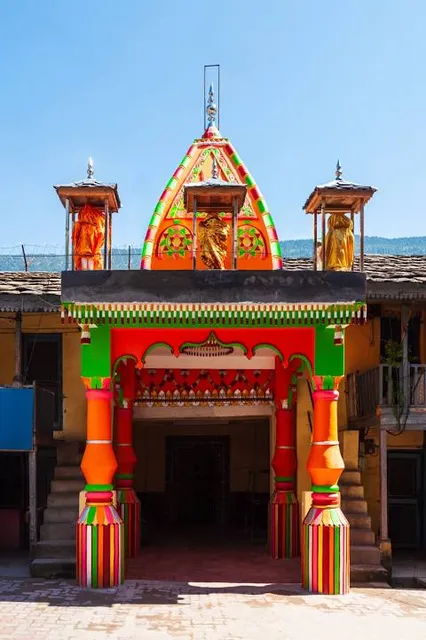
Located on the banks of Nunia, Ghagar Buri Chandi temple is situated on Kali Pahadi in Asansol. Ghagar Buri temple was established in 1620. It is believed that Goddess Ghagar Buri is one of the incarnations of Goddess Chandi. The Ghagar Buri temple is a must visit for ardent devotees of Goddess Chandi. The temple is not very huge. It is a small temple and a small rivulet is flowing beside the temple which looks like a small waterfall. Locals worship Goddess Ghagar Buri with great devotion. The idol of Goddess Ghagar Buri is established in the form of a Pindi which is adorned with silver ornaments. This orange and pink colored temple has numerous carvings on its wall which represents the traditional Bengali culture. Apart from the main temple of Ghagar Buri, the temple premises also houses a shrine for Lord Ram along with Goddess Sita, Lord Hanuman, and Lakshman....
See more posts
See more posts
hotel
Find your stay

Pet-friendly Hotels in West Bengal

Find a cozy hotel nearby and make it a full experience.

"āϚāĻ¨ā§āĻĄā§€" āĻŦāĻž "āϚāĻ¨ā§āĻĄāĻŋāĻ•āĻž" āĻĻ⧇āĻŦā§€āϰ āωāĻ˛ā§āϞ⧇āĻ– āĻŽā§‡āϞ⧇ āĻŽāĻžāĻ°ā§āĻ•āĻ¨ā§āĻĄā§‡āϝāĻŧ āĻĒ⧁āϰāĻžāϪ⧇āϰ ā§Žā§§āϤāĻŽ āĻĨ⧇āϕ⧇ ā§¯ā§ŠāϤāĻŽ āĻ…āĻ§ā§āϝāĻžāϝāĻŧ⧇, āĻāχ āϤ⧇āϰ⧋ āϟāĻŋ āĻ…āĻ§ā§āϝāĻžāϝāĻŧāϕ⧇ "āĻĻ⧇āĻŦā§€āĻŽāĻžāĻšāĻžāĻ¤ā§āĻŽā§āϝ" āĻŦāĻž "āĻļā§āϰ⧀āĻļā§āϰ⧀āϚāĻŖā§āĻĄā§€" āĻ…āĻ§ā§āϝāĻžāϝāĻŧāĻ“ āĻŦāϞāĻž āĻšāϝāĻŧāĨ¤ āϚāĻ¨ā§āĻĄā§€ āĻŦāĻž āϚāĻ¨ā§āĻĄāĻŋāĻ•āĻž āύāĻžāĻŽā§‡āϰ āĻ…āĻ°ā§āĻĨ āĻĒā§āϰāϚāĻ¨ā§āĻĄ āĻļāĻ•ā§āϤāĻŋāĻļāĻžāϞ⧀āĨ¤ āĻļāĻžāĻ¸ā§āĻ¤ā§āϰ⧀āϝāĻŧ āĻŦā§āϝāĻžāĻ–ā§āϝāĻž āĻ…āύ⧁āϝāĻžāϝāĻŧā§€, āϚāĻ¨ā§āĻĄā§€ āĻŦā§āϰāĻšā§āĻŽāĻļāĻ•ā§āϤāĻŋ āĻŦāĻž āĻĒāϰāĻŽāĻŦā§āϰāĻšā§āĻŽ āĻŽāĻšāĻŋāώ⧀āĨ¤ āĻœā§āĻžāĻžāύ, āχāĻšā§āĻ›āĻž, āĻ•ā§āϰāĻŋāϝāĻŧāĻž -āĻāχ āĻ¤ā§āϰāĻŋāĻļāĻ•ā§āϤāĻŋāϰ āϏāĻŽāĻˇā§āϟāĻŋāĻ­ā§‚āϤ āϰ⧂āĻĒ āĻĻ⧇āĻŦā§€ āϚāĻŖā§āĻĄā§€āĨ¤ āĻ…āĻ¨ā§āϝāĻŽāϤ⧇, āĻŽāĻšāĻžāϝ⧋āĻ— āύāĻŋāĻĻā§āϰāĻžāϝāĻŧ āĻ…āĻ­āĻŋāĻ­ā§‚āϤ āĻŦāĻŋāĻˇā§āϪ⧁āϰ āωāĻĒāĻĻā§āϰāĻŦāĻ•āĻžāϰ⧀ āĻŽāĻšāĻžāĻĻ⧈āĻ¤ā§āϝ āĻŽāϧ⧁ āĻ•ā§ˆāϟāĻ­āϕ⧇ āύāĻŋāϧāύ⧇āϰ āϜāĻ¨ā§āϝ āĻŦāĻŋāĻˇā§āϪ⧁āϰ āĻŽāĻšāĻžāϝ⧋āĻ— āύāĻŋāĻĻā§āϰāĻž āĻĨ⧇āϕ⧇ āĻŽā§āĻ•ā§āϤ āĻšāϞ⧇āύ āĻāĻŦāĻ‚ āϏ⧇āχ āϝ⧋āĻ—āύāĻŋāĻĻā§āϰāĻž āĻĨ⧇āϕ⧇ āĻ‰ā§ŽāĻĒāĻ¤ā§āϤāĻŋ āĻšāϞ āĻŽāĻšāĻžāĻ•āĻžāϞ⧀ āϰ⧂āĻĒāĨ¤ āύāĻŋāϧāύ āĻšāϞ āĻŽāϧ⧁āĻ•ā§ˆāϟāĻ­āĨ¤ āĻĒāϰ⧇ āĻļ⧁āĻŽā§āĻ­ āύāĻŋāĻļ⧁āĻŽā§āĻ­āϰ āϏ⧇āύāĻžāĻĒāϤāĻŋ āϚāĻ¨ā§āĻĄ āĻŽā§āĻ¨ā§āĻĄ āĻ‰ā§ŽāĻĒāĻžāϤ āφāϰāĻŽā§āĻ­ āĻ•āϰāϞ⧇ āĻŽāĻšāĻžāĻ•ā§āϰ⧋āϧāĻžāĻ¨ā§āĻŦāĻŋāϤāĻž āĻĻ⧇āĻŦā§€āĻĻ⧇āĻš āĻ˜ā§‹āϰ āĻ•ā§ƒāĻˇā§āĻŖāĻŦāĻ°ā§āĻŖ āϰ⧂āĻĒ āϧāĻžāϰāĻŖ āĻ•āϰ⧇, āϤāĻžāϰ āϞāϞāĻžāϟ āĻĨ⧇āϕ⧇ āύāĻŋāĻ°ā§āĻ—āϤ āĻšāϝāĻŧ āĻ•āϰāĻžāϞāĻŦāĻĻāύāĻž āĻ•āĻžāϞ⧀, āĻĒā§āϰāĻŦāϞ āϝ⧁āĻĻā§āϧ⧇ āϚāĻ¨ā§āĻĄ āĻāĻŦāĻ‚ āĻŽā§āĻŖā§āĻĄāϕ⧇ āĻŦāϧ āĻ•āϰ⧇ āϏ⧇āχ āĻŽāĻ¸ā§āϤāĻ• āωāĻĒāĻšāĻžāϰ āĻĻāĻŋāϞ⧇āύ āĻĻ⧇āĻŦā§€āϕ⧇āĨ¤ āϝ⧇ āĻĻ⧇āĻŦā§€āϰ āϞāϞāĻžāϟ āĻĨ⧇āϕ⧇ āĻ•āϰāĻžāϞāĻŋ āĻ•āĻžāϞ⧀ āφāĻŦāĻŋāĻ°ā§āĻ­ā§‚āϤāĻž āĻšāϝāĻŧ⧇āĻ›āĻŋāϞ⧇āύ āϏ⧇āχ āĻĻ⧇āĻŦā§€ āϚāĻŖā§āĻĄāĻŋāĻ•āĻž āύāĻžāĻŽā§‡ āĻĒāϰāĻŋāϚāĻŋāϤāĨ¤ wdsdsd āϰāĻžāĻĸāĻŧ āĻŦāĻ™ā§āϗ⧇ āϞ⧋āĻ•āĻĒā§āϰāĻŋāϝāĻŧ āĻĻ⧇āĻŦā§€ āϚāĻŖā§āĻĄā§€ āĻŽā§‚āϞāϤ āĻŦ⧌āĻĻā§āϧ āĻĻ⧇āĻŦā§€ āϚ⧁āĻ¨ā§āĻĄāĻž-āϰāχ āύāĻžāĻŽāĻžāĻ¨ā§āϤāϰāĨ¤ āĻāχ āϰāĻžā§ āĻŦāĻ™ā§āϗ⧇āϰ āĻāĻ• āϜāĻžāĻ—ā§āϰāϤ āĻĻ⧇āĻŦā§€ āϘāĻžāϘāϰ āĻŦ⧁⧜āĻŋ āϕ⧇ āϚāĻ¨ā§āĻĄā§€āϰ āĻāĻ• āϰ⧂āĻĒ āĻŦāϞ⧇ āĻ•āĻ˛ā§āĻĒāύāĻž āĻ•āϰāĻž āĻšā§ŸāĨ¤ ā§§ā§­ā§Ēā§§ āĻ–ā§āϰāĻŋāĻˇā§āϟāĻžāĻŦā§āĻĻ⧇ āĻŦāĻžāĻ‚āϞāĻžāϰ āĻŽāϏāύāĻĻ⧇ āϤāĻ–āύ āύāĻŦāĻžāĻŦ āφāϞāĻŋāĻŦāĻ°ā§āĻĻā§€ āĻ–āĻžāρāĨ¤ āĻĒāĻžā§āϚāϕ⧋āϟ āϰāĻžāĻœā§āϝ⧇ āϤāĻ–āύ āĻļāĻ¤ā§āϰ⧂āĻ˜ā§āύāĻļ⧇āĻ–āϰ - āĻ—ā§œā§āϰāύāĻžāϰāĻžā§Ÿāύ āϏāĻŋāĻ‚āĻšāĻĻ⧇āĻ“ā§Ÿā§‡āϰ āϰāĻžāϜāĻ¤ā§āĻŦāĨ¤ āϏ⧇āχ āϏāĻŽā§Ÿ āĻŦāĻžāϰāĻŦāĻžāϰ āĻŦāĻ°ā§āĻ—ā§€āĻšāĻžāύāĻžā§Ÿ āĻŦāĻŋāϧāĻ¸ā§āϤ āĻŦāĻžāĻ‚āϞāĻžāĨ¤ āĻāχ āĻšāĻžāύāĻž āĻĨ⧇āϕ⧇ āϰ⧇āĻšāĻžāχ āĻŽā§‡āϞ⧇āύāĻŋ āĻĒāĻžā§āϚāϕ⧋āϟ āϰāĻžāĻœā§āϝ⧇āϰ āĨ¤ āϏ⧇ āϏāĻŽā§Ÿ āĻĒāĻžā§āϚāϕ⧋āĻŸā§‡āϰ āϰāĻžāϜāĻž āĻ—ā§œā§āϰāύāĻžāϰāĻžā§Ÿāύ āϏāĻŋāĻ‚āĻšāĻĻ⧇āĻ“ āϤāĻžāϰ āϏ⧈āĻ¨ā§āϝāĻŦāĻžāĻšāĻŋāύ⧀ āĻ“ āϰāĻžāĻœā§āϝāĻŦāĻžāϏ⧀āϕ⧇ āĻŦāĻ°ā§āĻ—ā§€āĻšāĻžāύāĻž āĻĒā§āϰāϤāĻŋāϰ⧋āϧ āĻ•āϰāϤ⧇ āφāĻšā§āĻŦāĻžāύ āϜāĻžāύāĻžāύāĨ¤ āϏ⧈āĻ¨ā§āϝāĻŦāĻžāĻšāĻŋāύ⧀āϰ āĻĻ⧁āχ āĻŦā§€āϰ āĻ•ā§āώāĻ¤ā§āϰāĻŋ⧟ āϝ⧋āĻĻā§āϧāĻž āύāĻ•ā§œāĻŋ āϰāĻžā§Ÿ āĻ“ āϰāĻžāĻŽāĻ•ā§ƒāĻˇā§āĻŖ āϰāĻžā§Ÿ āĻ¸ā§āĻĨāĻžāĻ¨ā§€ā§Ÿ āϏāĻžāρāĻ“āϤāĻžāϞ āϏāĻŽā§āĻĒā§āϰāĻĻāĻžā§Ÿā§‡āϰ āĻŽāĻžāύ⧁āώāϜāύ āύāĻŋā§Ÿā§‡ āĻŦāĻ°ā§āĻ—ā§€āĻĻ⧇āϰ āĻŦāĻŋāϰ⧁āĻĻā§āϧ⧇ āĻĒā§āϰāϤāĻŋāϰ⧋āϧ āĻ—ā§œā§‡ āϤ⧋āϞ⧇āύāĨ¤ āύāĻ•ā§œāĻŋ āĻ“ āϰāĻžāĻŽāĻ•ā§ƒāĻˇā§āĻŖ āϰāĻžā§Ÿā§‡āϰ āĻŦā§€āϰāĻ¤ā§āĻŦ, āĻĻ⧁āϰāĻĻāĻ°ā§āĻļāĻŋāϤāĻž āϏāĻ°ā§āĻŦā§‹āĻĒāϰāĻŋ āĻ¸ā§āĻŦāĻĻ⧇āĻļāĻĒā§āϰ⧇āĻŽā§‡ āĻŽā§āĻ—ā§āϧ āĻšā§Ÿā§‡ āϰāĻžāϜāĻž āĻ—āϰ⧁⧜āύāĻžāϰāĻžā§Ÿāύ āϤāĻŋāύāĻļāϤ āĻ›āĻŋ⧟āĻžāĻ¤ā§āϤāϰ āϟāĻžāĻ•āĻž āϚāĻžāϰ āφāύāĻž āĻĻ⧁'āĻĒāĻžāχ āϜāĻŽāĻžā§Ÿ āϤāĻžāĻĻ⧇āϰ āφāϏāĻžāύāϏ⧋āϞ⧇āϰ āĻŦāĻŋāĻ¸ā§āϤ⧀āĻ°ā§āĻŖ āĻŦāύāĻ­ā§‚āĻŽāĻŋāϰ āϜāĻžā§ŸāĻ—ā§€āϰ āĻĻāĻžāύ āĻ•āϰ⧇āύāĨ¤ āϜāĻžā§ŸāĻ—ā§€āϰāĻĻāĻžāϰāĻĻā§āĻŦ⧟ āφāϏāύ āĻ—āĻžāĻ› āϕ⧇āĻŸā§‡ āϏ⧋āϞ āϜāĻŽāĻŋāϰ āωāĻĒāϰ āĻŦāϏāϤāĻŋ āĻ—ā§œā§‡ āϤ⧋āϞ⧇āύāĨ¤ āϏ⧋āϞ āϜāĻŽāĻŋāϰ āĻĒā§‚āĻ°ā§āĻŦ āĻĻāĻŋāϕ⧇ āφāϏāύ āĻ—āĻžāϛ⧇āϰ āύāĻžāĻŽ āĻœā§ā§œā§‡ āĻŦāϏāϤāĻŋāϰ āύāĻžāĻŽ āϰāĻžāϖ⧇āύ āφāϏāĻžāύāϏ⧋āϞ āĻ—ā§āϰāĻžāĻŽāĨ¤ āϝāĻžāϕ⧇ āϘāĻŋāϰ⧇ āĻŦāĻ°ā§āϤāĻŽāĻžāύ āφāϏāĻžāύāϏ⧋āϞ⧇āϰ āĻŦā§āϝāĻžāĻĒā§āϤāĻŋāĨ¤ āϜāĻžā§ŸāĻ—ā§€āϰāĻĻāĻžāϰ āύāĻ•ā§œāĻŋ āĻ“ āϰāĻžāĻŽāĻ•ā§ƒāĻˇā§āĻŖ āϰāĻžā§Ÿā§‡āϰ āĻĒ⧃āĻˇā§āĻ āĻĒā§‹āώāĻ•āϤāĻžā§Ÿ āϏāĻžāρāĻ“āϤāĻžāϞ āĻĒā§āϰāϜāĻžāĻĻ⧇āϰ āĻĒā§āϰāĻŋ⧟ āĻĻ⧇āĻŦā§€ ‘āϘāĻžāϘāϰāĻŦā§ā§œā§€āϰ ' āĻĨāĻžāĻ¨â€™ āĻĒā§āϰāϏāĻŋāĻĻā§āϧāĻŋ āϞāĻžāĻ­ āĻ•āϰāϞ⧇ āϧāĻ°ā§āĻŽāĻĒā§āϰāĻžāύ āĻŽāĻžāύ⧁āώ⧇āϰ āĻ­āĻŋ⧜ āϜāĻŽāϤ⧇ āĻĨāĻžāϕ⧇āĨ¤ āύāĻ•ā§œāĻŋ āĻ“ āϰāĻžāĻŽāĻ•ā§ƒāĻˇā§āĻŖ āϰāĻžā§Ÿā§‡āϰ āϤāĻ¤ā§āĻ¤ā§āĻŦāĻžāĻŦāϧāĻžāύ⧇ āϘāĻžāϘāϰ āĻŦā§ā§œā§€āϰ āĻĨāĻžāύ⧇ āĻŽāĻ¨ā§āĻĻāĻŋāϰ āύāĻŋāĻ°ā§āĻŽāĻžāύ āĻ“ āύāĻŋāĻ¤ā§āϝāĻĒā§‚āϜāĻžāϰ āϜāĻ¨ā§āϝ āĻĒ⧁āϰ⧋āĻšāĻŋāϤ āύāĻŋā§Ÿā§‹āϗ⧇āϰ āĻšā§‡āĻˇā§āϟāĻž āĻ•āϰāĻž āĻšā§ŸāĨ¤āĻ•āĻŋāĻ¨ā§āϤ⧁ āĻ—ā§āϰāĻžāĻŽāĻ¸ā§āĻĨ āĻĒ⧁āϰ⧋āĻšāĻŋāϤāϰāĻž āϕ⧇āĻšāχ āϜāĻ™ā§āĻ—āϞāĻžāϕ⧀āĻ°ā§āĻŖ āϘāĻžāϘāϰ āĻĨāĻžāύ⧇ āĻāϏ⧇ āύāĻŋ⧟āĻŽāĻŋāϤ āĻŽāĻžā§Ÿā§‡āϰ āĻĒā§‚āĻœā§‹ āĻ•āϰāϤ⧇ āϰāĻžāϜāĻŋ āĻ›āĻŋāϞ⧇āύ āύāĻžāĨ¤ āĻāχ āĻ›āĻ¨ā§āύāĻ›āĻžā§œāĻž āĻ—ā§āϰāĻžāĻŽāϗ⧁āϞ⧋āϤ⧇ āϝāϜāĻŽāĻžāύāĻŋ āĻ•āϰāϤ⧇āύ āĻāĻ• āĻ—āϰ⧀āĻŦ āĻŦā§āϰāĻžāĻšā§āĻŽāĻŖ – āĻ•āĻžāĻ™āĻžāϞ⧀āϚāϰāĻŖ āϚāĻ•ā§āϰāĻŦāĻ°ā§āϤ⧀āĨ¤ āĻĒā§āϰāϤāĻŋāĻĻāĻŋāύ āϤāĻ–āύāĻ•āĻžāϰ āύ⧁āύāĻŋ⧟āĻž āύāĻĻā§€(āφāϜāϕ⧇āϰ āĻļā§€āĻ°ā§āĻŖāĻ•āĻžā§Ÿ, āĻ–āĻžāϞ āϏāĻĻ⧃āĻļ, āύ⧁āύāĻŋ⧟āĻž āύ⧟) āĻĒ⧇āϰāĻŋā§Ÿā§‡ āĻ“āϧāĻžāϰ⧇āϰ āĻ—ā§āϰāĻžāĻŽāϗ⧁āϞāĻŋāϤ⧇ āϝ⧇āϤ⧇āύ āĻĒ⧁āĻœā§‹ āĻ…āĻ°ā§āϚāύāĻž āĻ•āϰāϤ⧇, āφāĻŦāĻžāϰ āĻĒāĻĻāĻŦā§āϰāĻœā§‡ āύāĻĻā§€ āĻĒ⧇āϰāĻŋā§Ÿā§‡ āĻĢāĻŋāϰ⧇ āφāϏāϤ⧇āύ āύāĻŋāϜ āĻŦāĻžāϟāĻŋāϤ⧇āĨ¤ āĻāχāĻ­āĻžāĻŦ⧇āχ āĻŦāĻšā§āĻ•āĻˇā§āĻŸā§‡ āĻĻāĻŋāύ āϗ⧁āϜāϰāĻžāύ āĻ•āϰāϤ⧇āύāĨ¤ āĻ•āĻŋāĻ¨ā§āϤ⧁ āϤāĻŦ⧁āĻ“ āϤ⧋ āϏāĻ‚āϏāĻžāϰ āϚāϞ⧇ āύāĻžāĨ¤ āĻāϰāĻ•āĻŽāχ āĻāĻ• āĻļā§€āϤ⧇āϰ āĻĻāĻŋāύ⧇ – āĻĻāĻŋāύāϟāĻŋ āĻ›āĻŋāϞ ā§§āϞāĻž āĻŽāĻžāϘ, āϝāϜāĻŽāĻžāύ⧇āϰ āϘāϰ⧇ āĻĒ⧁āĻœā§‹ āĻ•āϰ⧇ āϏ⧇āĻĻāĻŋāύ āĻ•āĻŋāϛ⧁āχ āĻĒāĻžāĻ“ā§ŸāĻž āϝāĻžā§ŸāύāĻŋāĨ¤ āύ⧁āύāĻŋ⧟āĻž āύāĻĻā§€ āĻĒ⧇āϰāĻŋā§Ÿā§‡ āĻāϏ⧇ āĻ•ā§āώ⧁āϧāĻž āϤ⧃āĻˇā§āĻŖāĻžā§Ÿ āĻ•ā§āϞāĻžāĻ¨ā§āϤ āĻ•āĻžāĻ™āĻžāϞ⧀āϚāϰāĻŖ āĻāĻ• āĻ—āĻžāĻ›āϤāϞāĻžāϰ āĻļā§€āϤāϞ āĻ›āĻžā§ŸāĻžāϰ āύ⧀āĻšā§‡ āĻļā§ā§Ÿā§‡ āĻĒ⧜āϞ⧇āύāĨ¤ āĻ•āĻžāϤāϰāĻ­āĻžāĻŦ⧇ āĻĄāĻžāĻ•āϤ⧇ āϞāĻžāĻ—āϞ⧇āύ āĻŽāĻž āϚāĻŖā§āĻĄā§€āϕ⧇āĨ¤ āĻ•āĻžāρāĻĻāϤ⧇ āĻ•āĻžāρāĻĻāϤ⧇ āĻ•āĻ–āύ āϝ⧇āύ āϘ⧁āĻŽāĻŋā§Ÿā§‡ āĻĒā§œā§‡āĻ›āĻŋāϞ⧇āύāĨ¤ āĻšāĻ āĻžā§Ž āϕ⧀āϏ⧇āϰ āφāĻ“ā§ŸāĻžāĻœā§‡ āϧ⧜āĻŽā§œāĻŋā§Ÿā§‡ āωāϠ⧇ āĻŦāϏāϞ⧇āύāĨ¤ āĻāχ āϜāύāĻšā§€āύ āĻĒā§āϰāĻžāĻ¨ā§āϤāϰ⧇ āϕ⧇ āϝ⧇āύ āϞāĻžāĻ āĻŋ āϠ⧁āĻ• āϠ⧁āĻ• āĻ•āϰ⧇ āφāϏāϛ⧇āĨ¤ āĻŦ⧁āĻāϤ⧇āχ āĻĒāĻžāϰ⧇āύāύāĻŋ āϝ⧇ āĻāϤ āĻŦ⧇āϞāĻž āĻšā§Ÿā§‡ āϗ⧇āϛ⧇āĨ¤ āϝāĻ–āύ āĻœā§‡āϗ⧇ āĻ›āĻŋāϞ⧇āύ āϤāĻ–āύ āϏ⧂āĻ°ā§āϝāĻĻ⧇āĻŦ āĻŽāĻžāĻĨāĻžāϰ āĻ“āĻĒāϰ⧇ āĻ›āĻŋāϞ⧇āύ, āφāϰ āĻāĻ–āύ āĻĒā§āϰāĻžā§Ÿ āĻ…āĻ¸ā§āϤāĻžāϚāϞ⧇āĨ¤ āĻ•āĻŋāĻ¨ā§āϤ⧁ āĻŦāĻžāρāĻļ⧇āϰ āϞāĻžāĻ āĻŋāϰ āϠ⧁āĻ• āϠ⧁āĻ• āĻ›āĻžā§œāĻž āϤ⧋ āφāϰ āϕ⧋āύ⧋ āĻļāĻŦā§āĻĻāĻ“ āĻļā§‹āύāĻž āϝāĻžāĻšā§āϛ⧇ āύāĻžāĨ¤ āύ⧁āύāĻŋ⧟āĻž āύāĻĻā§€āϰ āĻ—āĻ°ā§āϜāύāĻ“ āĻĨ⧇āĻŽā§‡ āϗ⧇āϞ āϕ⧀ āĻ•āϰ⧇, āφāĻļā§āϚāĻ°ā§āϝ! āĻāĻ•āĻŋ! āĻĻāĻŋāύ⧇āϰ āφāϞ⧋ āϤ⧋ āĻāĻ–āύāĻ“ āφāϛ⧇, āĻ…āĻĨāϚ āĻ•āĻŋāϛ⧁āϟāĻž āϜāĻžā§ŸāĻ—āĻž āĻāĻ•āĻĻāĻŽ āĻ…āĻ¨ā§āϧāĻ•āĻžāϰ āϕ⧇āύ? āϤāĻŦ⧁āĻ“ āϤ⧋ āϏ⧇āχ āĻ…āĻ¨ā§āϧāĻ•āĻžāϰ⧇āϰ āĻŽāĻ§ā§āϝ⧇ āĻĒāϰāĻŋāĻˇā§āĻ•āĻžāϰ āĻĻ⧇āĻ–āĻž āϝāĻžāĻšā§āϛ⧇ – āĻāĻ• āϘāĻžāĻ—āϰāĻž āĻĒāϰāĻŋāĻšāĻŋāϤ āĻŦ⧁⧜āĻŋ āϠ⧁āĻ• āϠ⧁āĻ• āĻ•āϰāϤ⧇ āĻ•āϰāϤ⧇ āĻŦāĻžāρāĻļ⧇āϰ āϞāĻžāĻ āĻŋ āύāĻŋā§Ÿā§‡ āĻ“āρāϰ āĻĻāĻŋāϕ⧇āχ āϤ⧋ āĻāĻ—āĻŋā§Ÿā§‡ āφāϏāϛ⧇āύāĨ¤ āϏ⧇āχ āĻŦ⧁⧜āĻŋ āĻ•āĻŋāϛ⧁ āύāĻž āĻŦāϞ⧇ āĻ•āĻžāĻ™āĻžāϞ⧀āϚāϰāϪ⧇āϰ āϏāĻžāĻŽāύ⧇ āĻāϏ⧇ āĻĻāĻžāρ⧜āĻžāϞ⧇āύāĨ¤ āĻ•āĻžāĻ™āĻžāϞ⧀āϚāϰāϪ⧇āϰ āĻšā§‹āĻ– āϝ⧇āύ āĻāϞāϏ⧇ āϗ⧇āϞ, āϏāĻžāϰāĻž āĻļāϰ⧀āϰ āĻĻāĻŋā§Ÿā§‡ āϝ⧇āύ āĻŦāĻŋāĻĻā§āĻ¯ā§ā§Ž āĻāϞāĻ• āĻŦā§Ÿā§‡ āϗ⧇āϞāĨ¤ āĻŦā§āϝāϏ, āφāϰ āĻ•āĻŋāϛ⧁ āĻŽāύ⧇ āύ⧇āχāĨ¤ āϘ⧁āĻŽā§‡āϰ āĻ…āϤāϞ⧇ āĻĄā§āĻŦ⧇ āϗ⧇āϞ⧇āύāĨ¤ āϘ⧁āĻŽā§‡āϰ āĻŽāĻ§ā§āϝ⧇āχ āĻĻ⧇āĻ–āϞ⧇āύ āϏ⧇āχ āĻŦ⧁⧜āĻŋāϕ⧇ āφāĻŦāĻžāϰāĨ¤ āĻĒāϰāĻŋāĻˇā§āĻ•āĻžāϰ āĻļ⧁āύāϤ⧇ āĻĒ⧇āϞ⧇āύ – 'āϤ⧋āϰ āφāϰ āωāĻžā§āϚāĻŦ⧃āĻ¤ā§āϤāĻŋāϰ āĻĻāϰāĻ•āĻžāϰ āύ⧇āχ, āϤ⧋āϰ āϕ⧋āϞ⧇āχ āĻĻ⧇āĻ–āĻŦāĻŋ āϤāĻŋāύāϟāĻŋ āϛ⧋āϟ āĻĒāĻžāĻĨāϰ⧇āϰ āĻĸāĻŋāĻŦāĻŋ āϰ⧇āϖ⧇ āĻāϏ⧇āĻ›āĻŋāĨ¤ āĻŽāĻžāĻāĻ–āĻžāύ⧇ āφāĻŽāĻŋ– āĻŽāĻž āϘāĻžāĻ—āϰāĻŦ⧁⧜āĻŋ, āφāĻŽāĻžāϰ āĻŦāĻžāĻā§Ÿā§‡ āĻŽāĻž āĻ…āĻ¨ā§āύāĻĒā§‚āĻ°ā§āĻŖāĻž, āĻĄāĻžāχāύ⧇ āĻĒāĻžā§āϚāĻžāύāύ āĻŽāĻšāĻžāĻĻ⧇āĻŦāĨ¤ āĻāχāĻ–āĻžāύ⧇āχ āĻŽāĻ¨ā§āĻĻāĻŋāϰ āĻĒā§āϰāϤāĻŋāĻˇā§āĻ āĻž āĻ•āϰ, āφāϰ āϕ⧋āĻĨāĻžāĻ“ āϝ⧇āϤ⧇ āĻšāĻŦ⧇ āύāĻžāĨ¤' āϤāĻžāϰāĻĒāϰ āĻ—āĻžāĻ›āϤāϞāĻžā§Ÿ āĻĒ⧁āĻœā§‹ āĻļ⧁āϰ⧁ āĻšā§Ÿ, āĻĒāϰāĻŦāĻ°ā§āϤ⧀āϤ⧇ āĻŽāĻ¨ā§āĻĻāĻŋāϰ āĻšā§ŸāĨ¤ āφāϏāϞ⧇ āĻŦ⧁⧜āĻŋ āĻšāĻŋāϏāĻžāĻŦ⧇ āĻ•āĻ˛ā§āĻĒāύāĻž āĻ•āϰ⧇ āϤāĻžāϕ⧇ āĻ•āĻŋāϛ⧁āϟāĻž āĻŽāĻžāϤ⧃ āĻŦāĻ¨ā§āĻĻāύāĻžā§Ÿ āĻĒ⧁āĻœā§‹ āĻ•āϰāĻž āĻšā§ŸāĨ¤ āφāĻŽāĻžāĻĻ⧇āϰ āĻ­āĻžāϰāĻ¤ā§€ā§Ÿ āϏāĻ‚āĻ¸ā§āĻ•ā§ƒāϤāĻŋāϤ⧇ āĻŽāĻžāϤ⧃ āϰ⧂āĻĒ⧇āϰ āϏāĻ™ā§āϗ⧇ āĻļāĻ•ā§āϤāĻŋ āϰ⧂āĻĒ⧇āϰ āĻŽāĻŋāϞ āφāϛ⧇āĨ¤ āĻŦāϞāĻž āĻĻāϰāĻ•āĻžāϰ āĻ…āϤāĻŋāĻŦ⧃āĻĻā§āϧāĻž āĻŽāĻžāϤāĻž āĻšāĻŋāϏ⧇āĻŦ⧇ āĻĒ⧃āĻĨāĻŋāĻŦā§€ āĻŦāĻž āĻĒā§āϰāĻ•ā§ƒāϤāĻŋāĻŽāĻžāϤ⧃āĻ•āĻžāϰ āωāĻĒāĻžāϏāύāĻž āφāĻŽāĻžāĻĻ⧇āϰ āϤāĻ¨ā§āĻ¤ā§āϰāϧāĻ°ā§āĻŽā§‡ āĻŦāϞ⧇ āĻļ⧁āϧ⧁ āύ⧟, āϏāĻžāϰāĻž āĻĒ⧃āĻĨāĻŋāĻŦā§€āϰāχ āĻŽāĻžāϤ⧃āϧāĻ°ā§āĻŽā§‡āϰ āĻāĻ•āϟāĻŋ āĻĒā§ā§°āϚāϞāĻŋāϤ āĻŦāĻŋāϧāĻŋāĨ¤ āφāϏāĻžāύāϏ⧋āϞ āϏāĻ‚āϞāĻ—ā§āύ āϏāĻžāρāĻ“āϤāĻžāϞ āĻĒāϰāĻ—āĻŖāĻžā§Ÿ āĻŦ⧁⧜āĻŋ āĻ…āĻ¨ā§āϤāύāĻžāĻŽā§‡āϰ āĻ…āύ⧇āĻ• āĻŽāĻžāϤ⧃āĻĻ⧇āĻŦā§€āϰ āϏāĻ¨ā§āϧāĻžāύ āĻĒāĻžāĻ“ā§ŸāĻž āϝāĻžā§Ÿ: āĻ•āĻŋāϞāĻžāĻŦ⧁⧜āĻŋ, āϏāĻžāϤāĻžāχāĻŦ⧁⧜āĻŋ, āύ⧁āύāĻžāĻŦ⧁⧜āĻŋ āĻĒā§āϰāϭ⧃āϤāĻŋāĨ¤ āφāĻŽāĻžāĻĻ⧇āϰ āĻļāĻŋāĻļ⧁āϰāĻžā§āϜāĻ• āϰ⧂āĻĒāĻ•āĻĨāĻžā§Ÿ āϝ⧇ āϜ⧁āϜ⧁āĻŦ⧁⧜āĻŋ, āϤāĻŋāύāĻŋāĻ“ āĻ
Souuvik Bera

Souuvik Bera

hotel
Find your stay

Affordable Hotels in West Bengal

Find a cozy hotel nearby and make it a full experience.

Get the Appoverlay
Get the AppOne tap to find yournext favorite spots!
I had the privilege of visiting the sacred GhagarBuri Mandir near Asansol on 24th November 2024 with my wife, and the experience was truly divine. This temple, dedicated to Maa GhagarBuri, exudes an aura of tranquility and deep spiritual significance. From the moment we entered, we were enveloped in a sense of peace and devotion that only a place of such holiness can provide. The temple premises are impeccably maintained, with a serene ambiance that instantly calms the soul. Alongside Maa’s mandir, we also visited the Mahadev Mandir situated right next to it. The chants and prayers resonating through the air created an overwhelming spiritual connection. The sight of Lord Shiva’s sanctum, coupled with the nearby presence of Maa’s divine blessings, added to the sanctity of the entire experience. This place is not just a temple; it is a sanctum of hope and faith where one can feel the divine energy. It is perfect for those seeking peace, spiritual solace, or simply a connection with the divine. I highly recommend visiting GhagarBuri Mandir to experience the divine grace of Maa and Lord Shiva. It is a must-visit for devotees and spiritual seekers alike. The temple holds a significant place in the hearts of many and truly deserves every bit of reverence it receives. Om Namah Shivaya! Jai Maa GhagarBuri!
Suddhasatta Chakraborti

Suddhasatta Chakraborti

hotel
Find your stay

The Coolest Hotels You Haven't Heard Of (Yet)

Find a cozy hotel nearby and make it a full experience.

hotel
Find your stay

Trending Stays Worth the Hype in West Bengal

Find a cozy hotel nearby and make it a full experience.

Located on the banks of Nunia, Ghagar Buri Chandi temple is situated on Kali Pahadi in Asansol. Ghagar Buri temple was established in 1620. It is believed that Goddess Ghagar Buri is one of the incarnations of Goddess Chandi. The Ghagar Buri temple is a must visit for ardent devotees of Goddess Chandi. The temple is not very huge. It is a small temple and a small rivulet is flowing beside the temple which looks like a small waterfall. Locals worship Goddess Ghagar Buri with great devotion. The idol of Goddess Ghagar Buri is established in the form of a Pindi which is adorned with silver ornaments. This orange and pink colored temple has numerous carvings on its wall which represents the traditional Bengali culture. Apart from the main temple of Ghagar Buri, the temple premises also houses a shrine for Lord Ram along with Goddess Sita, Lord Hanuman, and Lakshman....
Raga Basu

Raga Basu

See more posts
See more posts

Reviews of Ghagar Buri Chandi Mata Temple

4.7
(2,260)
avatar
5.0
16w

Ghaghar Buri, is a small shrine dedicated to Goddess Kali Mata. It is located in Asansol city, by the side of the National Highway in West Bengal, India. It is the oldest temple of Asansol. A country fair is held in this Temple on 15 January every year. Animals are sacrificed as part of worship. The temple is believed to be constructed in the 17th century and is a part of the Baradi group of temples. It is believed that the Raja of Chandernagore, a devotee of Chandi, built the temple.I had the privilege of visiting the sacred GhagarBuri Mandir near Asansol on 24th November 2024 with my wife, and the experience was truly divine. This temple, dedicated to Maa GhagarBuri, exudes an aura of tranquility and deep spiritual significance. From the moment we entered, we were enveloped in a sense of peace and devotion that only a place of such holiness can provide.

The temple premises are impeccably maintained, with a serene ambiance that instantly calms the soul. Alongside Maa’s mandir, we also visited the Mahadev Mandir situated right next to it. The chants and prayers resonating through the air created an overwhelming spiritual connection. The sight of Lord Shiva’s sanctum, coupled with the nearby presence of Maa’s divine blessings, added to the sanctity of the entire experience.

This place is not just a temple; it is a sanctum of hope and faith where one can feel the divine energy. It is perfect for those seeking peace, spiritual solace, or simply a connection with the divine.

I highly recommend visiting GhagarBuri Mandir to experience the divine grace of Maa and Lord Shiva. It is a must-visit for devotees and spiritual seekers alike. The temple holds a significant place in the hearts of many and truly deserves every bit of reverence...

   Read more
avatar
5.0
4y

Ghaghar Burhi (āϘāĻžāϘāϰ āĻŦ⧁āĻĄāĻŧāĻŋ, ā¤˜ā¤žā¤˜ā¤° ā¤ŦāĨā¤ĸā¤ŧāĨ€) is in Asansol city, by the side of the National Highway (Bypass) in West Bengal, India. It is a small shrine dedicated to Goddess Kali. It is the oldest temple of Asansol. Worship is held every Tuesday and Saturday. A country fair is held on 15 January every year. Animals are sacrificed as part of worship. Ghaghar Burhi TempleīŋŧReligionAffiliationHinduismDistrictPaschim BardhamanDeityGhaghar Burhi Chandi MataLocationLocationNational Highway (Bypass), AsansolStateWest BengalCountryIndia

īŋŧ

īŋŧ

Location in West Bengal

Show map of West BengalShow map of IndiaShow all

Geographic coordinates23°41′00â€ŗN 87°00′24â€ŗE Legend has it that a marriage procession was unable to cross the rivulet in spate. They worshipped the deity, and the water subsided. They crossed the rivulet safely. But the king promised to give head of two goats for this but as he passed they forgot their promise Goddess curse them and all were inside the water still it can be seen according to the old people saying (The rivulet now acts as sewage drainage of Asansol City. There are boulders and uneven stones, which gives rise to a strong current and eddy. This otherwise narrow and small rivulet is dangerous to cross.)

īŋŧ This article about a location in the Paschim Bardhaman district of West Bengal is a stub. You can help Wikipedia by expanding it.

īŋŧ This article about an Indian Hindu place of worship is a stub. You can help Wikipedia...

   Read more
avatar
5.0
2y

Gaghar Buri Temple, also known as Gaghar Budi Mandir, is a popular Hindu temple located in Asansol, West Bengal, India. It is a revered place of worship and attracts a large number of devotees from different parts of the region.

The temple is dedicated to Goddess Kali, who is considered to be the divine mother and a symbol of power and strength. The main deity of the temple is a black stone idol of Goddess Kali, which is adorned with flowers and traditional ornaments.

The temple has a rich history and is believed to have been built during the early 18th century by the rulers of the Bardhaman Raj. According to legend, the temple was constructed after a local farmer found a black stone idol of the goddess while ploughing his field. The idol was then installed in the temple, and over time, it became a popular place of worship.

The temple is located in a serene environment, surrounded by lush greenery and a natural water body, which adds to its spiritual ambiance. The temple hosts a number of festivals throughout the year, including Durga Puja, Kali Puja, and Navratri, which are celebrated with great fervor and enthusiasm.

In addition to its religious significance, Gaghar Buri Temple is also a popular tourist attraction and is visited by people from all walks of life. The temple's stunning architecture, serene environment, and rich history make it a must-visit destination for anyone...

   Read more
Page 1 of 7
Previous
Next