HTML SitemapExplore
logo
Find Things to DoFind The Best Restaurants

Gorumara National Park — Attraction in West Bengal

Name
Gorumara National Park
Description
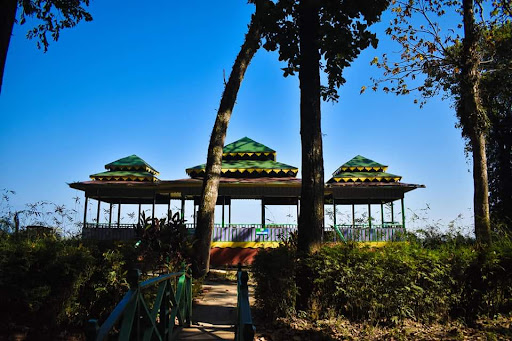
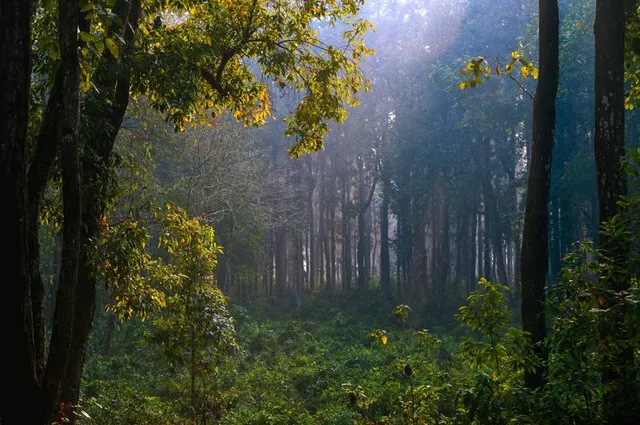
Gorumara National Park is a National Park in northern West Bengal, India. Located in the Dooars region of the Himalayan foothills, it is a medium-sized park with grasslands and forests. Gorumara National Park was established in 1992. It is primarily known for its population of Indian rhinoceros.
Nearby attractions
Nearby restaurants
Nearby hotels
Related posts
Keywords
Gorumara National Park tourism.Gorumara National Park hotels.Gorumara National Park bed and breakfast. flights to Gorumara National Park.Gorumara National Park attractions.Gorumara National Park restaurants.Gorumara National Park travel.Gorumara National Park travel guide.Gorumara National Park travel blog.Gorumara National Park pictures.Gorumara National Park photos.Gorumara National Park travel tips.Gorumara National Park maps.Gorumara National Park things to do.
Gorumara National Park things to do, attractions, restaurants, events info and trip planning
Gorumara National Park
IndiaWest BengalGorumara National Park

Basic Info

Gorumara National Park

West Bengal 735101, India
4.4(3.4K)
Open until 5:00 PM
Save
spot

Ratings & Description

Info

Gorumara National Park is a National Park in northern West Bengal, India. Located in the Dooars region of the Himalayan foothills, it is a medium-sized park with grasslands and forests. Gorumara National Park was established in 1992. It is primarily known for its population of Indian rhinoceros.

Outdoor
Adventure
Family friendly
attractions: , restaurants:
logoLearn more insights from Wanderboat AI.
Phone
+91 98747 32223
Website
northbengaltourism.com
Open hoursSee all hours
Tue6 AM - 5 PMOpen

Plan your stay

hotel
Pet-friendly Hotels in West Bengal
Find a cozy hotel nearby and make it a full experience.
hotel
Affordable Hotels in West Bengal
Find a cozy hotel nearby and make it a full experience.
hotel
The Coolest Hotels You Haven't Heard Of (Yet)
Find a cozy hotel nearby and make it a full experience.
hotel
Trending Stays Worth the Hype in West Bengal
Find a cozy hotel nearby and make it a full experience.

Reviews

Get the Appoverlay
Get the AppOne tap to find yournext favorite spots!
Wanderboat LogoWanderboat

Your everyday Al companion for getaway ideas

CompanyAbout Us
InformationAI Trip PlannerSitemap
SocialXInstagramTiktokLinkedin
LegalTerms of ServicePrivacy Policy

Get the app

© 2025 Wanderboat. All rights reserved.
logo

Reviews of Gorumara National Park

4.4
(3,354)
avatar
5.0
6y

Gorumara National Park (Bengali: গোরুমারা জাতীয় উদ্যান; Pron: ˌgɔ:rʊˈmɑ:rə; Gorumara Jatio Uddan) is a National Park in northern West Bengal, India. Located in the Dooars region of the Himalayan foothills, it is a medium-sized park with grasslands and forests. It is primarily known for its population of Indian rhinoceros. The park has been declared as the best among the protected areas in India by the Ministry of Environment and Forests for the year 2009. Having been a reserve forest since 1895, Gorumara was declared as a Wildlife Sanctuary in 1949, on account of its breeding population of Indian rhinoceros. It was granted official status as an Indian National Park on 31st January, 1994. Originally the park was as small as 7 km2. Since then Gorumara has grown by incorporating neighbouring lands to about 80 km. Political Geography: The park is located in the Malbazar subdivision of Jalpaiguri district, in the state of West Bengal in India.

Physical geography: Gorumara is located in the Eastern Himalayas' submontane Terai belt. This region has rolling forests and riverine grasslands, and is known as the Dooars in West Bengal. The park is located on the flood plains of the Murti River and Raidak River. The major river of the park is the Jaldhaka river, a tributary of the Brahmaputra river system. In this regard, Gorumara is a significant watershed area between the Ganges and Brahmaputra river systems. The park is very close to Jaldapara National Park and Chapramari Wildlife Reserve.

The park is 79.99 km (49.70 mi) in area.

Climate: The temperature ranges from 10 to 21 °C (50 to 70 °F) from November to February, 24 to 27 °C (75 to 81 °F) from March to April and 27 to 37 °C (81 to 99 °F) from May to October. Rainfall mostly occurs between mid-May to mid-October and average annual rainfall is 382 cm (150 in)

Conservation issuesEdit

The major conservation focus of the park is to maintain a viable breeding community of Indian rhinoceroses. However, the lack of large predators has caused significantly worrying skews in the populations of large herbivores in the park. The rhinoceros male:female ratio, usually 1:3, shot up to 1:1 – resulting in male dominance fights and deaths. The gaur population also doubled in recent years, with risk of overgrazing.

Poaching was a major issue in the park in the 1970s and 1980s, but now Gorumara is one of the parks least threatened by poaching, with well-equipped rangers and with villagers benefiting from park visitors. However, grazing from fringe villages, and man-made brush fires are major issues at the park.

A recent issue at the park is the increasing number of train accidents involving elephants on railway lines near the park. Three elephants were killed in separate incidents on the same day in May 2006 in train mishaps. Indian Railways and park authorities are presently trying to address the problem.

The best way to watch wildlife at the park is to use powerful binoculars, with night vision facilities at night, from the numerous well-located watchtowers at the park. The watchtowers are:

Jatraprasad Watch Tower: Named after a legendary elephant

Rhino Observation Point: Watch tower in front of the Gorumara forest bungalow

Chandrachur Watch Tower (Old Khunia Watch Tower): Near the Murti forest bungalow

Chukchuki Bird-watching Point: Good for birding


Rhino Point Watch Tower

There are no ranger-led or otherwise four-wheel drive vehicle or elephant-back forays into the jungle. Hiking is permitted on metalled roads, but is slightly unsafe considering the population of elephants, gaur and rhinoceros present in the park. The park is closed in the Monsoon season from 16 June to 15 September. The best time to visit Gorumara is from November to March.

One can also visit the adjoining forest villages to get acquainted with the lifestyle and culture of the villagers. A live show of the ethnic tribal dance can be seen every evening in Budhuram Forest Village.

One can visit the Lataguri Nature Interpretation Centre for an interpretive exhibit of the local...

   Read more

avatar
4.0
32w

🌳🐦🦢🦩🐘🦣🐒🐅🦌🐃🦬🐂🐇🐢🐾 Gorumara National Park, tucked away in the serene Dooars region of West Bengal, is a spectacular destination for nature lovers, wildlife enthusiasts, and anyone seeking a tranquil escape from the bustle of city life. I recently had the pleasure of visiting this vibrant national park, and the experience was nothing short of magical. The lush green landscapes, wide open grasslands, and thick forests create an immersive environment that immediately connects you to the wild.

Spanning over 80 square kilometers, the park is most famous for its population of the majestic one-horned Indian rhinoceros. Witnessing one in its natural habitat during an early morning jeep safari was an unforgettable moment. We were lucky enough to see one grazing calmly near a waterhole, and the guide provided insightful information about its habits and conservation. The safari itself was well-organized, with knowledgeable drivers and local guides who ensured safety while maximizing our chances of wildlife sightings.

Besides the rhino, the park hosts a rich variety of fauna, including Indian elephants, bison (gaur), sambar deer, wild boars, and occasionally, leopards. Bird lovers will be in paradise here—there are over 200 species of birds, and the park truly sings at sunrise. We spotted vibrant scarlet minivets, the crested serpent eagle, and even heard the haunting call of the great hornbill. Chukchuki Watchtower is especially ideal for birdwatching, offering peaceful views over the forest canopy.

One of the highlights of Gorumara is the number of watchtowers scattered throughout, offering different perspectives on the park’s diverse ecosystem. Jatraprasad Watchtower gave us panoramic views of the grasslands, while Rhino Observation Point near the Murti River offered a closer look at wildlife gathering to drink. A special mention must go to the Medla Watchtower experience—it includes a short bullock cart ride through forest tracks, giving the whole thing a rustic, charming touch.

What makes Gorumara truly special is the blend of nature and culture. The nearby tribal villages welcome visitors warmly. We were treated to traditional dance performances and learned about local crafts and daily life. These interactions added depth to the trip and gave us a sense of the harmonious relationship the locals share with the forest.

Accommodations around the park vary from budget forest bungalows to mid-range and luxurious resorts, many of which are surrounded by tall trees and the sounds of nature. Staying in one of these eco-lodges made the experience feel authentic and peaceful. Waking up to the chirping of birds and the rustle of the forest was an experience in itself.

Keep in mind that the park remains closed during the monsoon, from June 16 to September 15, and on Thursdays. The best time to visit is between October and May when the skies are clear, and wildlife activity is more frequent.

In summary, Gorumara National Park is a beautifully preserved slice of Indian wilderness that offers adventure, serenity, and cultural richness. Whether you're there for the thrill of a safari or the calm of a sunrise birdwatch, it’s a place that promises lasting memories. Highly recommended for your next...

   Read more
avatar
4.0
2y

I recently had the pleasure of visiting Gorumara National Park, and I must say that it was an unforgettable experience. Nestled in the foothills of the Eastern Himalayas in West Bengal, India, this park is a true gem for nature enthusiasts and wildlife lovers alike.

One of the first things that struck me about Gorumara National Park is its remarkable biodiversity. Spread across an area of about 80 square kilometers, the park is home to a wide variety of flora and fauna. As I ventured into the dense forests, I was mesmerized by the lush greenery and the symphony of bird calls. The park boasts a rich avian population, with over 200 species of birds, including colorful kingfishers, majestic eagles, and playful hornbills. It's a bird watcher's paradise.

But the real highlight of Gorumara National Park is its magnificent wildlife. The park is renowned for its population of Indian rhinoceroses, and I was lucky enough to catch a glimpse of these majestic creatures during my safari. Watching them up close in their natural habitat was an awe-inspiring sight. Additionally, the park is also home to other fascinating species such as elephants, Indian bison, leopards, and various types of deer. The conservation efforts in place have helped these animals thrive, making Gorumara a crucial sanctuary for their preservation.

The safari experience in Gorumara National Park is well-organized and managed. Trained guides accompany visitors and provide valuable insights about the park's ecology, animal behavior, and conservation efforts. The forest department has taken commendable steps to ensure the safety and comfort of visitors while also prioritizing the welfare of the wildlife.

Apart from the wildlife, Gorumara National Park offers a range of activities that cater to different interests. Nature walks, elephant safaris, and river rafting are just a few options to explore. The park also has a watchtower from where you can enjoy panoramic views of the surrounding landscape, providing an excellent opportunity for photography enthusiasts.

The accommodations within and near the park are comfortable and well-maintained, offering a peaceful retreat after a day spent exploring. The local cuisine, with its unique flavors and spices, is a delightful treat for food lovers. The warm hospitality of the locals further adds to the charm of the place.

However, it is worth noting that Gorumara National Park can get quite crowded during peak tourist seasons. To fully appreciate the tranquility of the park, it's advisable to plan your visit during the weekdays or offseason, if possible. Additionally, maintaining cleanliness and respecting the park's rules are essential to ensure the preservation of this fragile ecosystem.

In conclusion, Gorumara National Park is a true haven for nature lovers. Its breathtaking landscapes, diverse wildlife, and immersive experiences make it an ideal destination for anyone seeking a close encounter with the wonders of the natural world. Whether you're a wildlife enthusiast, a bird watcher, or simply someone looking to escape the chaos of urban life, Gorumara National Park will leave you with memories that will...

   Read more
Page 1 of 7
Previous
Next

Posts

Bratati HaldarBratati Haldar
Gorumara National Park (Bengali: গোরুমারা জাতীয় উদ্যান; Pron: ˌgɔ:rʊˈmɑ:rə; Gorumara Jatio Uddan) is a National Park in northern West Bengal, India. Located in the Dooars region of the Himalayan foothills, it is a medium-sized park with grasslands and forests. It is primarily known for its population of Indian rhinoceros. The park has been declared as the best among the protected areas in India by the Ministry of Environment and Forests for the year 2009. Having been a reserve forest since 1895, Gorumara was declared as a Wildlife Sanctuary in 1949, on account of its breeding population of Indian rhinoceros. It was granted official status as an Indian National Park on 31st January, 1994. Originally the park was as small as 7 km2. Since then Gorumara has grown by incorporating neighbouring lands to about 80 km. Political Geography: The park is located in the Malbazar subdivision of Jalpaiguri district, in the state of West Bengal in India. Physical geography: Gorumara is located in the Eastern Himalayas' submontane Terai belt. This region has rolling forests and riverine grasslands, and is known as the Dooars in West Bengal. The park is located on the flood plains of the Murti River and Raidak River. The major river of the park is the Jaldhaka river, a tributary of the Brahmaputra river system. In this regard, Gorumara is a significant watershed area between the Ganges and Brahmaputra river systems. The park is very close to Jaldapara National Park and Chapramari Wildlife Reserve. The park is 79.99 km (49.70 mi) in area. Climate: The temperature ranges from 10 to 21 °C (50 to 70 °F) from November to February, 24 to 27 °C (75 to 81 °F) from March to April and 27 to 37 °C (81 to 99 °F) from May to October. Rainfall mostly occurs between mid-May to mid-October and average annual rainfall is 382 cm (150 in) Conservation issuesEdit The major conservation focus of the park is to maintain a viable breeding community of Indian rhinoceroses. However, the lack of large predators has caused significantly worrying skews in the populations of large herbivores in the park. The rhinoceros male:female ratio, usually 1:3, shot up to 1:1 – resulting in male dominance fights and deaths. The gaur population also doubled in recent years, with risk of overgrazing. Poaching was a major issue in the park in the 1970s and 1980s, but now Gorumara is one of the parks least threatened by poaching, with well-equipped rangers and with villagers benefiting from park visitors. However, grazing from fringe villages, and man-made brush fires are major issues at the park. A recent issue at the park is the increasing number of train accidents involving elephants on railway lines near the park. Three elephants were killed in separate incidents on the same day in May 2006 in train mishaps. Indian Railways and park authorities are presently trying to address the problem. The best way to watch wildlife at the park is to use powerful binoculars, with night vision facilities at night, from the numerous well-located watchtowers at the park. The watchtowers are: Jatraprasad Watch Tower: Named after a legendary elephant Rhino Observation Point: Watch tower in front of the Gorumara forest bungalow Chandrachur Watch Tower (Old Khunia Watch Tower): Near the Murti forest bungalow Chukchuki Bird-watching Point: Good for birding  Rhino Point Watch Tower There are no ranger-led or otherwise four-wheel drive vehicle or elephant-back forays into the jungle. Hiking is permitted on metalled roads, but is slightly unsafe considering the population of elephants, gaur and rhinoceros present in the park. The park is closed in the Monsoon season from 16 June to 15 September. The best time to visit Gorumara is from November to March. One can also visit the adjoining forest villages to get acquainted with the lifestyle and culture of the villagers. A live show of the ethnic tribal dance can be seen every evening in Budhuram Forest Village. One can visit the Lataguri Nature Interpretation Centre for an interpretive exhibit of the local natural history.
Malay MitraMalay Mitra
Gorumara national Park is situated in the Doars range of Jalpaiguri District. It is a reserve forest since 1895 with an area of only 7 sq.km. Incorporating adjacent area the total area of the park is now 79.99 sq.km. Due to the existence of Indian Rhinoceros it was declared as a Wild Life Sanctuary in 1949. The park was latter declared Indian National Park on 31/01/1994. Jaldapara National Park and Chapramari Wild Life Reserve are very near to this park. Murti River , Jaldhaka River and Raidak river are flowing through this park. Sal, Teak, Sirish, Simul are the main trees of this forest with huge grass land. Different kind of Orchids are found in Gorumara Forest. The park has large no of Indian Rhinoceros, gaur, elephant, bear, barking dear and spotted dear, wild boar and leopard. Different kind of birds are seen in the park and is best visible at the Chukchuki bird watching point. Large no of snakes both venomous and non-venomous are found in this forest. One of the largest snake of the world "Indian Python" and world's venomous snake "King Kobra" are found in this reserved forest. At present poaching in this park is reduced due to the vigilance of rangers and villager adjacent to the forest. At present the major issue of the park is the death of elephants due to train accidents. The main watch towers of this park are ; 1) Jatraprasad overlooking the Murti river, (2) Rhino observation point in front of Gorumara Forest Bungalow and (3) Chandrachur watch tower near Murti Forest Bungalow. The park remain closed during rainy season from 16th June to 15th September. There is a very old forest bungalow, since British Raj, near the Rhino observatory point. There are several hotels and tourist lodge near the forest. Best way to reach the forest is from New Jalpaiguri Railway Station which is about 68 km, from Maynaguri railway station the distance is 20 km and from New Mal Junction, it is at a distance of 23k. Tourist has to procure ticket from Forest Department Counter as entry fee along with the fare for jeep and guide fees. Duration of jeep safari is 2 hours. Jeep safari is available in the morning and afternoon. The ticket fees differs according t the different watch tower.Tourist has to produce a photo copy of his identity card at the ticket counter.Best time to visit is just after monsoon when the forest looks green. The vegetation in this park is so thick that sunlight rarely reaches the ground and in some places and seasons it is impossible to see through the thick forest. The perfect time to watch animals are morning and evening when the animals come out to drink river water. Generally during day time animals prefer to stay in dense forest. Gorumara National Forest has been declared as the best among the protected areas in India by the Ministry of Environment and forest for the year 2009. This forest has now became a prime tourist attraction due to the magnificent forest, breathtaking landscape and presence of Indian Rhinoceros. Ref: Wikipedia.
Rajdeep DuttaRajdeep Dutta
Imagine a place where the jungles hum with the sounds of wild creatures, the air is thick with the scent of earth and leaves, and a mighty elephant might casually stroll past you like it's just another day at the office. Welcome to the Gorumara National Park, one of Dooars' best-kept secrets (but not for long if I keep talking about it). Located in the picturesque Dooars region of West Bengal, Gorumara is a melting pot of biodiversity, boasting elephants, rhinoceros, tigers, and an assortment of other animals, birds, and plants that you might have trouble pronouncing (but we won’t judge). The park is like nature’s VIP lounge, where the cool crowd — tigers, elephants, and leopards — come to hang out, while the rest of us get a taste of their wild kingdom. The Big Guns The park is particularly known for its one-horned rhinos — these big, thick-skinned beauties strut around like they own the place. And guess what? They do! There are also royal Bengal tigers prowling around, though you’ll have to squint to see them; they’re rather shy, much like your introverted friend at a party. What to Do (Besides Pretend You're Tarzan) Jeep Safari: The jungle's got your back! Explore its dense foliage and keep an eye out for the famous bison, or a casual herd of elephants making their way through the wild. Watchtower Views: Climb the watchtowers to catch breathtaking panoramic views and look out for wildlife through binoculars — be prepared for the occasional staring contest with a buffalo. Birdwatching: With over 200 species of birds, Gorumara is a birdwatcher's wonderland. Pack your camera, and maybe your patience, too. Fun Fact The name Gorumara comes from the Garo tribe in the region, and it roughly translates to "the forest of Gorum", though some argue it refers to an ancient Garo king. Final Verdict: Gorumara is like a safari dream with a sprinkle of mystery. It’s a place where nature is wild and untamed, just the way we like it. Just don’t get too comfortable — those rhinos might want a selfie with you!
See more posts
See more posts
hotel
Find your stay

Pet-friendly Hotels in West Bengal

Find a cozy hotel nearby and make it a full experience.

Gorumara National Park (Bengali: গোরুমারা জাতীয় উদ্যান; Pron: ˌgɔ:rʊˈmɑ:rə; Gorumara Jatio Uddan) is a National Park in northern West Bengal, India. Located in the Dooars region of the Himalayan foothills, it is a medium-sized park with grasslands and forests. It is primarily known for its population of Indian rhinoceros. The park has been declared as the best among the protected areas in India by the Ministry of Environment and Forests for the year 2009. Having been a reserve forest since 1895, Gorumara was declared as a Wildlife Sanctuary in 1949, on account of its breeding population of Indian rhinoceros. It was granted official status as an Indian National Park on 31st January, 1994. Originally the park was as small as 7 km2. Since then Gorumara has grown by incorporating neighbouring lands to about 80 km. Political Geography: The park is located in the Malbazar subdivision of Jalpaiguri district, in the state of West Bengal in India. Physical geography: Gorumara is located in the Eastern Himalayas' submontane Terai belt. This region has rolling forests and riverine grasslands, and is known as the Dooars in West Bengal. The park is located on the flood plains of the Murti River and Raidak River. The major river of the park is the Jaldhaka river, a tributary of the Brahmaputra river system. In this regard, Gorumara is a significant watershed area between the Ganges and Brahmaputra river systems. The park is very close to Jaldapara National Park and Chapramari Wildlife Reserve. The park is 79.99 km (49.70 mi) in area. Climate: The temperature ranges from 10 to 21 °C (50 to 70 °F) from November to February, 24 to 27 °C (75 to 81 °F) from March to April and 27 to 37 °C (81 to 99 °F) from May to October. Rainfall mostly occurs between mid-May to mid-October and average annual rainfall is 382 cm (150 in) Conservation issuesEdit The major conservation focus of the park is to maintain a viable breeding community of Indian rhinoceroses. However, the lack of large predators has caused significantly worrying skews in the populations of large herbivores in the park. The rhinoceros male:female ratio, usually 1:3, shot up to 1:1 – resulting in male dominance fights and deaths. The gaur population also doubled in recent years, with risk of overgrazing. Poaching was a major issue in the park in the 1970s and 1980s, but now Gorumara is one of the parks least threatened by poaching, with well-equipped rangers and with villagers benefiting from park visitors. However, grazing from fringe villages, and man-made brush fires are major issues at the park. A recent issue at the park is the increasing number of train accidents involving elephants on railway lines near the park. Three elephants were killed in separate incidents on the same day in May 2006 in train mishaps. Indian Railways and park authorities are presently trying to address the problem. The best way to watch wildlife at the park is to use powerful binoculars, with night vision facilities at night, from the numerous well-located watchtowers at the park. The watchtowers are: Jatraprasad Watch Tower: Named after a legendary elephant Rhino Observation Point: Watch tower in front of the Gorumara forest bungalow Chandrachur Watch Tower (Old Khunia Watch Tower): Near the Murti forest bungalow Chukchuki Bird-watching Point: Good for birding  Rhino Point Watch Tower There are no ranger-led or otherwise four-wheel drive vehicle or elephant-back forays into the jungle. Hiking is permitted on metalled roads, but is slightly unsafe considering the population of elephants, gaur and rhinoceros present in the park. The park is closed in the Monsoon season from 16 June to 15 September. The best time to visit Gorumara is from November to March. One can also visit the adjoining forest villages to get acquainted with the lifestyle and culture of the villagers. A live show of the ethnic tribal dance can be seen every evening in Budhuram Forest Village. One can visit the Lataguri Nature Interpretation Centre for an interpretive exhibit of the local natural history.
Bratati Haldar

Bratati Haldar

hotel
Find your stay

Affordable Hotels in West Bengal

Find a cozy hotel nearby and make it a full experience.

Get the Appoverlay
Get the AppOne tap to find yournext favorite spots!
Gorumara national Park is situated in the Doars range of Jalpaiguri District. It is a reserve forest since 1895 with an area of only 7 sq.km. Incorporating adjacent area the total area of the park is now 79.99 sq.km. Due to the existence of Indian Rhinoceros it was declared as a Wild Life Sanctuary in 1949. The park was latter declared Indian National Park on 31/01/1994. Jaldapara National Park and Chapramari Wild Life Reserve are very near to this park. Murti River , Jaldhaka River and Raidak river are flowing through this park. Sal, Teak, Sirish, Simul are the main trees of this forest with huge grass land. Different kind of Orchids are found in Gorumara Forest. The park has large no of Indian Rhinoceros, gaur, elephant, bear, barking dear and spotted dear, wild boar and leopard. Different kind of birds are seen in the park and is best visible at the Chukchuki bird watching point. Large no of snakes both venomous and non-venomous are found in this forest. One of the largest snake of the world "Indian Python" and world's venomous snake "King Kobra" are found in this reserved forest. At present poaching in this park is reduced due to the vigilance of rangers and villager adjacent to the forest. At present the major issue of the park is the death of elephants due to train accidents. The main watch towers of this park are ; 1) Jatraprasad overlooking the Murti river, (2) Rhino observation point in front of Gorumara Forest Bungalow and (3) Chandrachur watch tower near Murti Forest Bungalow. The park remain closed during rainy season from 16th June to 15th September. There is a very old forest bungalow, since British Raj, near the Rhino observatory point. There are several hotels and tourist lodge near the forest. Best way to reach the forest is from New Jalpaiguri Railway Station which is about 68 km, from Maynaguri railway station the distance is 20 km and from New Mal Junction, it is at a distance of 23k. Tourist has to procure ticket from Forest Department Counter as entry fee along with the fare for jeep and guide fees. Duration of jeep safari is 2 hours. Jeep safari is available in the morning and afternoon. The ticket fees differs according t the different watch tower.Tourist has to produce a photo copy of his identity card at the ticket counter.Best time to visit is just after monsoon when the forest looks green. The vegetation in this park is so thick that sunlight rarely reaches the ground and in some places and seasons it is impossible to see through the thick forest. The perfect time to watch animals are morning and evening when the animals come out to drink river water. Generally during day time animals prefer to stay in dense forest. Gorumara National Forest has been declared as the best among the protected areas in India by the Ministry of Environment and forest for the year 2009. This forest has now became a prime tourist attraction due to the magnificent forest, breathtaking landscape and presence of Indian Rhinoceros. Ref: Wikipedia.
Malay Mitra

Malay Mitra

hotel
Find your stay

The Coolest Hotels You Haven't Heard Of (Yet)

Find a cozy hotel nearby and make it a full experience.

hotel
Find your stay

Trending Stays Worth the Hype in West Bengal

Find a cozy hotel nearby and make it a full experience.

Imagine a place where the jungles hum with the sounds of wild creatures, the air is thick with the scent of earth and leaves, and a mighty elephant might casually stroll past you like it's just another day at the office. Welcome to the Gorumara National Park, one of Dooars' best-kept secrets (but not for long if I keep talking about it). Located in the picturesque Dooars region of West Bengal, Gorumara is a melting pot of biodiversity, boasting elephants, rhinoceros, tigers, and an assortment of other animals, birds, and plants that you might have trouble pronouncing (but we won’t judge). The park is like nature’s VIP lounge, where the cool crowd — tigers, elephants, and leopards — come to hang out, while the rest of us get a taste of their wild kingdom. The Big Guns The park is particularly known for its one-horned rhinos — these big, thick-skinned beauties strut around like they own the place. And guess what? They do! There are also royal Bengal tigers prowling around, though you’ll have to squint to see them; they’re rather shy, much like your introverted friend at a party. What to Do (Besides Pretend You're Tarzan) Jeep Safari: The jungle's got your back! Explore its dense foliage and keep an eye out for the famous bison, or a casual herd of elephants making their way through the wild. Watchtower Views: Climb the watchtowers to catch breathtaking panoramic views and look out for wildlife through binoculars — be prepared for the occasional staring contest with a buffalo. Birdwatching: With over 200 species of birds, Gorumara is a birdwatcher's wonderland. Pack your camera, and maybe your patience, too. Fun Fact The name Gorumara comes from the Garo tribe in the region, and it roughly translates to "the forest of Gorum", though some argue it refers to an ancient Garo king. Final Verdict: Gorumara is like a safari dream with a sprinkle of mystery. It’s a place where nature is wild and untamed, just the way we like it. Just don’t get too comfortable — those rhinos might want a selfie with you!
Rajdeep Dutta

Rajdeep Dutta

See more posts
See more posts