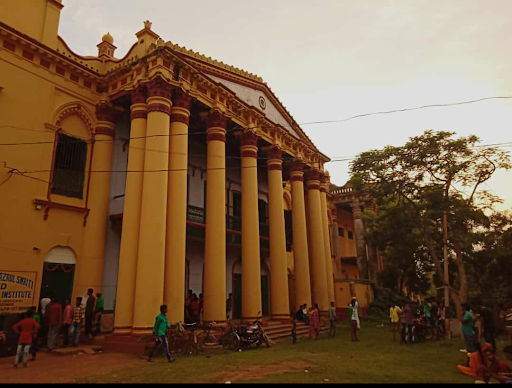
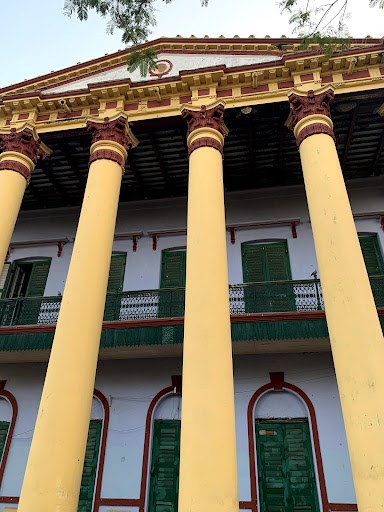
The earlier name of the place was Raghabpur, named after Raghab Roy, who was a Zamindar of the place under the Royal Kings of Rajnagar. Murshid Quli Khan, Nawab of Bengal, came, on the request of the Rajnagar kings, to tame the rebellious Raghab Roy. The latter was defeated and he fled. Thereafter, Hatem Khan became Zamindar, of this place and it was renamed Hatempur. With the passage of time it became Hetampur. It is said that Hafeez Khan, a soldier, had an affair with a royal princess of Delhi. He fled from Delhi along with the princess and was provided refuge by Hatem Khan. He followed the latter as jaigirdar of Hetampur.
Hetampur Royal Family
Inside of Hetampur Raj Palace
The House of Hetampur Raj rose from obscure origins to the status of the most powerful Kingdom and later Zamindari of Birbhum district. Muralidhar Chakraborty, an ancestor of the Hetampur Raj family, emigrated from Bankura district to Birbhum in the late seventeenth century. He first worked in a menial job under the Muslim Zamindar of Rajnagar. His son, Chaitanya Charan Chakraborty, was brought to Hetampur by Hafeez Khan, the Fouzdar (Military Commandar) of Hetampur fort, some fifteen miles south-east of Rajnagar kingdom.
His son, Radhanath Chakraborty, was actual founder of Hetampur Raj family. He subdued the Roy family of Hetampur, who were then Gomasta (Secretary) and Ijaradar (Lease Holder) of Birbhum Raj. Between 1781 and 1799 he undertook Lease of 19 Mouzas of Birbhum Raj and captured some in battles with them. He purchased several Mahals (Zamindari Area) from Murshidabad Nawab when they were put up for auction but never paid taxes and declared freedom from Muslim rule. During the period he had a decisive war with Rajnagar and became independent Bengali King of Birbhum and nearby areas. In the end, he brought the Roy family on his pay roll. When he died in 1838, the net income from his property was Rs. 20,0000.
Raja Bipracharan, son of Radhanath was the most successful ruler. Within seven years of his father’s death, he made his Kingdom, the largest in Birbhum. He lent Rs. 50,000 to Bibi Rajibunissa of Rajnagar Raj family and in return secured more lands. He also ruled over extensive areas in Santhal Parganas.
In 1875, Northbrook conferred on Ramranjan Chakraborty, grandson of Bipracharan, the title of Rajain British India. Two years later he was raised to the position of Raja Bahadur by Lord Lytton. In 1912, he was elevated to the rank...
Read moreHetampur Rajbari, located in the picturesque village of Hetampur near Dubrajpur in West Bengal, stands as a testament to the region's rich historical and architectural heritage. Renowned for its majestic palace and esteemed college, Hetampur is steeped in royal grandeur and cultural significance.
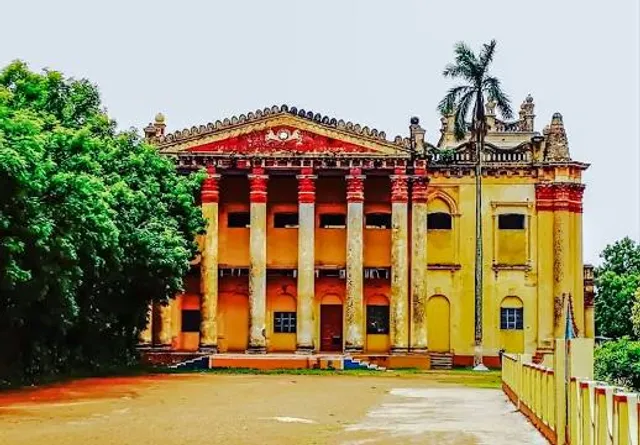
The focal point of Hetampur's allure is undoubtedly the magnificent Hetampur Rajbari, constructed in the form of a castle adorned with 999 doors, earning it the moniker "Hetampur HajarDuari." This architectural marvel stands as a symbol of the opulence and magnificence of the bygone era, attracting visitors from far and wide to marvel at its intricate craftsmanship and regal splendor.
In addition to the grandeur of the Rajbari, Hetampur boasts a treasure trove of terracotta temples, showcasing various styles of architecture and artistic expression. These temples, adorned with ornate terracotta panels depicting mythological scenes, floral motifs, and intricate designs, offer a glimpse into the cultural and artistic legacy of the region.
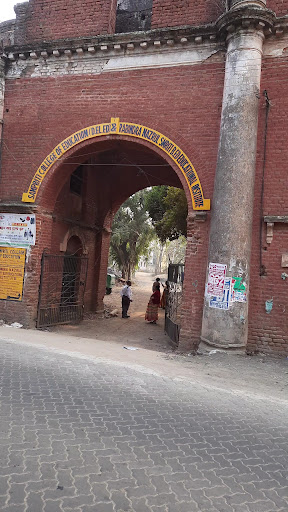
Beyond its architectural wonders, Hetampur is also home to a prestigious college, adding to its cultural and educational significance. The presence of this esteemed institution further enhances the village's appeal, drawing scholars, students, and enthusiasts alike to immerse themselves in the pursuit of knowledge and academic excellence amidst the serene surroundings of Hetampur.
As visitors wander through the narrow lanes and verdant landscapes of Hetampur, they are transported back in time, where tales of royalty and artistic brilliance intertwine to create a tapestry of cultural richness and historical splendor. Whether admiring the grandeur of the Rajbari, marveling at the terracotta temples, or engaging in scholarly pursuits at the esteemed college, Hetampur offers a captivating journey through the annals of history...
Read moreThe Rajbari was built in the shape of a castle with 999 doors which has given it the name Hetampur Hajar Duari. Hetampur Rajbari has been used by film directors such as Satyajit Ray, Mrinal Sen, Tarun Majumdar, Raja Sen, Dilip Roy, Sandip Ray, and others in many Bengali films like Gupy Gyne Bagha Byne, Abhijan, Mrigaya and Ganadebata.
Temples- Hetampur has many interesting terracotta temples in various styles of architecture. During the late 1940s till about 1952 Indian artist Mukul Dey conducted detailed photographic survey of Birbhum-Barddhaman group of terracotta temples. Gol-Mandir, the Chandranath Shiva temple and the Dewanji temples are here. Chandranatha Siva Mandir in Hetampur of Dubrajpur, Birbhum built in 1847 is Octagonal pinnacled - Naba Ratna type with terracotta on three sides. Dewanji Mandir is tightly ridged Rekha type with small terracotta facade of 19th century having rich terracotta on two sides.
Fair- Bipracharan Chakravarty of the Hetampur Raj family started a Saraswati Puja at Hetampur. His grandson, Ramranjan, started a 3-days fair on the occasion. The fair continues on the grounds of the Hetampur Rajbari. Gurusaday Dutt had once presented raibeshe bratachari during the fair. Many renowned personalities were invited to attend the fair and some of them came. Hetampur Royal Theatre and Ranjan Opera had their inaugural shows...
Read more